During the PCBA processing, electronic engineers may find that although the PCBA boards function normally upon shipment, various quality issues arise unexpectedly after a period of use, leading to returns for repairs. Why does this happen?
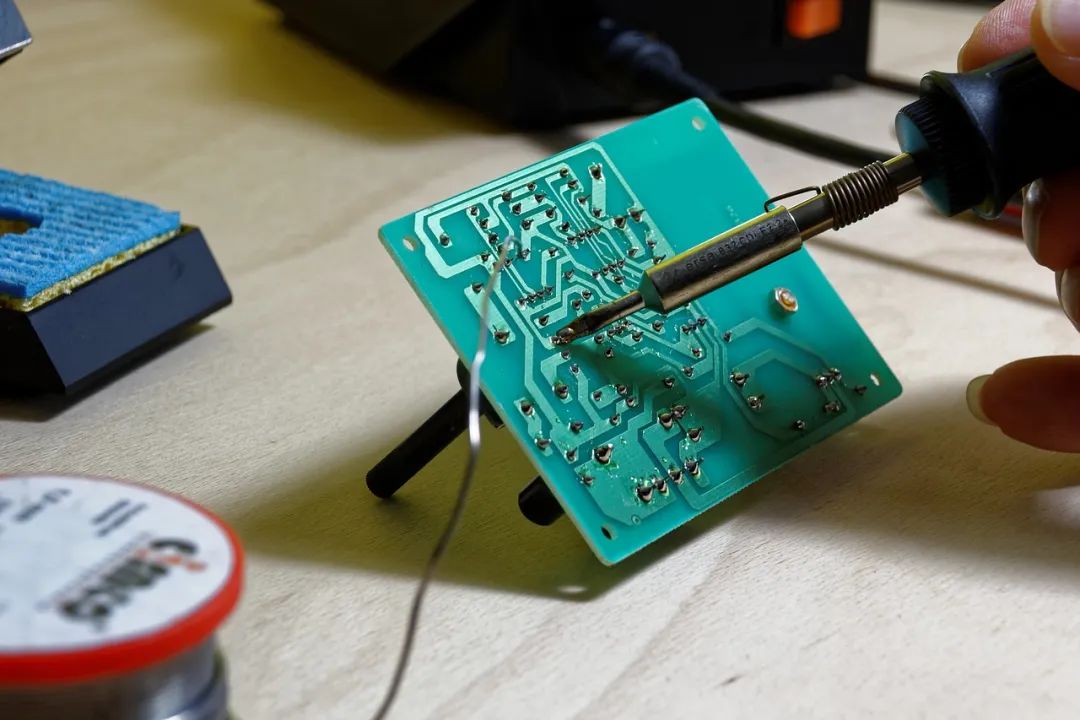
Firstly, these issues are likely due to the PCBA having aged, which prevents it from operating normally and quickly. Therefore, aging tests must be conducted before the product launch to verify whether the product can withstand aging.
Next, how is the aging test for PCBA products conducted?
1. Initial Condition Setup
The first step is to ensure that the PCBA board is in normal operating condition at the ambient temperature, then place it into thermal aging equipment set to the same ambient temperature, and start the PCBA board for initial operation to ensure its normal function without any abnormalities.
2. Low Temperature Exposure Phase
After the initial operation, gradually reduce the temperature inside the equipment according to the predetermined rate until the bound low temperature value is reached. During the cooling process, ensure that the temperature changes smoothly to avoid sharp temperature fluctuations that could impact the PCBA.
Once the temperature inside the equipment is stable, maintain the PCBA board in a low-temperature environment for two hours to simulate the conditions of the product in a low-temperature environment.
3. High Temperature Exposure Phase
After low temperature exposure, again increase the temperature inside the equipment at the specified rate to the predetermined high temperature value. Similar to the low temperature exposure phase, the high temperature exposure must also ensure stable temperature changes.
Once the temperature inside the equipment is stable, maintain the PCBA board in a high-temperature environment for two hours to simulate the conditions of the product in a high-temperature environment.
4. Cycling and Recording
After completing the high-temperature exposure, reduce the temperature inside the equipment to room temperature at the specified rate, completing a full temperature cycle.
According to the aging test requirements, this cycling process is repeated continuously until the predetermined aging time is reached. After each cycle, necessary measurements and recordings of the PCBA board are made to collect performance data under different temperature conditions. This data is crucial for the subsequent evaluation of the PCBA product’s performance stability and reliability.
This is an original article by Fanyi Enterprise Training. Please indicate the source when reprinting!
Submissions/Recruitment/Advertisements/Course Cooperation/Resource Exchange; please add WeChat: 13237418207