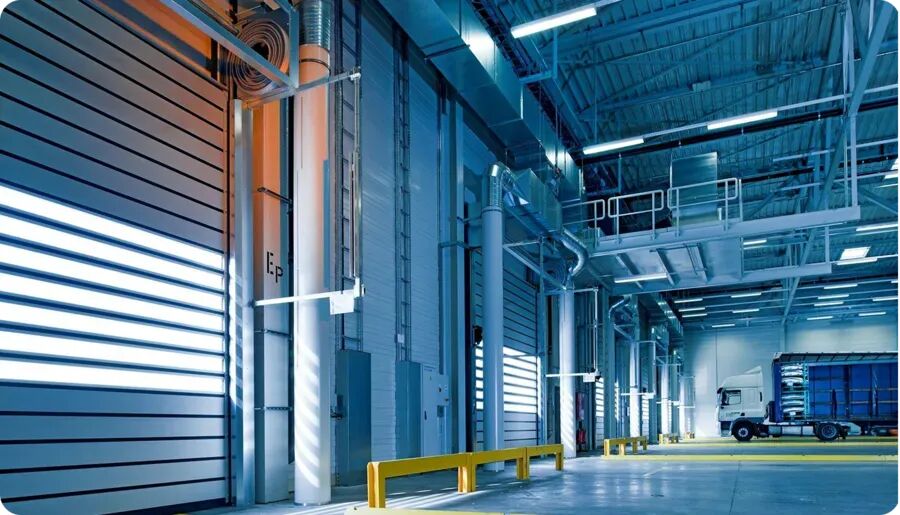
The amount of data generated by a smart factory can rival that of a small city. This flow of information is driven by the Industrial Internet of Things (IIoT). IIoT connects machines, sensors, and people into an intelligent, responsive system.
In traditional settings, collected data may remain idle, whereas IIoT transforms data into impactful insights and informed actions. IIoT solutions enable real-time data collection, analysis, and response. This helps various industries enhance productivity, minimize downtime, and make smarter, faster decisions.
In fact, many major industries are rapidly adopting IIoT in their facilities. From manufacturing plants and oil drilling platforms to hospitals and farms, they are driving a new wave of innovation. Machines integrated with IIoT can think, adapt, and communicate issues in real-time.
In this article, we will explore what the Industrial Internet of Things is and its impact on various industries. We will also delve into the role of computer vision in IIoT solutions. Computer vision, a subfield of artificial intelligence (AI), enables machines to interpret and understand visual data. Let’s get started!
What is the Industrial Internet of Things (IIoT)?
The Industrial Internet of Things is a framework that connects machines with sensors, edge devices, and real-time data processing systems, making machines smarter. It’s like giving factory equipment a brain, enabling it to automatically collect, share, and respond to data.
IIoT solutions (such as sensors, RFID tags, and actuators) connect machines through networks, allowing data sharing between them. This enables businesses to improve operational efficiency, safety, and reliability.
Take the example of IoT in manufacturing. IIoT sensors play a critical role in conveyor automation by continuously monitoring machine output. If output falls below expected levels, the system can detect the slowdown and automatically alert the maintenance team to investigate and resolve the issue.
Beyond manufacturing, IIoT is also applied in industries such as energy, utilities, oil, and gas. IIoT no longer relies on traditionally isolated machines but instead unlocks the hidden data these systems have always generated and transforms it into valuable insights through real-time analysis.
How Does IIoT Work?
Industrial automation and IoT work by using smart devices and sensor networks that continuously communicate and share real-time data. These devices can connect to machines, vehicles, or equipment in factories, smart warehouses, and other industrial environments.
The collected data is transmitted to a central system, which can be a cloud-based system or an on-site system through edge computing. There, the data is analyzed to identify patterns and generate insights. These insights help make better decisions. For example, they can be used for early detection of performance issues, predicting when machines need maintenance, automating routine tasks, and enhancing workplace safety.
IoT solutions often also use feedback loops for real-time adjustments. Based on the received data, machines can automatically change settings such as speed or temperature. These loops can also trigger operator alerts or initiate automatic operations when certain functions do not perform as expected. This helps maintain efficient operations and minimize downtime.
IoT Technologies Driving Innovation
Now that we have a deeper understanding of what the Industrial Internet of Things is and how it works, let’s take a closer look at the IoT technologies used in industrial automation. Here’s a brief overview of the core components:
-
Edge Computing: Edge computing processes data close to the source (such as sensors or local gateways) to reduce latency and enable instant responses. For example, it can trigger a shutdown before any damage occurs to an overheating machine.
-
Cloud Platforms: They provide centralized storage, support large-scale analytics, and allow remote access. They can also aggregate data from multiple sites to identify trends, optimize performance, and support strategic decision-making.
-
5G Connectivity: 5G technology provides high-speed, low-latency communication for thousands of connected devices. This paves the way for responsive automation, mobile robotics, and real-time quality control.
-
Sensors and Actuators: Sensors collect critical data such as temperature, pressure, and vibration. Actuators use this data for physical adjustments. They work together to provide continuous monitoring and real-time automated responses.
-
Artificial Intelligence and Machine Learning (ML): These cutting-edge technologies can detect patterns, predict failures, and optimize processes by analyzing data. Over time, they can improve decision-making, reduce downtime, and enhance overall efficiency.
Benefits of IoT Across Industries
Next, let’s review some of the key advantages of IIoT and how they are redefining operations across major industries. Many companies are already using IIoT solutions. In fact, it is expected that by 2030, the number of globally connected IoT devices will exceed 31 billion. Their widespread acceptance and adoption are due to the clear, measurable value that IIoT provides.
One of the most important aspects of IIoT solutions is their close connection to real-time visibility. By continuously collecting and analyzing data, these systems provide businesses with immediate insights into their operations. Another major benefit of IIoT is that it streamlines operational management. By using real-time data, adjustments can be made on-site to machines and processes, reducing delays and maintaining efficiency. It can also lower maintenance costs, as issues can be detected early and resolved quickly.
Additionally, IoT solutions can improve energy efficiency, reduce waste, and decrease reliance on manual labor. They can also detect hazardous conditions early and automatically take measures to prevent accidents, thereby enhancing workplace safety.
Common Use Cases for IoT
IIoT is actively reimagining how operations are conducted across various industries today. From healthcare and logistics to construction and agriculture, organizations are adopting IIoT technologies to achieve smarter, faster, and more reliable outcomes.
Using IIoT for Energy Production
The energy sector is often associated with large heavy equipment such as drilling rigs, refineries, and offshore platforms. For decades, these systems have powered the energy industry, and the Industrial Internet of Things (IIoT) is changing how they operate behind the scenes. Energy companies are leveraging IIoT to improve efficiency and scale their operations. By gaining real-time insights into field conditions, energy providers can gain more control.
Since replacing the entire grid with smart systems is not always feasible, IIoT can upgrade existing infrastructure without major changes. This also makes monitoring remote devices (such as pump trucks or wind turbines) easier, allowing power plant operators to keep everything running smoothly and extend generation time.
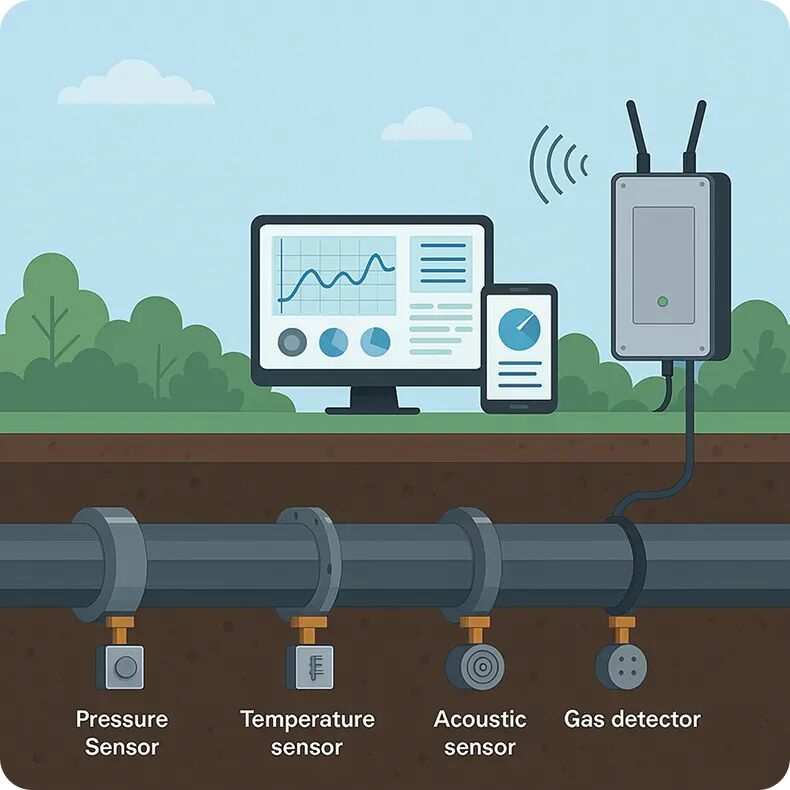
A great example of IIoT in energy production is its application in monitoring Electric Submersible Pumps (ESP). These pumps are placed in oil wells to help transport fluids to the surface, which is critical for oil extraction. However, they can sometimes fail without warning, causing delays and costly repairs.
To avoid this, a group of researchers created a system called the I²OT-EC framework. It combines IIoT with edge computing. This system can track factors such as temperature and pressure in real-time. This makes it easier to detect issues early, schedule maintenance before failures occur, and keep the pumps running smoothly.
How IoT Solutions are Reshaping Modern Healthcare
The IIoT in healthcare (also known as the Medical IoT) helps improve the efficiency of healthcare systems and alleviate the burden on medical staff. By connecting medical devices with AI systems, IIoT supports better decision-making, reduces the risk of human error, improves patient outcomes, and helps hospitals and clinics operate more smoothly.
For example, wearable devices such as heart rate and blood glucose monitors can continuously monitor patients. These devices can detect early signs of health issues and even send emergency alerts to doctors in real-time. As these technologies continue to evolve, more specialized IoT solutions tailored to specific medical needs are being developed.
Impedimed is an interesting example of a medical device driven by IIoT. It is a device that can detect the risk of lymphedema, a common side effect of breast cancer treatment that can cause swelling in the arms or legs.
This IoT device looks like a scale. Patients can stand barefoot on it and place their arms on the platform. It sends a gentle electrical current through the body to measure fluid levels and body composition. The results can be processed in under a minute using cloud software and shared through a portal, adding to the patient’s electronic health record for easy access by doctors.

Utilizing IIoT Solutions for Smarter Agricultural Production
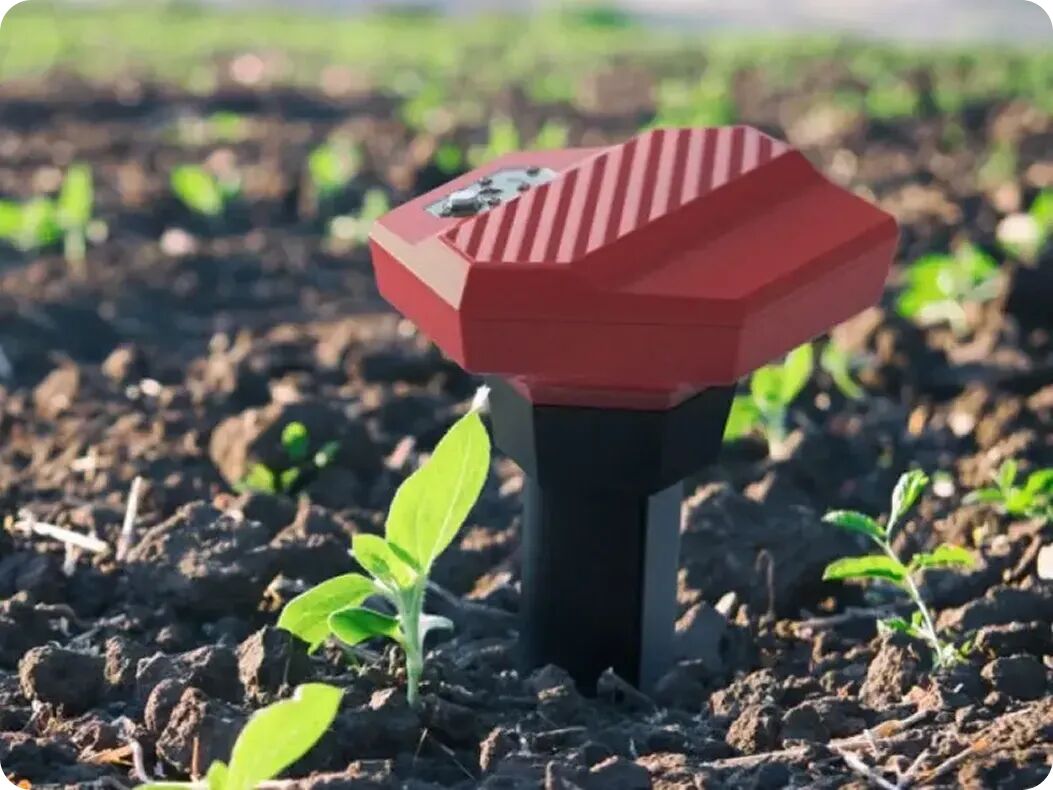
Similarly, agricultural IoT can assist farmers. By utilizing IoT tools, farmers can better manage crops and livestock with real-time information and greater accuracy. IoT devices can be placed in the soil, on machinery, or even on animals to monitor conditions such as temperature, humidity, soil moisture, nutrient levels, and animal behavior.
By analyzing the collected data, farmers can make data-driven decisions regarding irrigation, fertilization, pest control, and overall farm management. These real-time insights enable them to use fertilizers more efficiently, reduce waste, and plan better routes for agricultural vehicles. This helps save time and resources while increasing productivity.
Challenges and Considerations of IoT
Now that we have explored how IIoT solutions benefit various industries, it is also important to closely examine the challenges that may arise when implementing these solutions. Understanding these challenges is key to maximizing the benefits of IIoT solutions and ensuring successful deployment. Here are some limitations to consider:
-
Integration with Legacy Equipment: Many factories still use outdated equipment that was never designed to work with IoT-based technologies. Integrating smart IIoT capabilities into these legacy systems can be costly. This often requires special adapters or converters to enable communication between old and new devices.
-
Cybersecurity Challenges: Connecting traditional machines to the internet introduces new security risks. Since these machines were not designed with cybersecurity in mind, they are more vulnerable to cyberattacks. Many machines lack basic safeguards such as password protection or data encryption, making them easy targets for hackers.
-
Maintenance of Smart Devices: While IIoT systems can simplify operations, smart devices still require regular maintenance. Sensors and other devices must be checked, updated, or replaced periodically to keep everything running smoothly. If maintenance is neglected, data may become unreliable and cause issues.
-
Skills Gap in the Workforce: The Industrial Internet of Things combines traditional equipment with advanced digital technologies, requiring employees to possess a combination of skills in both areas. While some organizations may face gaps in this regard, it also presents excellent opportunities for skill enhancement and development. With the right training and support, teams can successfully adapt and fully leverage the advantages of IIoT.
Disclaimer: Some information in this article is sourced from the internet. If there are any errors in source attribution or if your legal rights have been infringed, please contact the author with proof of ownership, and we will promptly correct or delete it. Thank you.