Today, let’s talk about the radiation from base stations and mobile phones.
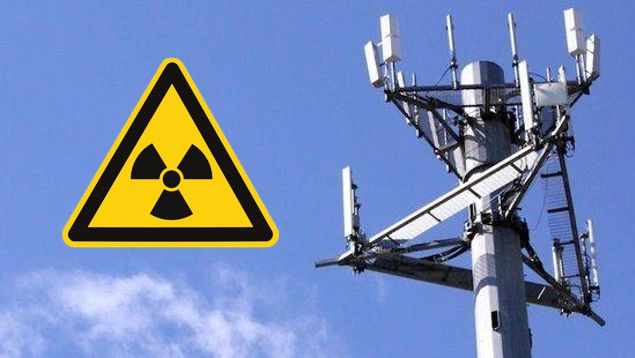
Haha, has anyone felt a tremor? Nowadays, the news frequently reports about radiation here and radioactivity there, along with the continuously rising cancer rates, all claiming that it’s due to radiation, causing widespread panic.
Especially in our communications industry, where we deal with electromagnetic fields and waves, and interact with base stations. Others often say that since we are so close to radiation, we must have more girls and lose hair faster, balabala.

Some users, worried about radiation, even obstruct communication construction and damage communication facilities in their communities, making it very difficult for maintenance engineers.

Cut communication cables
Reading this article will help everyone thoroughly understand the scientific principles behind radiation and eliminate misunderstandings about base station radiation.
What is radiation?
People fear radiation, so we first need to understand what “radiation” actually is.
The official definition of radiation is somewhat convoluted —
“The phenomenon where a portion of electromagnetic energy emitted from a field source propagates away from the field source and does not return to it is called radiation.”
In simple terms, radiation is something that transmits energy outward. For example, light radiation and thermal radiation are both types of radiation.
Therefore, radiation is a neutral term, not a derogatory one.
In our daily lives, radiation is always present and not all of it is harmful. Some radiation is naturally occurring, while some is man-made.
The most typical natural radiation comes from the sun’s light and heat. The sun is a field source.

Most man-made radiation is related to electricity.
Electricity is an essential part of our lives; basic physics knowledge tells us that as long as electricity is transmitted, corresponding electric and magnetic fields will be generated, producing electromagnetic waves.

Electromagnetic waves are a type of radiation, including the light from electric lamps, signals from Wi-Fi routers, wireless broadcasts, etc., all of which are radiation. We also refer to them as light waves and radio waves.
Light waves and radio waves are both electromagnetic waves, and the reason they seem so different is due to their different frequencies.
In the image below, we can see that light waves have higher frequencies than radio waves. The frequency of light waves ranges from low to high: infrared, visible light, ultraviolet, X-rays, and gamma rays. (Note that alpha and beta rays are not electromagnetic waves.)
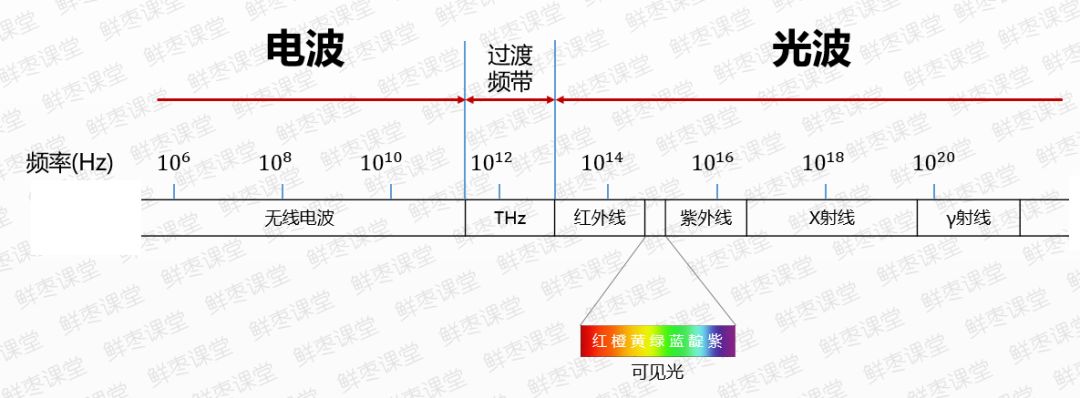
The higher the frequency of electromagnetic waves, the greater their energy. In other words, the higher the radiation.
The radiation produced by electromagnetic waves is called electromagnetic radiation.
However, based on the frequency of electromagnetic waves, electromagnetic radiation is divided into ionizing radiation and non-ionizing radiation.

Generally, we refer to electromagnetic radiation with a wavelength less than 100nm (nanometers), which corresponds to frequencies above 3×10¹⁵Hz, as ionizing radiation.
Ultraviolet light is the boundary between ionizing and non-ionizing radiation. Radiation with a frequency higher than ultraviolet light, such as cosmic rays, X-rays, and gamma rays, belongs to ionizing radiation. Meanwhile, thermal radiation, ultraviolet light, radio waves (microwaves, short waves, medium waves, long waves) belong to non-ionizing radiation.
The radiation that truly harms the human body is ionizing radiation.
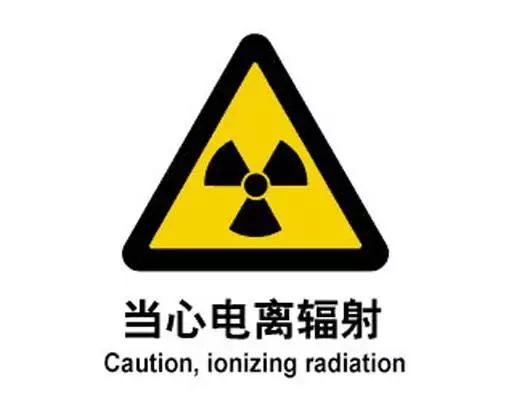
Why is ionizing radiation harmful?
It is called ionizing radiation because this high-frequency radiation can “steal” electrons from the atoms or molecules of matter, causing those atoms or molecules to undergo “ionization.”
In simple terms, humans and plants and animals are composed of cells, which are made up of molecules and atoms. If the molecules and atoms are destroyed, then the cells will also be destroyed, causing harm to the human body.
Additionally, when water molecules in the body undergo ionization, they produce a series of oxygen free radicals. These free radicals can damage biological macromolecules and lead to cell damage.
Continuous ionizing radiation can lead to accumulated cell damage and abnormal cell function, ultimately resulting in cell death or cancer.
The sources of ionizing radiation mainly include:
-
Nuclear radiation (nuclear bomb explosions, nuclear leakage accidents)
-
Medical instruments (CT, X-rays)
-
Industrial instruments (damage detection industry)
-
Natural radioactive sources (many natural radioactive elements exist in nature, widely found in rocks, soil, and air)
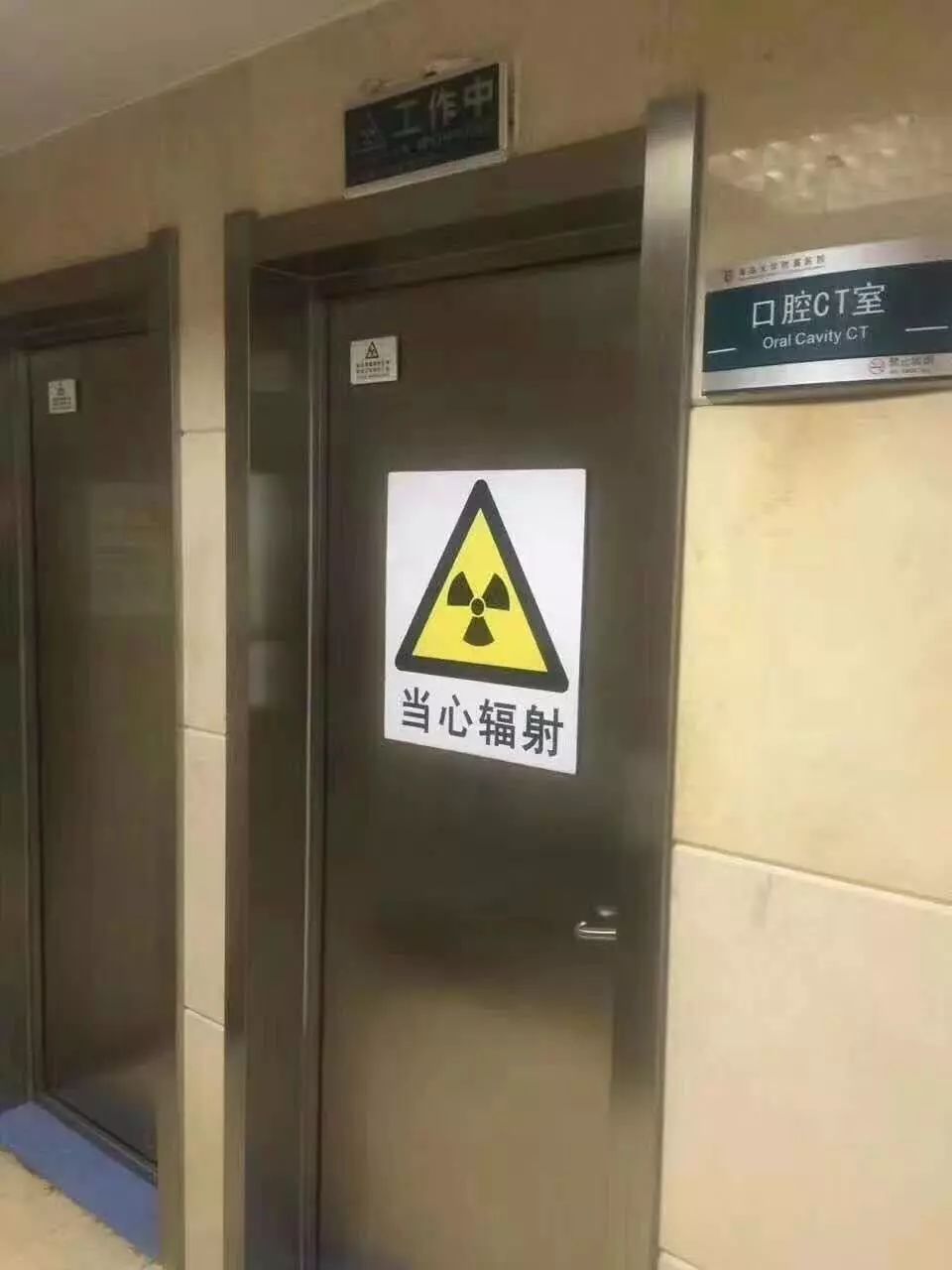
CT room in a hospital, usually has ionizing radiation warnings
Ionizing radiation is not only harmful; it mainly depends on the doses. If the dose is large, it can cause harm. If the dose is small, it can be reasonably utilized.
For example, the radiation doses used in CT scans, X-rays, and chest X-rays during health check-ups are strictly limited to safe levels, making them very safe and not carcinogenic, nor do they have side effects.
Does non-ionizing radiation have any hazards?
After discussing the terrifying ionizing radiation, let’s turn back to non-ionizing radiation.
Non-ionizing radiation has a frequency much lower than ionizing radiation. Its energy is also much lower than that of ionizing radiation.
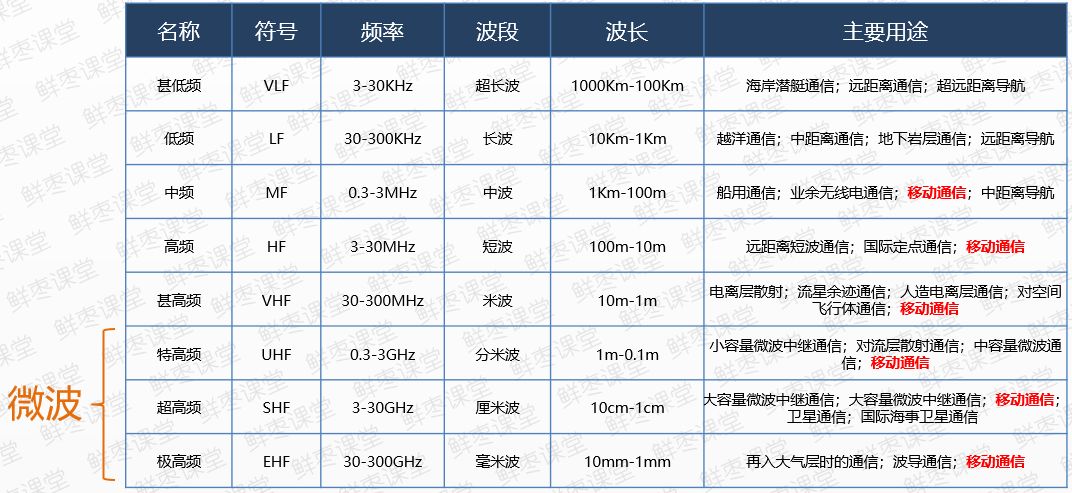
Our wireless communication uses electromagnetic waves with frequencies less than 1012Hz for communication.
(Click to see the larger image)
Mobile communication is one form of wireless communication. The electromagnetic wave frequencies currently used mainly range from 600M to 4000MHz. This frequency is still far from ionizing radiation.
Now, let’s take a closer look at how much radiation base stations actually emit.
A base station is a device that provides wireless communication signals for mobile phones. To be precise, the component that sends and receives signals is one of the components of the base station — the antenna.
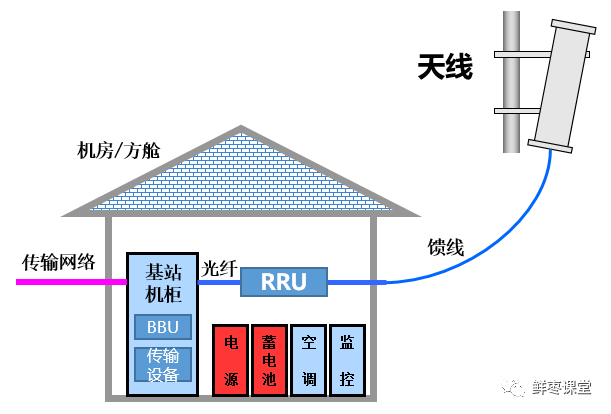
Structure of a base station
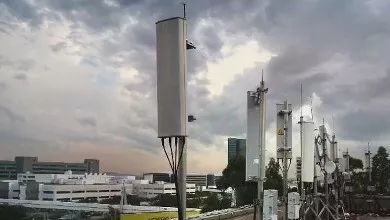
Panel antenna
Base stations are divided into macro base stations and micro base stations. The large outdoor base stations with panel antennas that you see are macro base stations.
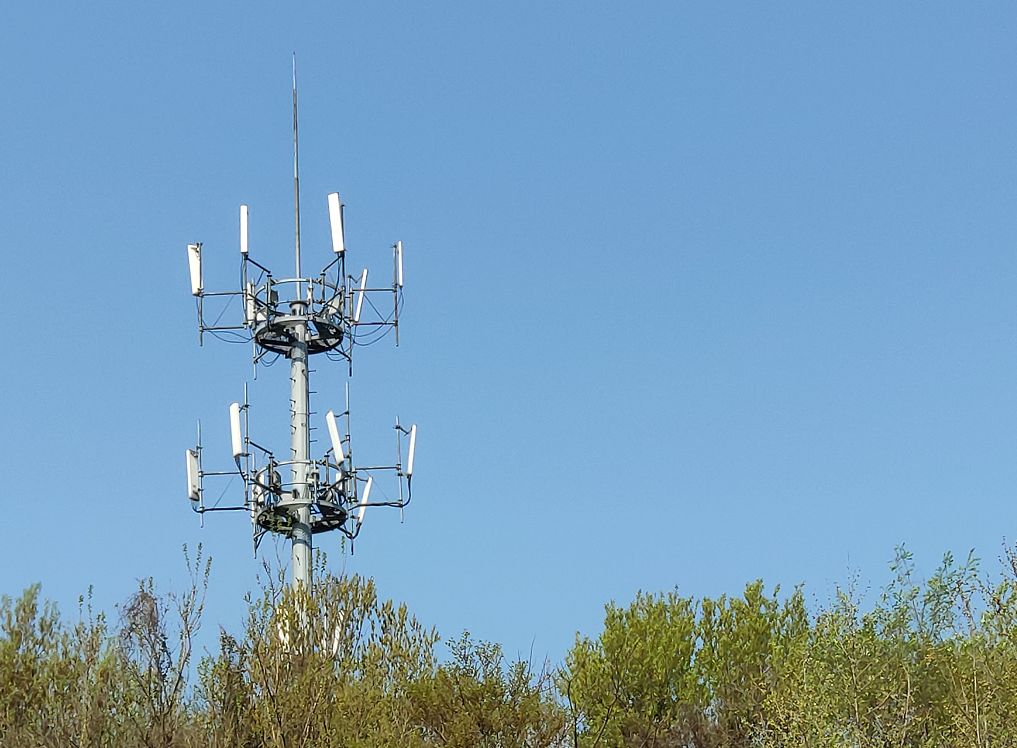
Macro base station
Normally, a macro base station has a power of 40W. The base station radiates signals not point-to-point but point-to-surface, appearing like a sphere.
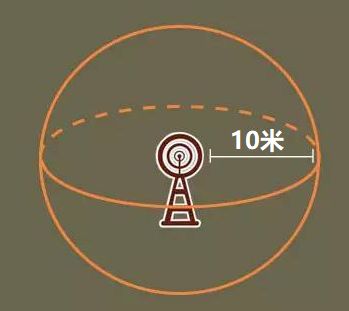
Calculating based on a sphere, at a distance of 10 meters, the surface area formed is 4πR2, which equals 1256 square meters.
From this, we can roughly calculate that at a distance of 10 meters from the base station, the radiation is 3.18 microwatts/square centimeter.

To strengthen electromagnetic environment management and protect public health, China revised the “Electromagnetic Radiation Protection Regulations” (GB 8702-88) and the “Environmental Electromagnetic Wave Health Standards” (GB 9175-88) in 2014, issuing the “Electromagnetic Environment Control Limits” (GB8702—2014), which officially came into effect on January 1, 2015. According to this standard, the power density of communication frequency bands should be less than 40 microwatts/square centimeter. (In actual situations, due to signal overlap considerations, operators usually control it at 8 microwatts/square centimeter.)
This standard in our country is far lower than in other countries or regions and is the strictest:

How big is 40 microwatts/square centimeter? To give everyone a sense of scale, let’s compare it to sunlight.
Based on the total radiation power of the sun and the distance from the earth to the sun, considering the radius of the earth, physicists have calculated that the radiation power density of sunlight on Earth is approximately 1000 watts per square meter, which is 100,000 microwatts/square centimeter.
In other words, the intensity of base station radiation in our national standard is 1/2500 of the intensity of sunlight.

Now you understand, right? The impact of base station radiation on the human body is minimal and can almost be ignored.
Can mobile phones cause radiation harm?
After discussing base stations, let’s take a look at mobile phones.
In fact, compared to base stations, mobile phones emit slightly more radiation. The reason is simple; although the radiation power of the mobile phone’s antenna (a few milliwatts) is significantly lower than that of the base station, it is much closer to the human body.

The electromagnetic radiation from mobile phones has another characteristic: the weaker the signal, the greater the radiation.
This is due to the design of the mobile phone; when the base station’s coverage signal is weak, the mobile phone will increase its antenna power to ensure normal communication, thus increasing radiation and, of course, increasing power consumption. This is why our battery drains quickly when we are on a high-speed train or in areas with poor indoor signals.
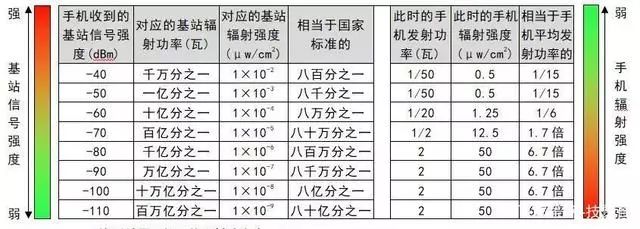
As the base station signal weakens, the mobile phone signal strengthens
According to user tests, the radiation of an iPhone in standby mode is 17.1 microwatts/square centimeter, while during calls, it is 93.1 microwatts/square centimeter. It can be seen that mobile phone radiation is indeed greater than that of base stations.
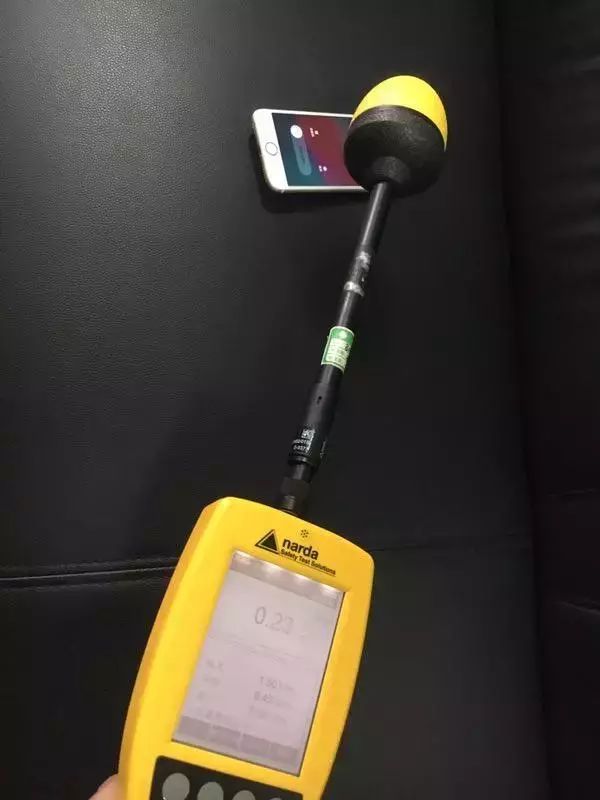
Using instruments to test mobile phone radiation
However, this value is still within the safe range and will not harm the human body.
The radiation from mobile phones is far less than that from various household appliances, such as microwave ovens, hair dryers, and even televisions.
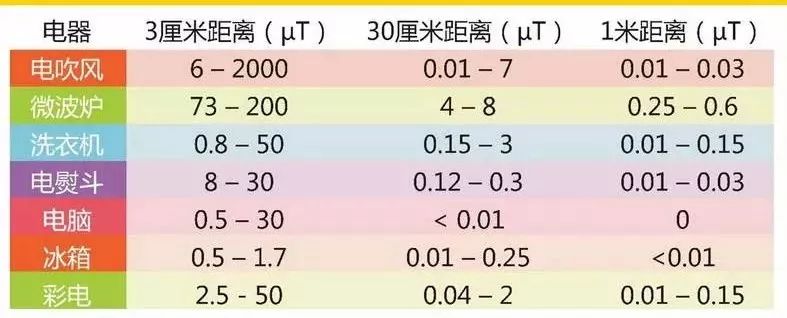
Radiation values of household appliances (μT is another unit of radiation value, microtesla)
The mobile phone in standby mode is about 0.1μT, while during calls, it can reach 3μT, and will drop significantly when at a distance.
However, it is recommended that everyone keep their phones a bit further away while sleeping, and not place them next to their pillows. Additionally, it is advisable to bring the phone closer to your ear after the call is connected.
Will 5G base station radiation be much larger?
Now that we are about to enter the 5G era, will the faster speeds lead to much greater radiation? Will it have a greater impact on the human body?
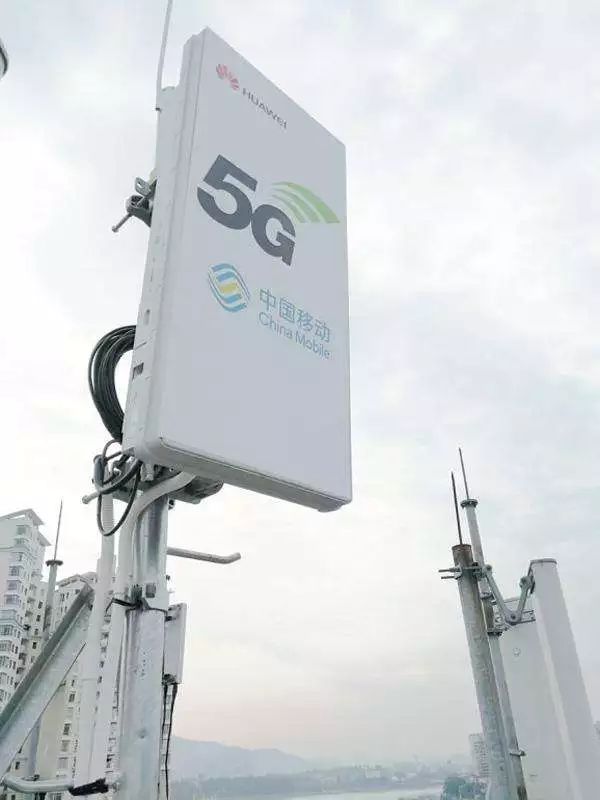
The answer is still no.
5G is divided into Sub-6 frequency bands and millimeter wave frequency bands.
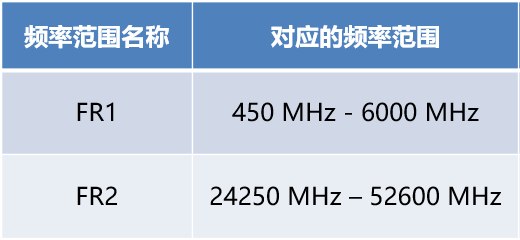
5G’s two operating frequency band ranges
The Sub-6 frequency band is the frequency band below 6GHz, which is similar to our current 4G and also similar to the working frequencies of Wi-Fi at 2.4GHz/5.8GHz.
The millimeter wave frequency band has frequencies greater than 24GHz, but it is still a significant distance from ionizing radiation.
Frequency is harmless; now let’s look at the antenna transmission power.
5G base stations are also divided into macro base stations and micro base stations, with more emphasis on micro base stations.
Macro base stations will have slightly higher power because 5G employs antenna arrays and beamforming technologies, but they still fall within the national standard requirements. (It is said to be around 200W.)
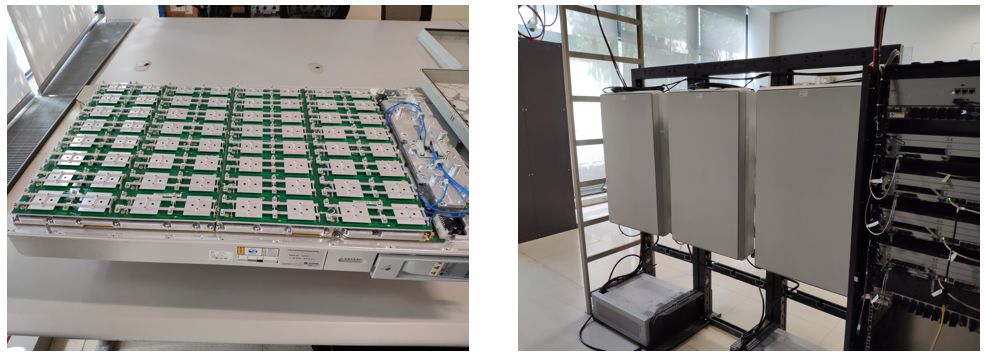
5G antenna array
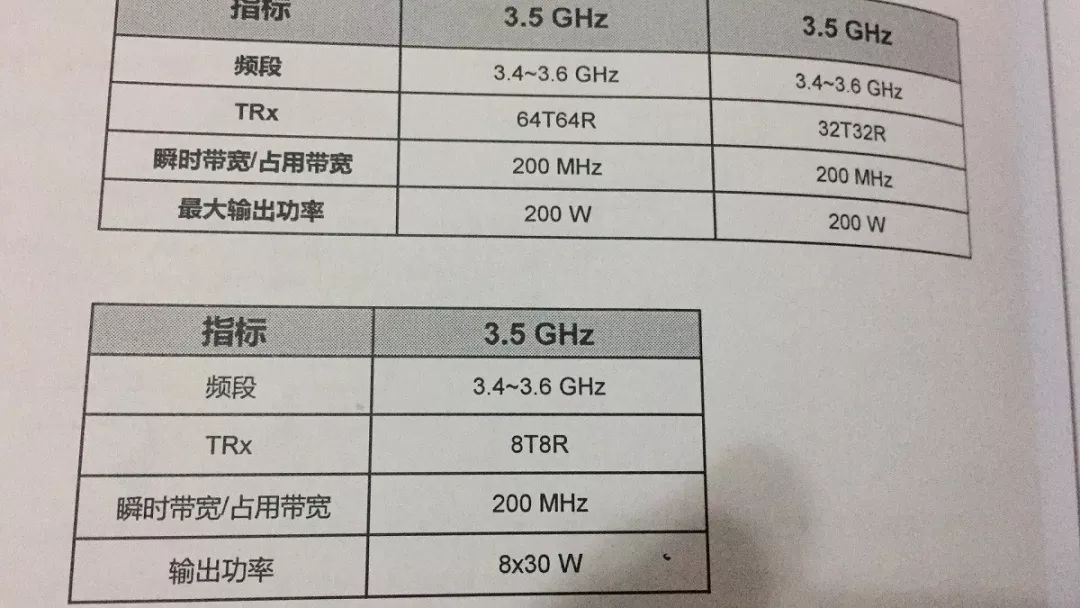
Maximum output power of 5G antennas
For micro base stations, although they are closer to the human body, the antenna power of micro base stations is all below 10W, mostly around the 100mW (milliwatts) level.
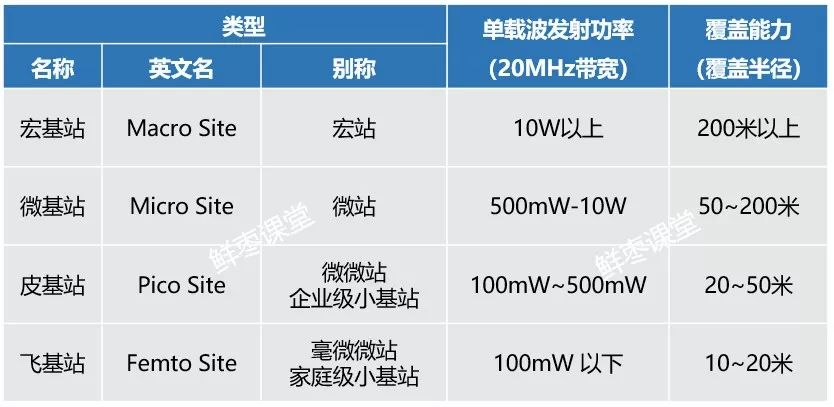
Thus, micro base stations will not harm the human body.
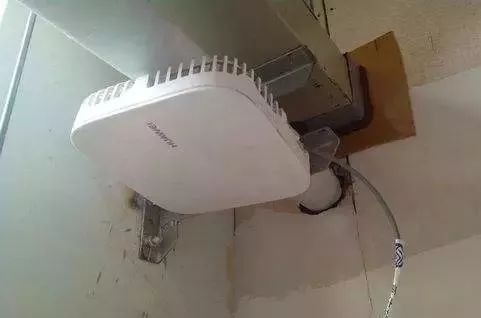
Micro base stations are about the same size as wireless routers
Moreover, our country implements a strict network access permit system for public mobile communication base station equipment, requiring key devices to undergo testing and approval before being connected to the network. Before a communication base station is put into use, electromagnetic environment testing and device sampling must be conducted. When setting up a base station, an application and technical documentation must be submitted to the competent authority.
This means that for every communication base station, the operating unit will strictly follow regulations for environmental assessments to ensure compliance with environmental standards before officially putting it into operation. Furthermore, after the communication base station is operational, there will be periodic inspections to ensure that electromagnetic radiation does not exceed standards.
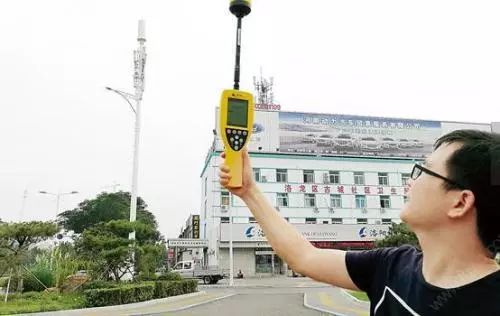
Monitoring base station radiation
Therefore, whether it is 2G, 3G, 4G, or 5G, there is no need to worry about base station radiation.
Warning! Destroying base stations is illegal!
Although the facts are very clear, there are still a small number of residents who harbor doubts about base stations and even panic. They worry that base stations will adversely affect their health or their family’s health, leading to hostility towards base station equipment, and even maliciously damaging communication facilities.
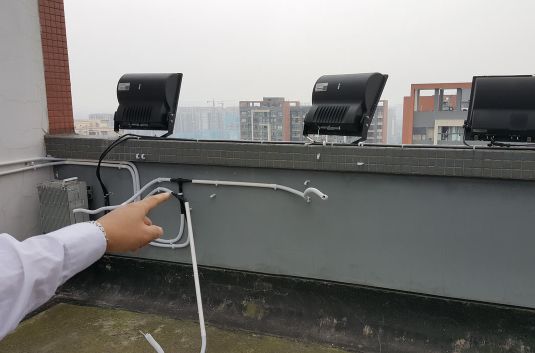
News about damaging base stations and resisting their construction frequently appears in the media.

In our country, Article 124 of the Criminal Law explicitly states that damaging public telecommunications facilities is an illegal act. Therefore, regardless of whether you can accept the facts, you cannot destroy communication facilities at will, or you will be held legally responsible.

In some communities, a small number of uninformed residents continuously obstruct the construction of base stations, resulting in the three major operators and China Tower issuing a notice to jointly cut off the network, which in turn triggered strong dissatisfaction from other residents and led to more intense conflicts, proving to be counterproductive.

Some residents demanded the removal of the base station, only to be scolded by other residents as “crazy”
Panic stems from a lack of understanding of the truth; rumors often stop with the wise. I believe that as more and more people understand the truth behind radiation, irrational behaviors will decrease, and we communication engineers can endure less grievances and better serve the vast number of users!
Source:WeChat Official Account “Fresh Date Classroom”
Editor: Zhu Li
Reviewer: Wang Xiaolong