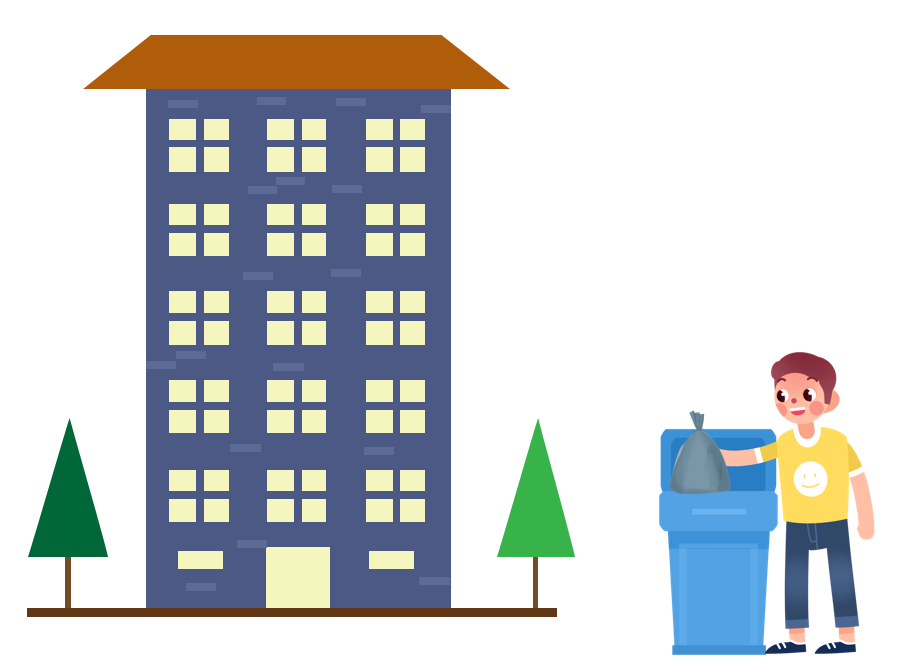
Xiaoming is an ordinary citizen.
Every day, Xiaoming, like his neighbors, throws mixed household waste into the community trash bin.
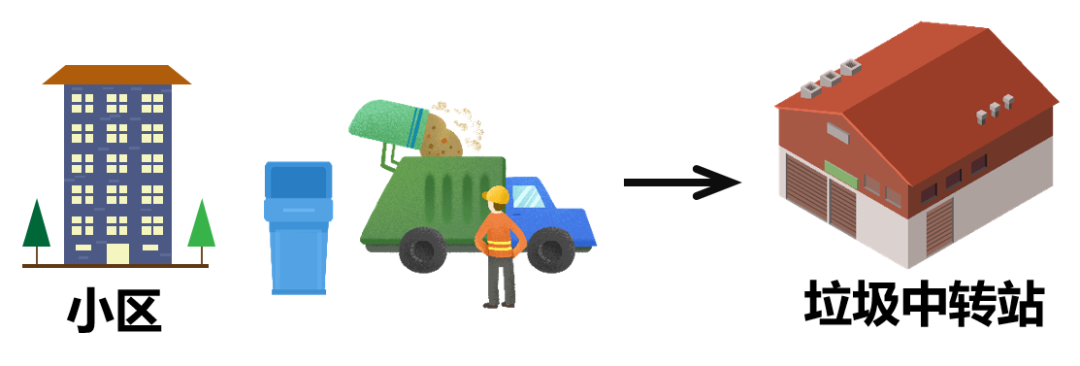
Then, sanitation workers collect and transport it to the waste transfer station.
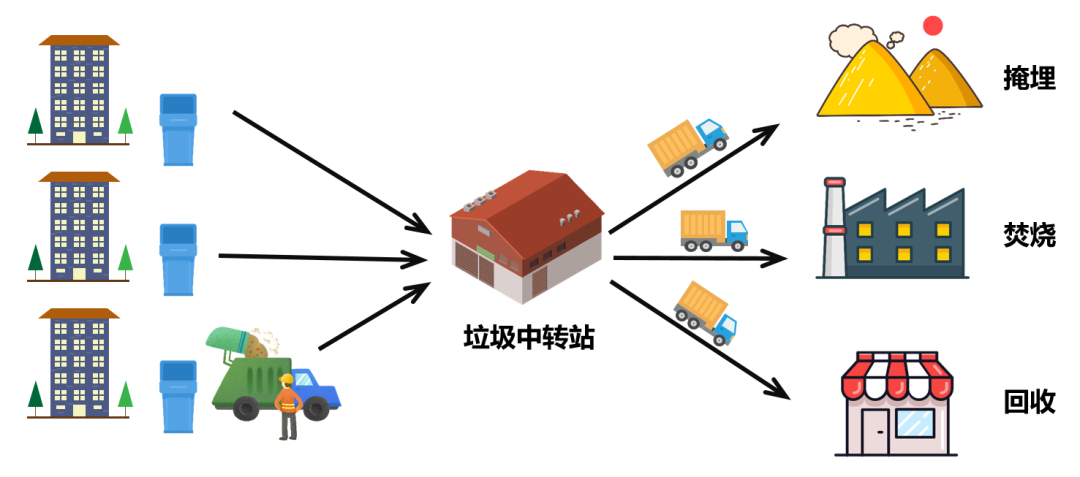
Finally, it is transported from the waste transfer station to the landfill or incineration plant for burial or incineration. Some waste will also be sorted for recycling.
To protect the environment and increase the value of waste, the government has begun to implement a waste classification policy.
The government requires that each household must classify their waste and then dispose of it into different trash bins.
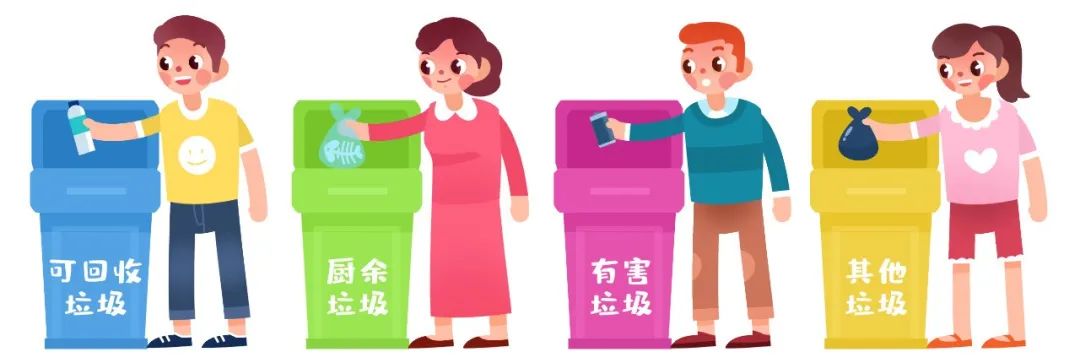
Sanitation workers will transport the classified waste to the waste transfer station.
Upon receiving the waste, the waste transfer station can sort it more conveniently, sending it to landfills, incineration plants, and recycling facilities.
Different waste treatment plants can directly receive their respective waste and process it accordingly.
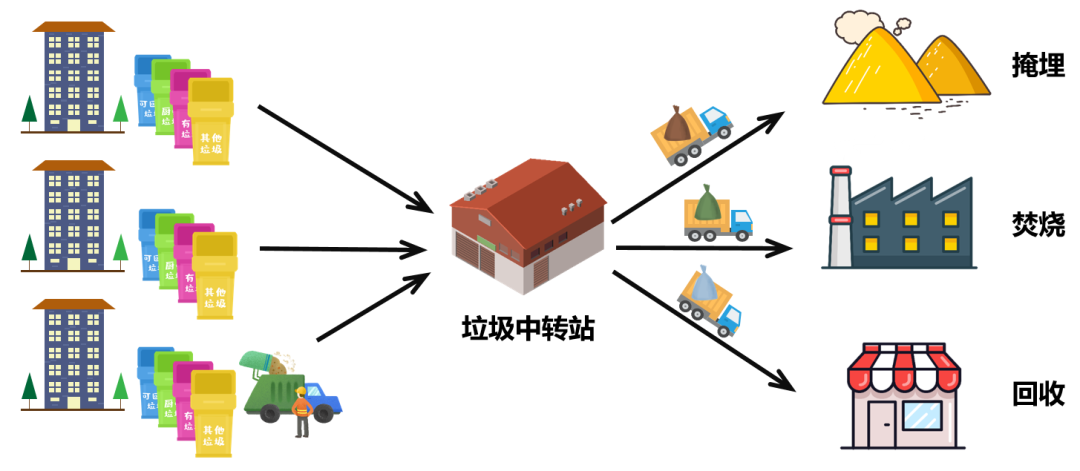
This simple example represents a standard “waste classification processing flow.”In fact, it is also a very classic case of edge computing.
Before waste classification, the sorting work was handled by the waste transfer station. We can understand it as traditional “cloud”. The residents’ homes can be referred to as “end”.
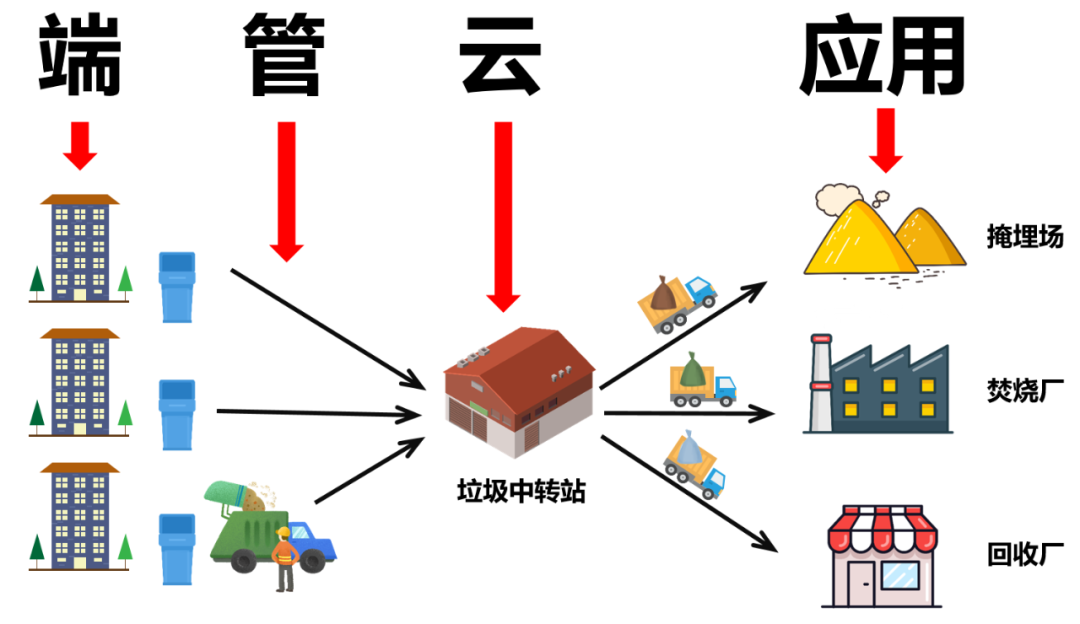 The transportation by sanitation workers can be termed as “pipeline”.
Landfills, incineration plants, and recycling facilities can be understood as different applications.
The problem with this traditional method is that after mixed transportation, sorting becomes more difficult.
After waste classification, the sorting computation is effectively decentralized from the “cloud” (waste transfer station) to the “end” (residents’ homes).
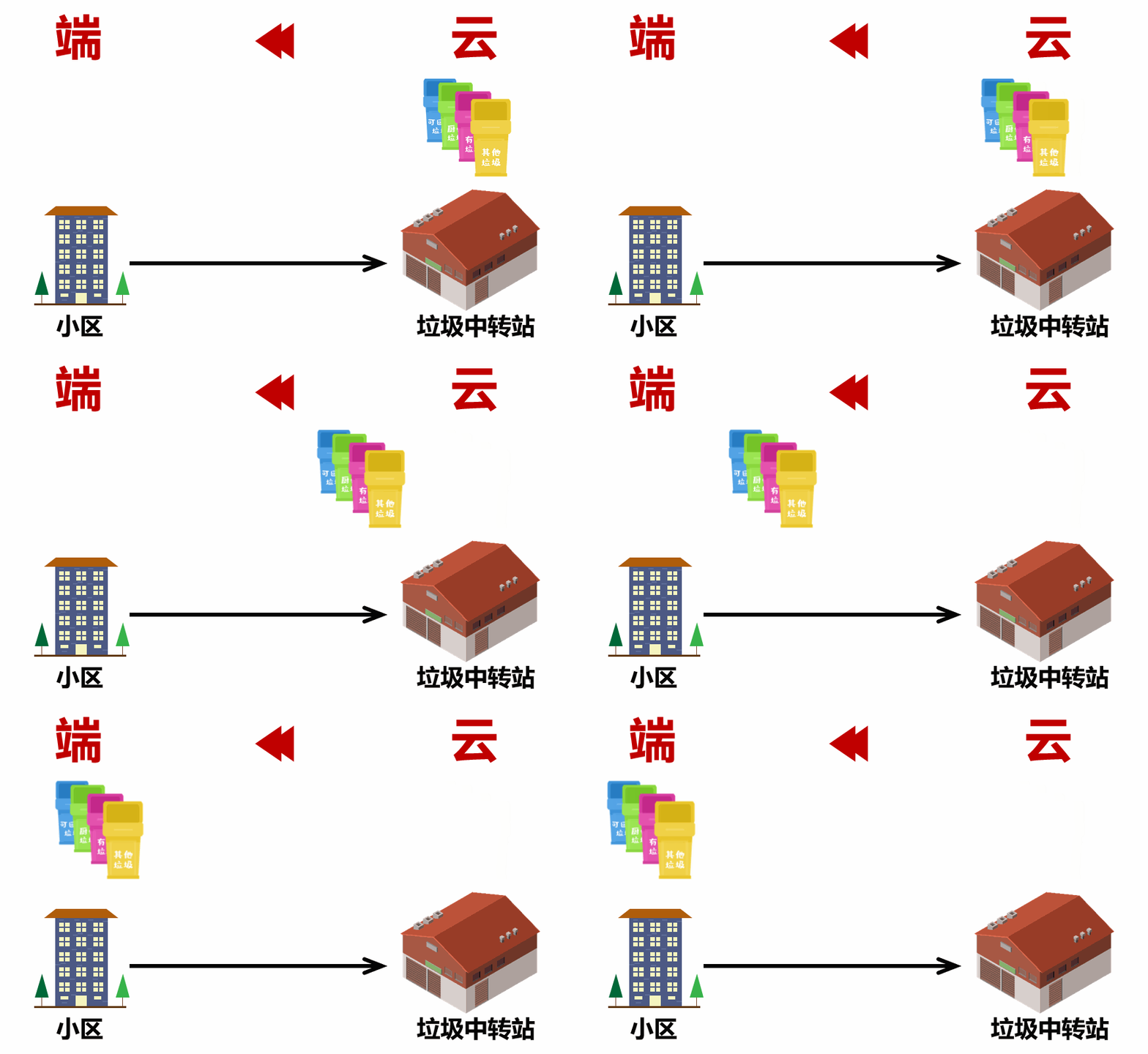 Decentralization of computing power
The ideal computing point is, in fact, Xiaoming’s home. This is edge computing.
However, due to Xiaoming’s insufficient computing power (he is not very clever and does not understand how to classify), it was slightly elevated to the experienced community aunt. This is true edge computing.
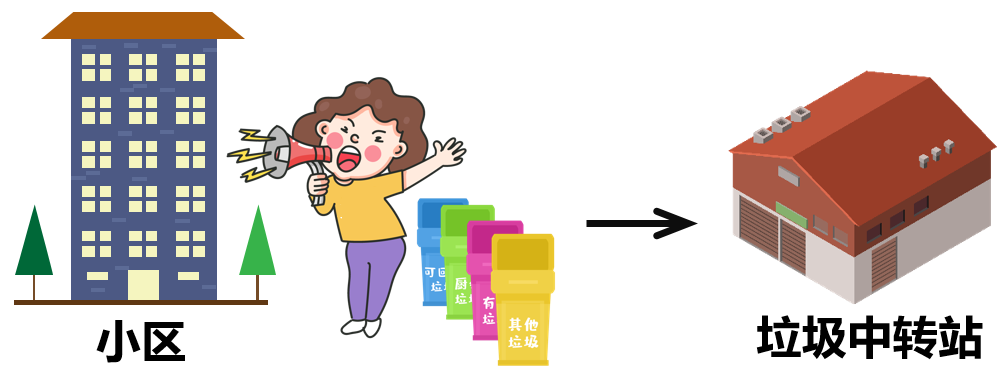

In fact, I personally believe that delegating the sorting work to the community aunt is currently a very perfect solution.
On one hand, it can reduce the computational pressure on ordinary residents (saving brain power and delaying training cycles). On the other hand, sorting work is given to professionals, which increases efficiency (they are more skilled at sorting). Each household paying a little “computational cost” is actually acceptable (the community aunt will also be very happy).
Once edge computing is realized, it can develop edge computing applications.
Of course, this does not mean that landfills and incineration plants directly connect with residents. The main focus is on the treatment of recyclable waste.
For example, companies that recycle old clothes, old appliances, and old furniture can directly collect from the community, significantly lowering recycling costs and having a broad market prospect.
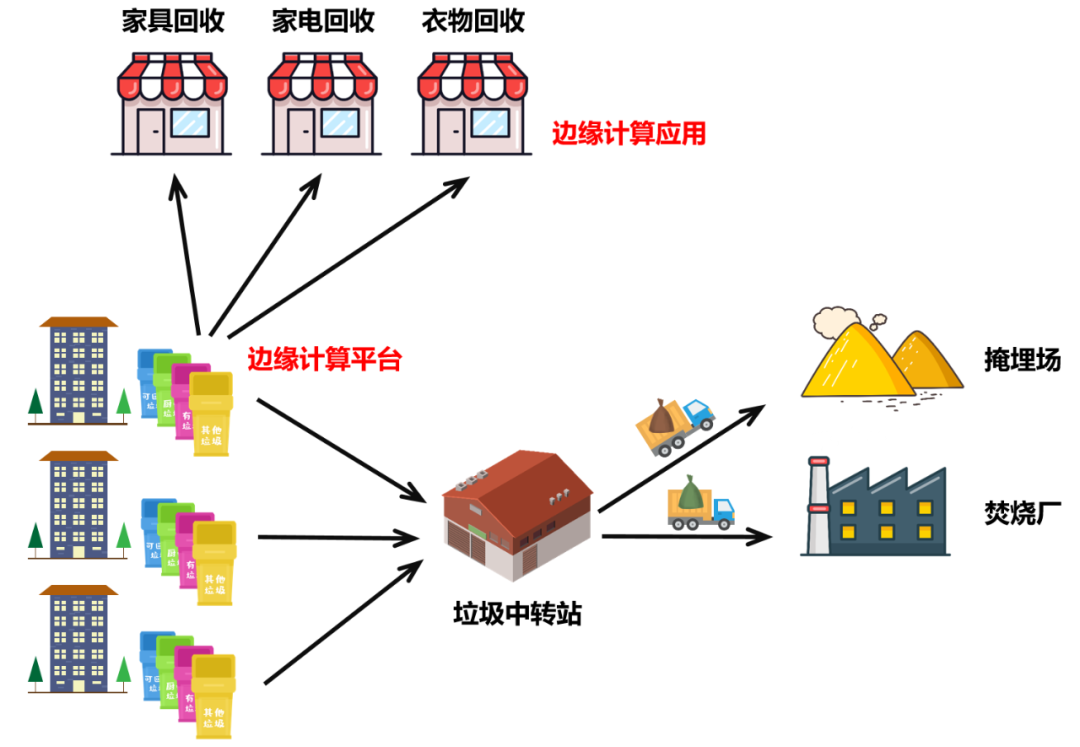
It is even possible to build a SaaS platform for recycling old items based on waste classification. Residents can place orders through an APP, and then the recycling company can pick them up at designated locations.

By adopting edge computing (waste classification), the pressure on the pipeline is also reduced, and the transportation volume from the community to the waste transfer station will significantly decrease.
So, through this example of waste classification, have you understood edge computing? Isn’t the role of edge computing amazing?
In fact, the concept of edge computing is everywhere. In our lives, everything is computation. Where there is computation, there is centralized and distributed.
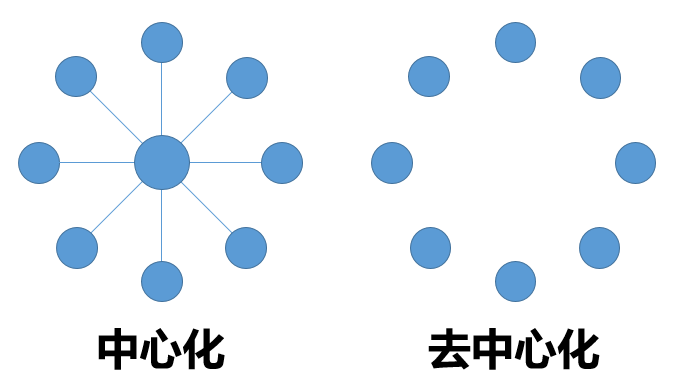
In the past, due to insufficient computing power, everyone preferred centralized systems. Now, with powerful computing and connectivity, computing power begins to flow flexibly, evolving into edge computing and opening up a whole new application scenario.
In the future, cloud computing, edge computing, and end computing will coexist for a long time, complementing each other and forming a prosperous computing ecology. With their help, we will achieve faster digital and intelligent transformation of industries. Our lives will also become better!