01
What is a PLC? Simply put, it is the most stable entity in industrial settings. How stable is it? Many people finish programming a PLC and leave it untouched for years, only to encounter issues when they finally make changes.
But you would never expect—it ran like a Swiss watch yesterday, and today it performs “random magic” as soon as you power it on. The lights don’t turn on, the motor doesn’t run, the logic jumps around, and all sorts of absurdities occur.
You haven’t changed a single line of code, you haven’t touched a single wire, and you even covered the I/O module with a blanket last night, yet it suddenly turns against you the next day.
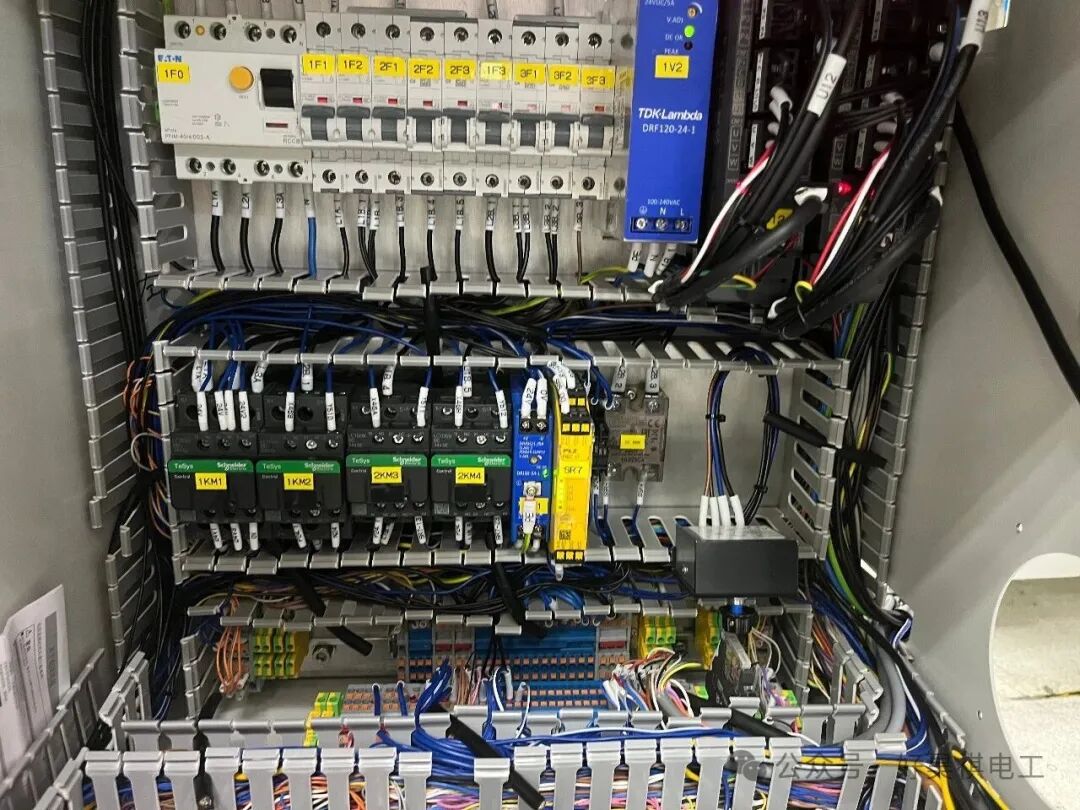
This is not just your problem; it is a common psychological struggle for all PLC engineers.
02
The scariest part is not when it breaks, but when it works “occasionally.”
Complete failure is not frightening; you can identify the problem at a glance.
The most frustrating part is—today it runs fine for 3 hours, and tomorrow it hangs every half hour. A quick restart fixes it, but then it hangs again.
You think you are tuning the PLC, but in reality, you are gambling with your life.
Let’s start troubleshooting: → Is it a logic issue in the program? Checked, all good. → Is the relay not engaging properly? Replaced it, still acts up. → Is there a power fluctuation? Added a voltage stabilizer, still the same issue. → Is it the sensor? Replaced three, all still problematic.
Finally discovered—interference! Damn interference!
The environment is complex; a certain signal wire is unshielded, and when the motor starts, it picks up a spike, causing the PLC to freeze; a certain input module is too close to the inverter, and the EMC is not well done, leading to intermittent data.
At this point, you are not tuning the program; you are adjusting the cosmic electromagnetic field’s temperament!
03
Troubleshooting bugs in programming is science; troubleshooting bugs in PLCs is metaphysics.
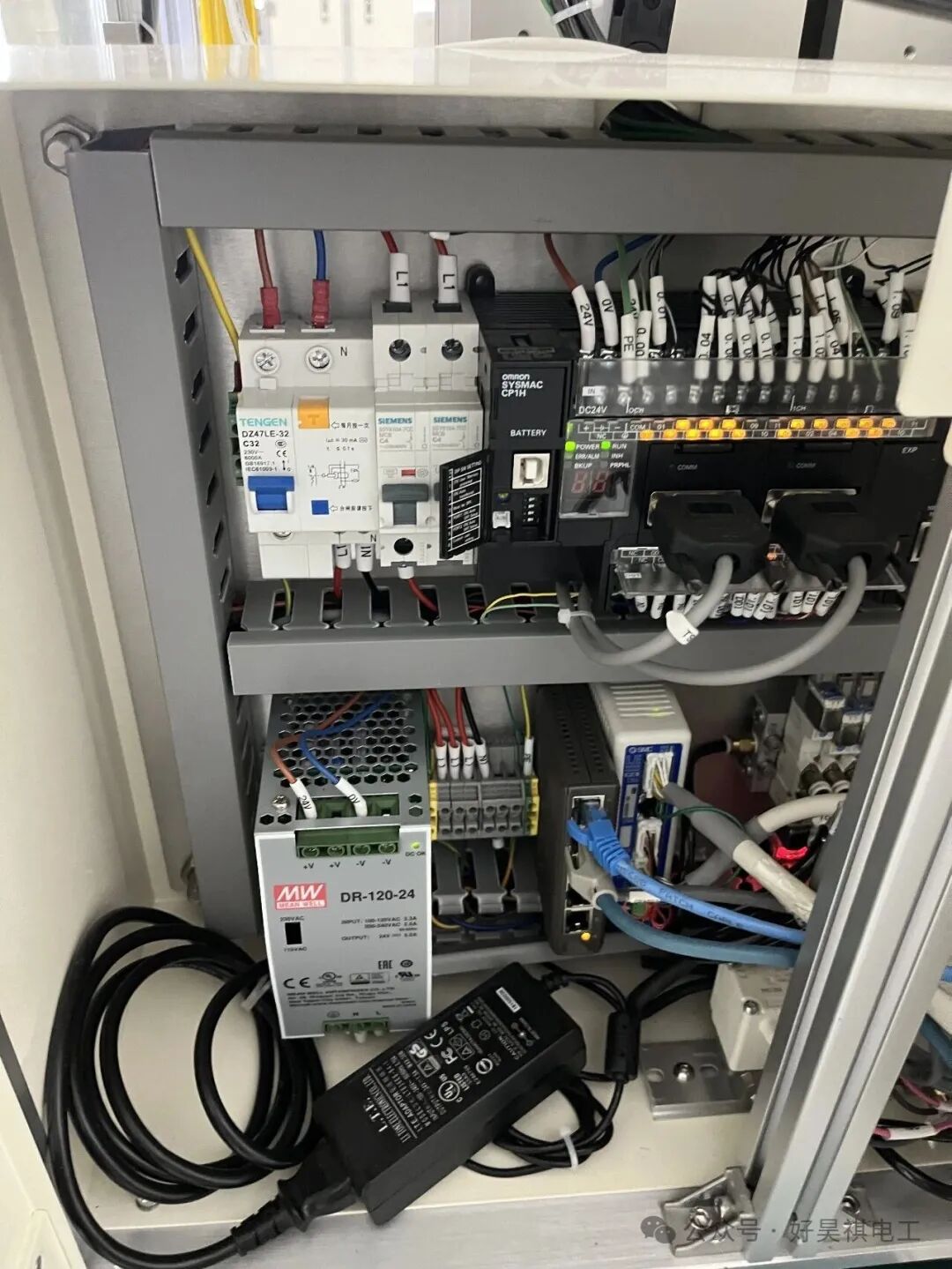
Do you know what true fear is?After a day of troubleshooting on-site, you go home, and the client says, “It seems there’s a problem again.”
When you return, everything is normal with the PLC, and the client looks at you as if to say, “Did you mess up that day?” You know better than anyone:It’s not my fault; this site simply doesn’t deserve logic..
Even more absurd is that sometimes just changing a wire fixes everything.
You ask me why? I don’t know.
You go to the forum and ask a ten-year veteran engineer, and he bluntly replies, “Try replacing the signal wire with a shielded twisted pair and grounding it.” You change it, and it works. You ask why, and he says, “I don’t know, but every time I do this, it works.”
This is the essence of PLC on-site work—all engineering experience ultimately leads to “metaphysicalism.”.
04
The most dreaded phrase is when the client says, “Is your program unstable?”
Once this is said, it doesn’t matter how exquisitely you’ve written the program. A hundred pages of logic, neat comments, and clear structure become meaningless.
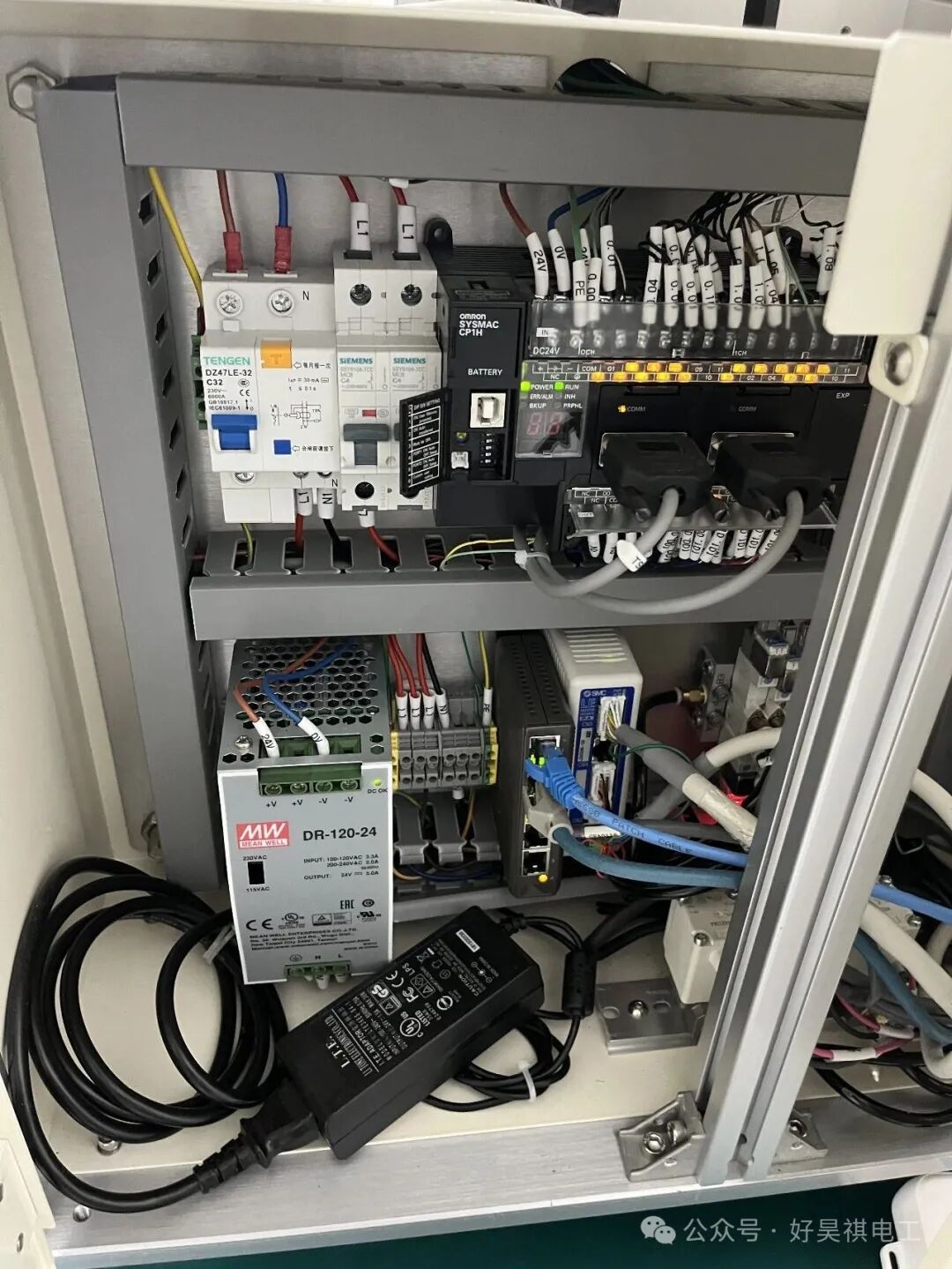
The client wants results, not your explanations.
But whether you explain or not, you’re wrong:
If you explain too much, they think you’re shifting blame;
If you don’t explain, they think you’re guilty.
The true “top PLC professionals” understand one truth:When issues arise on-site, don’t check the program first; check the environment first.
You need to act like an experienced traditional Chinese medicine doctor, walking the site, inspecting wiring, feeling module temperatures, listening to relay sounds, and smelling for burnt odors in the distribution box…
PLC is not tuned; it is gradually “stewed” out..