Elbow, dance with me
A century ago, in response to the influx of foreign books and texts, the Enlightenment thinker and translator Yan Fu proposed a profound standard for Chinese translation known as the “Three Difficulties of Translation” in his work “Tian Yan Lun: Translation Examples”: “Faithfulness, Expressiveness, Elegance. To seek faithfulness is already a great difficulty! However, if it is faithful but not expressive, then even if it is translated, it is still not translated; thus, expressiveness is even more important.”
One hundred years later, with the development of the times and various discussions, whether it is “Faithfulness, Expressiveness, Elegance” or “Faithfulness, Expressiveness, and Accuracy” are principles for translators to consider. But regardless, the essence of translation hidden in the “Three Difficulties of Translation” remains unchanged—on the basis of loyalty to the original text, it pursues the acceptance effect of the translation on the reader’s side.
In the gaming industry, it is the same.
The translation of game text, regardless of the principles used as a basis, must ensure fidelity to the original text and effectively convey the original meaning of the game to players—if it can be embellished a bit more, that would be even better.
However, today’s game localization sometimes throws a big wrench into things. Recently, the Chinese localization of “Hollow Knight: Silksong” caused quite a stir, with the classic phrase “and the eight-play sweet molten slag” even becoming a case study in poor game localization. Many people might never have thought that playing a game with Chinese localization would require finding a Chinese-to-Chinese patch.
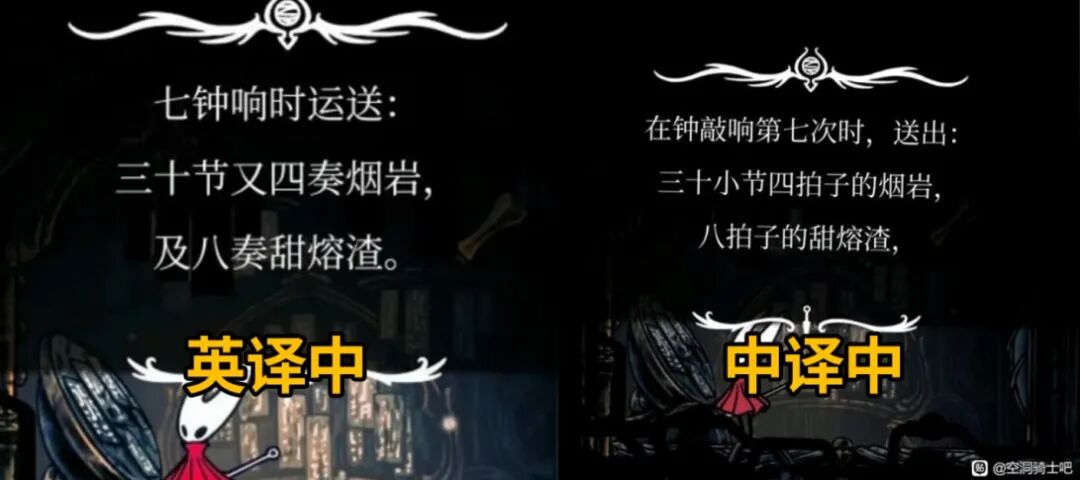
This poor localization not only brought a terrible gaming experience to domestic players but also resulted in countless negative reviews on Steam, significantly impacting the game’s reputation. Fortunately, the production team listened to the feedback and quickly issued an announcement promising to improve the Simplified Chinese translation, which somewhat calmed the fans’ anger.
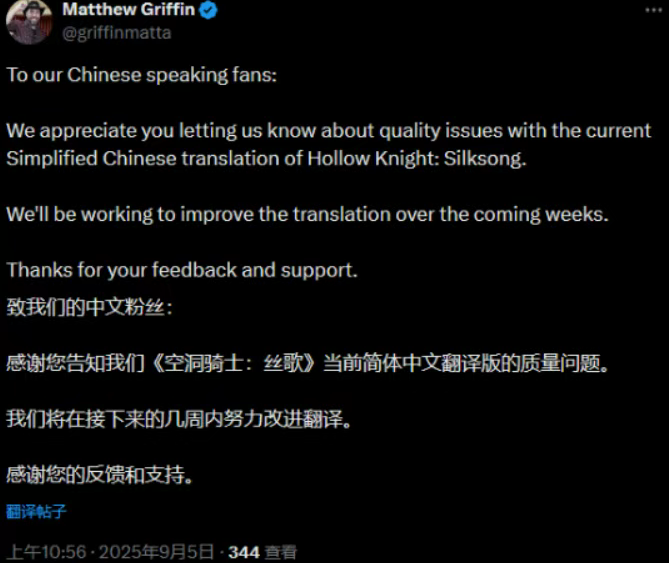
Similar incidents are not uncommon; issues with game localization are frequently seen, and “Hollow Knight: Silksong” is just the most recent example. Regardless of whether the problems exposed in those incidents are resolved, they inevitably create a rift between players and game development teams, causing the game itself to suffer unwarranted misfortune.
This is what overseas games fear most when entering the domestic market—not gameplay issues or problems with the creators, but rather a hiccup in the “localization” process, the last mile.
The aforementioned localization issues are just one aspect of localization; they involve the respect of the production team for the Chinese player community and the game’s own reputation. Even if the game itself is abstract and the localization relies entirely on AI, as long as the attitude is right, it will inevitably win genuine acclaim.
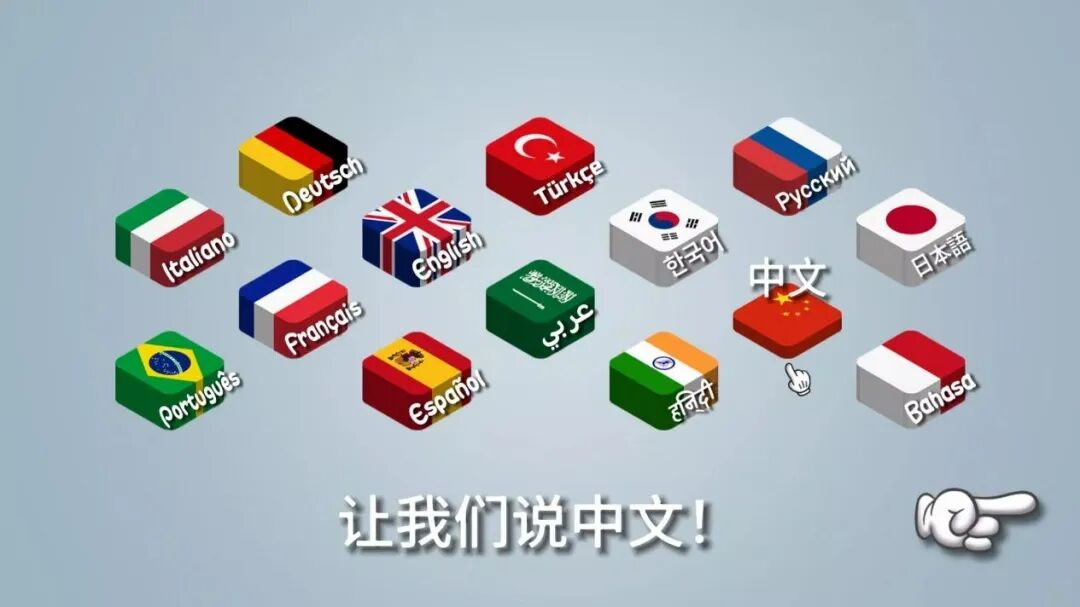
In fact, localization encompasses more than just Chinese translation. For PvP games, operational models, anti-cheat commitments, stable server guarantees, and a proactive player community with ongoing localization content updates all require a dedicated team to prioritize and carefully consider.
Recently, a PvP treasure-hunting game called “No Man’s Sky” has caught our attention—its localization operation has largely taken into account the differences between domestic and foreign gaming communities and tailored excellent operational strategies for Chinese players.
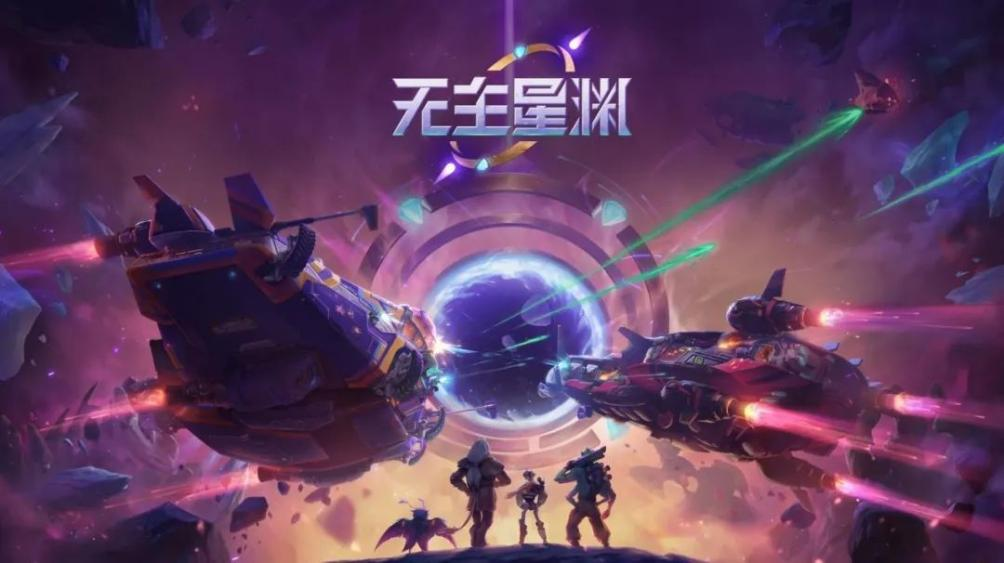
For overseas players, the long-established console market has cultivated a buyout consumption habit; they first purchase the game, pay for a ticket, and then decide whether to continue the long-term experience. In contrast, domestic players have developed a gaming model of free-to-play experiences, paying for season passes and tickets, where they first experience whether the game is fun before deciding whether to pay.
This means that even the same game can perform completely differently due to the different gaming habits of overseas and domestic players. Such performance is even more pronounced in competitive games that require a large player base to support strong interactions.
“No Man’s Sky” is such a game; its overseas market response has been mediocre—selling only 130,000 copies with an 85% positive rating on Steam—well-received but not commercially successful.
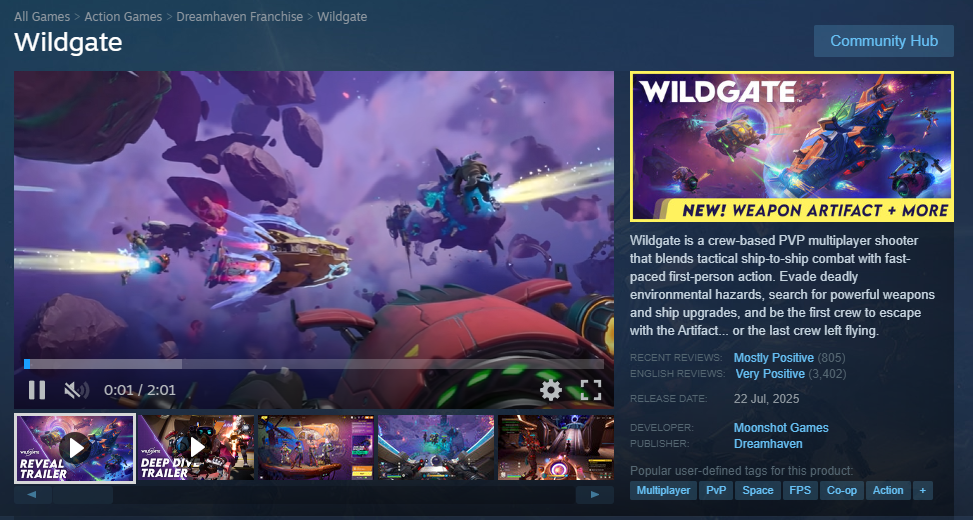
From the perspective of game quality, “No Man’s Sky” should not be like this. It is worth noting that the game’s producer is Mike Morhaime, co-founder of Blizzard, the legendary CEO who created the era of “Blizzard quality is guaranteed.” Just this title alone is enough to attract a group of Blizzard veterans to try the new game.

Moreover, the gameplay of “No Man’s Sky” is quite solid. Players need to gather crew members to form a team, search for various items in the starry sea to arm themselves, and then engage in the final showdown with other teams. The victory goal of the game is either to successfully evacuate with the artifact or to annihilate the other teams.
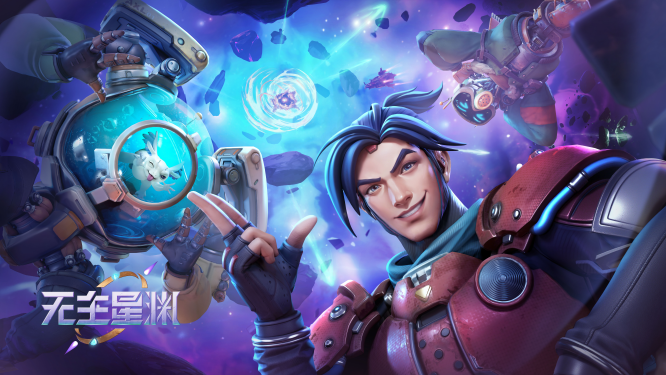
Excellent shooting mechanics combined with diverse hero designs make the combat process in “No Man’s Sky” exceptionally enjoyable—and this enjoyment is also refreshing. Every compact interactive content and every entry into randomly generated star domains can provide players with pure pleasure, allowing them to gain infinite fun in the thrilling battles and well-paced rhythm. This foundational framework gives “No Man’s Sky” a coherent and solid game structure.
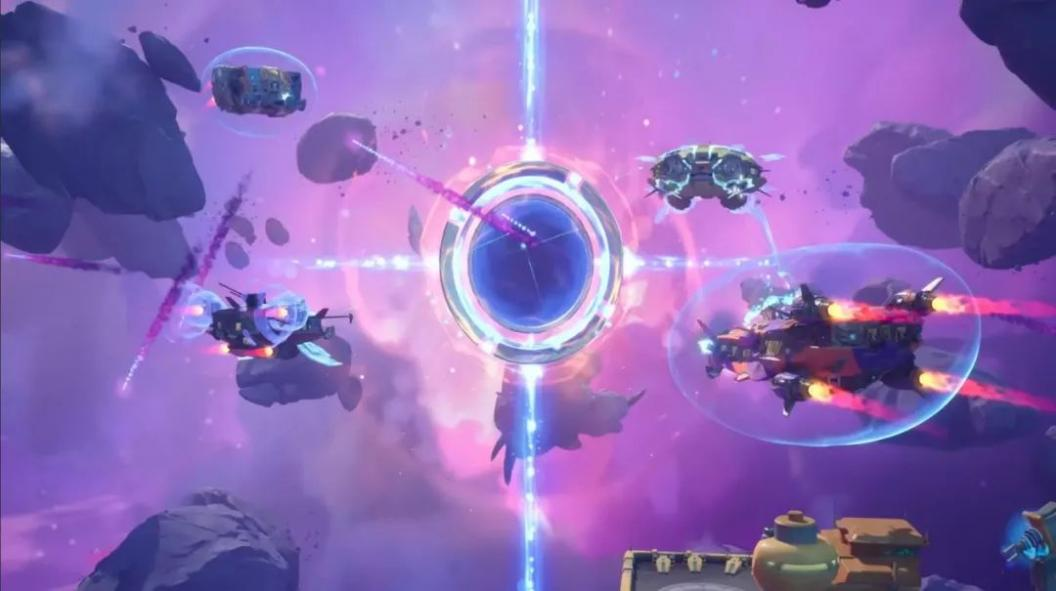
Based on this gameplay structure, players first need to reasonably divide roles within the team to achieve 1+1+1+1>4 in multiplayer cooperation. Of course, a more chaotic 1+1+1+1<4 is also possible—if the entire spaceship is a mess, and teammates are shouting and shooting inside the ship, but no one is repairing it, it can be quite amusing. Then, players must navigate between enemy and friendly ships, engaging in thrilling jump battles. You need to defend your own ship while actively attacking the enemy, and after each battle, regardless of whether the team members were familiar with each other before, they will become good comrades in arms.
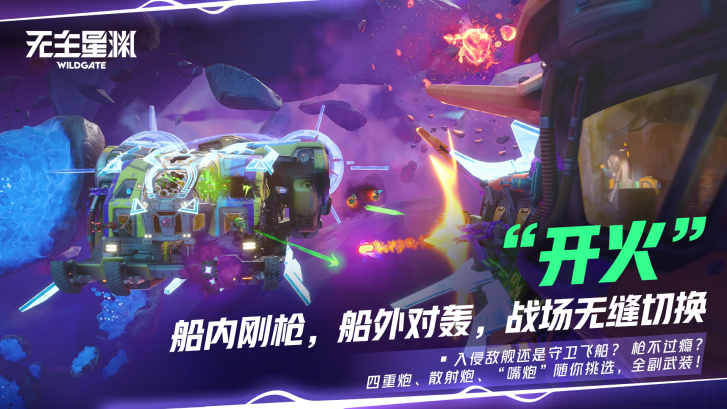
Thus, “No Man’s Sky” generates various gaming experiences through the collisions between team members and between teams—one can call it “search and fight” or “steal and fight.” Because the fun of “No Man’s Sky” is quite diverse, every player and every team can experience the joy brought by different gameplay.
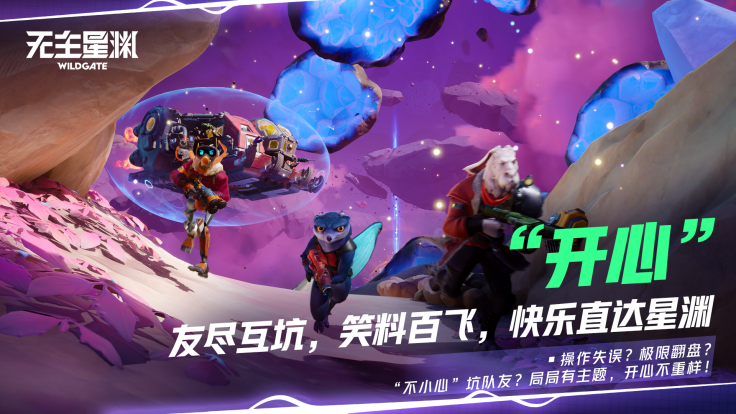
For example, you can lead your team to annihilate all enemies; you can also quietly lie in wait, quickly grab the artifact when the evacuation point opens, and escape; or after obtaining the artifact, broadcast it across the map to welcome the dark forest strike, ambushing those teams that come from afar to snatch the artifact… In short, the rich and diverse strategic choices and the sparks of multiplayer cooperation give “No Man’s Sky” a high level of playability and social interaction—but if you intentionally sabotage your good friends, don’t blame the game for the consequences.
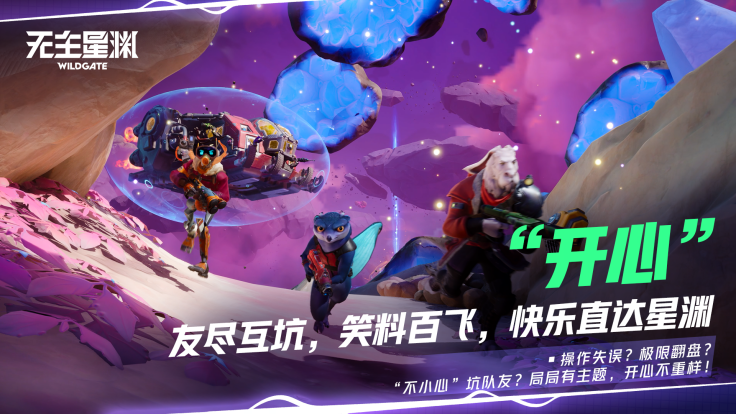
However, the current reality is that “No Man’s Sky” has received a mediocre response overseas, being well-received but not commercially successful—the game is good, but it also needs to be seen by others. Therefore, the fundamental reason affecting “No Man’s Sky”‘s success lies not in the quality of the game but in its operation.
From the core gameplay of “No Man’s Sky” mentioned above, it is evident that it is a highly interactive PvPvE game with strong cooperative elements. This means it requires a large player community to support the most basic gaming experience; if the player base is not large enough, its core combat fun will naturally be lost. Its operational core should be to attract more players.
As we all know, the increasingly robust Chinese gaming market has one of the largest player communities, but the problem is that “No Man’s Sky” requires a ticket, and the original price on Steam’s foreign servers is as high as $29.99, equivalent to over 200 RMB, which makes it difficult to attract many players to purchase actively even if it enters the Chinese market.

This brings us back to the initial question—how does the domestic agent of “No Man’s Sky” conduct excellent localization operations?
In fact, the principles of agency are quite similar to the essence of translation behind “Faithfulness, Expressiveness, Elegance”: both pursue the acceptance effect of the localized version on the player’s side while remaining loyal to the original game.
Thus, we can see that the most significant manifestation of localization is reflected in the price. Since a buyout game cannot directly transform into a model more familiar and acceptable to domestic players, such as “free game + paid pass,” the game price should be lowered as much as possible.
The ticket to enter the game has been lowered to an unprecedented level. NetEase not only secured the lowest price globally but also arranged for a “group buy” option, where if purchased in bundles, the price can drop to as low as 59 RMB per copy.
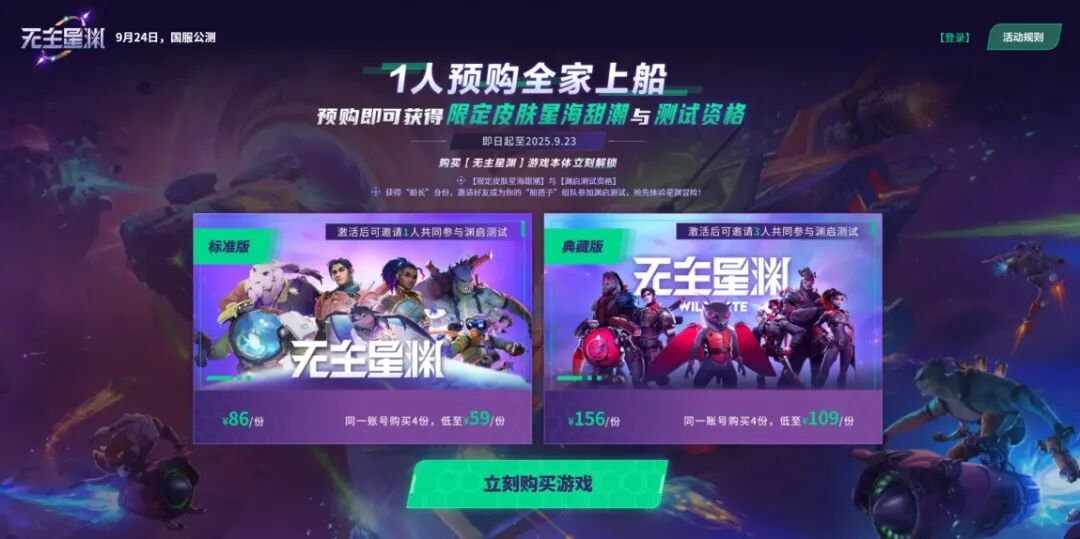
Moreover, during the pre-launch testing phase, players who purchased the standard version could bring a friend aboard, while those who bought the collector’s edition could have their entire four-member team online, clearly arranging the four-member team in the game, effectively solving the problem of players struggling to find teammates, which is also a form of localization design targeting domestic players’ social patterns.
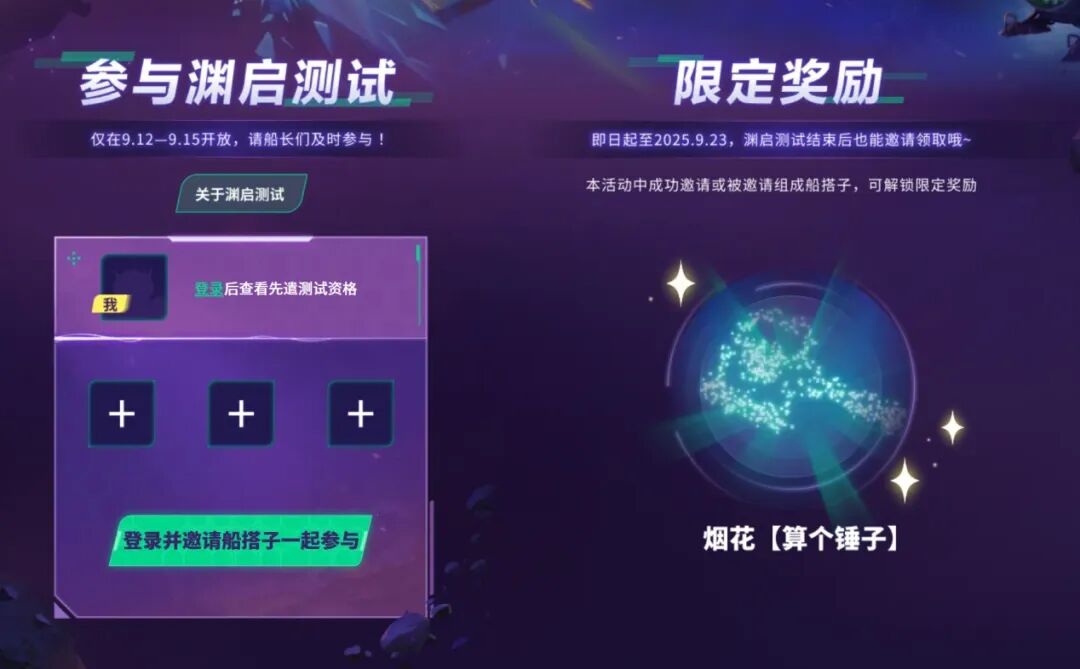
In addition, the Chinese server of “No Man’s Sky” has incorporated a wealth of limited content into its events, adding various localized features. For instance, the Chinese nameplate and custom spray paint in the pre-order rewards, as well as the trending “group buy” meme. This has infused the game with elements familiar to Chinese players, uniquely presenting it to a wide audience.
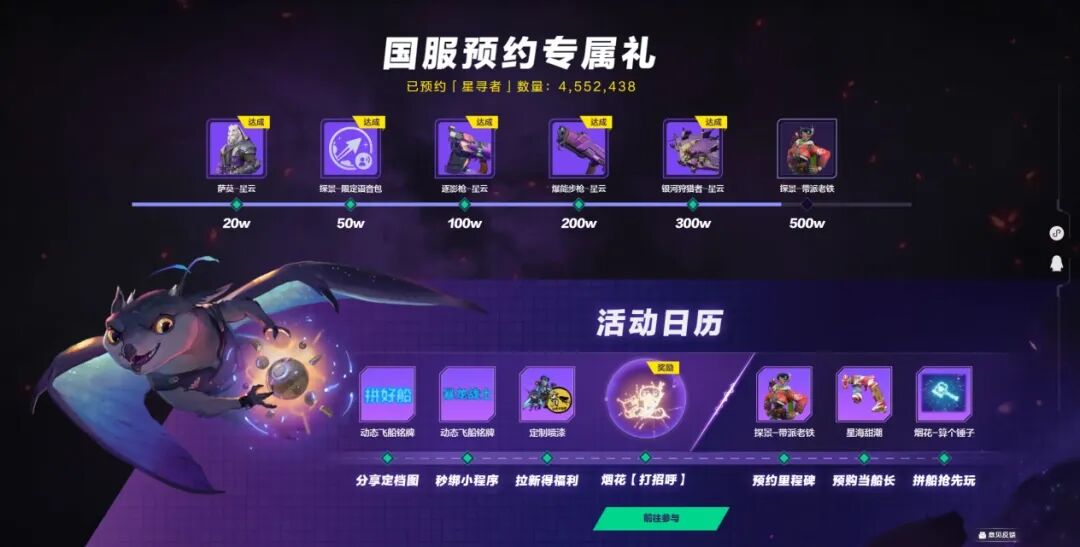
Furthermore, regarding the core gameplay of “steal and fight,” the domestic operation has created a “Steal Home Festival,” leveraging the current popularity of group broadcasts, allowing everyone to watch a group of streamers frantically defending, repairing, and escaping on the spaceship, ultimately leading to hilarious betrayals among friends, which not only maximizes the entertainment value but also allows more players to appreciate the exquisite gameplay hidden within the chaos of “No Man’s Sky.”

Of course, just watching streamers play will definitely make players eager to jump in, and players can also participate in offline events, experiencing the game itself while engaging in the social aspects brought by “No Man’s Sky.” For example, interacting and checking in at the flash theme events at Alien stores or trying out the game offline at over 10 JD MALLs nationwide, experiencing “No Man’s Sky” at no cost.

Moreover, the multiplayer social cooperation emphasized by “No Man’s Sky” has also penetrated the university dormitory, the main battlefield for online gaming, through collaborations with various university esports clubs to host events. This not only enhances the game’s visibility but also showcases the essence of “No Man’s Sky.” While good wine needs no bush, it is still important to promote it; the domestic operation’s combination of online and offline efforts has indeed showcased the fun of “No Man’s Sky” well.

However, it must be said that the current strongest ability of internet dissemination lies in abstraction—domestic operations are indeed more adept at playing this game, and they have figured out how to abstract it. After the Chinese server’s total pre-registration reached 5 million, the progress reward given by “No Man’s Sky” was actually a new skin for the robot “Dai Pai Lao Tie.” It makes sense, as “Dai Pai” is a robot, indeed a good buddy.

You can even pair it with the game’s dance move to let everyone on the spaceship know who is the coolest. It must be said that while we have seen many domestic exclusive skins in other games, this level of abstraction is truly unprecedented.
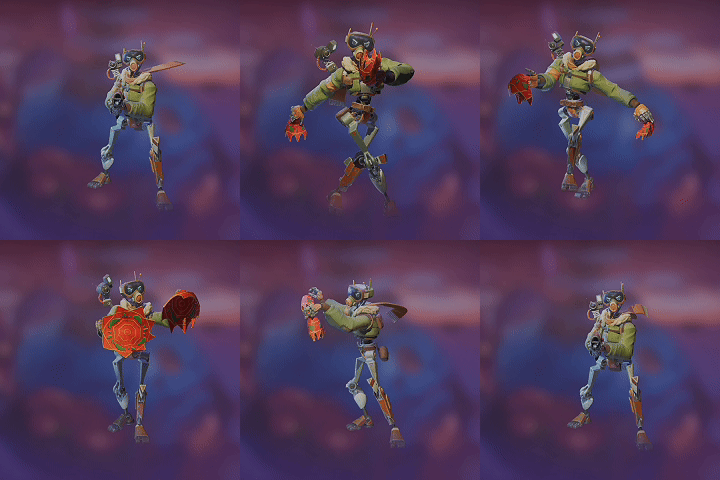
Of course, these seemingly abstract elements will be well-received by players—after all, “No Man’s Sky” is a game that combines competitiveness and fun, and the domestic operation’s approach indeed reflects various aspects of enjoyment in a localized form. From text localization to skin rewards, and various online and offline activities, all of these are the real needs of players and represent the biggest pain point for many overseas games entering the Chinese market.
In contrast, the prospects for “No Man’s Sky” on Steam and its developer Dreamheaven Studio are not optimistic. Although the game itself is of high quality, the marketing mindset of the old Blizzard generation has posed significant development obstacles for “No Man’s Sky.” This has led to a conflict between the highly interactive PvPvE model of “No Man’s Sky” and the high price of the buyout model, inevitably trapping it in a situation of being well-received but not commercially successful.
Fortunately, the overseas operation team will not participate in the domestic server operations—thanks to NetEase, there is no need to worry about localization issues causing problems like the “Silksong” localization fiasco.
The most crucial point is that the quality of “No Man’s Sky” is there, and under NetEase’s deep localization operations of “global lowest price,” “group buy bundles,” and “abstract cool skins,” the domestic market may very well become a strong support for Dreamheaven Studio and this former Blizzard co-founder.
As for “No Man’s Sky” itself, the “localization marketing” that has caused countless games to fail in the last mile seems to be far more than just a mile in NetEase’s hands—perhaps it can even be considered the starting line for the next lap.
