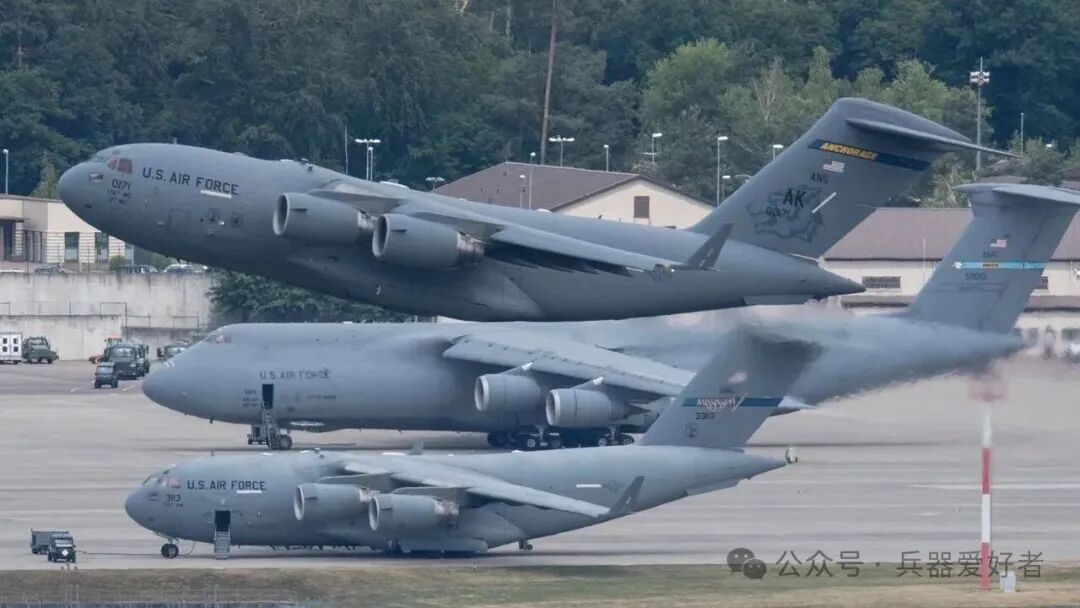
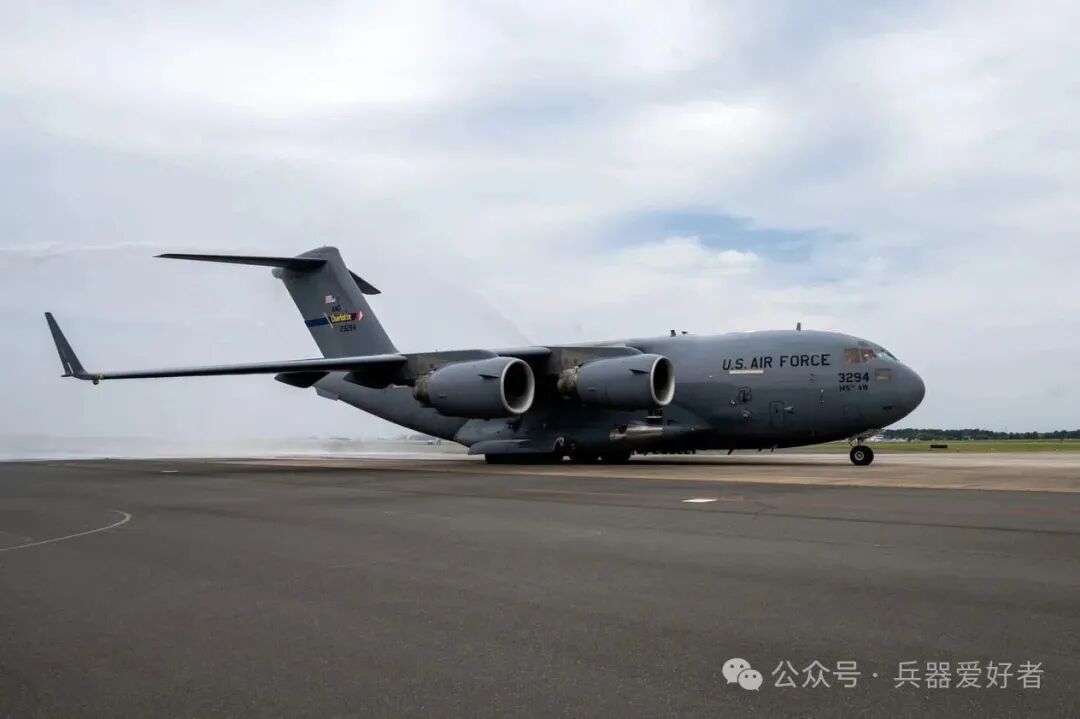
This new direction was proposed by General John Lamontagne, commander of the Air Mobility Command. During a roundtable discussion with defense media such as “War Zone” at the latest 2025 “Aerospace, Space, and Cyber” conference hosted by the Air Force and Space Association, he revealed that this project is a key future plan for the U.S. Air Force. Currently, the U.S. military operates 222 C-17 Globemaster III and 52 C-5 Galaxy transport aircraft, which were introduced in the 1990s and 1980s respectively, and both are no longer in production.
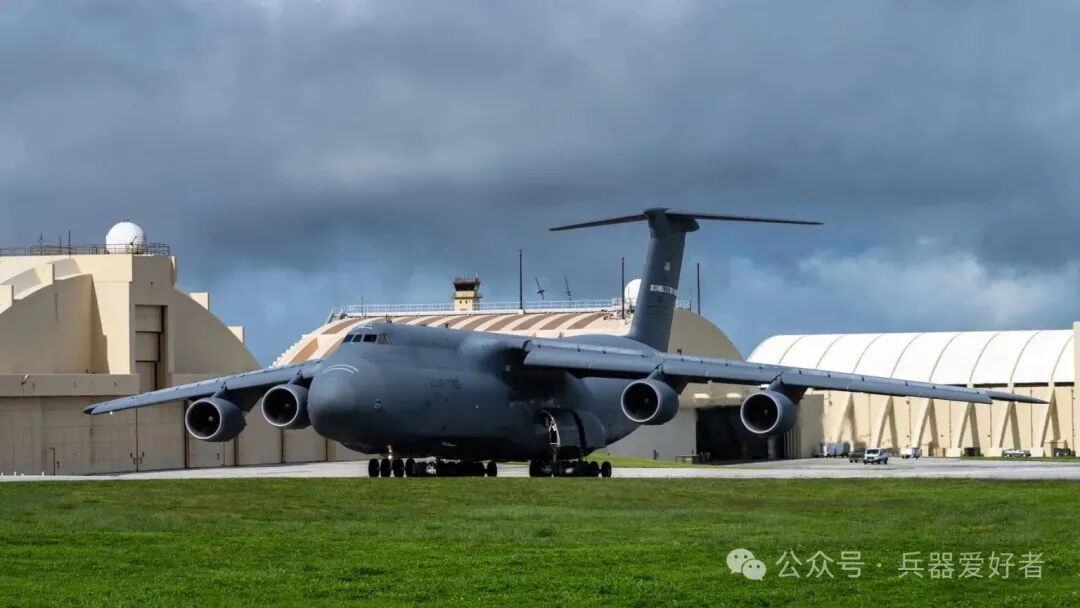
General Lamontagne stated regarding the project status: “We are essentially seeking a ‘two-for-one’ solution to replace both the C-17 and C-5… Considering the timeline, we are targeting the mid-2040s. The so-called ‘two-for-one’ means that we may only procure a single aircraft type. We will not separately develop replacement models for the C-5 and C-17; future strategic airlift will be unified under one aircraft.” He further explained that the military is conducting capability-based assessments to gain a deeper understanding of the performance metrics required for the new platform and its full lifecycle maintenance plan. As mentioned at the beginning, the core evaluation metrics for the new platform include combat capability in a dense enemy air defense environment, particularly against long-range missile systems being developed by other countries, including ground-based missile arrays and air-launched variants. Another key metric is ground refueling efficiency, which needs to be significantly accelerated compared to existing models to reduce runway stay time and thus lower the risk of being attacked; this principle also applies to cargo loading and unloading systems.
General Lamontagne elaborated: “Clearly, there are significant risks during ground residency. We do not want to spend three hours refueling; although the C-17 does not actually require three hours for refueling, if we can speed it up, three minutes is obviously better than thirty minutes… We have now clarified our action path, are continuously developing defense systems, and are expanding capabilities through extensive testing.” However, this concept of a unified platform has also raised questions: Is it feasible to integrate the functions of two replacement models into a single platform? This question is crucial because the C-5 and C-17 differ in payload capacity, size specifications, mission profiles, and base logistics requirements. In response, the U.S. Air Force acknowledged that its “Next Generation Airlift Platform” (NGAL) may include multiple design configurations, but also expressed concerns about the development costs of derivative models, especially in light of the need to prioritize modernization projects for nuclear deterrent forces.
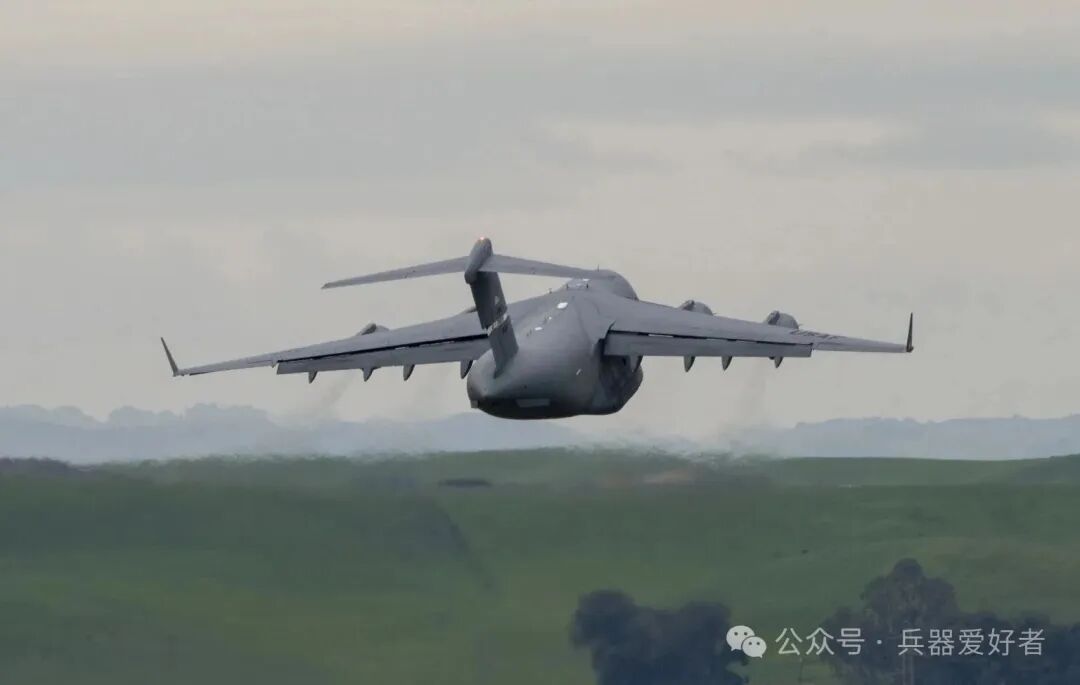
It should be noted that the U.S. Air Force has previously explored new concepts that incorporate stealth features and even vertical takeoff and landing capabilities in the large aircraft domain, particularly with the “Next Generation Air Refueling System” (NGAS), which faced high-cost challenges and even led to recommendations to terminate the project. According to the aforementioned media reports, the Air Force is currently promoting its development through independent programs, and the lessons learned may be applied to the development of the new NGAL platform.