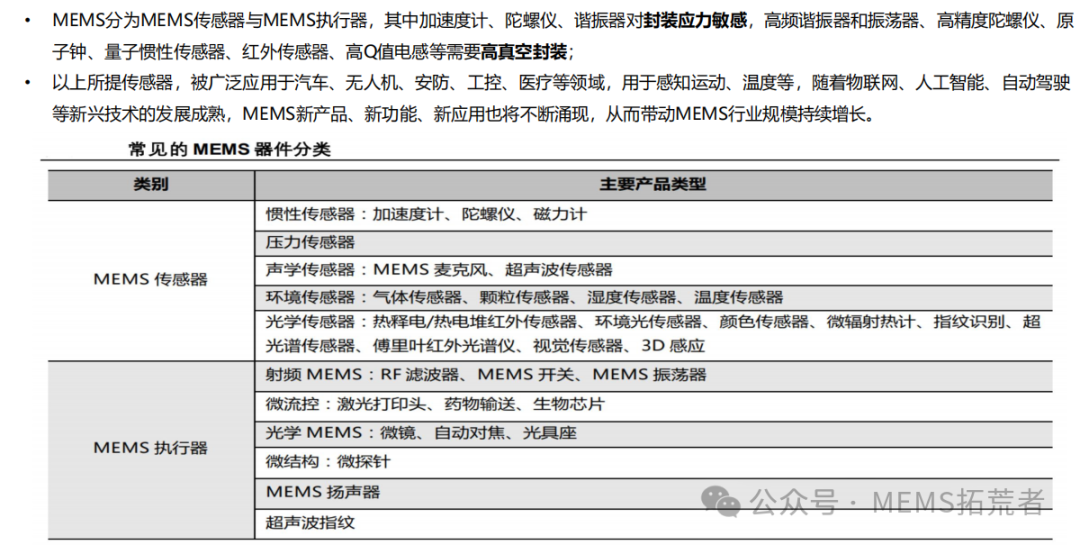
MEMS can be divided into MEMS sensors and MEMS actuators, with MEMS flexible sensors being an important component of MEMS sensors.
Driven by the wave of the Internet of Things and smart wearables, flexible sensors are quietly reshaping the boundaries of human-computer interaction, health monitoring, and smart living as the core link connecting the physical and digital worlds. In this technological revolution, China’s flexible sensor Contract Development and Manufacturing Organizations (CDMO) are becoming a key force in promoting technology implementation and large-scale application with their unique industrial role.
1. Core Technology: Mainstream Manufacturing Processes and Innovative Paths
Domestic flexible sensor CDMO companies adopt diverse and rapidly iterating technological routes, mainly covering the following mainstream processes:
-
Printed Electronics Technology utilizes technologies such as screen printing and inkjet printing to directly print conductive inks (such as nano-silver wires, graphene, conductive polymers) onto flexible substrates (PI, PET, paper, etc.). This technology is cost-effective and suitable for large-scale production, making it the mainstream solution for mid-to-low-end flexible sensors (such as pressure and temperature sensors).
-
Micro-Nano Processing and MEMS Technology draws on traditional semiconductor processes to manufacture micro/nano-level flexible structures through photolithography, etching, and thin-film deposition. This technology has high precision and stable performance, mainly used for high-end medical sensors and optical sensors, but is relatively expensive.
-
Flexible Hybrid Electronics (FHE) combines rigid IC chips with flexible circuits in a hybrid solution, achieving bendable characteristics while maintaining functional integration, making it the preferred technological path for current wearable device sensors.
-
New Material Innovations The application of new materials such as graphene, liquid metals, and carbon nanotubes significantly enhances the sensitivity, stretchability, and environmental adaptability of sensors. Domestic CDMO companies are deeply collaborating with material manufacturers to promote the transition of new materials from the laboratory to mass production.
2. Market Scale: Explosive Growth and Deepening Industrial Chain Division
According to data from CCID Consulting, the market size of China’s flexible sensors has exceeded 8 billion yuan in 2023, with an average annual compound growth rate of over 30%. The penetration rate of the CDMO model in this field is increasing year by year due to:
-
Lower R&D Barriers: Small and medium-sized technology companies can quickly achieve product iteration through CDMO without building their own production lines;
-
Economies of Scale: Centralized procurement and production by CDMOs can reduce manufacturing costs by more than 30%;
-
Policy Support: The national “14th Five-Year Plan” for the smart sensor industry clearly supports innovation in the OEM model.
It is expected that by 2027, the market size of China’s flexible sensor CDMO services will exceed 5 billion yuan, becoming an indispensable part of the sensor industry ecosystem.
3. Application Scenarios: From Consumer Electronics to Trillion-Level Vertical Markets
-
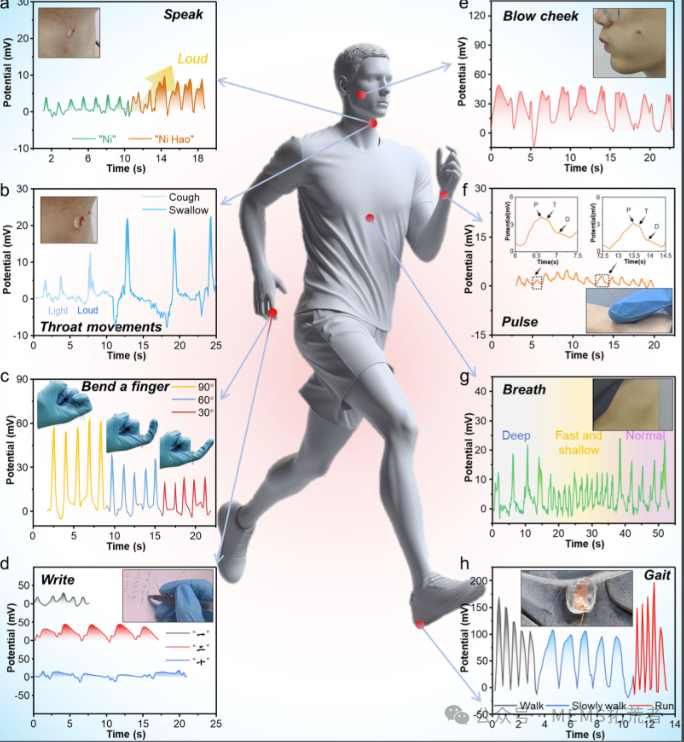
Medical Health Continuous blood pressure monitoring patches, smart bandages, and ECG sensing clothing have entered the clinical validation stage. CDMO companies help clients accelerate product launch through medical qualification certifications (such as ISO 13485).

-
Consumer Electronics The demand for stress detection in foldable smartphone hinges, touch controls for TWS earbuds, and heart rate monitoring in smartwatches has exploded, becoming the main source of CDMO orders.
-
Industrial Internet of Things Flexible strain sensors are used for structural health monitoring of bridges and pressure detection in pipelines, requiring high reliability and long lifespan, with high technical barriers.
-
Robotics and Artificial Intelligence Electronic skin technology endows robots with tactile perception capabilities, making it one of the core aspects of future humanoid robot implementation.
4. Technical Barriers: Building the Moat for CDMO Enterprises
-
Process-Material Synergy Capability The compatibility and long-term stability of different materials (such as graphene and polymer substrates) require a large accumulation of experimental data.
-
Heterogeneous Integration Challenges When integrating sensors, circuits, power supplies, and communication modules onto flexible substrates, issues such as stress matching and signal interference must be addressed.
-
Testing and Standardization Flexible products need to undergo tens of thousands of bending tests, environmental aging tests, etc., and testing methods and standards have not yet been fully unified.
-
Interdisciplinary Talent Gap Involving materials science, electronic engineering, biomedical fields, etc., composite teams are scarce.
5. Future Trends: Intelligence, Integration, and Ecology
-
“Sensor +” Intelligent Upgrades Smart sensors with built-in edge computing chips will become a trend, and CDMO companies need to extend upstream to the design phase.
-
Deep Integration with AIoT Platforms Sensor data will be directly connected to cloud platforms, and CDMOs need to provide full-stack solutions from hardware to data algorithms.
-
Green Manufacturing and Sustainable Development Biodegradable flexible substrates (such as cellulose materials) and low-energy manufacturing processes will be the focus of next-generation technological competition.
-
Ecological Alliance Competition Leading CDMO companies are forming industrial alliances with chip manufacturers, algorithm companies, and end brands to build a closed-loop ecosystem.
Conclusion
In the global competition of the flexible sensor industry, Chinese CDMO companies are transforming from “OEM” to “co-innovation” roles, leveraging manufacturing efficiency, rapid response, and industrial chain collaboration advantages. In the future, as technological redundancy gradually disappears, true competition will focus on cross-technology integration capabilities and scene definition capabilities. CDMO companies that can deeply understand the pain points of vertical industries and provide customized technical solutions will become the core engine driving China’s flexible sensing revolution.