On the grand stage of modern industrial production, various automation devices resemble precision instruments, collectively playing a symphony of efficiency, accuracy, and safety. Core devices such as PLCs, sensors, encoders, inverters, and relays not only perform unique roles but also collaborate closely to ensure the smooth operation of the entire production process. Next, let us delve into the mysteries and charms behind these key devices through a series of vivid practical cases.First: Physical Wiring of PLC and Temperature Sensor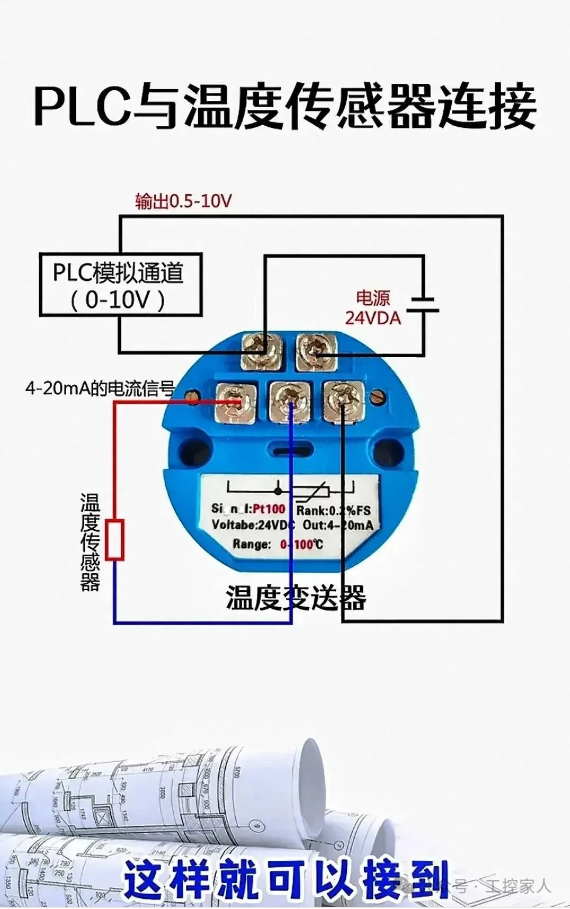 Second: Understanding the Basic Parameters of Encoders
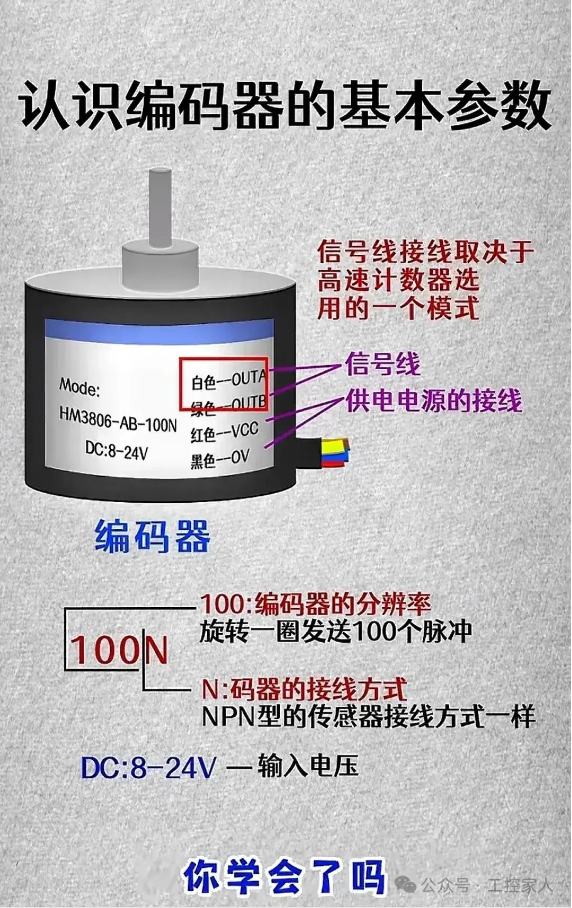 Third: Meaning of Terminal Letter Symbols on Inverter Control
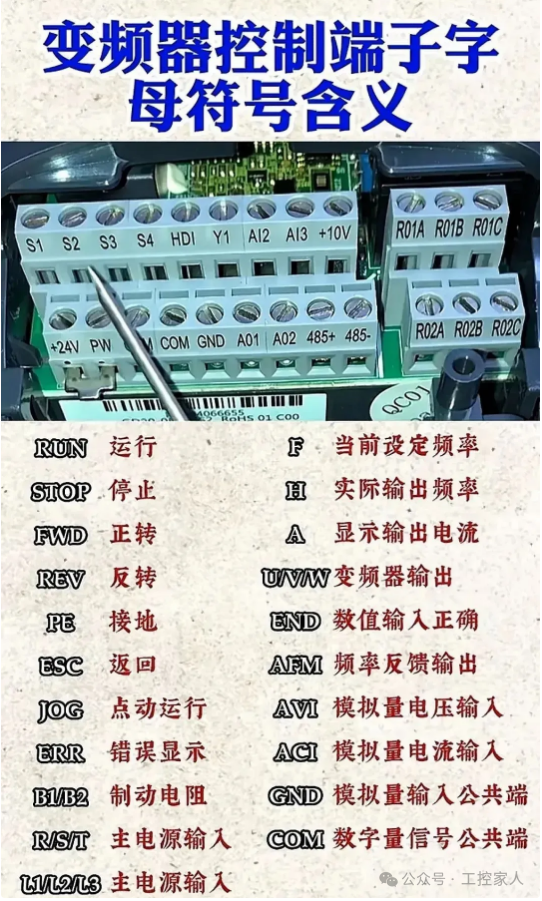 Fourth: Wiring of PLC and Servo Drive
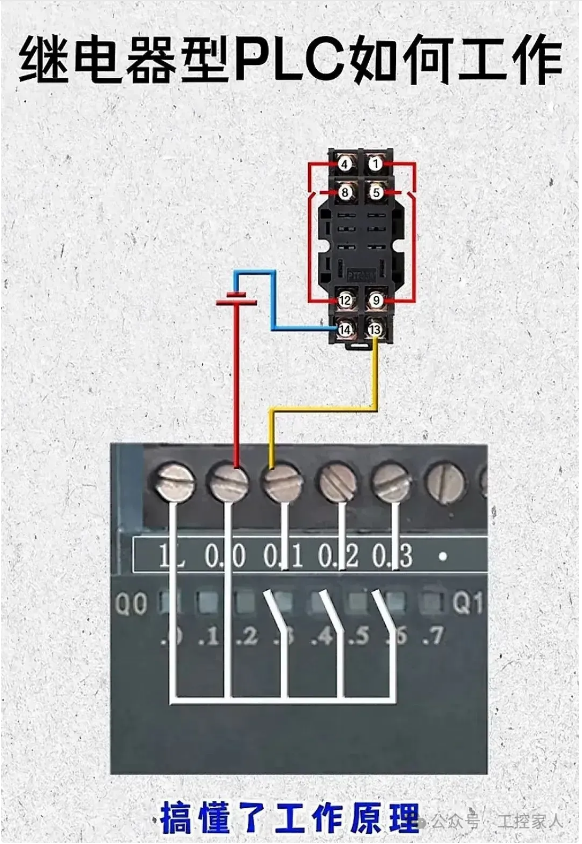
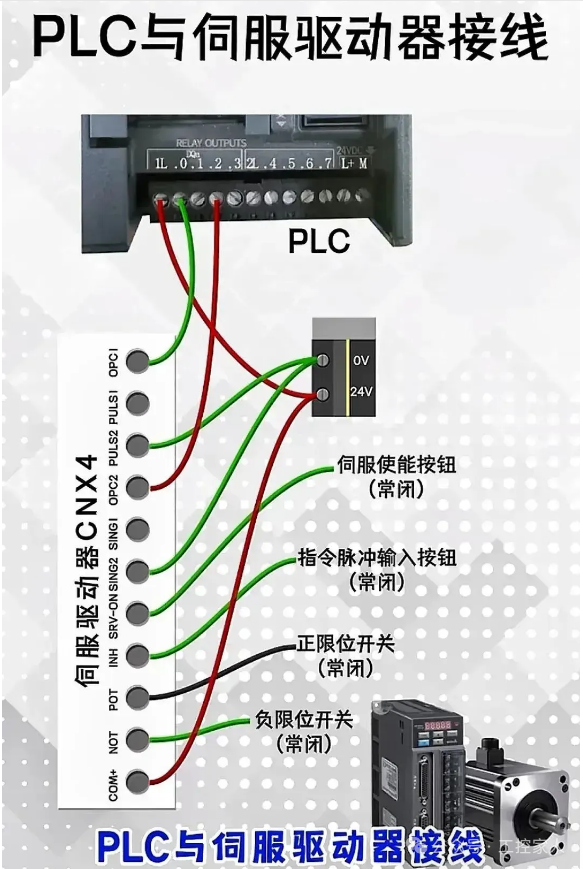 Fifth: Wiring Diagram of Relay Type PLC Operation
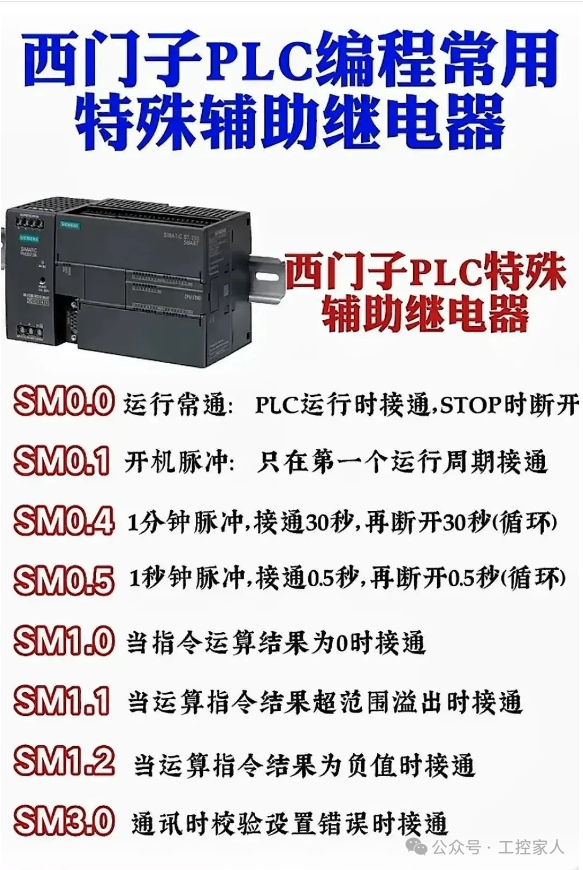
 Sixth: Common Special Auxiliary Relays in Siemens PLC Programming
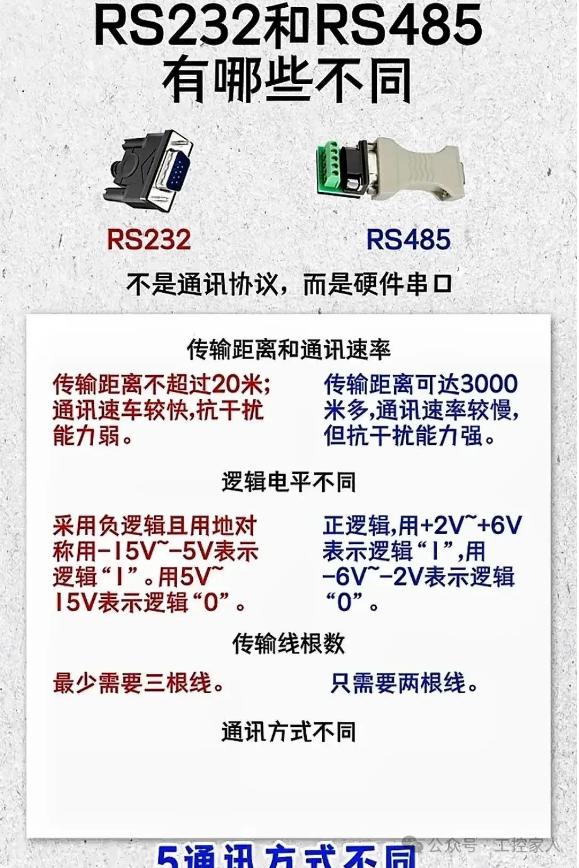
 Seventh: Differences Between RS232 and RS485
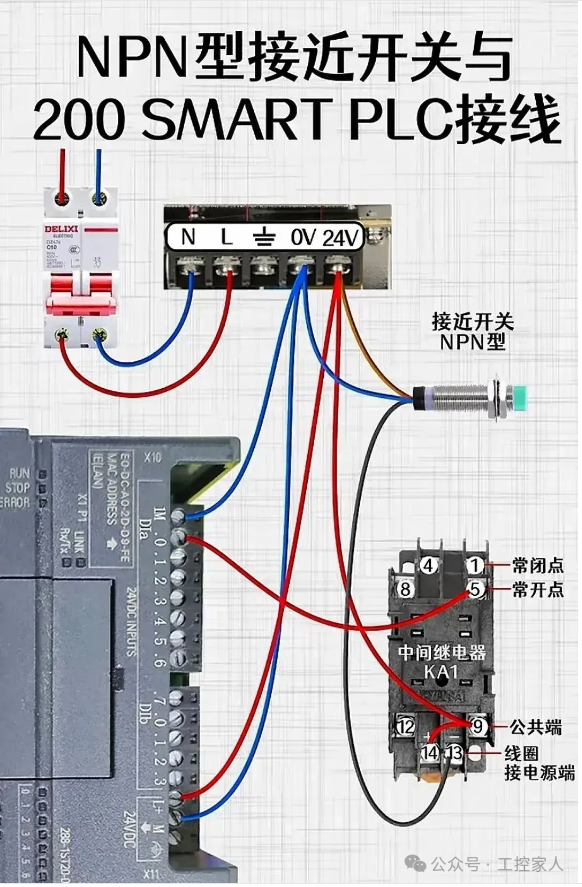
 Eighth: Wiring of NPN Proximity Switch and 200SMART PLV
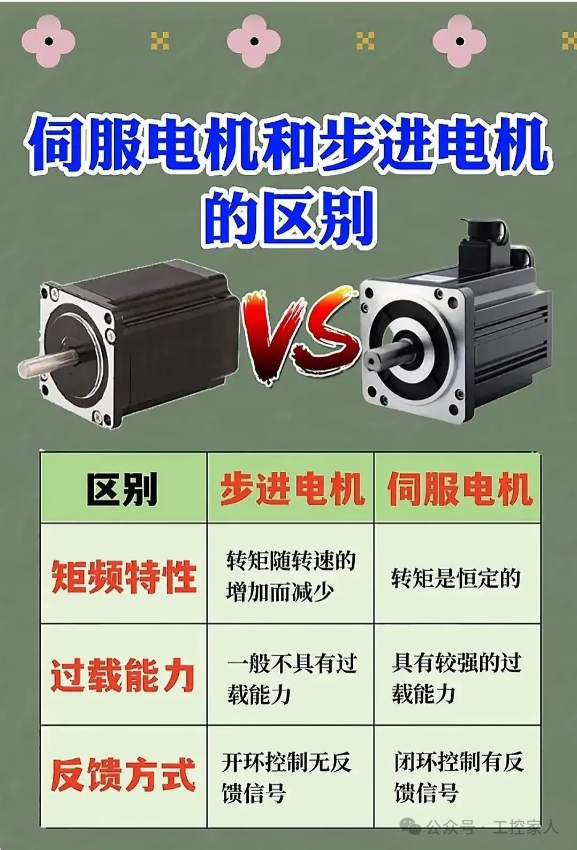
 Ninth: Differences Between Servo Motors and Stepper Motors
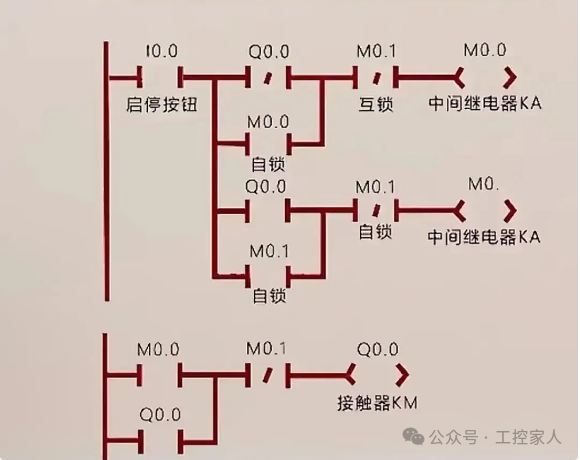
 Tenth: One-Button Start-Stop Circuit Diagram and PLC Program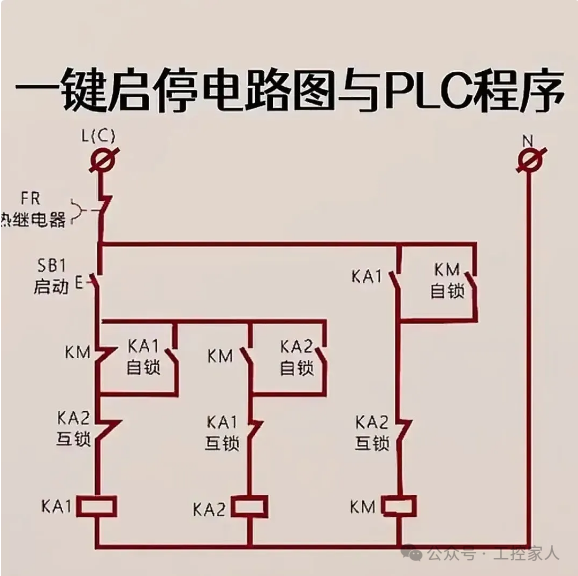
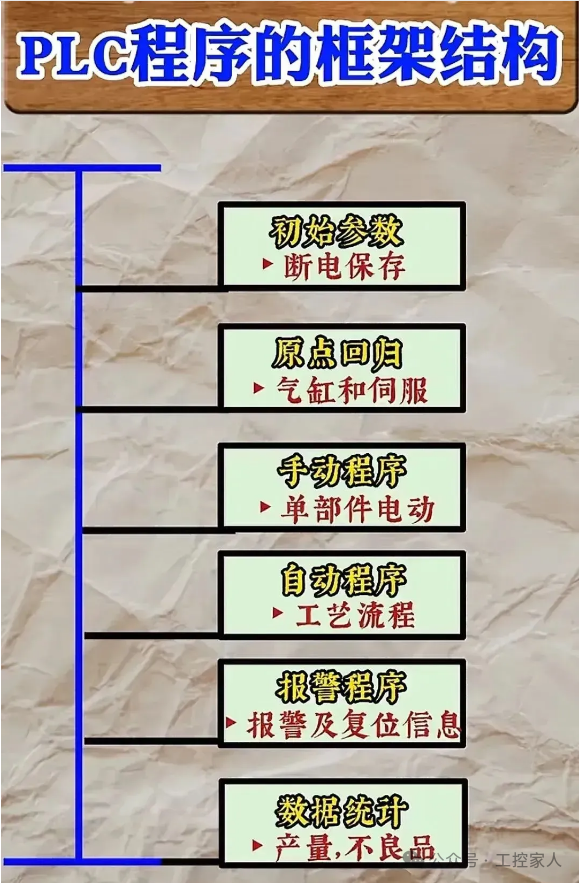
 Eleventh: Framework Structure of PLC Programs
 Twelfth: What is a PLC Pulse Signal
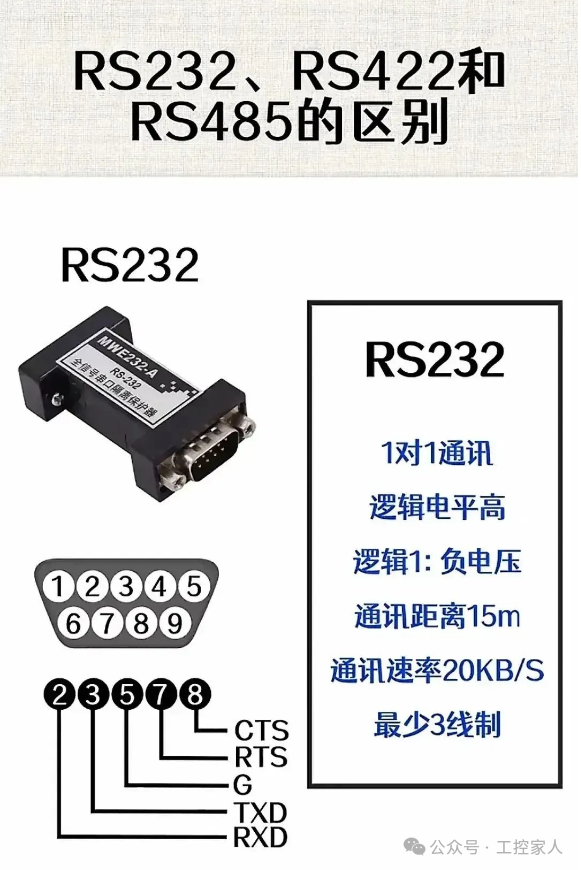
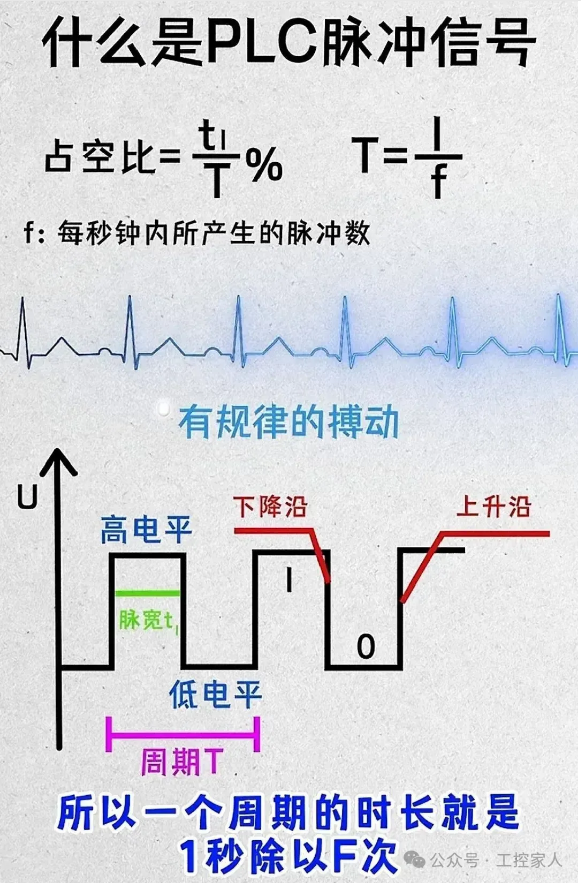 Thirteenth: Differences Between RS232, RS422, and RS485
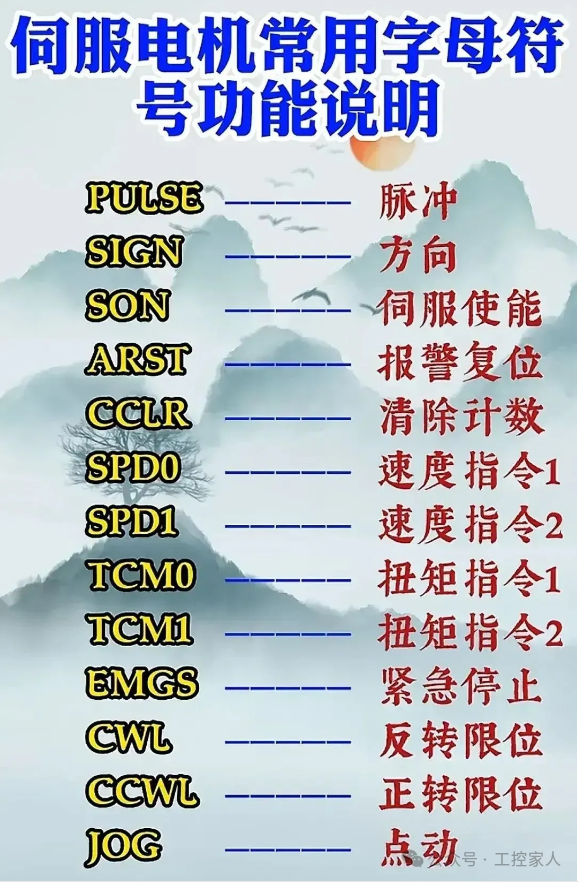
 Fourteenth: Function Description of Common Letter Symbols for Servo Motors
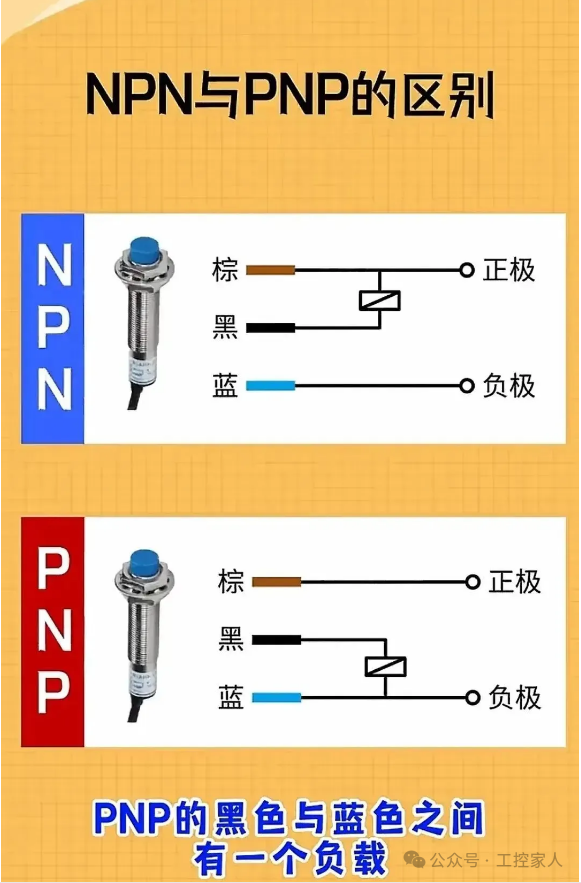
 Fifteenth: Differences Between NPN and PNP
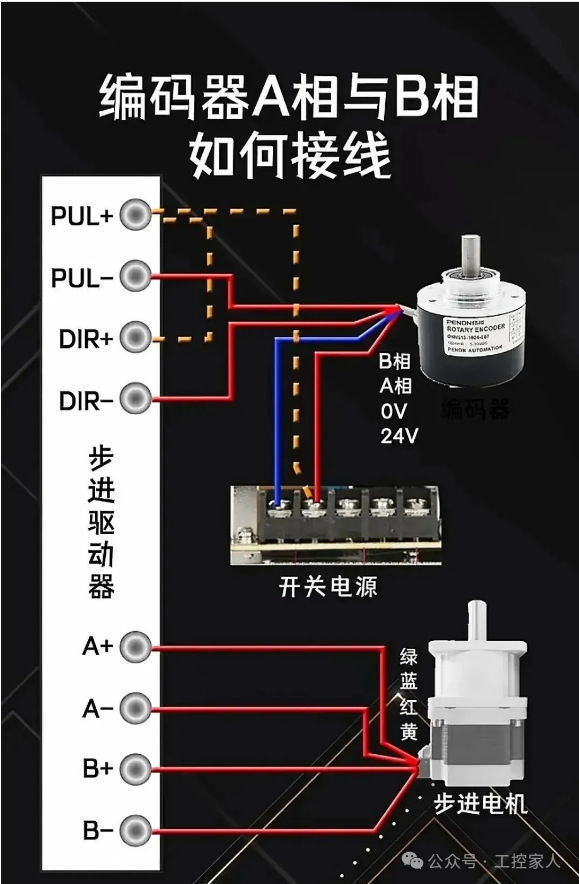
 Sixteenth: How to Wire Encoder A Phase and B Phase
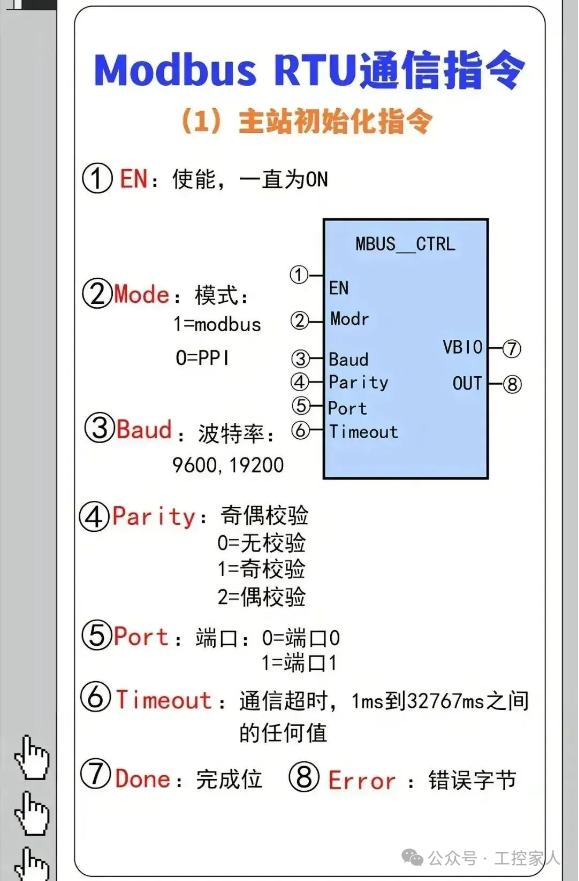
 Seventeenth: Modbus RTU Communication Commands
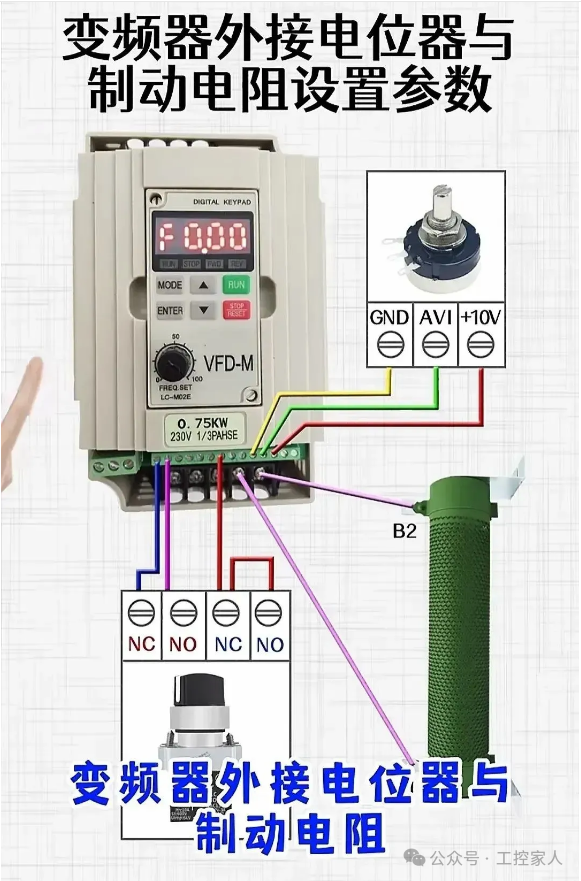
 Eighteenth: External Potentiometer and Braking Resistor Parameter Settings for Inverters
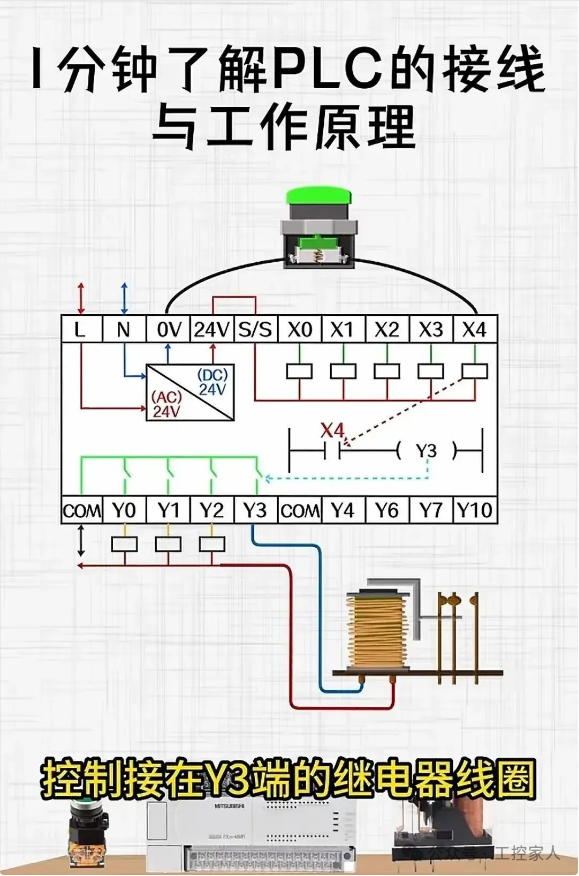
 Nineteenth: Understand PLC Wiring and Working Principles in 1 Minute
 Twentieth: Reading Surface-Mounted Resistors
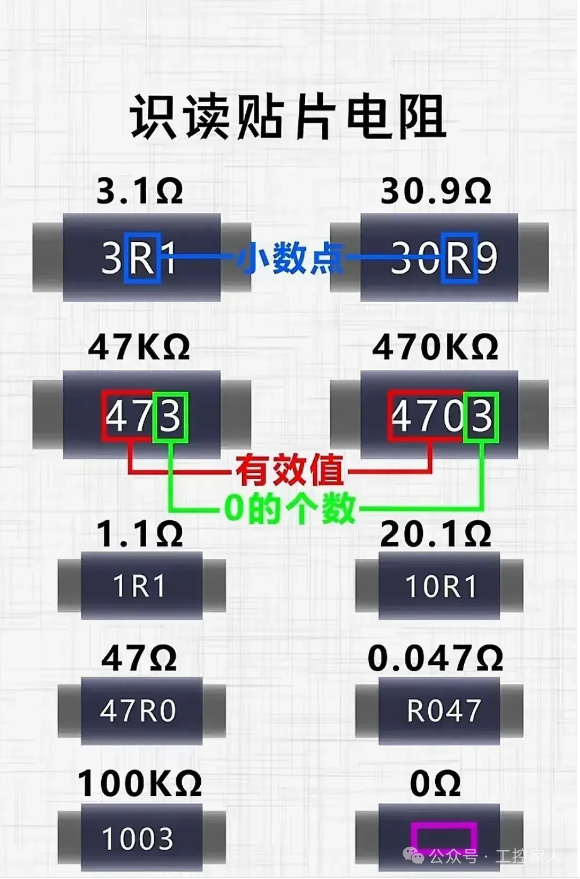 Everyone, please like and share!