
If you buy a new car today, it will almost certainly come with a “vehicle file” that records information throughout the car’s lifecycle. When a fault occurs, technicians can quickly identify the problem based on historical data.
Many of us may not have as detailed a record of our own body’s “operational status” as we do for our cars.
In the past, it was very difficult to understand our own status anytime and anywhere. In 2007, the concept of “Quantified Self” began to emerge, where people hoped to continuously track and collect their physiological and psychological data through devices and technology, forming a Life Log to explore the mysteries of health.
Smartwatches have shown great potential in tracking and recording health and behavioral conditions.
The year 2014 marked the dawn of wearable devices, with smartwatches experiencing a boom as Apple, Samsung, Huawei, and Amazfit launched their own models. However, at that time, smartwatches had limitations in health algorithms, biosensors, and computing chips. After the dust settled, only heavyweight players like Huawei and Apple remained in the health tracking arena.
After ten years of exploration, can today’s smartwatches allow people to monitor their operational status like a “vehicle file”? As smart devices enter the era of large models, what sparks can AI and smartwatches create together?

On June 11, Huawei launched its first 5G-supported Harmony AI smartwatch – HUAWEI WATCH 5. This is the first smartwatch to integrate Harmony AI and the first to adopt a large model fusion.
How do Harmony and AI reshape the “health dashboard” on our wrists? What boundaries have been broken in Huawei’s decade-long health revolution in smartwatches?

Just as a “vehicle file” reflects the operational status of a car throughout its lifecycle, why is it that smartwatches carry the hope of tracking and recording personal health status?
Compared to smartphones and smart glasses, smartwatches are highly portable and can be worn in almost all sports scenarios, such as swimming, badminton, and diving, allowing for continuous tracking of bodily changes;
Compared to headphones and smart necklaces, smartwatches worn on the wrist can non-invasively collect vital parameters related to chronic diseases, such as pulse.
Moreover, smartwatches integrate more sensors and components than smart bands, smart rings, and headphones, making them more powerful in functionality and computing capability.
Thus, smartwatches have always held the top position in health wearable devices. Many readers may wonder why their smartwatches do not seem as powerful. This mainly stems from several deficiencies:
Lack of algorithms. Without professional sports health algorithms, smartwatches can collect bodily data but cannot analyze it further, leaving consumers unsure of the data’s usefulness.
Lack of hardware. The “White Paper on Intelligent Sensor System and Development Strategy (2019 Edition)” mentioned that the data that could be collected at that time was limited to exercise, heart rate, and blood pressure, while core data such as blood glucose and blood lipids could not be measured non-invasively. Even with relevant hardware, fitting more sensors, components, and chips into the small watch face presents a design challenge.
Lack of local computation. As the amount of health data collected by smartwatches increases, local processing becomes increasingly important. Most users do not want their personal health data uploaded to the cloud due to privacy concerns.
When many people gradually believe that a small watch face cannot support health aspirations, Huawei insists on breaking through with technology. In 2015, Huawei launched its first smartwatch and has continuously pushed for the “health evolution” of smartwatches.
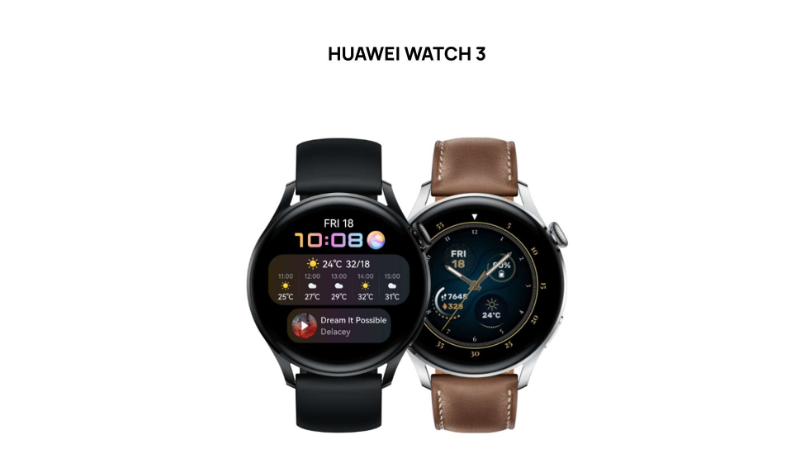
In terms of hardware, Huawei smartwatches continuously integrate Beidou satellites, GPS, Bluetooth, Wi-Fi, and various antennas, creating highly reliable products. For example, the WATCH 2 series features 4G independent calling, providing health monitoring and safety protection even in outdoor settings. The WATCH 3 series employs an innovative dual-chip architecture, achieving an ultra-long battery life of up to 21 days, alleviating concerns about battery depletion during prolonged wear.
Professionally, the health capabilities of Huawei smartwatches have continuously evolved. I remember during an interview, Professor Guo Yutao mentioned: Huawei has been running in the health field for ten years, and we have been accompanying them for over five years.
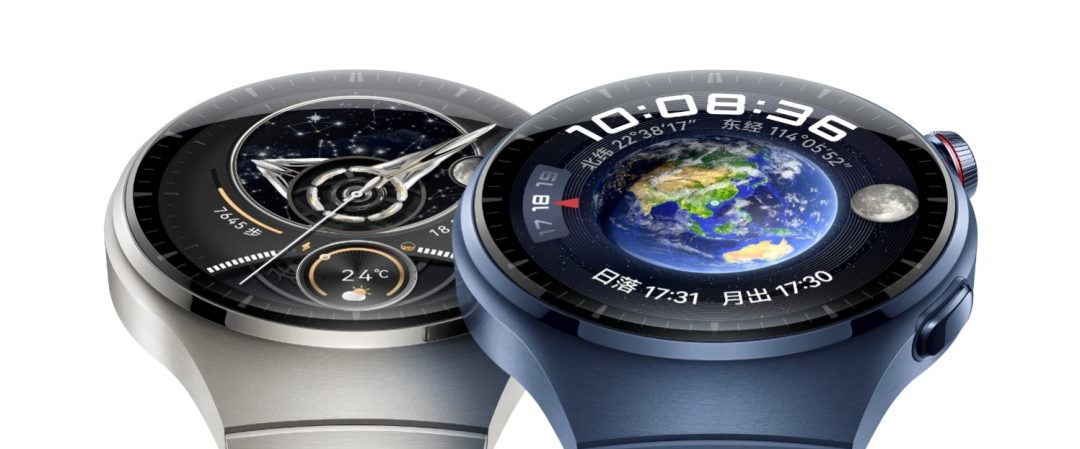
Professional and robust technology supports Huawei smartwatches as they step into the core of health management. Huawei’s technological innovations have transformed smartwatches from “data collectors” into “health dashboards.”
In 2025, Huawei smartwatches will enter their second decade. Driven by large model technology, smart devices are entering a new cycle of innovation. Huawei once again leaps forward with technology, introducing Harmony AI into the smartwatch category.
When wrist health meets Harmony AI, a health revolution begins.

After ten years of evolution, the health capabilities of Huawei smartwatches have made significant progress.
In health promotion, Huawei smartwatches can continuously track daily behaviors and bodily parameters, encouraging users to develop healthy lifestyles;
In chronic disease management, continuous monitoring of vital signs related to chronic diseases allows for non-invasive and effective self-management by patients and care by family members.
In this context, how else can wrist health evolve? Huawei smartwatches have taken the lead in entering the Harmony AI era, with the HUAWEI WATCH 5 being the first to feature a large model fusion, bringing the most powerful and intelligent health wearable product, employing a new intelligent architecture that collaborates across endpoints, software, and cloud, providing strong AI support for wrist health.
Support strength one – powerful edge AI hardware.
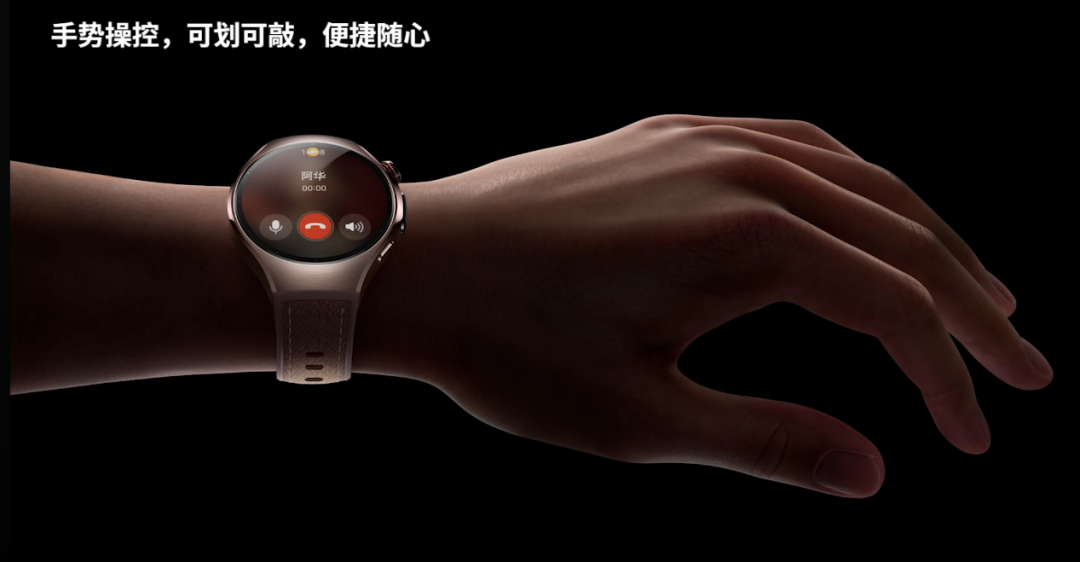
In terms of computing, the HUAWEI WATCH 5 is the first to feature an NPU neural network processing unit, providing powerful local AI processing capabilities, supporting AI action recognition algorithms that allow for quick and accurate recognition and response to gesture operations and other movements. The NPU enhances the device’s computing power, enabling local data processing and analysis, ensuring privacy remains secure.
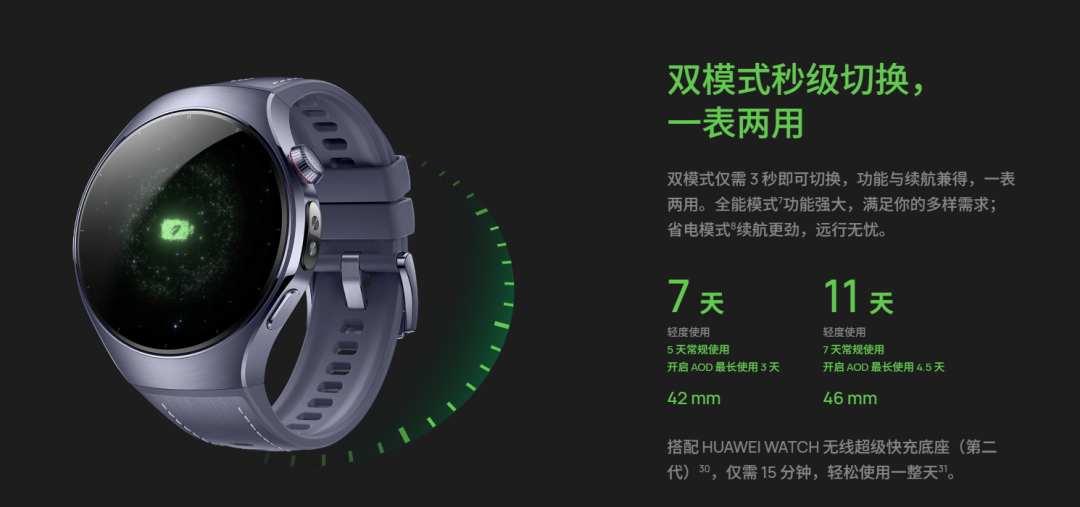
Additionally, teardown bloggers have discovered that the HUAWEI WATCH 5 also features a new Kirin chip that allows for quick switching between power-saving mode and smart mode. In traditional smartwatches, switching between dual systems often requires a device reboot. The Kirin chip’s architectural innovation brings unprecedented system switching speed to the HUAWEI WATCH 5.
In terms of communication, the HUAWEI WATCH 5 is equipped with an independent pioneering communication modem, benefiting from new intelligent communication technology that significantly enhances Wi-Fi and cellular speeds. It also supports the new Star Flash wireless short-distance transmission technology for more precise connections and stronger anti-interference capabilities, allowing reliable connections between smartwatches and car systems, smartphones, etc. Furthermore, the first-time eSIM independent communication feature enables activity tracking and health protection without needing to carry a phone, alleviating concerns about losing connection.
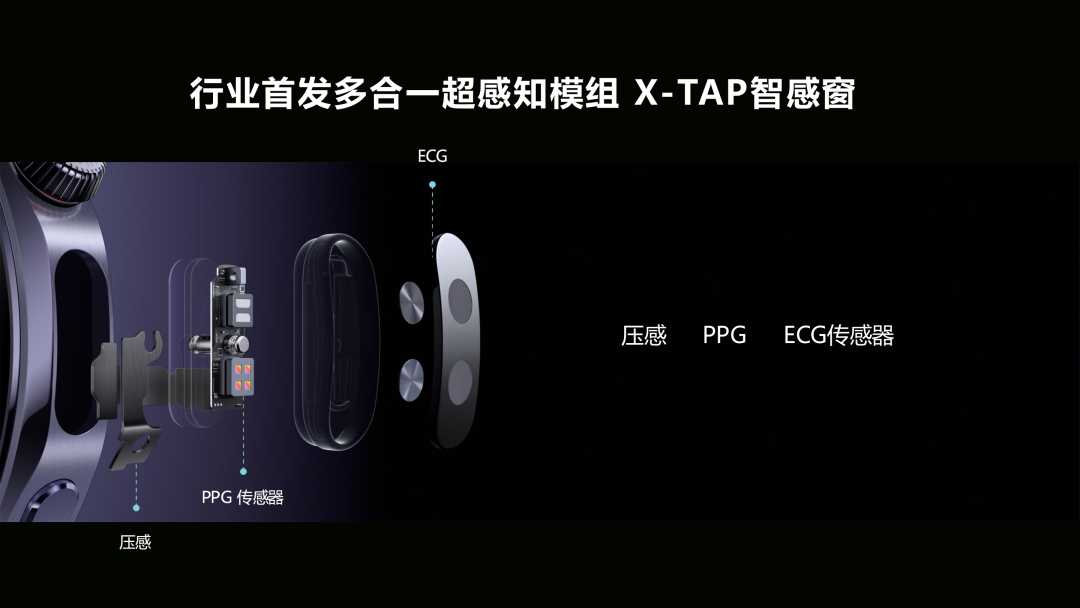
In terms of form, the HUAWEI WATCH 5 introduces the X-TAP smart sensing window as a new health entry point. Conventional smart health watches only collect vital data through the bottom of the watch, while the X-TAP smart sensing window is a three-in-one button that integrates ECG, PPG, and pressure sensors, located on the side of the watch face. Users only need to place their finger gently on the X-TAP smart sensing window for 3 seconds to initiate a micro health check, receiving a report covering 17 health data points and research project analyses in just 60 seconds.
The micro health check measures 17 items, making it the most comprehensive ever. The report generated from the micro health check allows users to understand their health status anytime and anywhere, helping them develop good habits of actively monitoring and managing their health.
With the X-TAP smart sensing window, the HUAWEI WATCH 5 has become the most capable and user-friendly Huawei smartwatch.
Support strength two – the interaction capabilities of the Harmony system.
The operating system serves as a bridge in smart devices, connecting hardware and applications.The HUAWEI WATCH 5 runs on Harmony OS 5.1, introducing Harmony intelligence for the first time, providing a new interactive capability for wrist health.
In terms of human-computer interaction, the native aesthetics of Harmony OS make the UI interaction of the smartwatch more refined, with icons adapting during page scrolling for a visually comfortable experience. The system-level performance optimization of Harmony OS ensures that the HUAWEI WATCH 5 operates smoothly without lag.
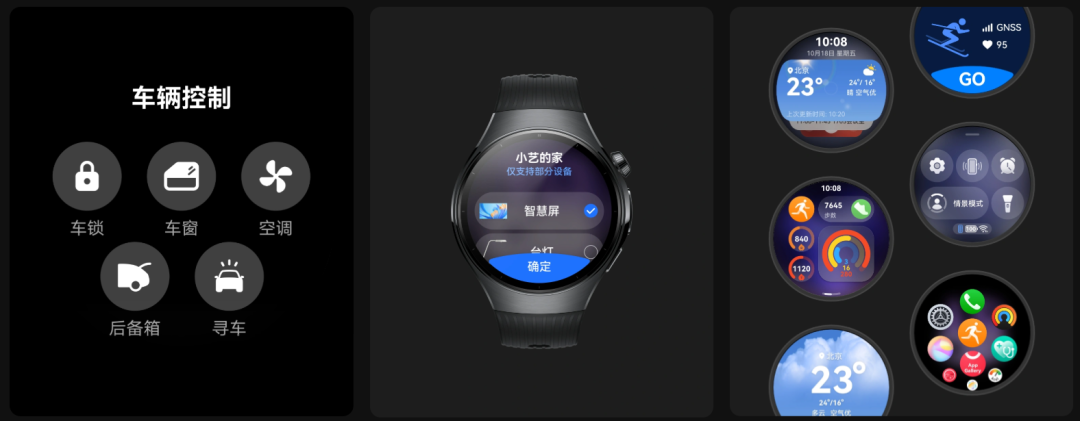
In terms of cross-device interaction, the HUAWEI WATCH 5 leverages the Harmony operating system to achieve “one watch controls everything,” such as collaborating with smart vehicles to automatically upload emergency calls during accidents, assisting in timely rescue, which is crucial for the safety of vehicle owners.
Support strength three – the powerful intelligence of cloud-based large models.
Deploying models locally is limited by device computing power, memory, and power consumption, while cloud deployment does not face these issues.The HUAWEI WATCH 5 is the first to integrate the Pangu large model and DeepSeek large model, combining professional models for sports health, bringing unprecedented levels of health intelligence to the wrist, enabling new possibilities for voice interaction, sports health, and ecological connectivity.
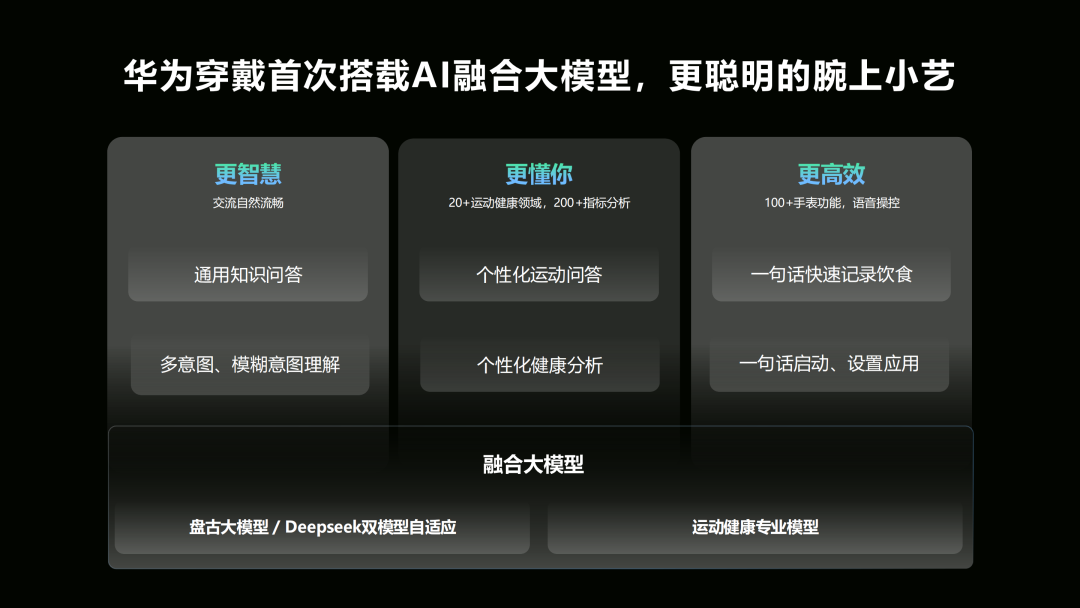
For instance, if you understand your body condition but do not know how to intervene, you can simply wake up the wrist assistant, which can help users analyze over 200 indicators in the sports and health fields without worrying about understanding bodily data. From general encyclopedic knowledge to personal health status, the assistant can provide professional and timely answers.
During outdoor activities or when it is inconvenient to operate a phone, you can give commands to the HUAWEI WATCH 5, such as “activate swimming mode,” and the assistant can smoothly adapt its thinking speed, accurately understanding and pulling up the required service among hundreds of sports health functions.

The AI capabilities that collaborate from cloud to edge and across all scenarios make the HUAWEI WATCH 5 a smart companion, providing close support.
The new hardware form, stronger health professional capabilities, and unprecedented full-link AI heart make the HUAWEI WATCH 5 the pinnacle of smartwatches.

The significance of the HUAWEI WATCH 5 goes beyond being Huawei’s first Harmony AI smartwatch; it is a milestone in health wearable devices, marking a new watershed for the smartwatch category.
The HUAWEI WATCH 5 is the culmination of Huawei’s ten-year journey in health, showing us what breakthroughs in health wearables rely on.
First and foremost is technological innovation. Without breakthroughs in sensors, health data from smartwatches would stagnate. Industry data shows that the R&D investment for a mainstream smart sensor chip is around 1 billion RMB, requiring a research team of dozens for 6-8 years, and a production scale of tens of millions or even hundreds of millions to be profitable. The risk of failure in sensor chip research is high, making it difficult for small and medium-sized enterprises to bear such costs and risks, and to achieve profitable shipment volumes. Only Huawei has insisted on using technology as a breakthrough, firmly investing, continuously tackling challenges, and collaborating with industry partners to develop the X-TAP smart sensing window. Technological innovation is the driving force behind the continuous evolution of Huawei’s smart wearables.
Additionally, Huawei possesses a unique advantage in hardware-software synergy, integrating multiple capabilities such as components, Harmony, large models, and self-developed chips, which has led to disruptive innovations in health functions like the smart sensing window and micro health checks, a comprehensive quality that many smartwatch manufacturers lack, driving the leap in health wearable devices.

It is also important to note that the health achievements of Huawei smartwatches come from an open ecosystem and industry collaboration. Huawei wearables have established long-term trusted partnerships with top research teams in various fields in China. Creating products is easy, but building platforms and ecosystems is challenging. Having established a sports health R&D platform, Huawei wearables have more research fruits waiting to be harvested.
Automated, personalized, all-time, and preventive health management is transitioning from a fantasy in movies to a reality we can touch. The second decade of Huawei smartwatches has entered a new phase of quantifying personal health status anytime and anywhere, driven by AI for proactive health management.
Imagine a health dashboard on your wrist that understands your body’s operational status, interacts with other technologies in your home, and becomes your personal health partner and command center for managing your life. What reason do we have to doubt that, with the support of smartwatches, humanity will enter a new era of personalized health?
 ··
··