In October 2020, SK Hynix acquired Intel’s NAND flash memory and storage business for $9 billion, including Intel’s solid-state drive business, NAND components, and wafer business, as well as the NAND flash chip manufacturing plant in Dalian, China. However, Intel will retain its Optane business.
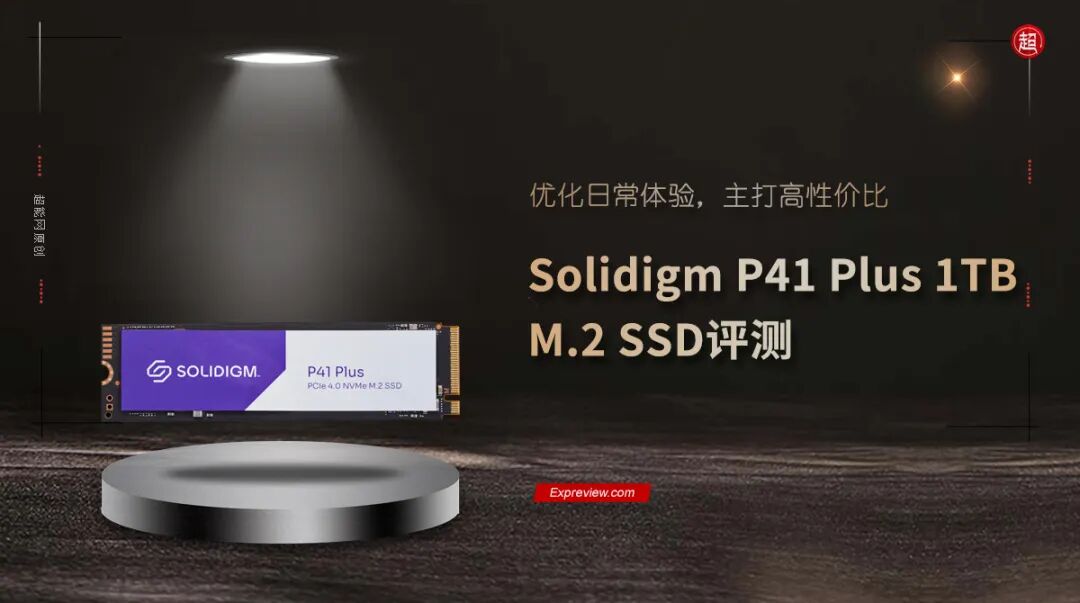
At the end of last year, Intel announced that it had received $7 billion from SK Hynix for the first phase of the transaction. Subsequently, SK Hynix established a subsidiary named Solidigm.
In August of this year, Solidigm officially launched its first consumer SSD, the P41 Plus. This product is essentially the successor to Intel’s 670P, upgraded from PCIe 3.0 to PCIe 4.0, offering better performance and a higher cost-performance ratio. The new product is optimized for low queue depth and mixed read/write scenarios, meeting the storage needs of common applications, including daily office tasks and mainstream gaming.
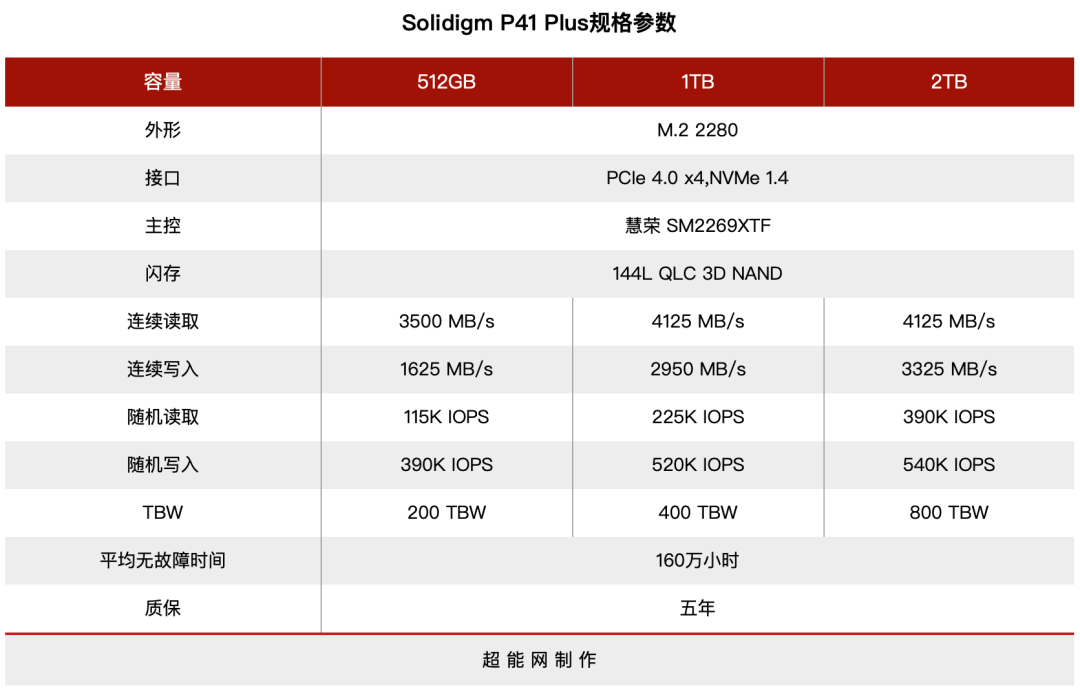
The retail version of the P41 Plus SSD adopts the M.2 2280 specification (other specifications are supplied to OEM manufacturers) and is available in three capacities: 512GB, 1TB, and 2TB. Performance varies between different capacities; this review focuses on the 1TB version, which has maximum sequential read and write speeds of 4125MB/s and 2950MB/s, respectively, with random read/write IOPS of 225K/520K and a durability rating of 400TBW.
Packaging and Product Introduction
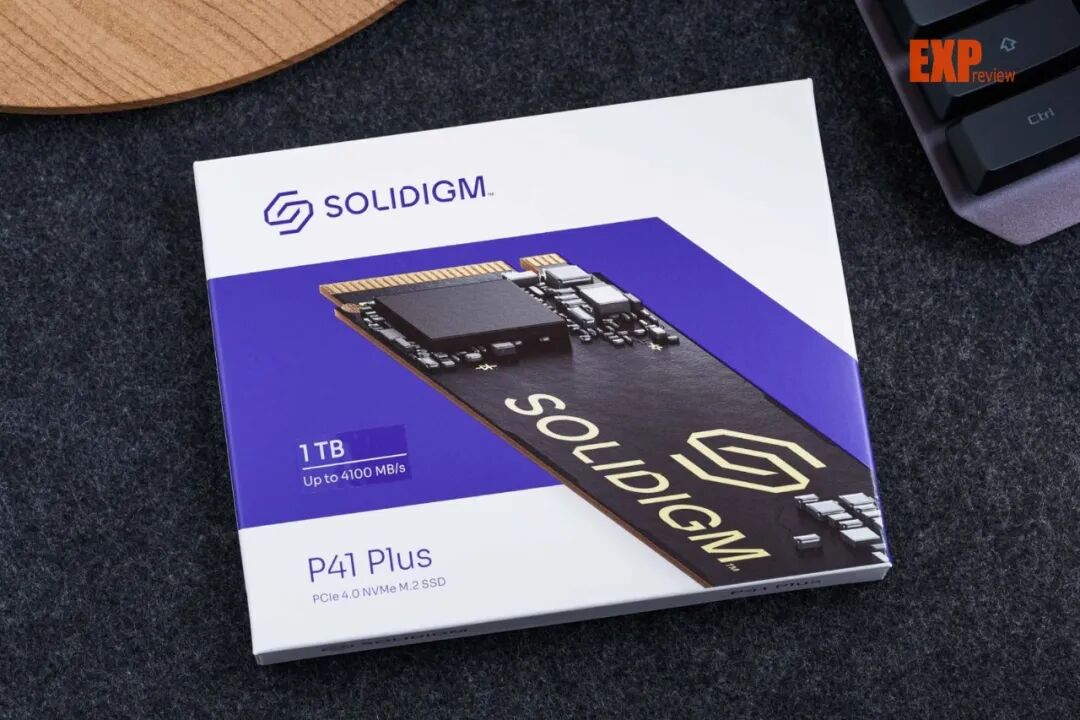
The packaging of the Solidigm P41 Plus SSD is relatively square, with a white base and purple accents, which is also the theme color of the Solidigm brand. The product image is located in the middle right of the front, with the Solidigm logo in the upper left, and the product model and capacity in the lower left. The back contains some basic product information. Overall, the design of the Solidigm P41 Plus SSD packaging is quite minimalist and visually appealing.
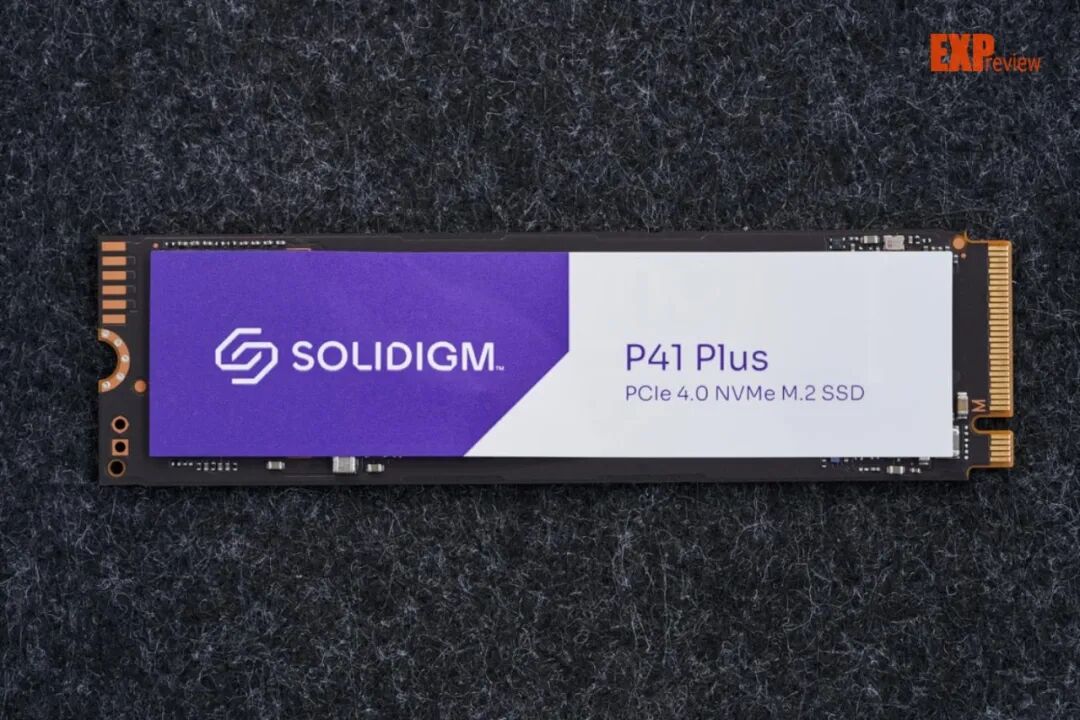
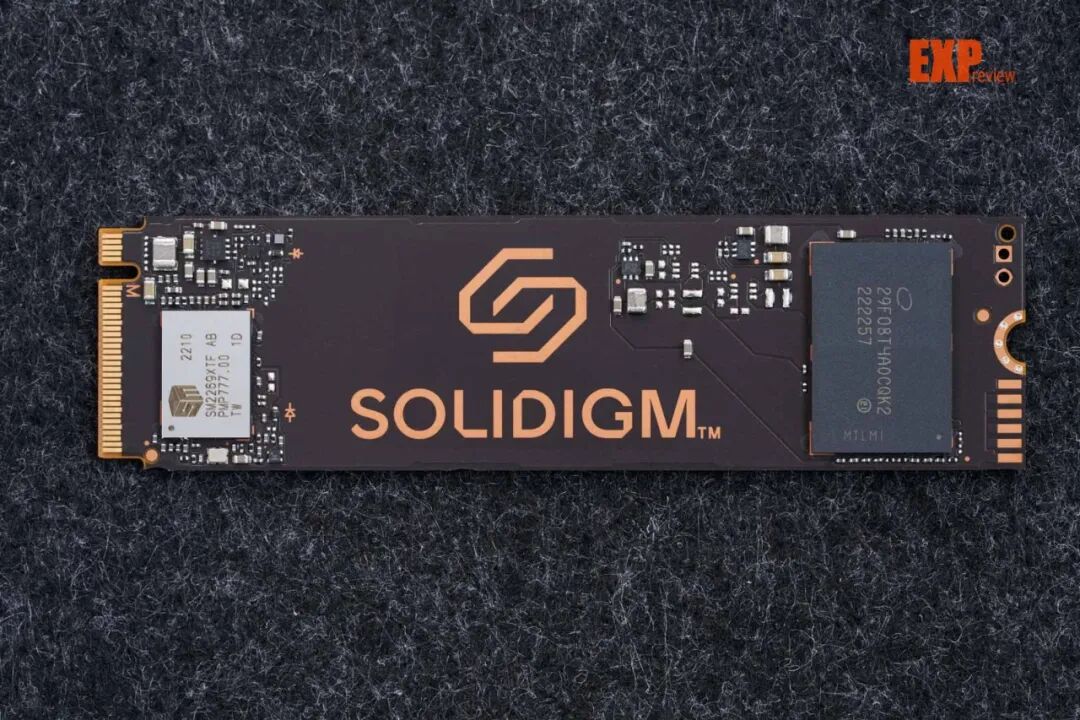
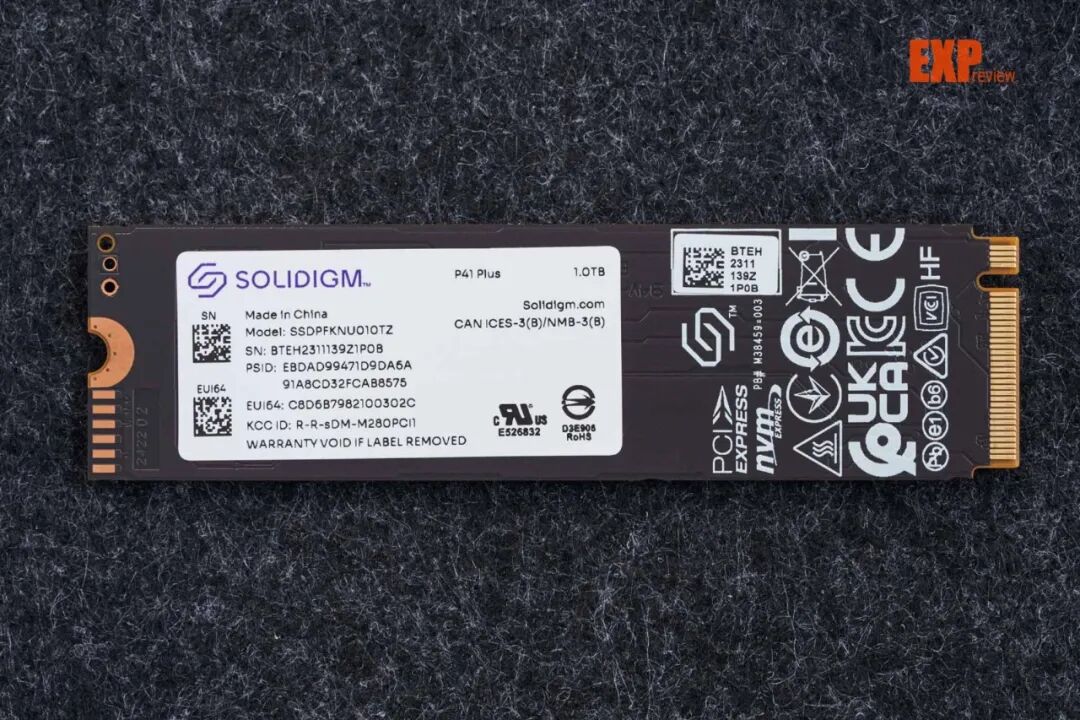
This 1TB version of the Solidigm P41 Plus features a single-sided PCB design, with a sticker on the front displaying the Solidigm brand logo and product model information. The label on the back indicates the product’s origin, SN code, PN code, and other information. Upon removing the front sticker, it can be seen that the Solidigm P41 Plus uses a single-sided chip design without DRAM cache, leaving the back blank, making the SSD relatively thin and improving installation compatibility.
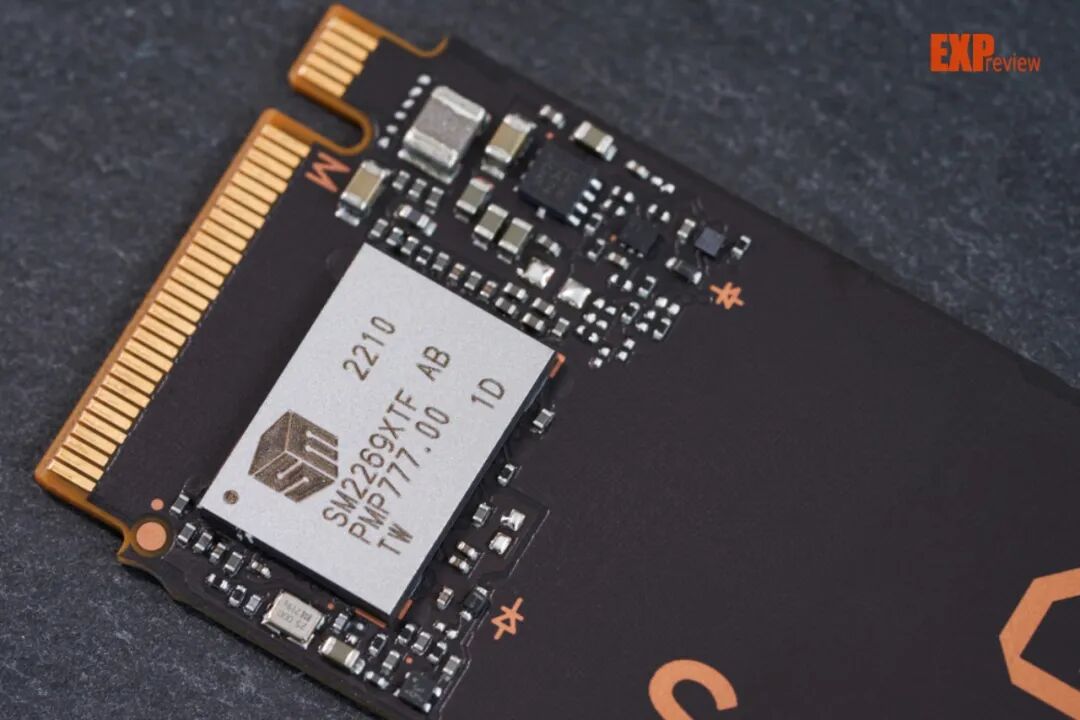
Solidigm P41 Plus uses the SM2269XTF controller chip developed in collaboration with SMI, with firmware managed by Solidigm’s own team. It is manufactured using TSMC’s 12nm FinFET process and is equipped with two Arm Cortex-R8 architecture cores, supporting PCIe 4.0 x4 and NVMe 1.4 protocols without the need for external large-capacity DRAM cache. It supports four NAND channels, each capable of up to 1600MT/s, and features automatic multi-core load adjustment. Additionally, it supports HMB (Host Memory Buffer) technology, seventh-generation NAND Xtend ECC error correction technology, SRAM ECC, 4KB LDPC engine, and programmable RAID, compatible with 3D NAND TLC/QLC flash memory chips.
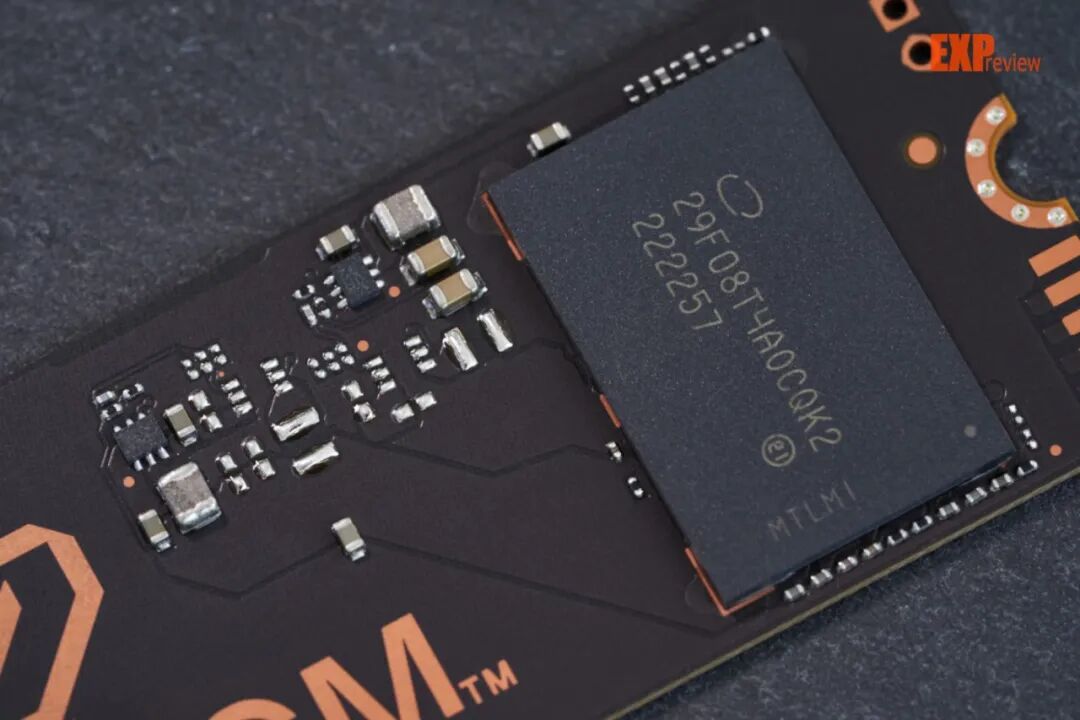
This P41 Plus 1TB uses 144-layer 3D NAND QLC chips with the model number “29F08T4A0CQK2222257,” manufactured at the factory acquired from Intel by Solidigm.
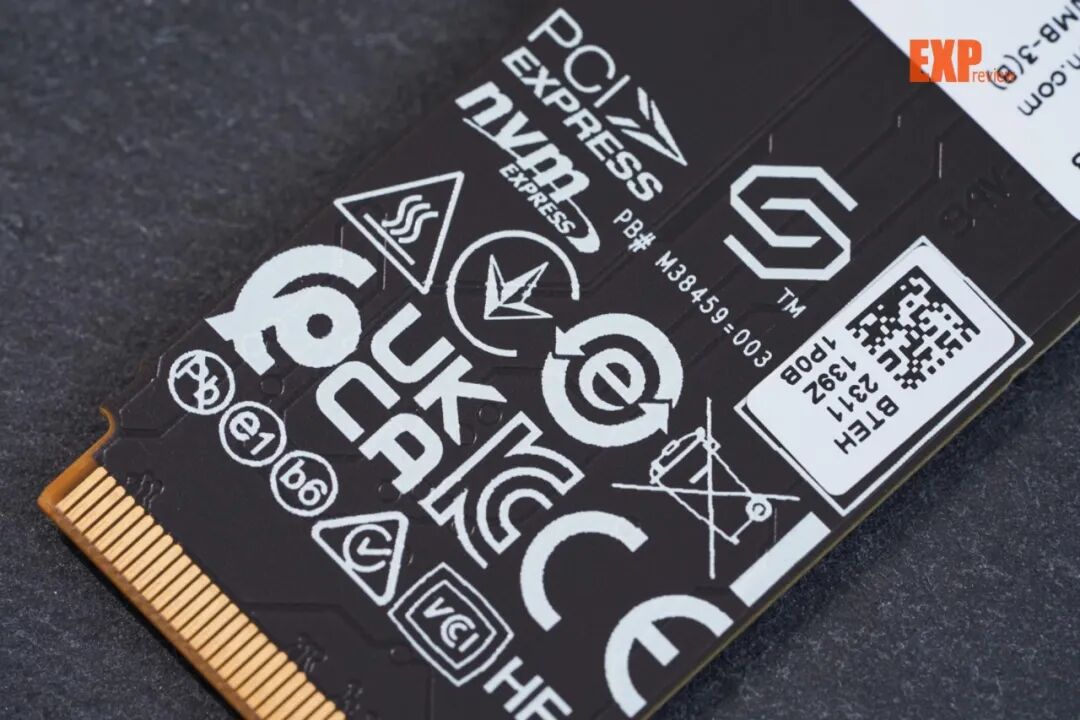
The overall design of the Solidigm P41 Plus 1TB SSD is very simple, but its actual performance needs to be evaluated through testing.
Test Platform and Description
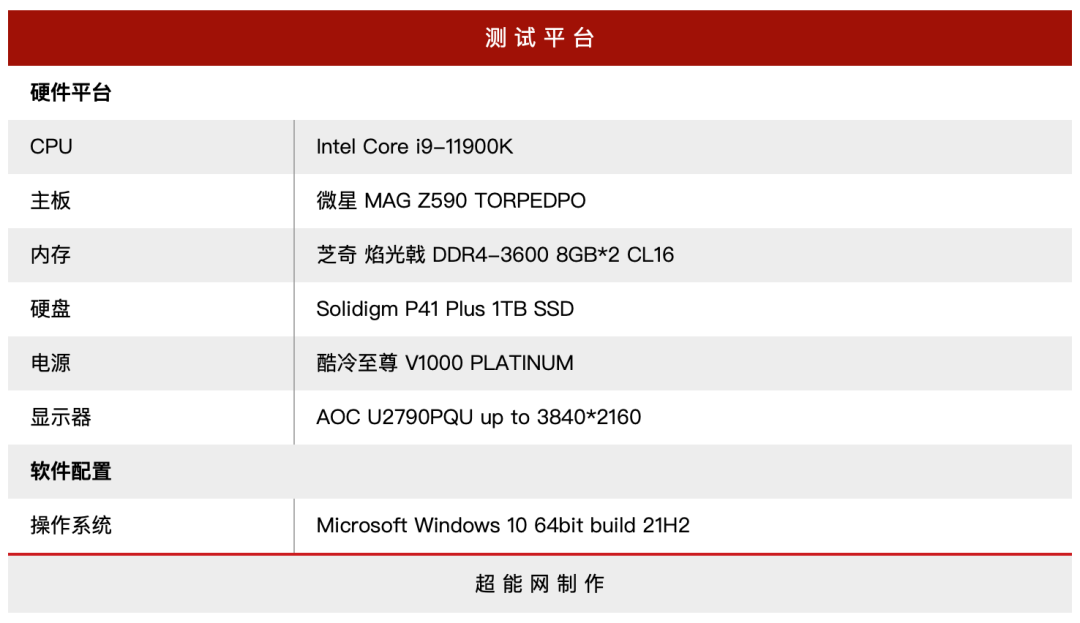
The test platform used an Intel Core i9-11900K processor, with an MSI MAG Z590 TORPEDO motherboard, and dual-channel DDR4-3600 8GB x2 memory. The Solidigm P41 Plus 1TB SSD under test is installed in the M.2 slot directly connected to the CPU, while the system drive is installed in the M.2 slot on the PCH, allowing the tested drive to perform at its best.
The test items include disk tests from CrystalDiskMark, PCMark 10, PCMark 8, PCMark 7, as well as storage tests from 3DMark, full disk write tests from TxBENCH, and discrete tests from IOMeter, providing a comprehensive understanding of the SSD’s performance.
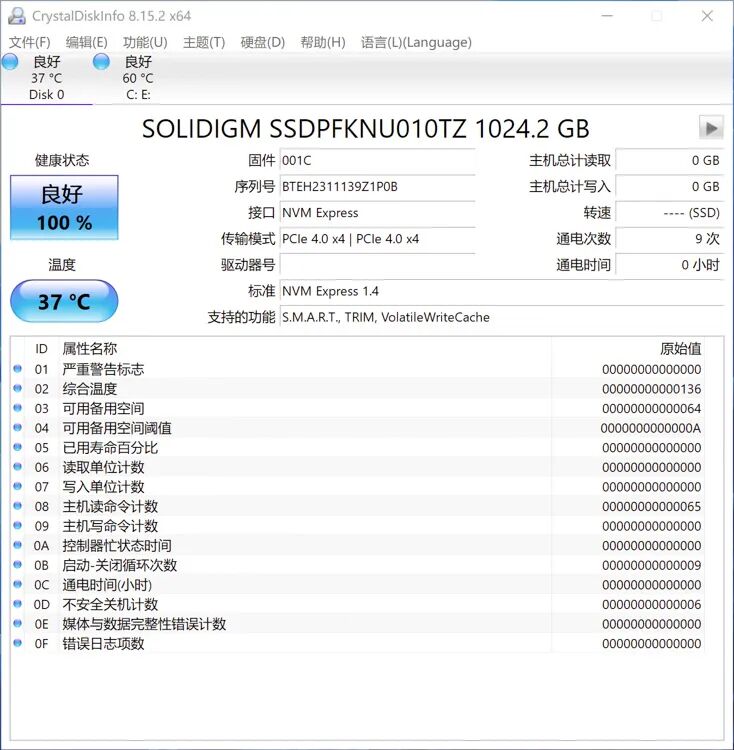
Figure: CDI information of Solidigm P41 Plus 1TB
CrystalDiskMark
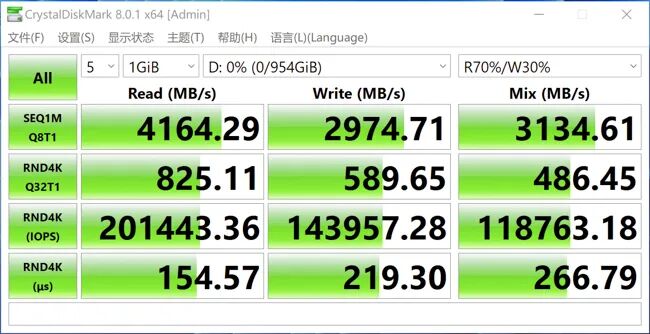
Figure: Peak performance of Solidigm P41 Plus 1TB in CDM
In the CrystalDiskMark peak performance test, the P41 Plus 1TB achieved a sequential read speed of 4164.29 MB/s and a sequential write speed of 2974.71 MB/s, which is consistent with the official specifications.
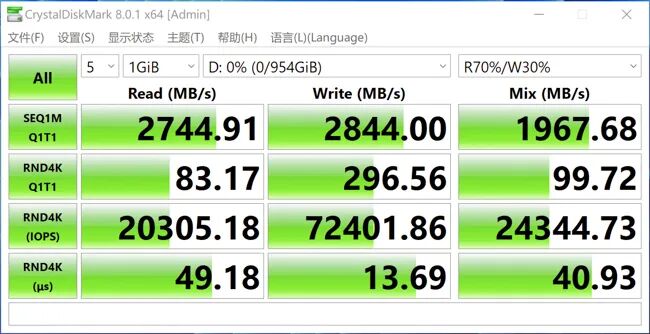
Figure: Real performance of Solidigm P41 Plus 1TB in CDM
In the CrystalDiskMark real performance test, the P41 Plus 1TB achieved a sequential read speed of 2744.91 MB/s and a sequential write speed of 2844 MB/s, which meets the needs of most users.
PCMark 7 Disk Test
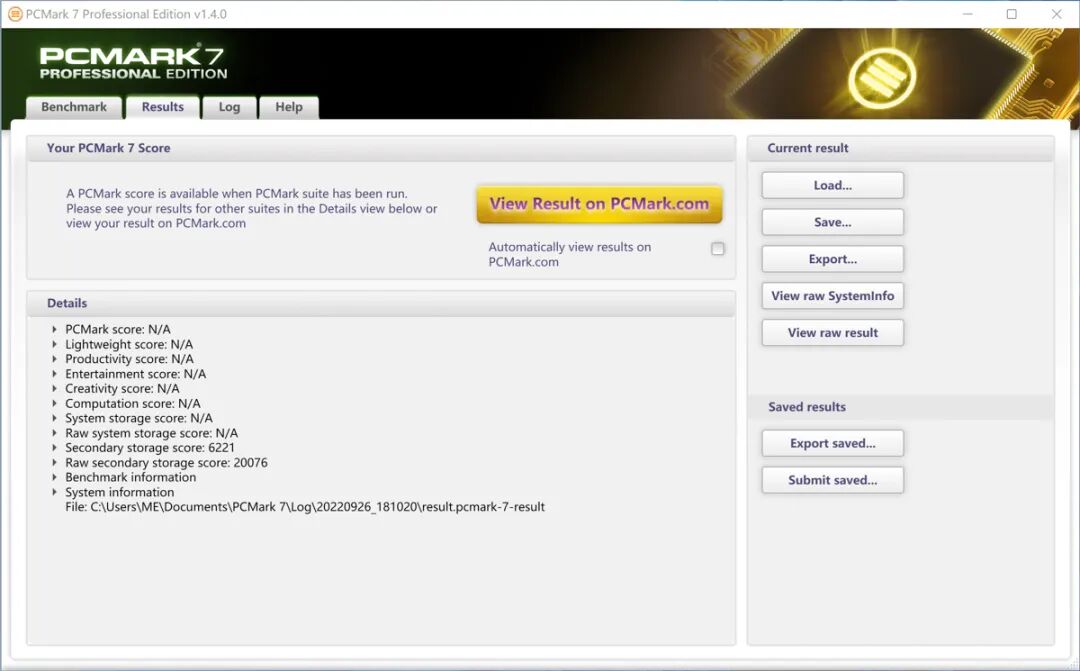
The disk test in PCMark uses disk trace playback, which better reflects the SSD’s performance in real-world scenarios. The Solidigm P41 Plus 1TB scored 20076 in the PCMark 7 disk test.
PCMark 8 Disk Test
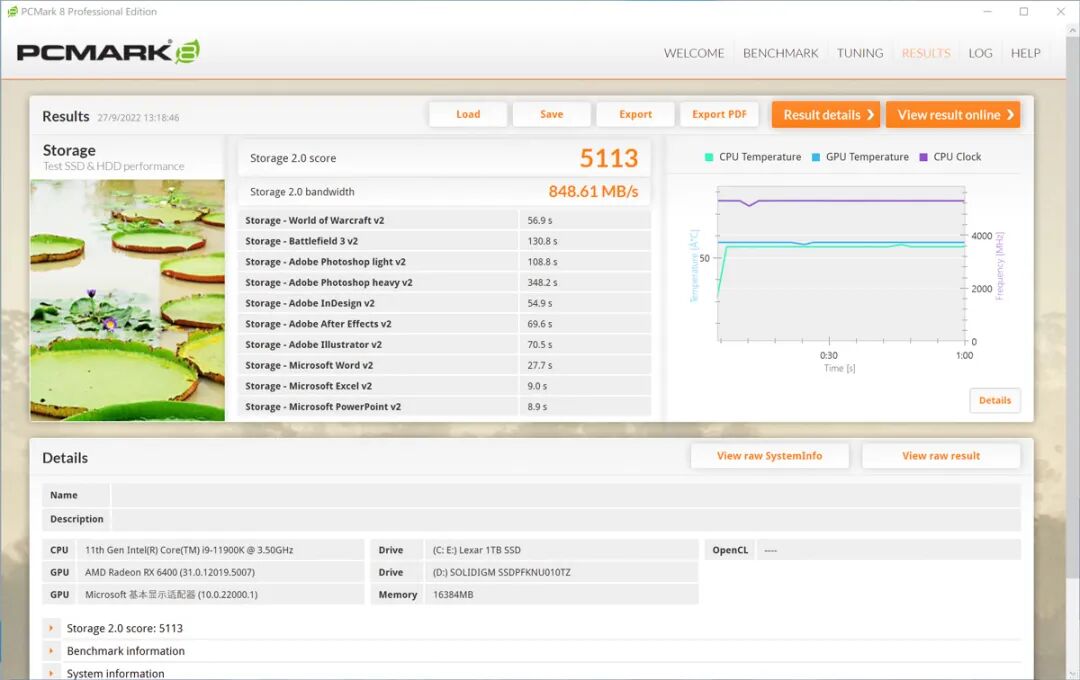
In the PCMark 8 disk test, the Solidigm P41 Plus 1TB achieved an average transfer rate of 848.61 MB/s.
PCMark 10 Disk Test
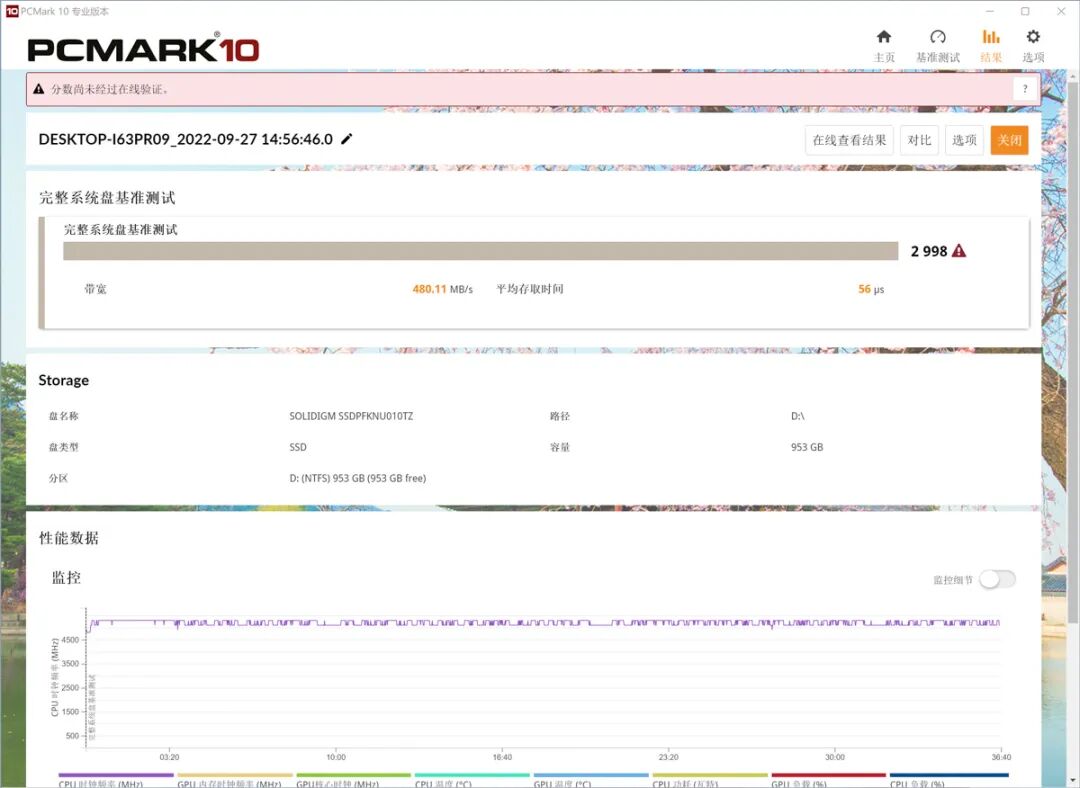
In the PCMark 10 disk test, in addition to providing the SSD’s transfer rate, it also reports the average latency. The Solidigm P41 Plus 1TB achieved an average transfer rate of 480.11 MB/s and an average latency of 56 us.
3DMark Storage Test
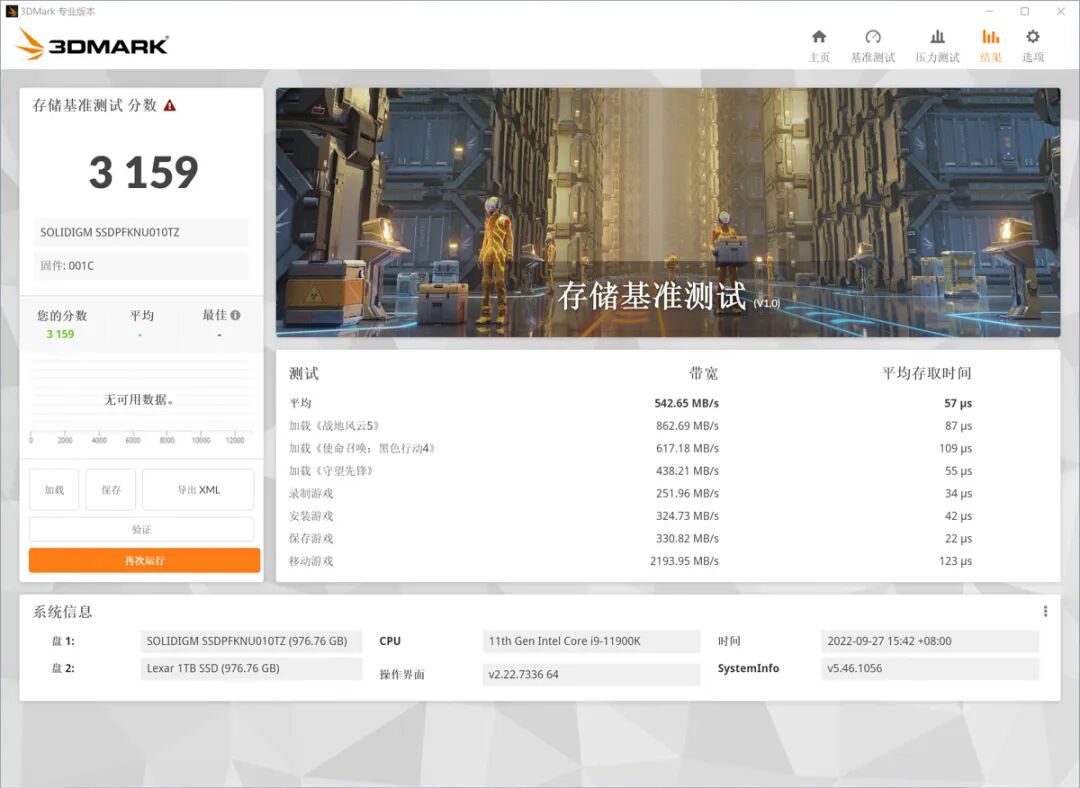
The 3DMark storage benchmark test is specifically designed to evaluate the gaming performance of the latest PC storage devices. Similar to the PCMark 10 disk test, it is based on real application disk trace playback, focusing on practical and realistic gaming performance. The Solidigm P41 Plus 1TB scored 3159, with an average transfer speed of 542.65 MB/s and an average latency of 57 us.
TxBENCH Full Disk Write Test
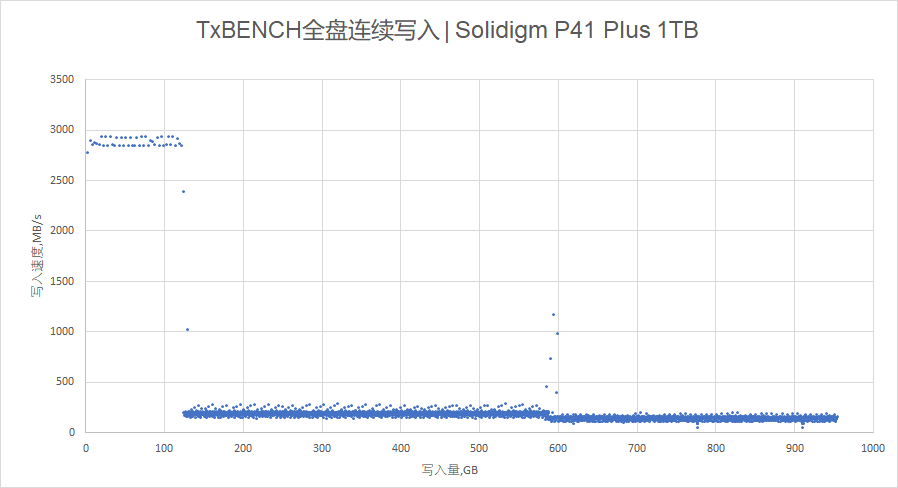
In this test, the tested drive undergoes a full disk continuous write test without partitioning until the entire usable space of the drive is filled.
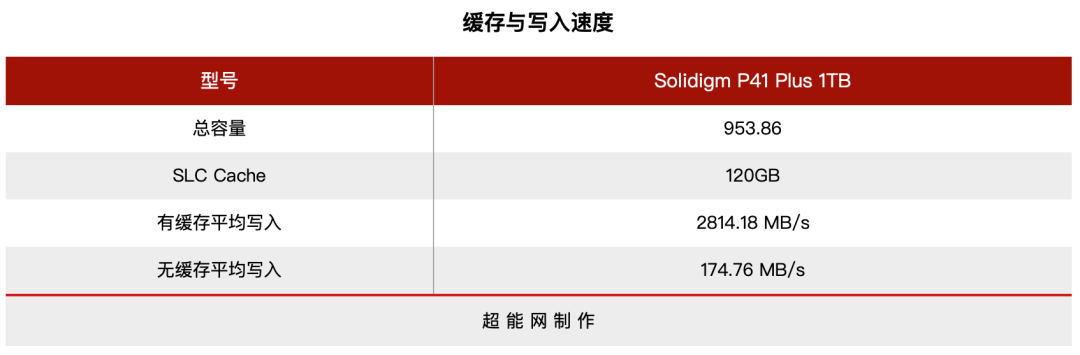
From the TxBENCH full disk write curve, it can be seen that the Solidigm P41 Plus 1TB has an SLC Cache of approximately 120GB. With the cache, the write speed is 2814.18 MB/s, and after the cache is exhausted, the write speed remains around 210 MB/s for a period. When the write volume reaches 580GB, the speed decreases further, generally staying between 150 and 200 MB/s. The average write speed in the cache-free area is 174.76 MB/s, with an overall average write speed of about 193.35 MB/s.
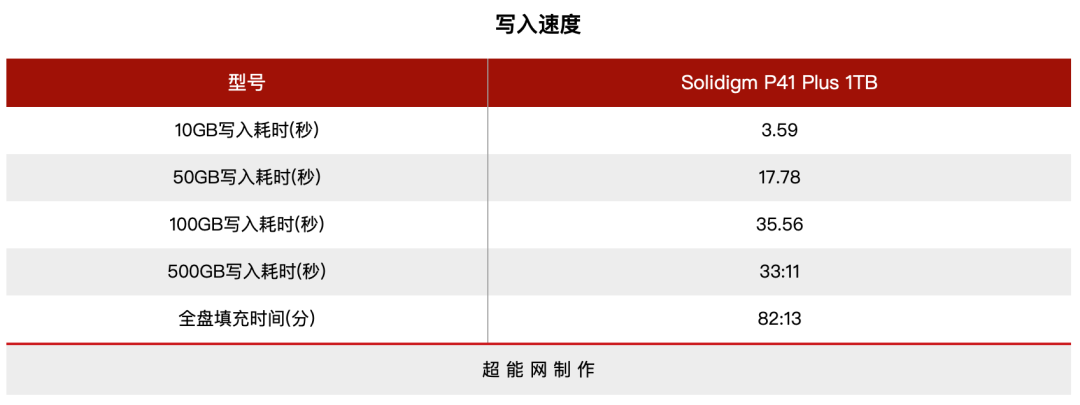
The above shows the time taken for the Solidigm P41 Plus 1TB at various stages of writing. The SSD maintains SLC Cache for intervals of 10GB, 50GB, and 100GB.
IOMeter Test
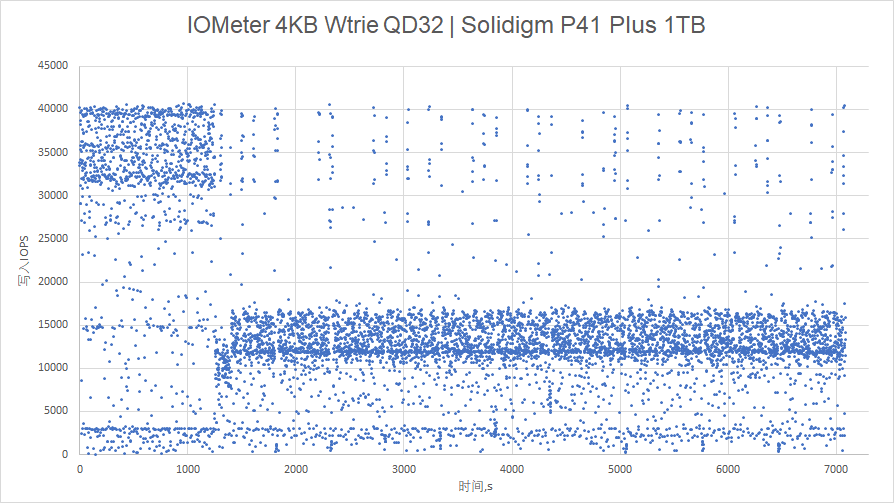
This is the IOPS discrete distribution recorded after a two-hour 4K QD32 random write on the entire Solidigm P41 Plus 1TB. Due to algorithmic reasons, there are some significant jumps in certain areas. The initial IOPS mainly maintained between 320000 and 400000 for about 21 and a half minutes, after which the IOPS primarily distributed between 110000 and 160000 until the end. In any range, the IOPS occasionally experiences sudden spikes or drops.
Conclusion
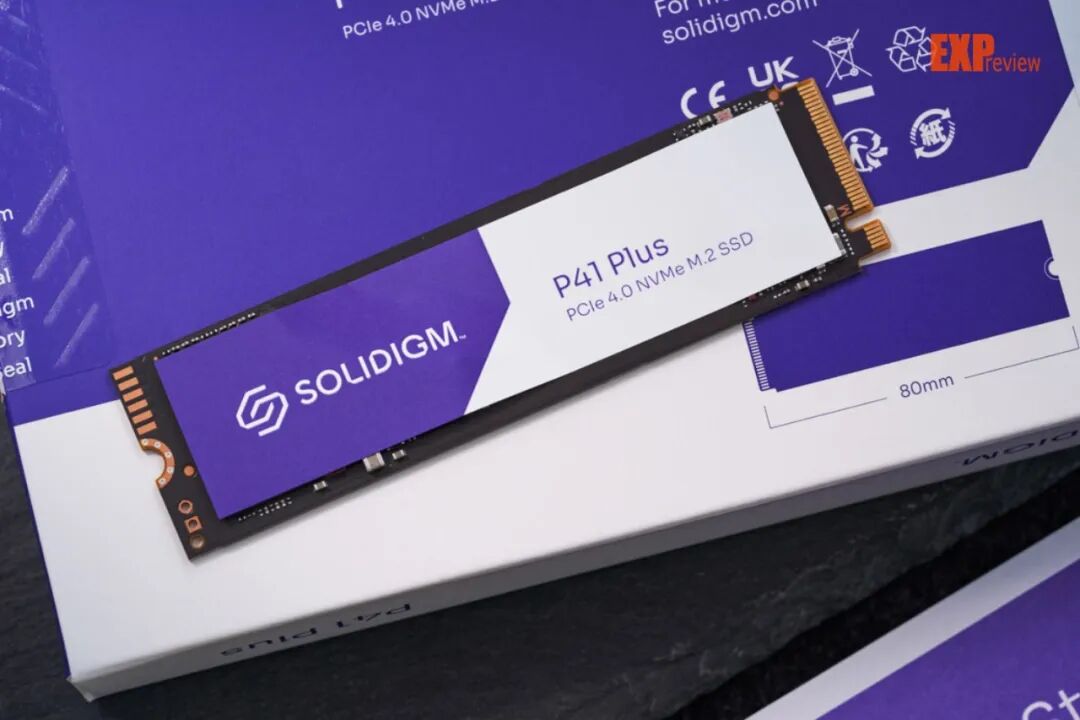
The Solidigm P41 Plus SSD, like Intel’s previous 670P SSD, emphasizes performance at low queue depths and mixed read/write performance, making it more suitable for everyday applications for average users. It utilizes 3D NAND QLC chips and a cache-less design, with Solidigm aiming to penetrate the consumer market with a competitively priced product to quickly enhance brand recognition.
Given the positioning of the P41 Plus SSD, its performance is acceptable, and with Solidigm backed by SK Hynix, the product is well-supported. If priced appropriately, the Solidigm P41 Plus could be quite attractive, providing users with a new option for purchasing SSDs. (Source: Ultra-Performance Network)
– END-What do you think?Welcome to leave a comment at the end of the article!We welcome industry submissions,Global Cloud Observation opens new horizons for you

Click to read the original text for more content