Introduction:
During the recent Double Eleven shopping festival, I wonder if you all managed to buy what you wanted? I purchased a PCIe 4.0 1TB SSD for my work machine as the system drive, as my previous 512GB was clearly insufficient. Who knows why modern systems are taking up more and more space?
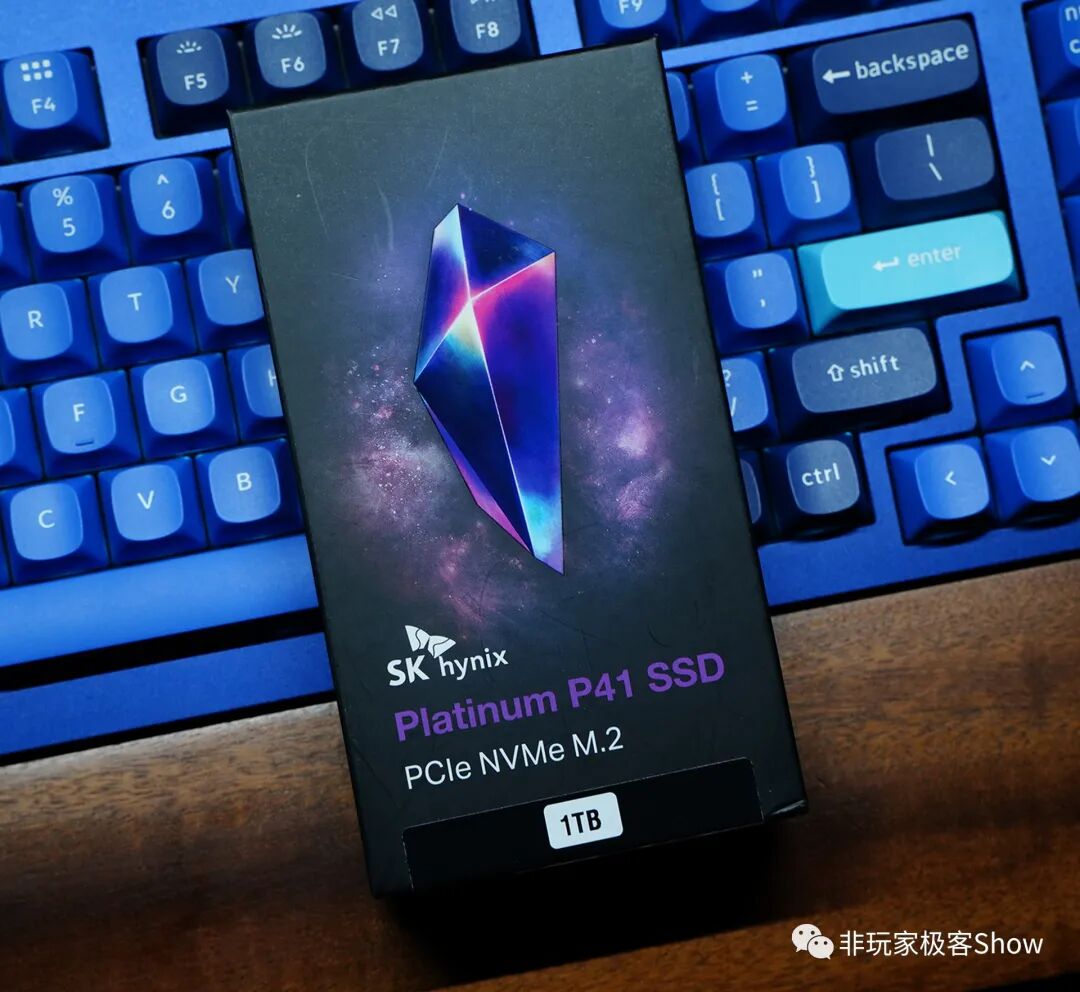
After browsing JD for a long time, I found that everyone was engaged in a price war. However, I have been involved in computer DIY hardware for quite some time and have encountered many pitfalls, including trying to save money on SSDs that failed shortly after purchase. As the saying goes, “hard drives have a price, but data is priceless.” Therefore, the primary consideration for choosing an SSD this time was quality; pursuing original factory chips is a must!
About SK Hynix:
After some filtering, I finally settled on the SK Hynix Platinum P41. Some of you may not be very familiar with the SK Hynix brand, but if I mention its Chinese name, 海力士 (Hynix), you will surely recognize it.
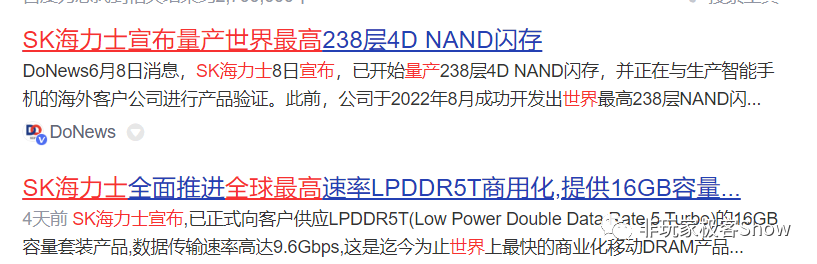
As a well-established semiconductor manufacturer, SK Hynix has many years of experience in flash memory chip production and advanced technology. How advanced is it? Just earlier this month, SK Hynix announced the mass production of the world’s highest 238-layer 4D NAND flash memory! A few days ago, they also supplied LPDDR5T memory to customers, showcasing their strong R&D capabilities. In 2012, they acquired the SSD controller company LAMD, which allows Hynix to have R&D capabilities for controllers, flash memory, and DRAM, achieving a fully self-sufficient product supply chain like Samsung!
Product Unboxing:
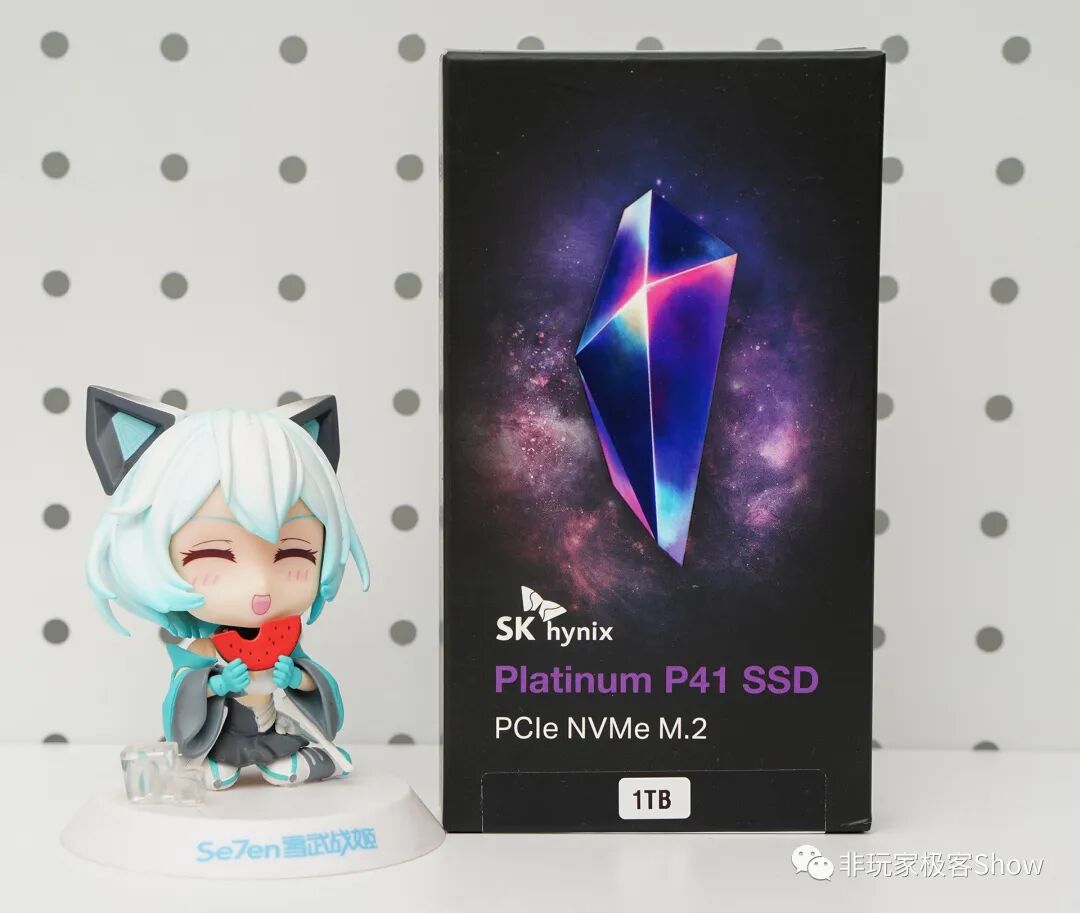
I must say that in terms of aesthetics, Hynix has done a great job. The purple-pink color scheme combined with a starry background gives it a magical feel, even reminding me of Thanos for a moment…
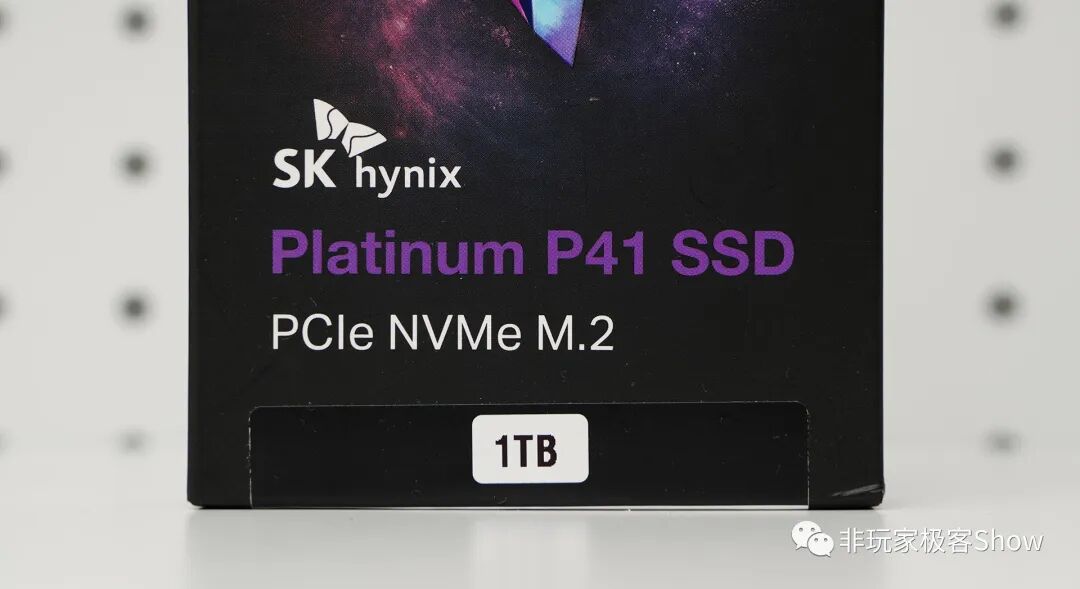
The Platinum P41 I purchased is the 1TB version, and I got it for just 509. They also offer 500GB and 2TB options. It’s worth mentioning that SK Hynix opened a self-operated store on JD at the end of October this year, which is great news for many consumers.
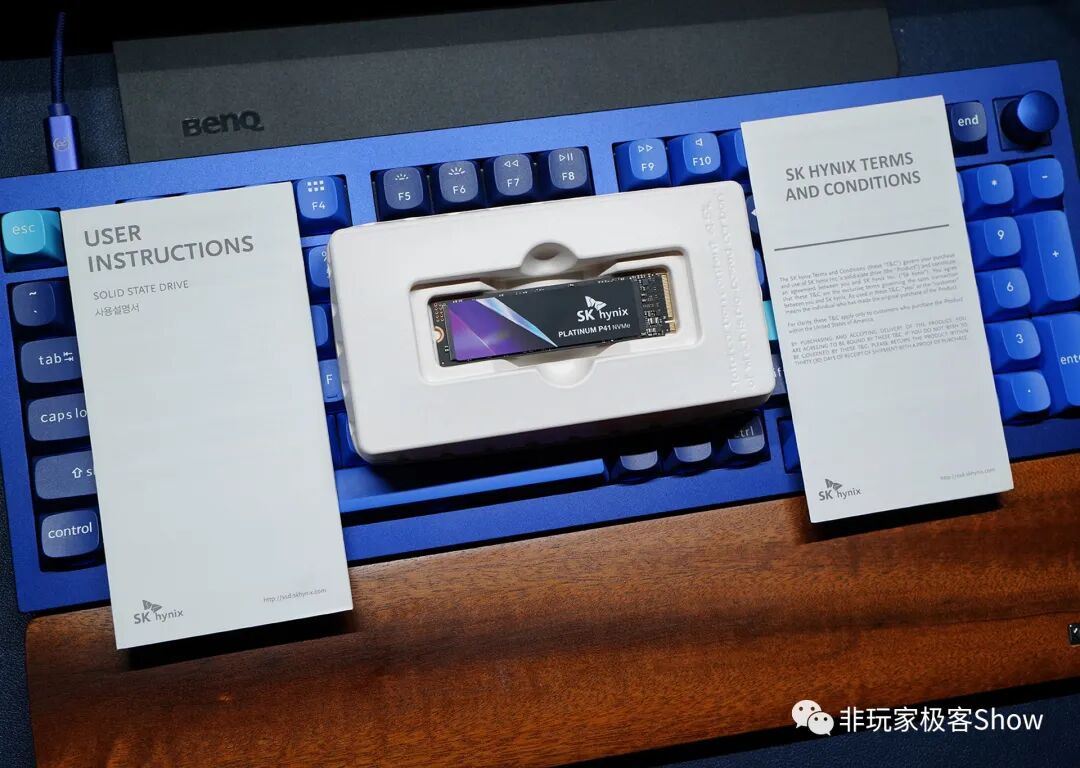
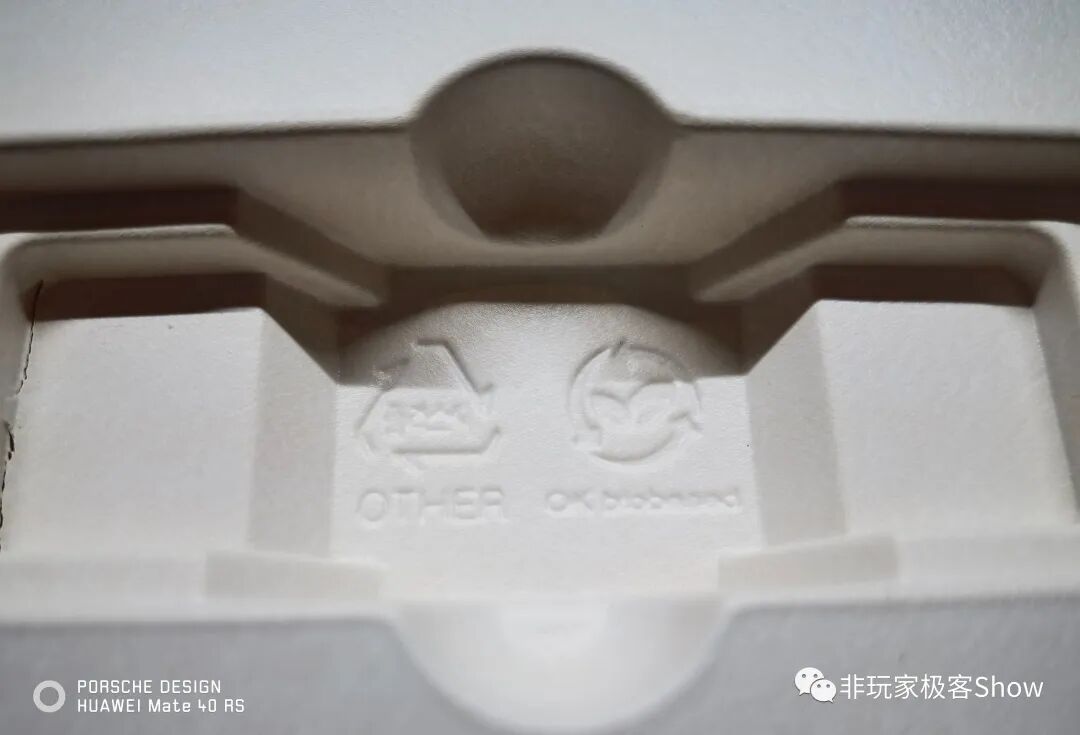
The manual and warranty card, along with an overview of the product, show that the SSD’s packaging box carries an environmental certification mark (FSC) and is made from biodegradable materials, which can degrade up to 90% within 180 days. This speed is quite impressive for Mother Earth. I believe that any company that contributes positively to the environment deserves a thumbs up.
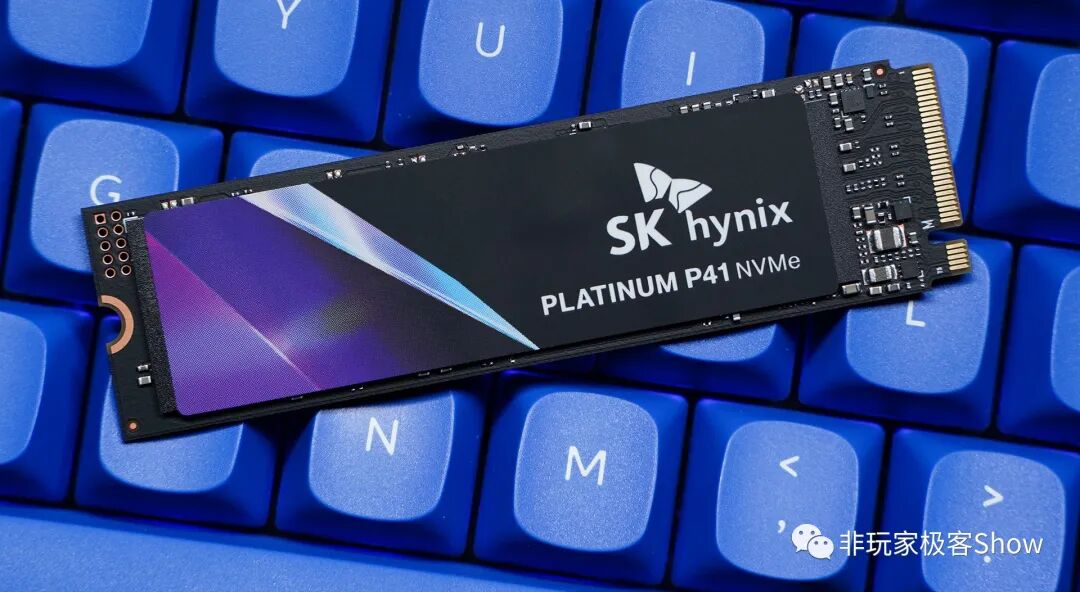
The P41 adopts a 2280 size, suitable for both mainstream desktops and laptops. The outer packaging sticker is printed with soy ink, adding to its environmental friendliness!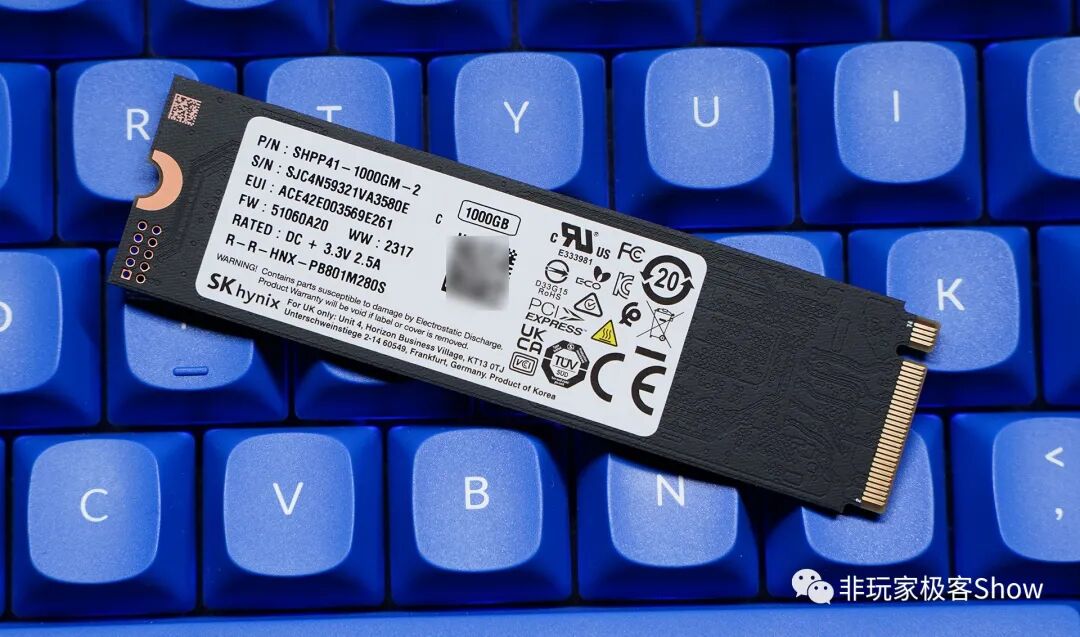
The P41 1TB uses a single-sided PCB design for component placement. Given that the capacity of individual flash memory chips is no longer what it used to be, most M.2 SSDs in the 512GB to 1TB range are designed this way.
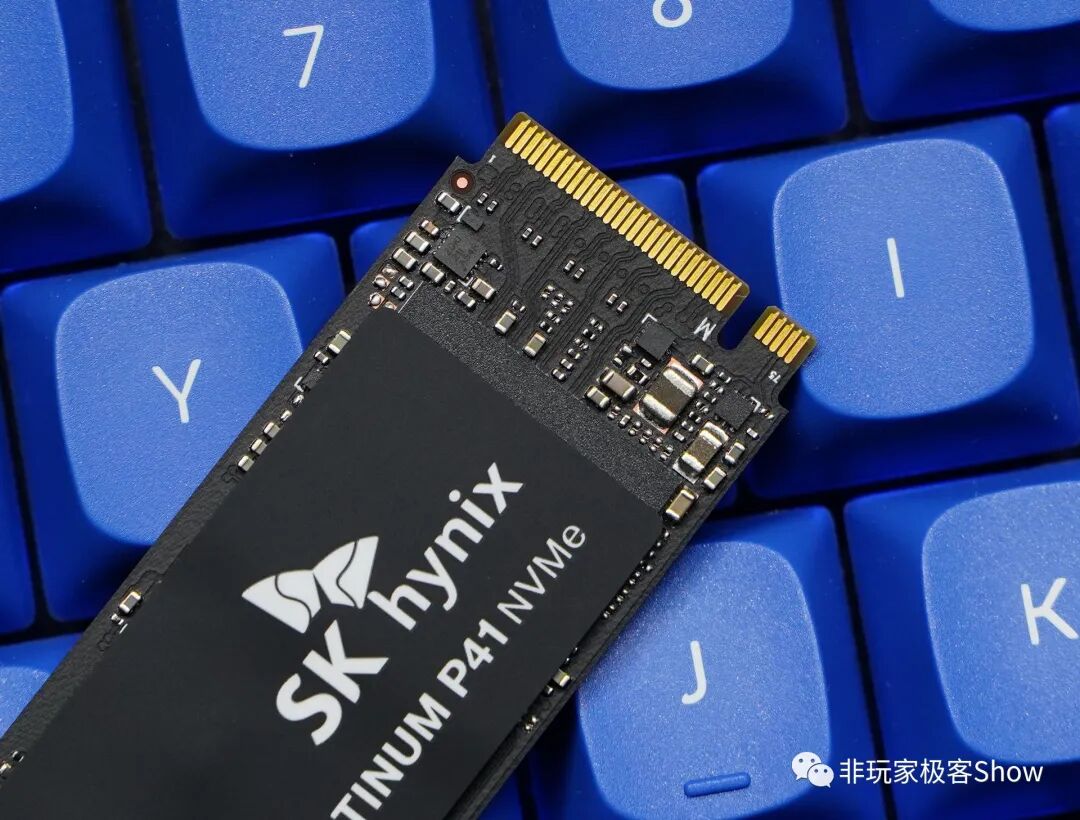
Close-up of the SSD’s gold finger contact details.
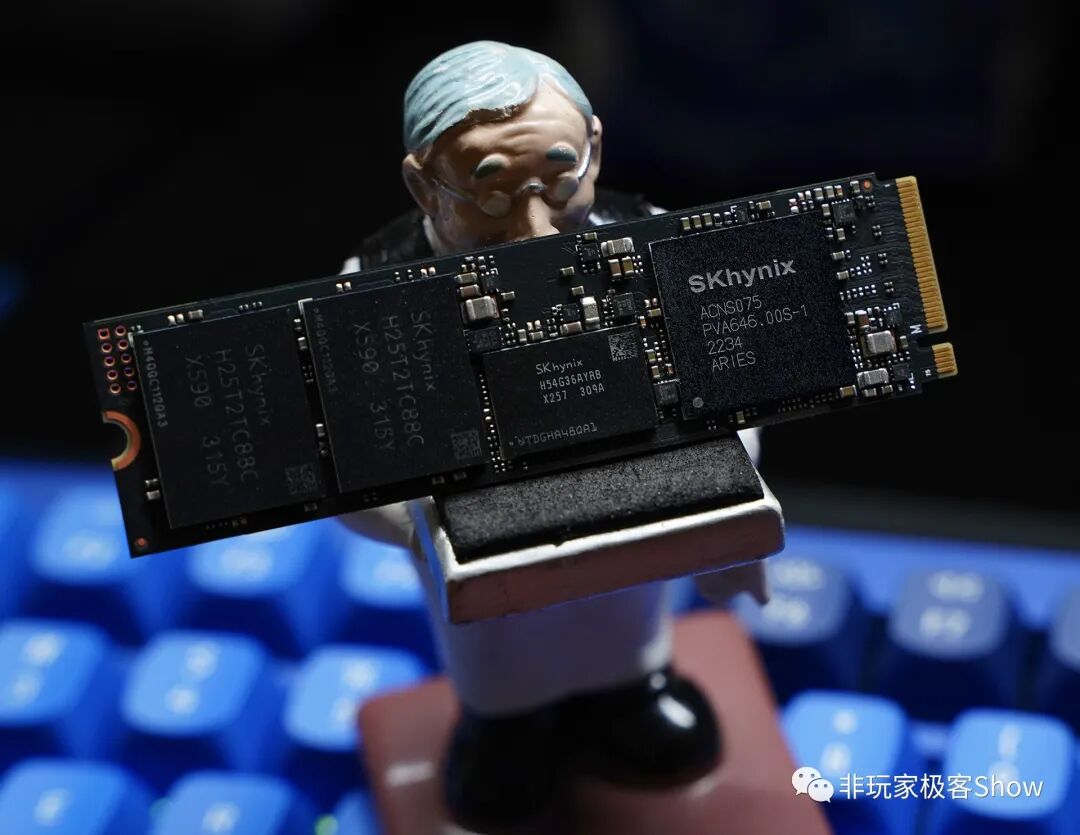 When acquiring an SSD, one must consider the controller and flash memory chips. The P41 is equipped with the Hynix ACNS075, which has a nice Chinese name, “Aries.” It uses TSMC’s 12nm process and features a3 core ARM Cortex-R8 + Cortex-M7 SoC, supporting 8-channel read and write, with each channel’s flash interface transmission speed reaching 1600MT/s.The memory chips to the left of the controller are LPDDR4, used to store the FTL mapping table that records data locations. SSD read and write operations require querying this record table; to achieve fast read and write speeds, this mapping table needs to be stored in high-performance DRAM memory chips, effectively enhancing the SSD’s read and write performance. However, this comes at a higher cost, and high-performance DRAM is easily accessible for Hynix, allowing the P41 series SSDs to achieve a balance of performance and cost.
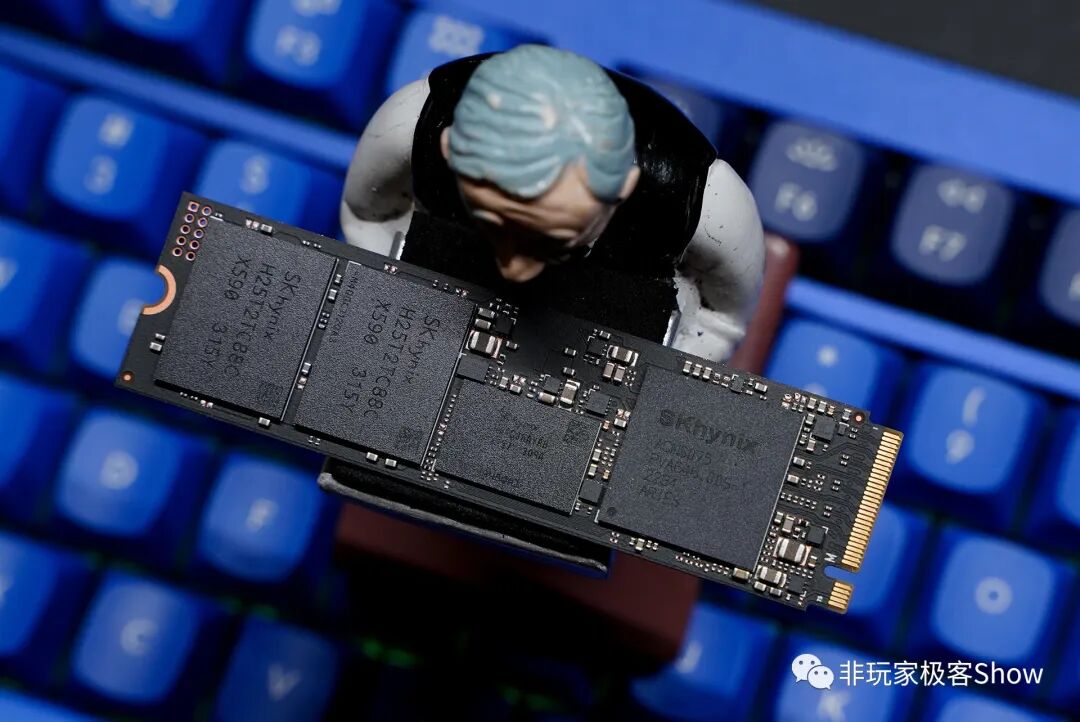
To the left are the flash memory chips, which are Hynix’s specialty. The P41 uses Hynix’s 176-layer stacked4D NAND TLC chips, supporting the ONFI 4.2 protocol, with a flash transmission speed of 1600MT/s, perfectly matching the specifications of the controller. Each flash chip has a capacity of 512GB, with two chips combined to form 1TB.
Performance Testing:
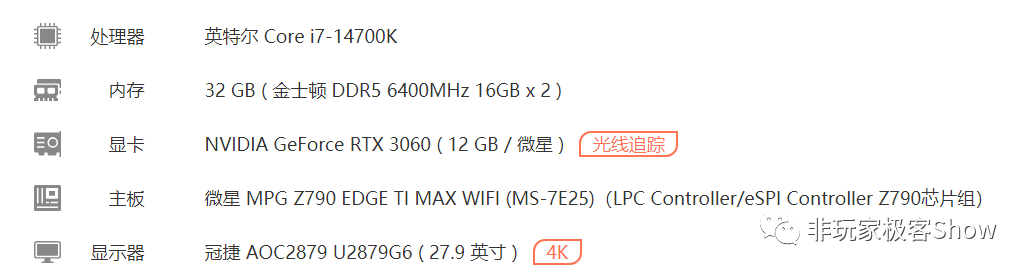
Test platform configuration overview: i7 14700K + MSI Z790 EDGE TI MAX motherboard + Kingston DDR5 6400MHz 32GB memory
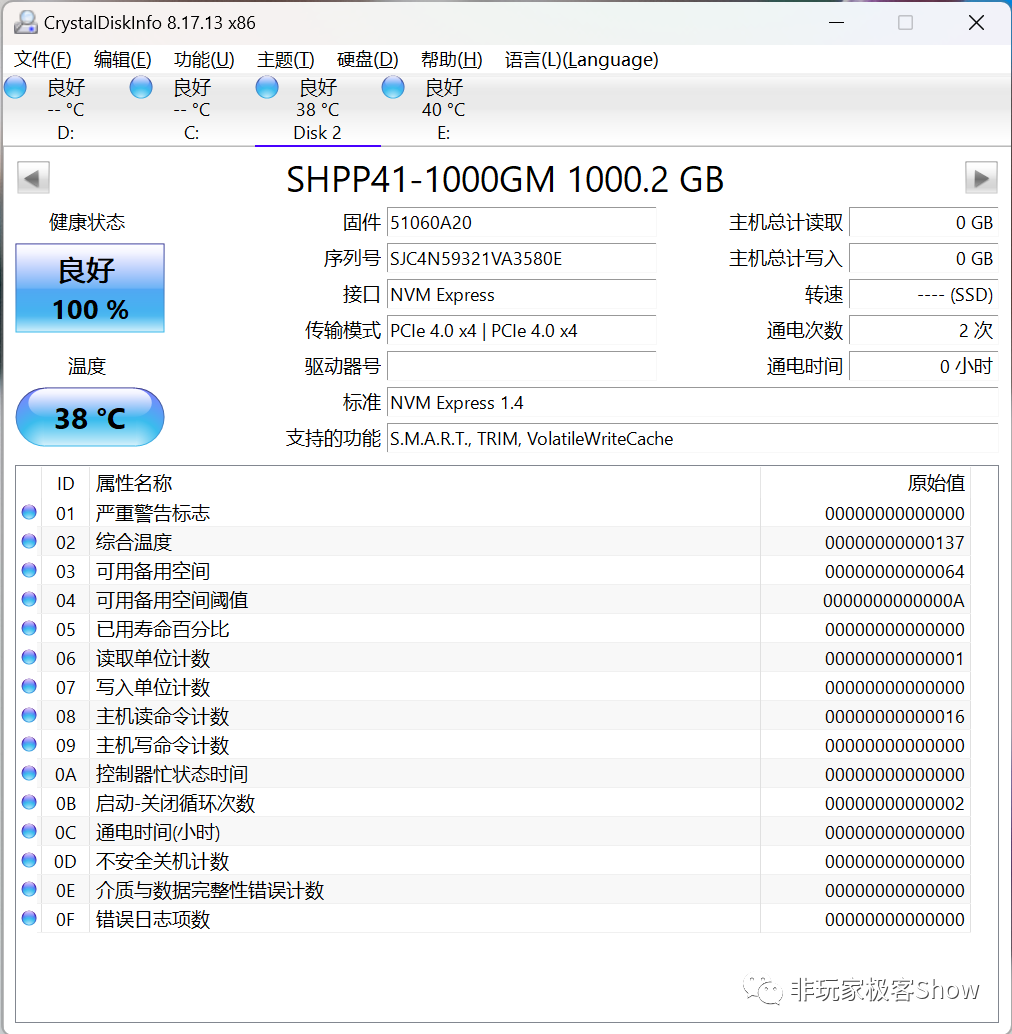
CDI basic information overview shows that the P41’s idle temperature is quite good, at only 38℃.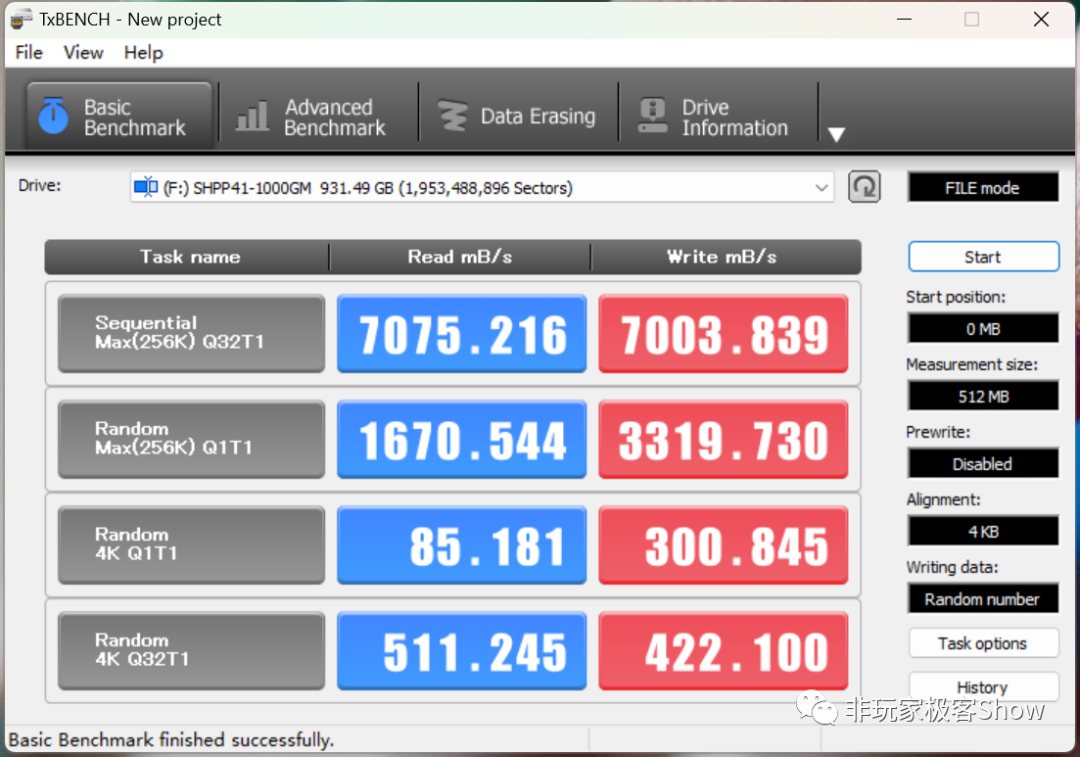
Using TxBENCH for testing, the sequential read and write speeds were 7075MB/s and 7003MB/s, respectively, surpassing the official claimed speeds, especially noticeable in the write speed.
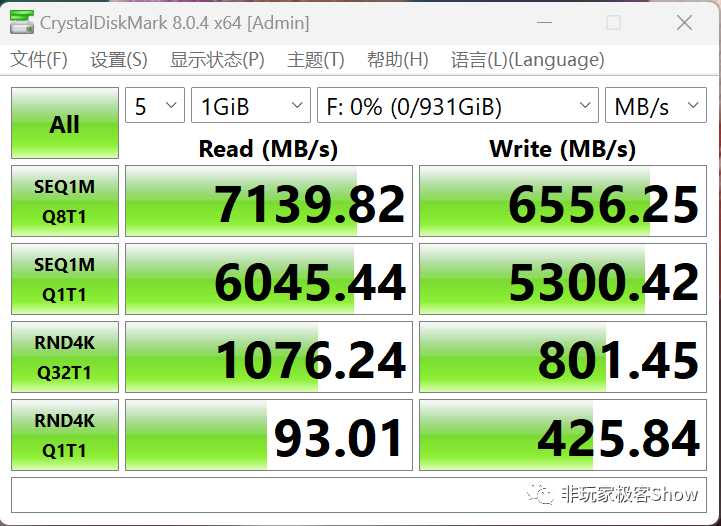
The results from CrystalDiskMark were similar, indicating that the Hynix P41’s performance is indeed impressive!
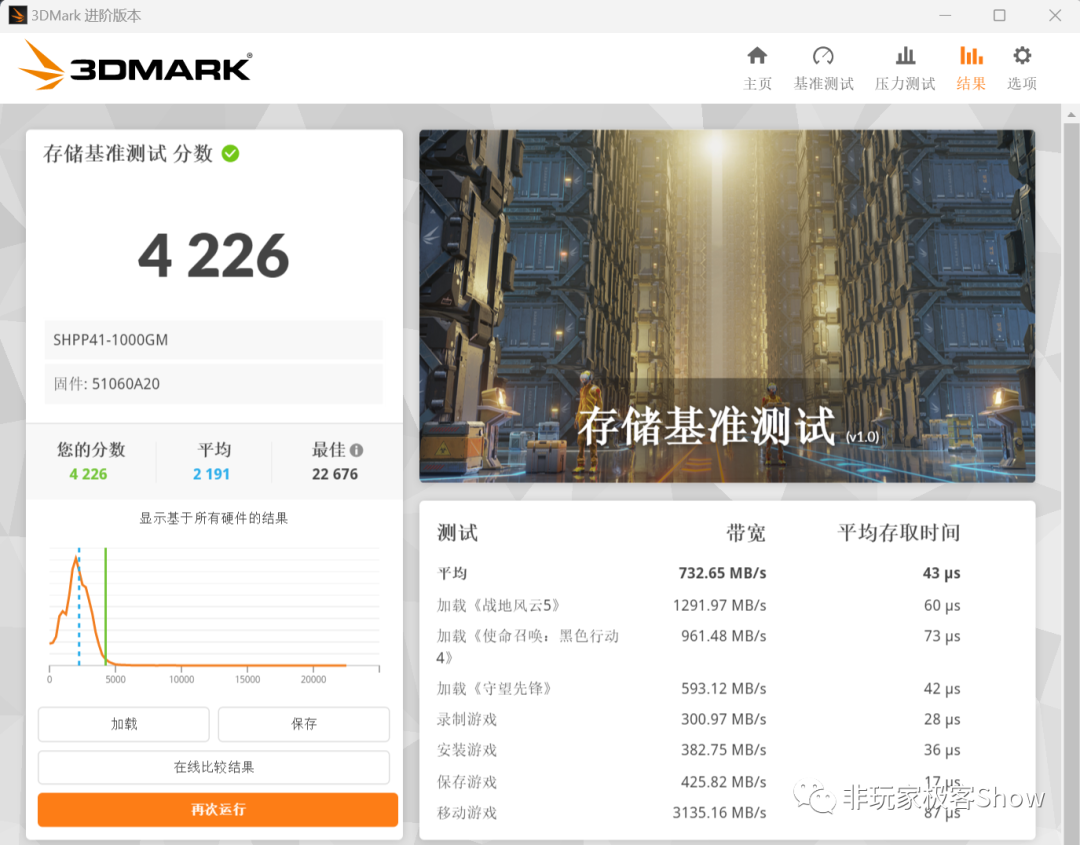
In the 3DMARK storage benchmark test, the P41 scored 4226, significantly exceeding the average score of 2191.
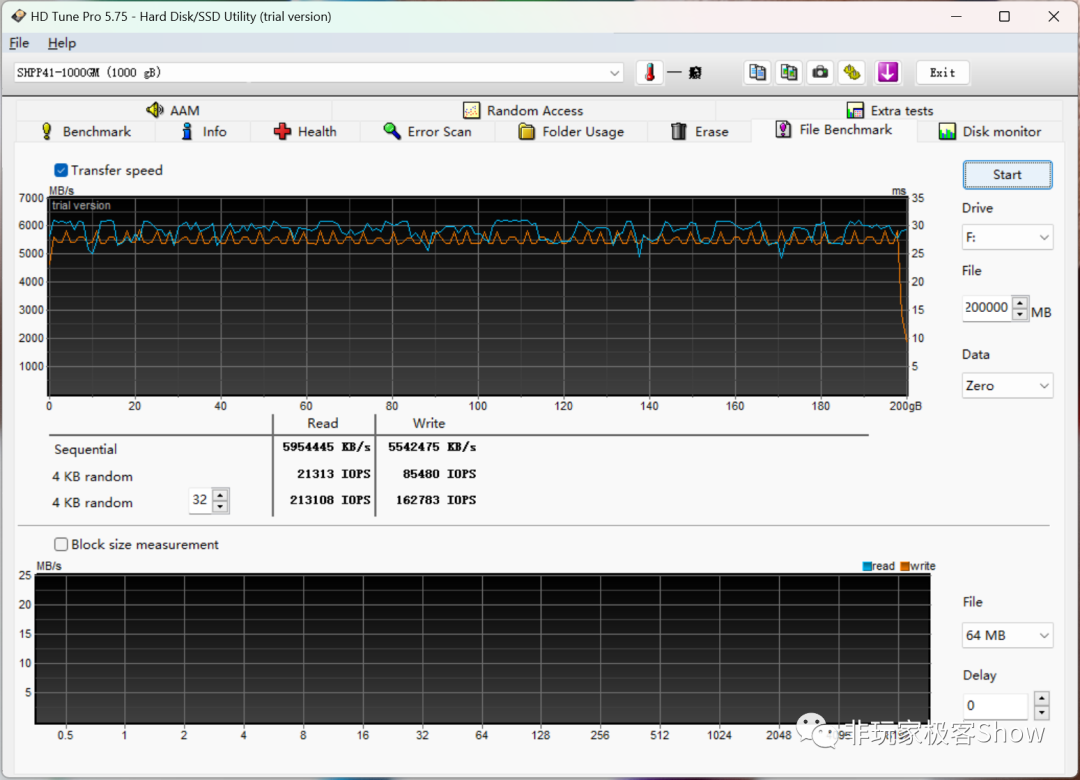
In the HD TUNE PRO test, I performed a write test of 200GB on the P41 1TB, discovering that the product’s simulated SLC cache size is around 190GB. Even after exceeding the 190GB cache capacity, the performance remained around 2000MB/s, which is quite impressive!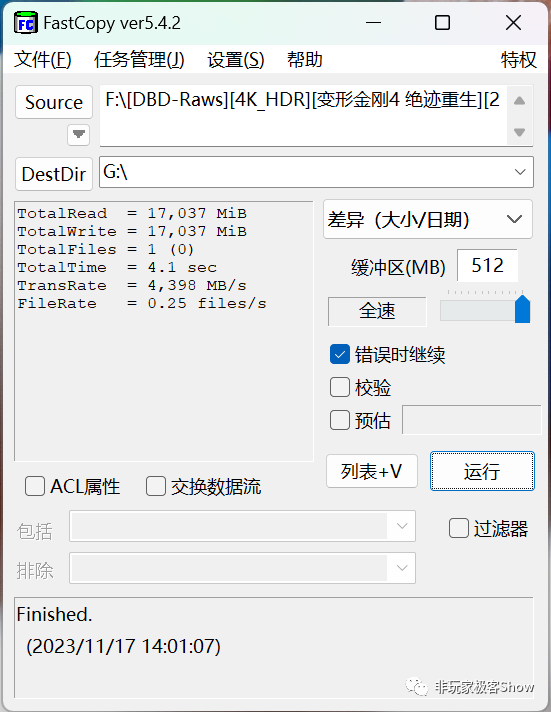
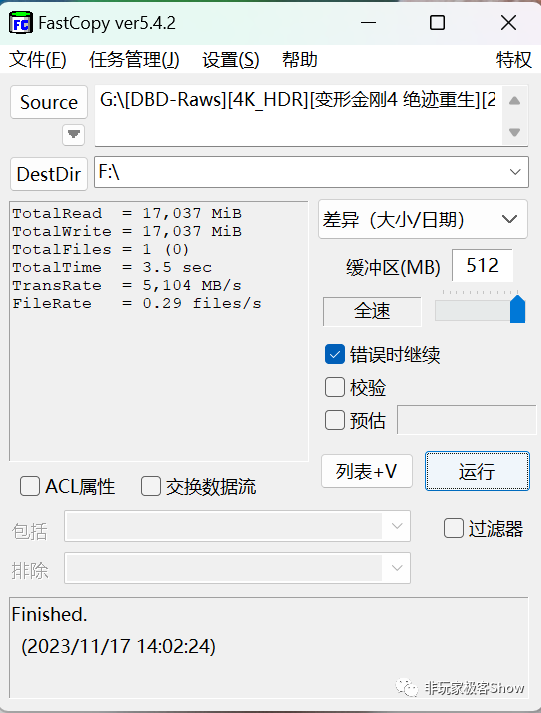
Using fast copy to transfer a 16GB 4K movie file to the P41, the completion time for both copying and pasting was under 5 seconds. Transferring large files in seconds is no longer a dream; this is the charm of technological advancement.
Temperature Performance:
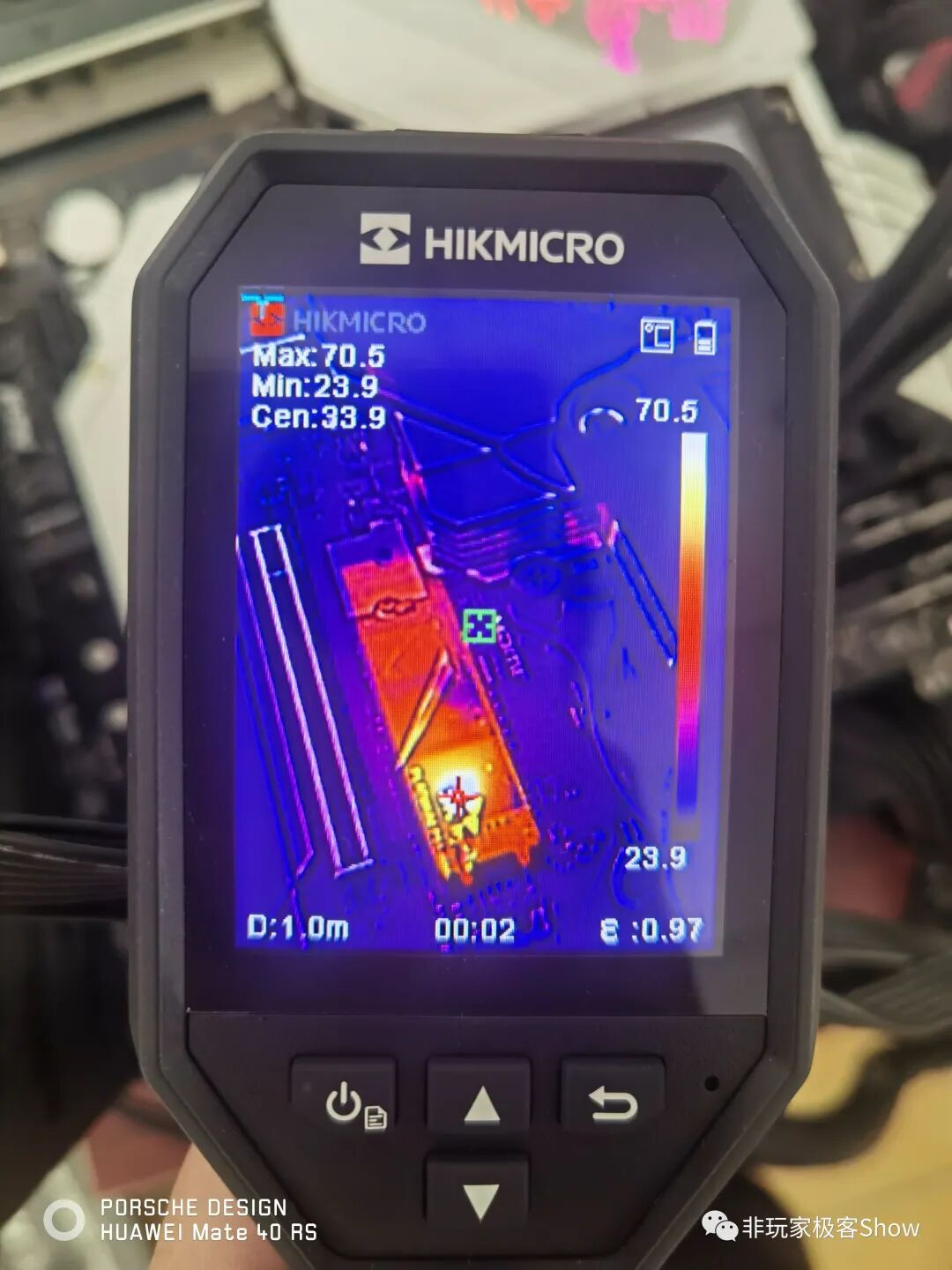
During the read and write tests, I used thermal imaging to check the product’s temperature. The highest temperature of the P41 under high load was located at the controller position, reaching a maximum of70.5℃. Given that it is not equipped with a metal heatsink, this temperature is understandable. However, most motherboards now come with M.2 heatsinks, which should significantly reduce heat when used.
Conclusion: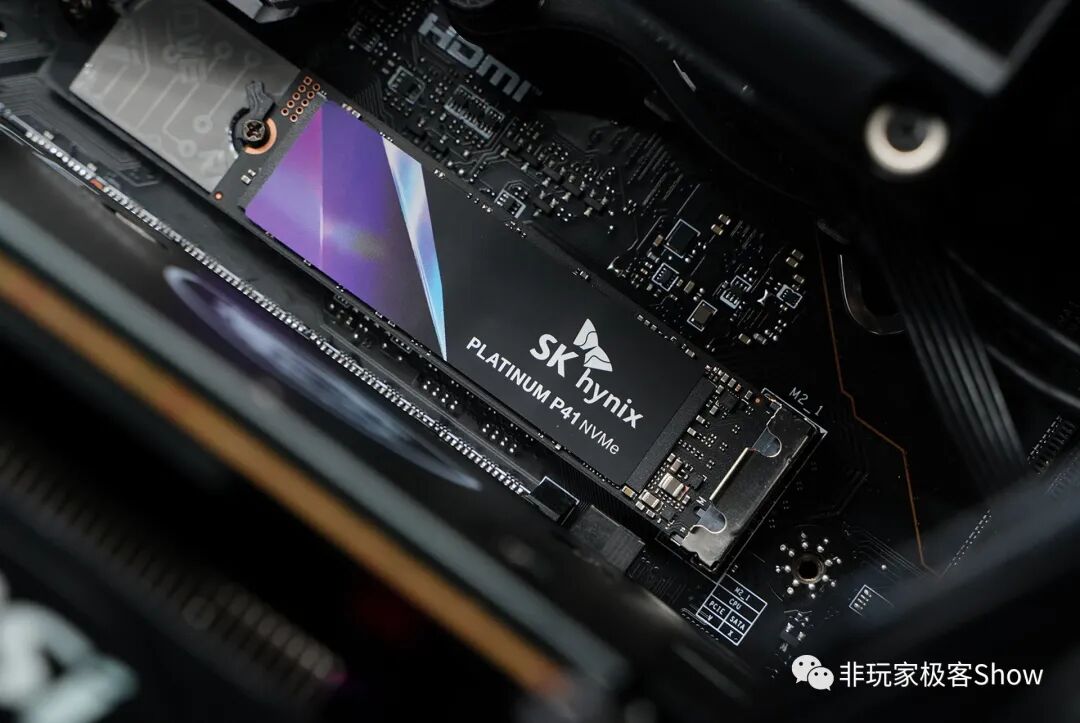
I must say, in the 500 price range, I have rarely seen a high-performance PCIe 4.0 product like the Hynix P41 1TB, which has the advantage of being fully self-sourced. The flash memory, controller, and cache are all produced in-house, and the quality is excellent. The five-year warranty also provides peace of mind: 1000 hours of high-temperature operation life, with an average failure interval of up to 1.5 million hours. This can be considered the perfect bucket PCIe 4.0 SSD in my opinion, with virtually no shortcomings. If I had to point out a downside, it would be the lack of a metal heatsink; I believe that including one at this price point would make it perfect. Thank you for reading, and feel free to show your support with likes and donations.