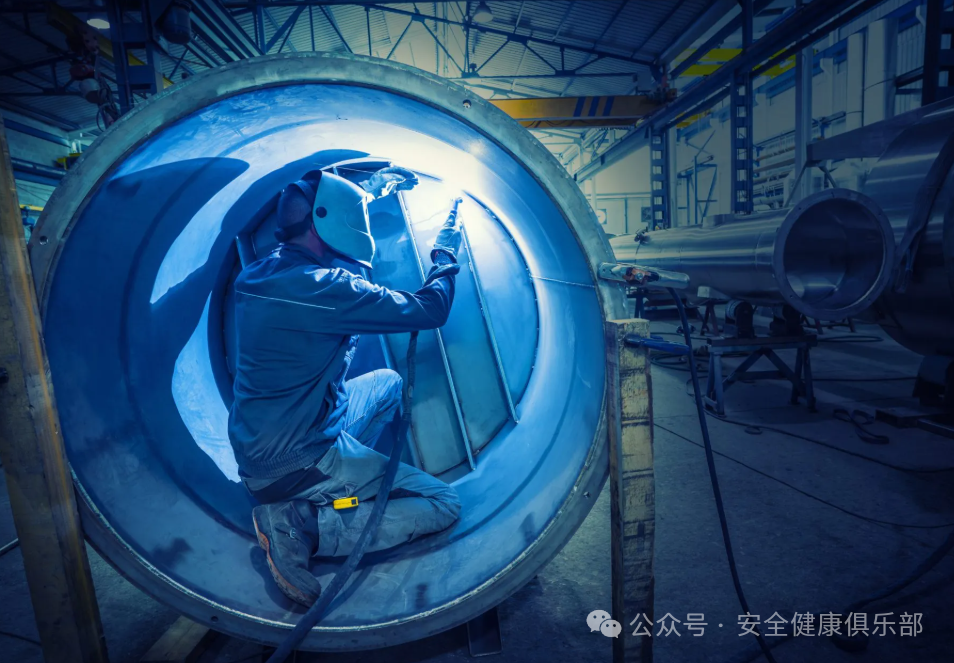
1. Purpose of the Standard
ANSI/ASSP Z117.1-2022 “Safety Requirements for Entering Confined Spaces” provides critical safety guidelines for the chemical industry. In chemical production environments, confined spaces such as mixing tanks, raw material storage tanks, sewage pits, and sealed containers pose fatal risks—oxygen deficiency, toxic gas accumulation, and chemical vapor hazards constantly threaten employee safety. This standard helps enterprises prevent accidents during confined space operations through systematic safety requirements, ensuring the safety of personnel.
2. Acquisition of the Standard
Standard Name: ANSI/ASSP Z117.1-2022 Safety Requirements For Entering Confined SpacesIssuing Organization: American National Standards Institute (ANSI) and American Society of Safety Professionals (ASSP)Scope of Application: Applicable to safety requirements for entering, exiting, and working in confined spaces under atmospheric pressure, such as mixing tank side stirring maintenance and sewage pit membrane replacement in the chemical industry.
English Link: https://my.assp.org/s/product-details?id=a1BUJ000004hFvQ&_ga=2.114003919.936356942.1756611851-1723624979.1756611851
3. Structured Interpretation
1. Identification and Classification of Confined Spaces
The standard clearly defines the characteristics of confined spaces: sufficient to accommodate personnel, primarily not occupied by humans, and with restricted access. Typical confined spaces in the chemical industry include raw material storage tanks, mixing tanks, and sewage treatment pits.
2. Hazard Control
-
Gas Hazard Control: Requires testing oxygen concentration (19.5%-23.5%), combustible gases, and toxic gases before entry.
-
Energy Isolation: Strictly implement lockout/tagout procedures to isolate all energy sources.
-
Ventilation Requirements: Mandatory mechanical ventilation to ensure air circulation.
3. Management of Work Procedures
-
Establish a permit system and implement work approval procedures.
-
Clearly define the responsibilities of the entry team: entry supervisor, safety monitor, and workers.
-
Equip appropriate personal protective equipment and rescue equipment.
4. Training and Emergency Preparedness
Comprehensive training is required for all participants, including hazard identification, equipment use, and emergency rescue, with at least one practical drill conducted annually.
4. Verification and Implementation
Verification:
-
Document Review: Check confined space logs, work permit records, and training files.
-
On-Site Testing: Use gas detectors to analyze the safety of the gas environment.
-
Equipment Inspection: Ensure ventilation equipment and rescue gear are in good working condition.
-
Drill Evaluation: Test emergency response capabilities through simulated drills.
Implementation:
-
Establish a Confined Space Management Log: Identify and label all confined space locations.
-
Develop Specific Work Procedures: Clearly define entry requirements for various types of confined spaces.
-
Equip Professional Equipment: Four-in-one gas detectors, forced ventilation equipment, rescue tripods.
-
Implement Tiered Training: Conduct differentiated training for different roles.
-
Establish Emergency Response Mechanisms: Ensure rescue procedures can be initiated within 5 minutes.
Chemical enterprises should focus on the risks of volatile gases generated by chemical residues, ensuring thorough cleaning and gas concentration testing before cleaning and maintenance operations.
#ChemicalSafety #ConfinedSpaceOperations #SafetyStandards #ANSI