As the global population ages, traditional elderly care models face challenges of resource shortages and inadequate services. According to statistics, the population aged 60 and above in China has exceeded 260 million, leading to an explosive growth in demand for elderly care. Against this backdrop, artificial intelligence and robotics are gradually being integrated into the elderly care sector, providing safer and more convenient living support for seniors. AI-driven elderly care not only enhances nursing efficiency but also predicts health risks through data analysis, enabling proactive interventions. For instance, intelligent systems can learn the daily habits of the elderly, automatically adjust the home environment, and reduce the occurrence of accidents. This transformation is not only a technological innovation but also a deepening of humanistic care, allowing technology to warm every silver-haired moment.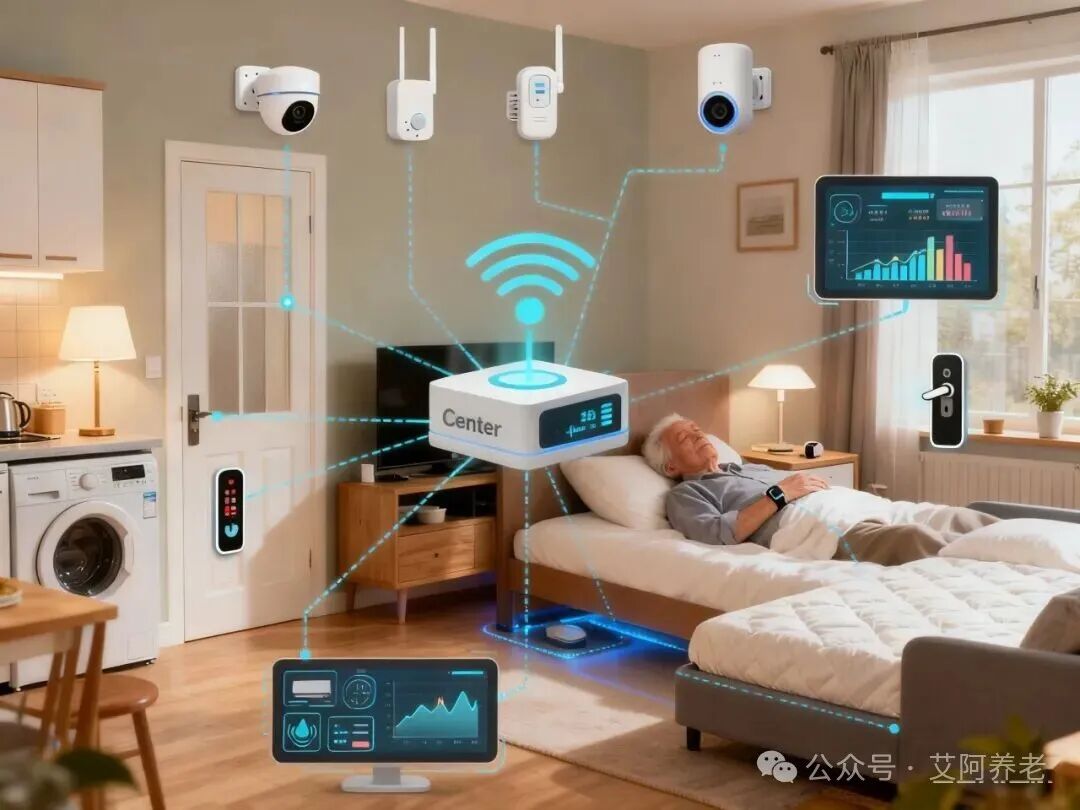
The Internet of Things (IoT) technology is at the core of AI elderly care and has been successfully piloted in multiple communities. By deploying sensor networks and smart gateways, communities have achieved real-time collection and transmission of elderly living data. For example, in a senior apartment in Shanghai, the IoT system connects devices in bedrooms, bathrooms, and common areas to monitor the elderly’s activity patterns, sleep quality, and environmental parameters. After data is uploaded to a cloud platform, AI algorithms analyze it to identify abnormal patterns such as falls or prolonged inactivity, automatically notifying family members or caregivers. This system not only reduces labor costs but also improves response speed, allowing seniors to enjoy seamless intelligent protection. Community elderly care has thus bid farewell to isolation and entered a new era of connectivity.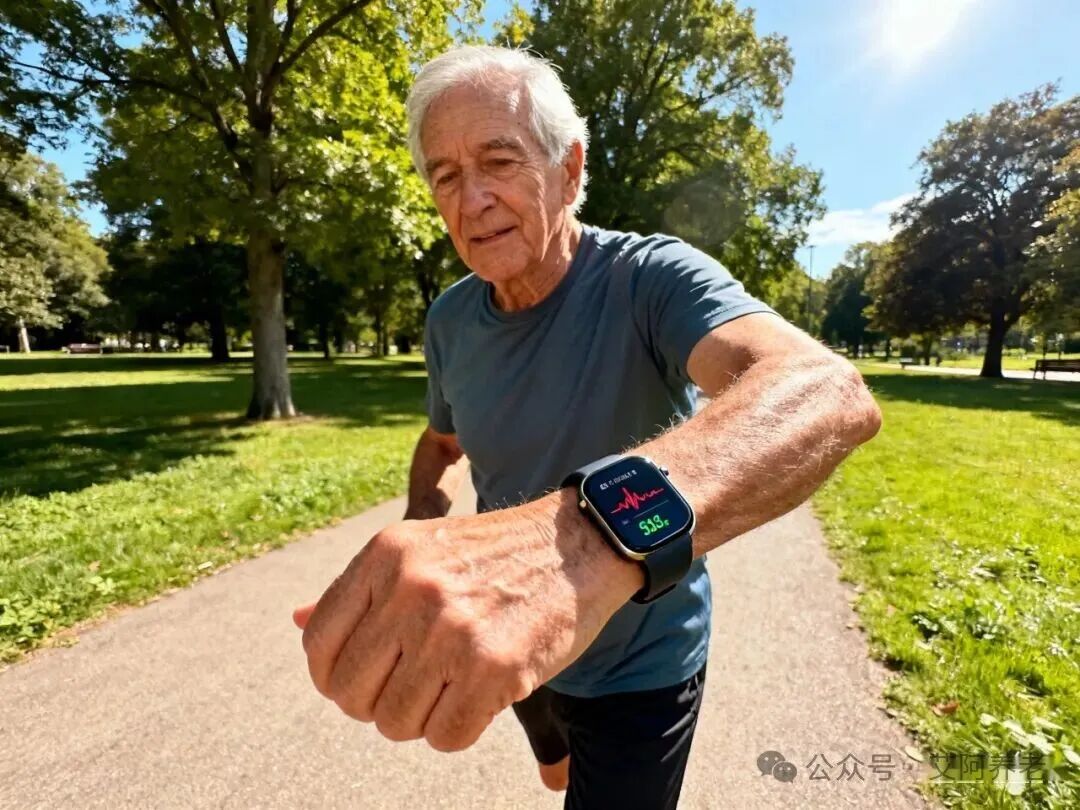
Smart wearable devices and environmental sensors are key components of the IoT health management system. Smart wristbands or chest cards worn by the elderly are equipped with various sensors that can track heart rate, blood pressure, location, and activity status in real-time. Once an anomaly is detected, such as a sudden change in heart rate or a fall, the device immediately issues an alert and guides rescue efforts through GPS positioning. Additionally, smart cameras and motion sensors installed in the home environment can monitor daily activities to avoid risks associated with living alone. For example, a certain brand of smart mattress can monitor breathing and turning frequency, providing early warnings for potential health issues. These devices not only ensure the physical safety of the elderly but also accumulate data to inform personalized care plans, ensuring that care is always present.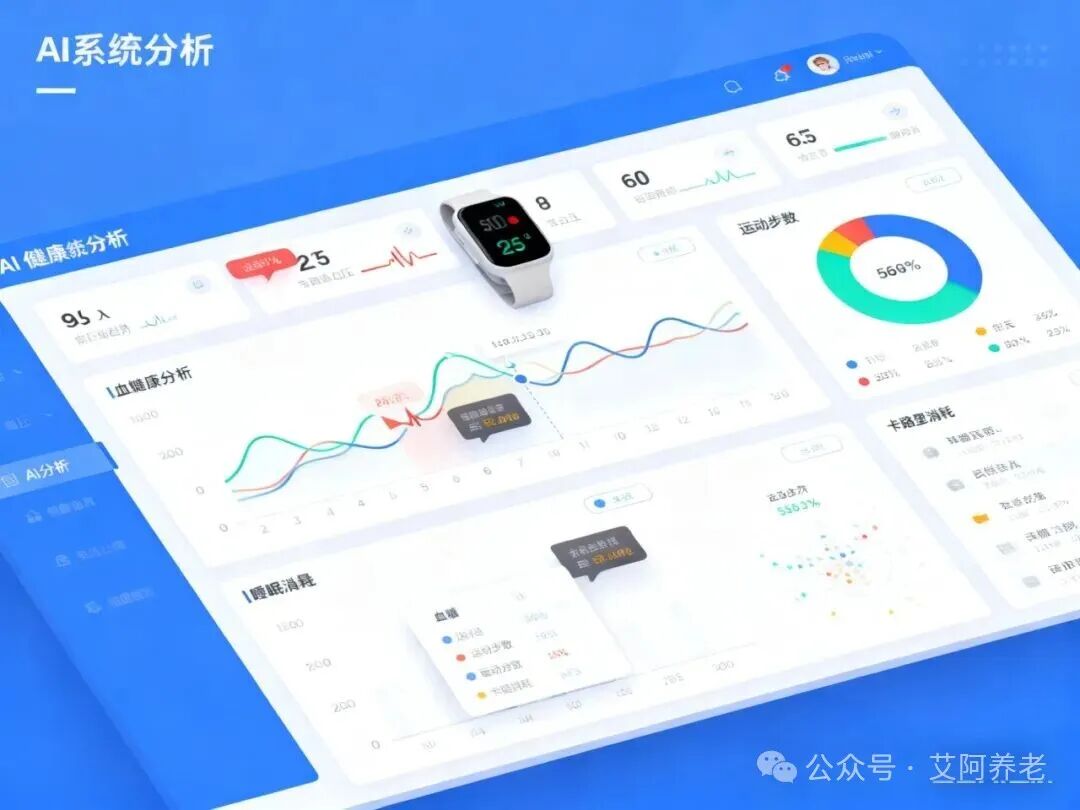
Artificial intelligence, through machine learning and natural language processing, provides precise health management services for the elderly. AI systems can analyze medical records, wearable device data, and daily behaviors to generate health reports and predict disease risks. For instance, data-driven models can identify early signs of cognitive impairment and suggest interventions such as cognitive training or dietary adjustments. Moreover, voice assistants like smart speakers can answer health inquiries, remind medication schedules, and even engage in simple emotional exchanges to alleviate feelings of loneliness among the elderly. In community clinics, AI-assisted diagnostic tools help doctors quickly assess conditions, improving diagnostic efficiency. This technology not only enhances the utilization of medical resources but also empowers the elderly with greater autonomy, shifting the focus from treatment to prevention.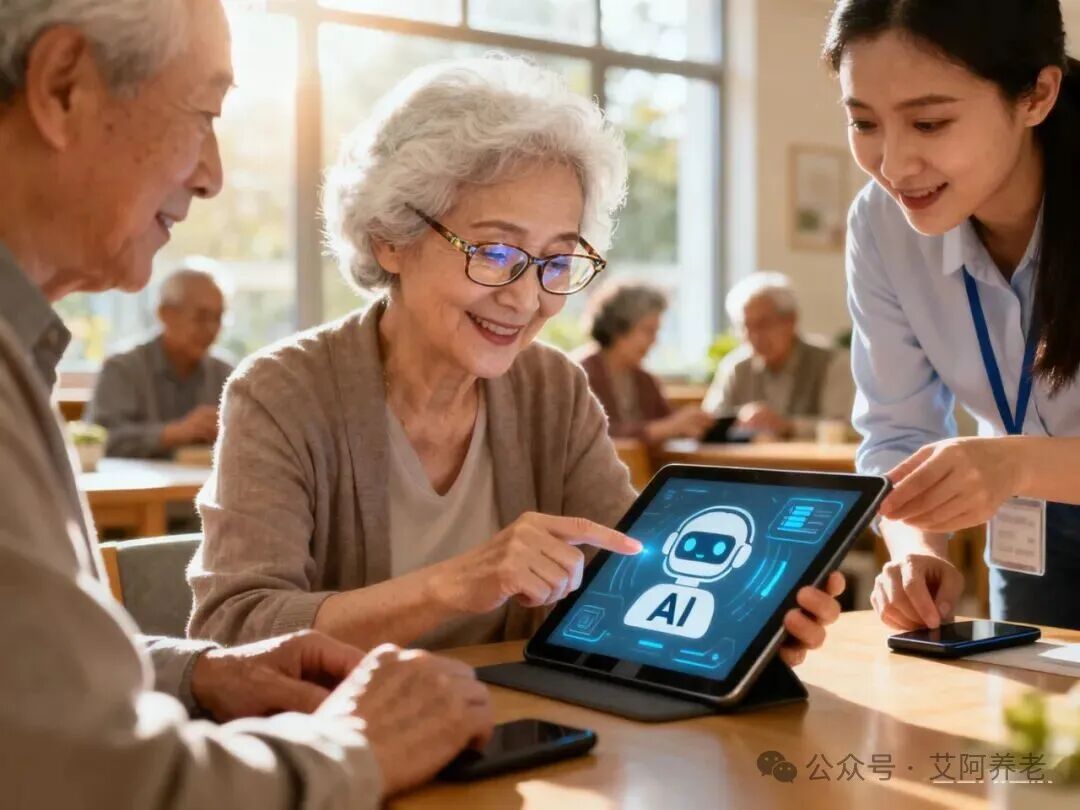
Service robots are playing an increasingly important role in elderly care, providing comprehensive support from basic nursing to emotional companionship. For example, nursing robots can assist with turning, feeding, and cleaning, alleviating the burden on caregivers; companion robots can interact through conversation, games, and music to relieve psychological stress among the elderly. In some pilot projects, robots can also guide seniors through rehabilitation exercises, record progress, and adjust plans accordingly. More advanced humanoid robots possess facial recognition and emotional response capabilities, providing customized interactions based on the emotional changes of the elderly. These robots not only enhance the quality of care but also compensate for the shortage of human resources, making technology a warm companion that safeguards every ordinary day.
The future of AI-driven elderly care is full of potential, but it also faces challenges such as data privacy, technology dissemination, and cost control. With the development of 5G and edge computing, IoT systems will become more efficient, achieving more precise predictions and responses. At the same time, policy support and social consensus are key to promoting widespread adoption. We look forward to a future where AI and robotics can deeply integrate, building an inclusive and intelligent elderly care ecosystem that allows every senior to enjoy their golden years. This requires not only technological innovation but also guidance from humanistic care, ensuring that technology serves humanity rather than replacing human warmth.