1. Principle of Short Circuit Isolator
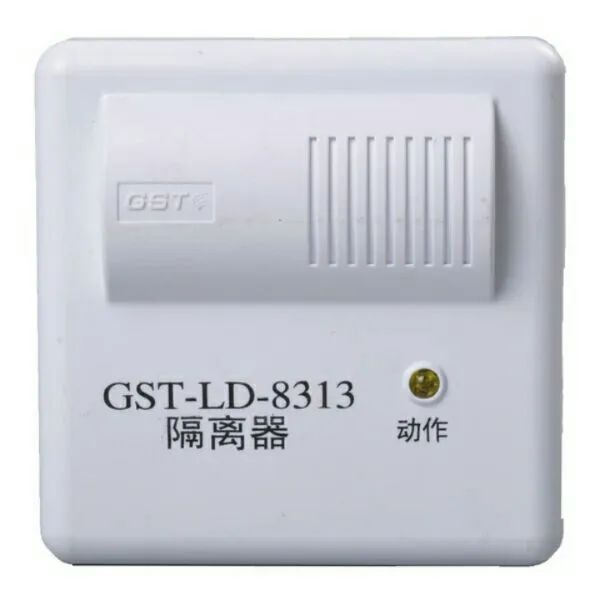
The short circuit isolator is a device used in the transmission bus of fire alarm systems to isolate branch line short circuits. It can automatically make the ends of the short-circuited part present a high-resistance state or open circuit state, preventing damage to the controller and not affecting the normal operation of other components on the bus. When the short circuit fault is eliminated, it can automatically restore the normal operation of this part of the circuit.
The short circuit isolator acts like an automatic switch, isolating the controller from the external alarm device that experiences a short circuit. When a grounding or short circuit fault occurs in the external line, the isolator automatically disconnects. At this time, the external alarm device line will be disconnected from the main line of the fire control center, and other circuit devices are not affected. When the external device line returns to normal, the “reset” operation can be performed on the fire control main unit to restore normal operation.
2. Function of Short Circuit Isolator
Used in the secondary bus input circuit, when a short circuit occurs at a certain point in the control bus input circuit, the isolator at the front end of that point operates, automatically disconnecting the output bus circuit, protecting other parts of the bus input circuit to operate normally. Once the fault point is cleared, the short circuit isolator automatically reconnects the bus circuit.
It can prevent a short circuit or grounding in a certain circuit from causing current to return to the fire control main unit, affecting other fire circuits. In severe cases, it may damage the circuit board and motherboard of the fire control main unit, leading to system paralysis. Installing a short circuit isolator can protect the fire control main unit and ensure other circuits operate normally.
3. Setting of Bus Short Circuit Isolator
1. When the bus crosses fire compartment boundaries, a bus short circuit isolator should be set at the crossing.
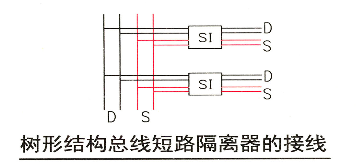
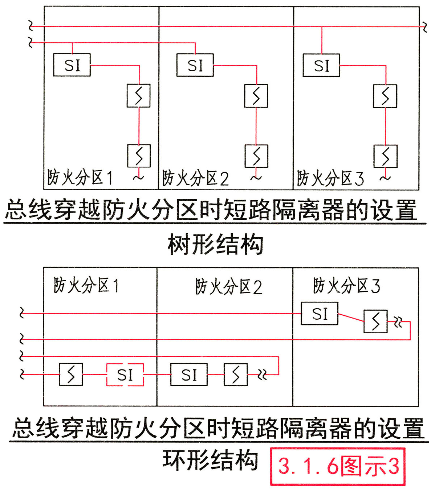
In Figure 3, the bus only crosses the fire compartment, and no devices are connected within the fire compartment. In this case, a short circuit isolator does not need to be set within that fire compartment.
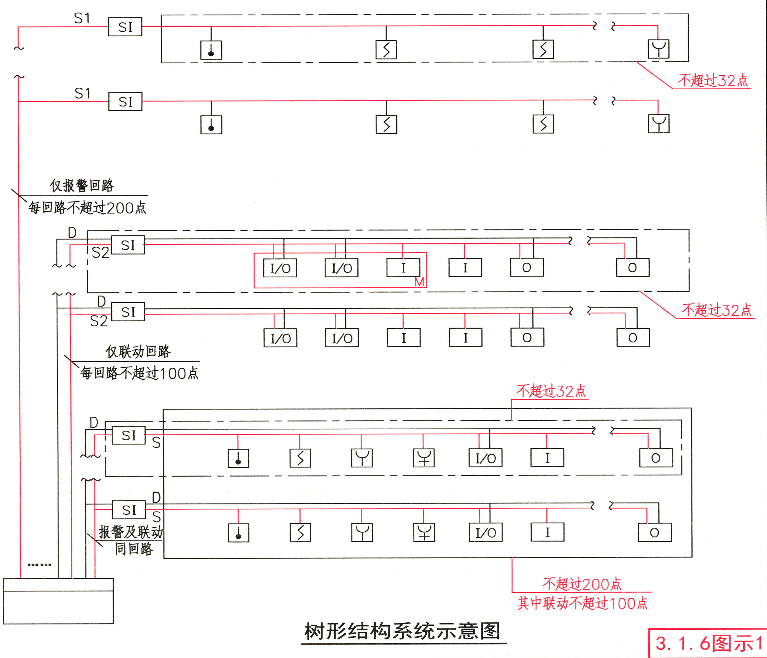
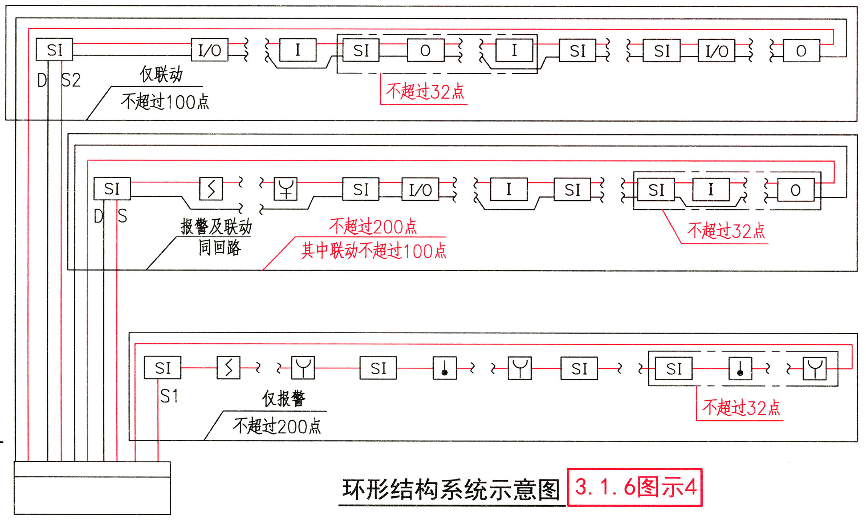
2. A bus short circuit isolator should be set on the system bus, and the total number of fire detectors, manual fire alarm buttons, and modules protected by each bus short circuit isolator should not exceed 32 points.
This stipulates the requirements for setting short circuit isolators on the bus, specifying that the number of field components protected by each short circuit isolator should not exceed 32 points. This is to ensure that when a field component fails, the short circuit isolator can isolate the faulty component while maximizing the overall functionality of the system.
3. In buildings taller than 100m, except for controllers set in the fire control room, each controller should not directly control fire detectors, manual alarm buttons, and modules that cross refuge floors.
4. Bus short circuit isolators can be installed in module boxes or mounted on walls nearby, with a bottom edge height of 2.2m from the ground. When installed in ceilings, the bottom edge should be 0.2m from the ceiling, and nearby maintenance ceilings should be marked clearly.