[University of Michigan, Ann ArborTheodore Goodson III]Published on 2025.9.9

Research Highlights
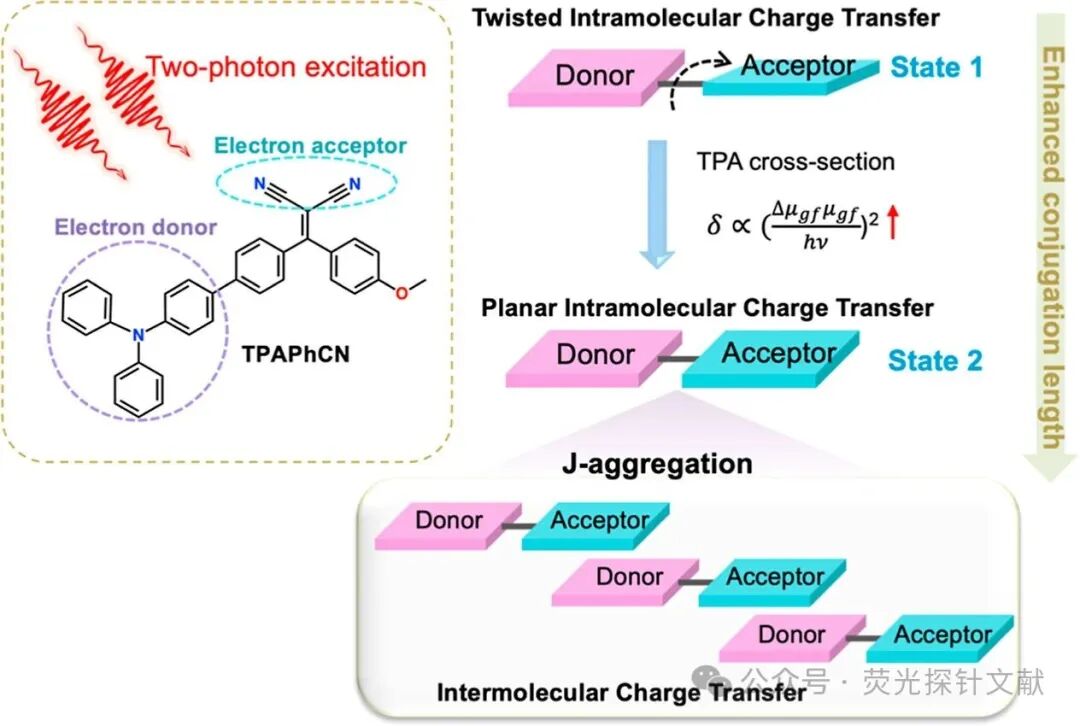
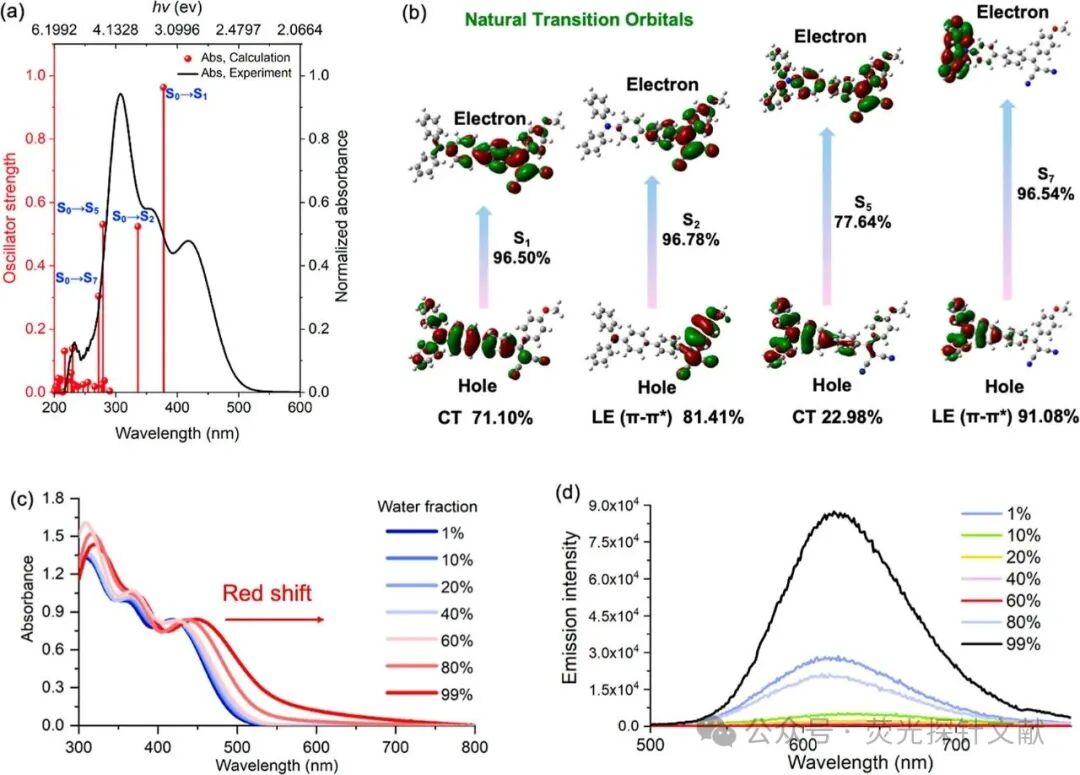
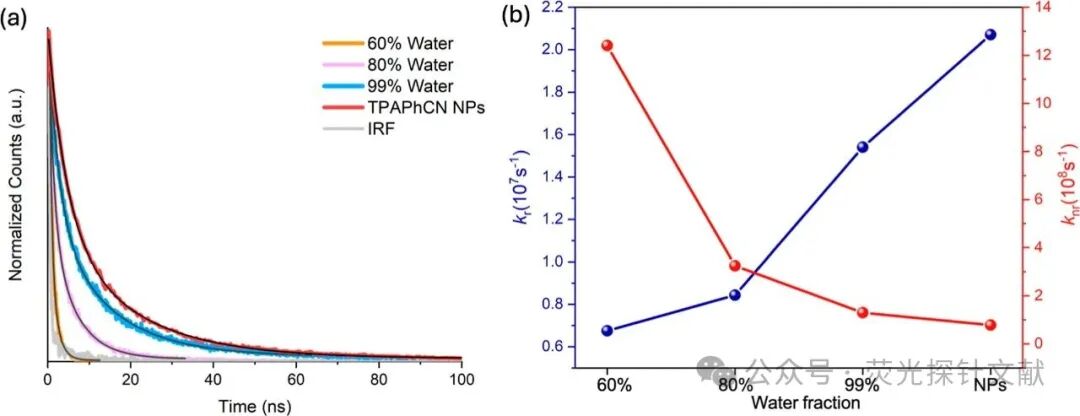
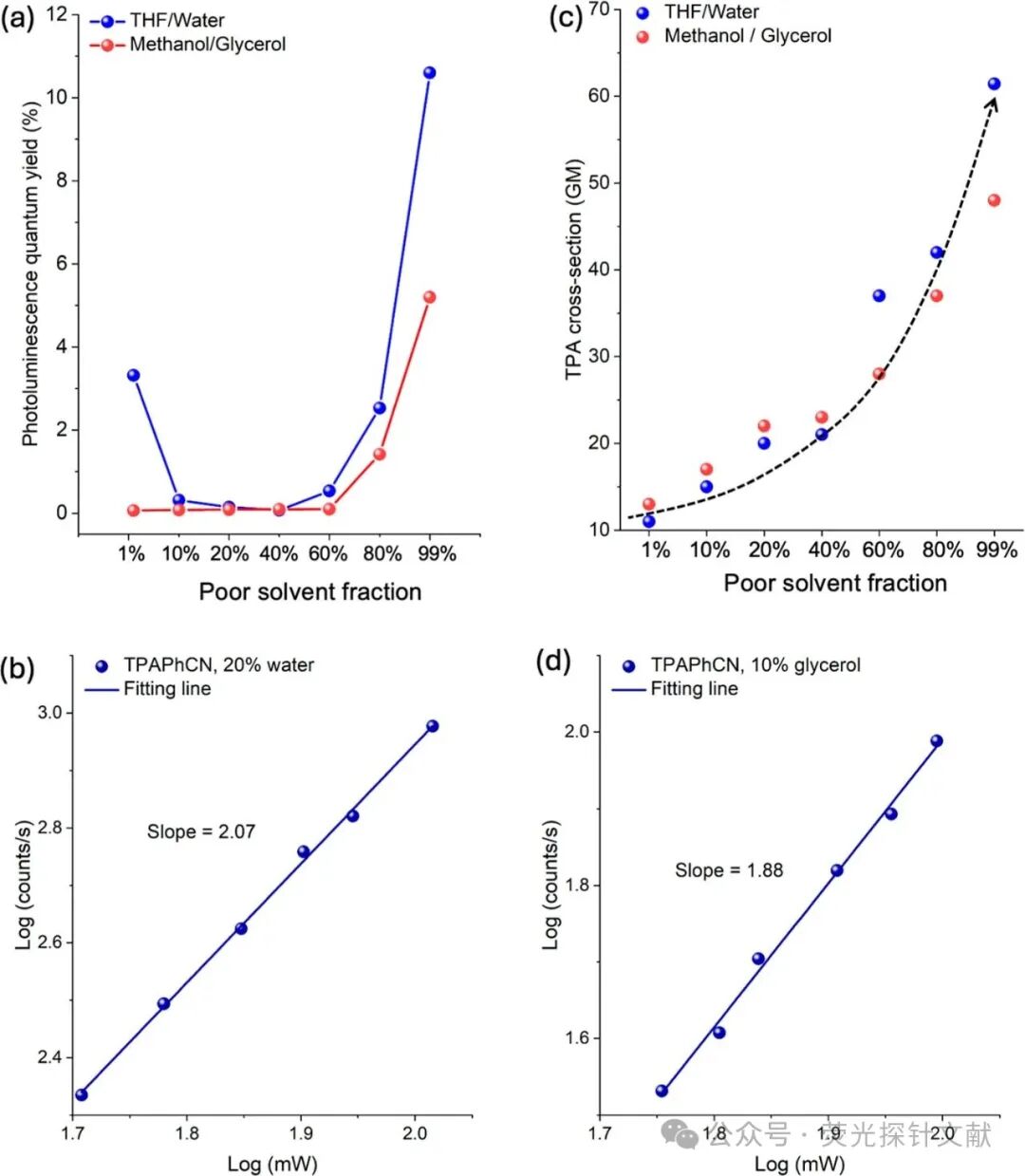
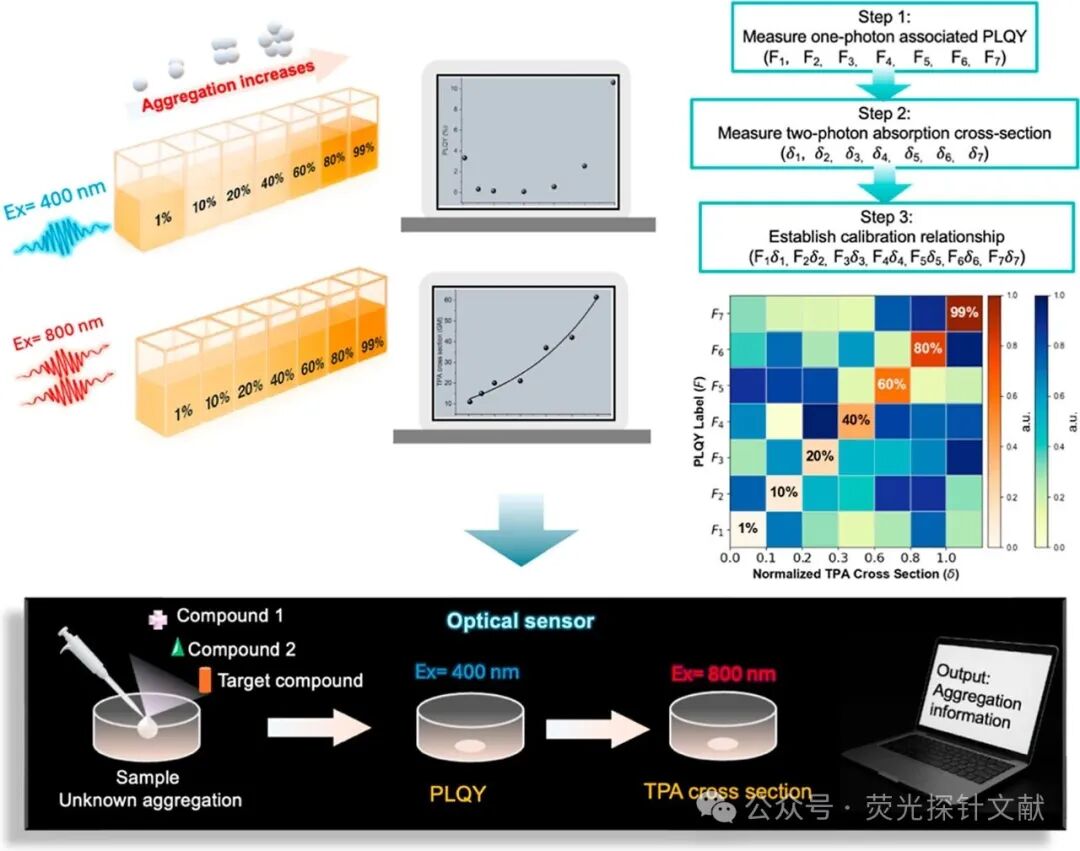
Understanding how molecular aggregation affects nonlinear optical properties is crucial for advancing the development of organic fluorophores in imaging, sensing, and photonic applications. However, the relationship between molecular aggregation and the intensity of the nonlinear two-photon absorption cross-section remains underexplored. This paper systematically investigates the aggregation-dependent two-photon absorption characteristics of the fluorophore TPAPhCN by controlling the degree of aggregation. We observed that as the fluorophore transitions from a monomeric state to a highly aggregated state, the two-photon absorption cross-section exhibits a stable increase. The study found that the two-photon absorption signal appears at an early stage of aggregation, while single-photon excitation fails to detect this phenomenon. This difference between nonlinear and linear optical responses enables the construction of dual-mode optical features, allowing TPAPhCN to serve as a self-reporting probe for monitoring each aggregation state. This work provides a sensitive and structurally responsive platform for precise aggregation state sensing in complex environments and opens new opportunities for material diagnostics and smart optical sensing systems.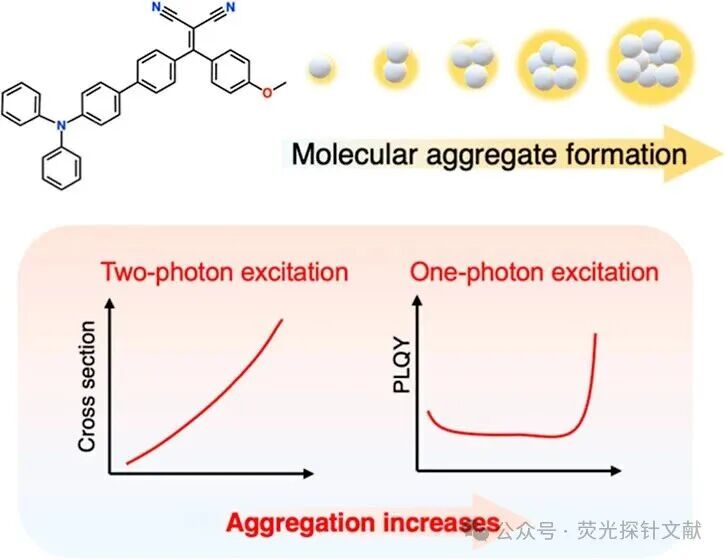
Research Content
Original Link:https://pubs.acs.org/doi/10.1021/jacs.5c09619