Today, a friend in the group felt that the development of RISC-V is slow? This person probably doesn’t understand the history, so let’s first talk about the concept of RISC, which has actually been proposed a long time ago. Back then, Patterson and his team at Berkeley introduced the RISC concept, which essentially aims to create a simple and efficient instruction set that flows smoothly like a pipeline, with the core idea being to “maximize the speed of commonly used operations.”
The full name of RISC is Reduced Instruction Set Computer.In Chinese, it translates to: 精简指令集计算机.
The now-popular ARM architecture derives its core idea from RISC, and now ARM has almost completely dominated the mobile device and embedded market, even making its presence felt in the server and PC fields, a definitive commercial success model of RISC.
After Patterson retired, he didn’t sit idle; he became the “leader” of the Berkeley RISC-V project, vigorously promoting open-source hardware. RISC-V, as an open-source instruction set architecture, aims to break the monopoly of proprietary architectures that are “closed-door manufacturing,” and is often referred to as the “Linux of hardware,” sparking a wave of innovation globally in recent years.
The full English name of RISC-V is:Reduced Instruction Set Computer – VIn Chinese, it can be translated as: 第五代精简指令集计算机.
Since its inception just over a decade ago, RISC-V has already “gone crazy” in the field of instruction set architecture, eliminating a host of competitors and developing at an astonishing speed.
In Taiwan, Andes Technology used to rely on its self-developed ISA to sell CPU IP, achieving impressive sales, but a few years ago decisively went all in on RISC-V; mainland China’s Zhongtianwei, once the champion of CPU IP sales, also turned to RISC-V after being acquired by the Pingtouge.
Companies like Espressif and Beijing Junzheng originally used other architectures but have also jumped onto the RISC-V track. The most astonishing is that even MIPS architecture’s “ancestor” MIPS Technologies ultimately chose to join RISC-V. With so many companies collectively “switching tracks,” who can compare to this development speed?
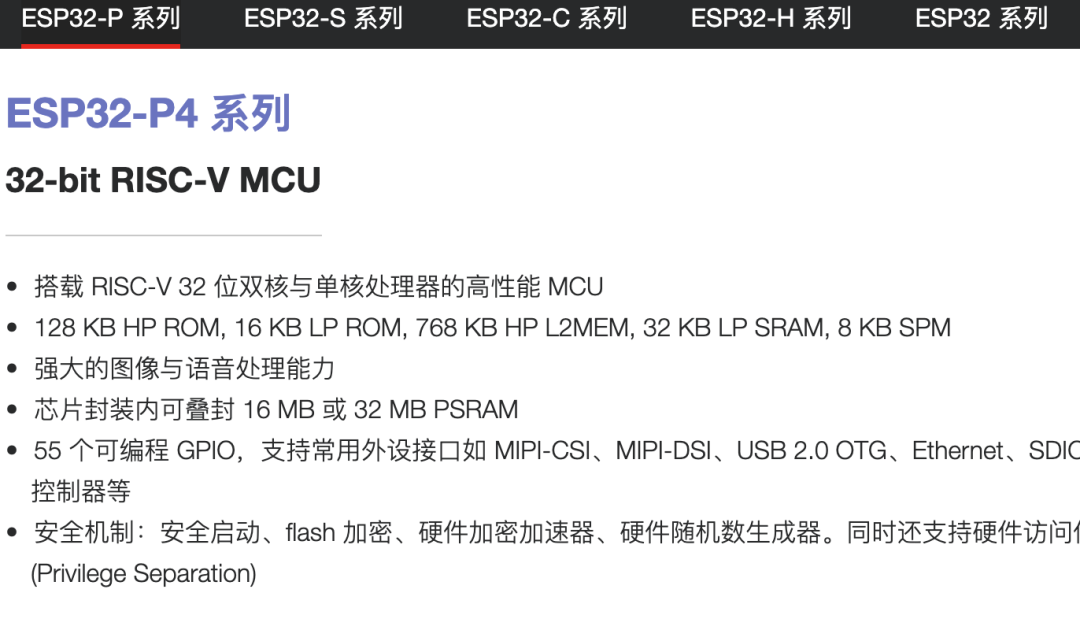
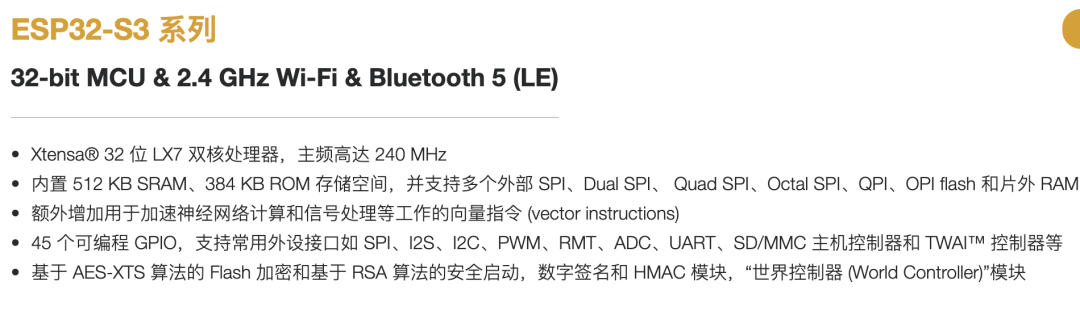
However, why do ordinary people not feel the popularity of RISC-V? Because RISC-V is currently mainly used in embedded devices, unlike phones and computers that clearly label the processor model. But in the industry, RISC-V has already started to “capture cities and territories,” quietly occupying the market!
Everyone can share in the comments which RISC-V chips they have used.