–Paper Information–
Professor Hongjian Lu’s team at Nanjing University has published the latest research progress on nitrogen atom manipulation in skeleton editing in the top international journal《Chem. Soc. Rev.》.
–Research Background–
The development of new strategies for the efficient activation of inert chemical bonds has opened up new pathways for constructing structurally unique and complex molecules. Over the past two decades, significant progress has been made in the functionalization of peripheral inert carbon-hydrogen bonds, demonstrating great potential for precise molecular editing of specific organic compounds (Figure 1, left). In stark contrast, the development of skeleton editing, an important branch of molecular editing, is still in its infancy (Figure 1, right). Its core lies in modifying the molecular core skeleton through atom addition, removal, relocation, or backbone atom modification while preserving the rest of the molecular structure. Although current research is not deep, the application value of skeleton editing is significant—it has the potential to revolutionize traditional synthetic strategies by directly modifying natural or commercially synthesized molecules or integrating with mature synthetic methods, thus expanding new fields for interdisciplinary research.

(Scheme 1, image sourceChem. Soc. Rev. )
However, skeleton editing faces two core challenges: first, the bond dissociation energies (BDEs) of C-C, C-O, and C-N bonds in the molecular skeleton are high, thermodynamically stable, and have low reactivity; second, the carbon-hydrogen bonds and functional groups on the periphery of the molecule can create steric hindrance and trigger competitive reactions. Therefore, despite being highly regarded, the implementation of skeleton editing remains extremely challenging.
Historically, early cases of molecular skeleton editing can be traced back to the early 20th century, such as the Wolff rearrangement (externalizing the α-carbon atom of carbonyl molecules), Baeyer-Villiger rearrangement (introducing oxygen atoms at the α position of carbonyl compounds), and the Beckmann rearrangement (an intramolecular nitrogen atom migration reaction) which has long been used in industrial production to synthesize nylon-6 monomer caprolactam. However, these traditional transformation methods have substrate limitations and often require harsh reaction conditions, restricting their application range. It was not until the 1920s that “molecular skeleton editing” was formally proposed as an independent concept. Since then, systematic research has been conducted in this field, achieving significant breakthroughs in the development of efficient application methods, laying the foundation for its subsequent development.
(Scheme 3, image sourceChem. Soc. Rev. )
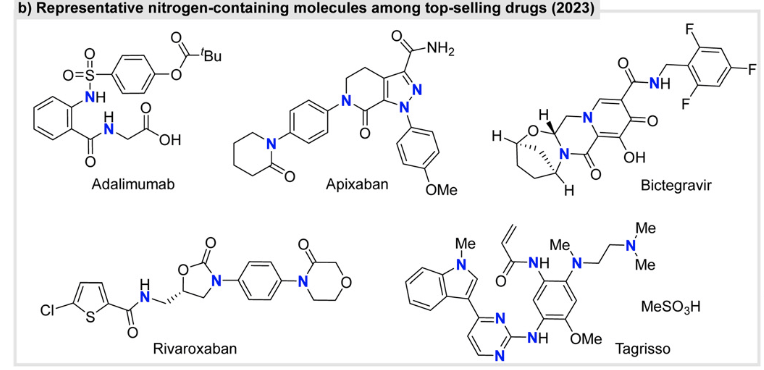
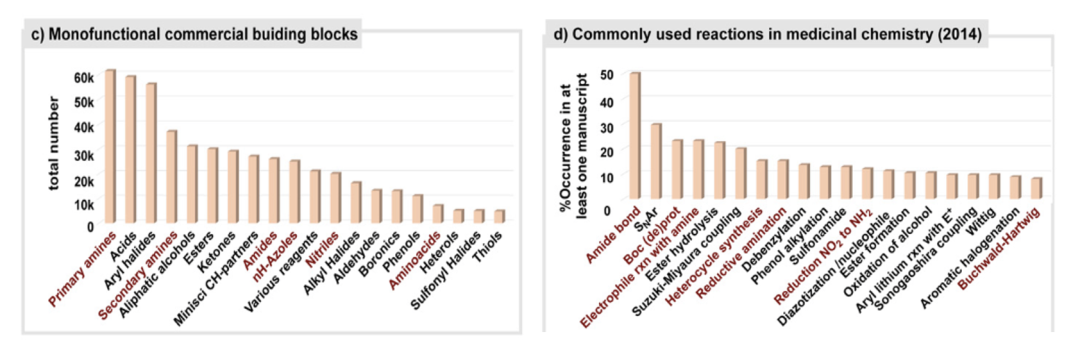
N-containing molecules are widely present in natural products (such as alkaloids), living organisms (such as proteins and nucleic acids), and high-value synthetic molecules. Among the new drugs approved by the FDA from 2013 to 2023, 82% contain at least one nitrogen heterocycle (mostly six-membered/five-membered aromatic/non-aromatic rings); statistics from 2023 show that nitrogen skeleton molecules also account for a high proportion of best-selling drugs (Figure 3). At the same time, nitrogen atoms significantly influence key properties such as molecular solubility, hydrogen bonding, polarity, and biological activity. Therefore, as a form of single-atom editing, regulating nitrogen atoms in the molecular skeleton can significantly alter molecular properties, providing an ideal pathway for rapidly constructing complex functional molecules from a diverse library of nitrogen-containing molecules. Additionally, nitrogen-containing synthetic intermediates such as nitrogen heteroaromatic compounds and aliphatic (cyclic) amines are widely used in industry (Figure 4, left); established methods for amide bond formation and nucleophilic substitution can conveniently synthesize nitrogen-containing compounds and are commonly applied in medicinal chemistry (Figure 4, right). It is evident that nitrogen atom editing is not only an efficient strategy for molecular diversification but also provides high-value insights for traditional retrosynthetic analysis, making it an attractive and rapidly developing direction in the field of skeleton editing.
(Scheme 4, image sourceChem. Soc. Rev. )
–Review Content–
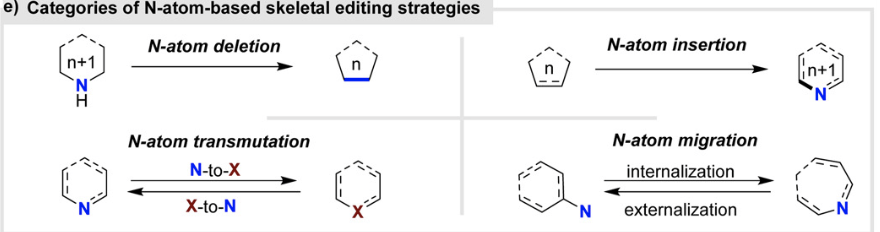
This review systematically summarizes the latest progress in this field, categorizing related strategies into four types: nitrogen atom deletion, insertion, transformation, and migration (Figure 5). Each section clearly corresponds to the definition of the transformation type, emphasizing the latest methodological advancements and discussing insights into reaction mechanisms in conjunction with innovative applications.
(Scheme 5, image sourceChem. Soc. Rev. )
1) Nitrogen Atom Deletion Reaction: The nitrogen atom deletion reaction selectively removes nitrogen by breaking adjacent C-N bonds and forming new C-C bonds while preserving the molecular skeleton. In 1957, Overberger first reported that dibenzylamine could be converted to biphenyl through N-nitrosation, reduction, and HgO oxidation (Figure 6 (a)), but such methods require multiple oxidation-reduction steps, have poor functional group compatibility, and are limited to mechanistic studies. Recently, the field has revived, achieving breakthroughs in secondary amine systems: secondary alkyl amines can generate hydrazine intermediates 2A (Figure 6 (b)), which rearranges to form 1,1-diazene intermediates 2B, followed by C-N bond cleavage to generate a pair of radical species, ultimately forming new C-C bonds. The development of various electrophilic amination reagents has expanded the application of this reaction in various secondary amines (Figure 6 (c)), making nitrogen atom deletion a potential strategy in modern synthetic chemistry. Some representative examples are shown in Figures 7-9.
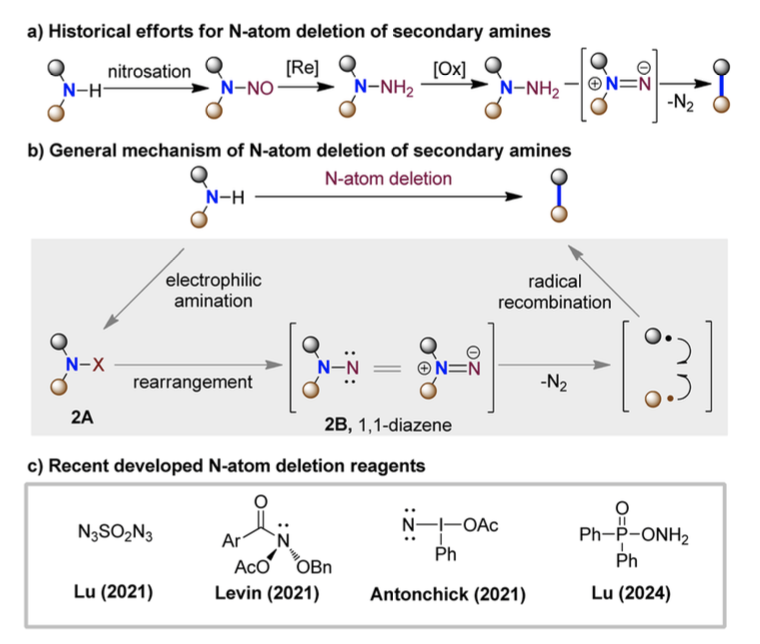
(Scheme 6, image sourceChem. Soc. Rev. )
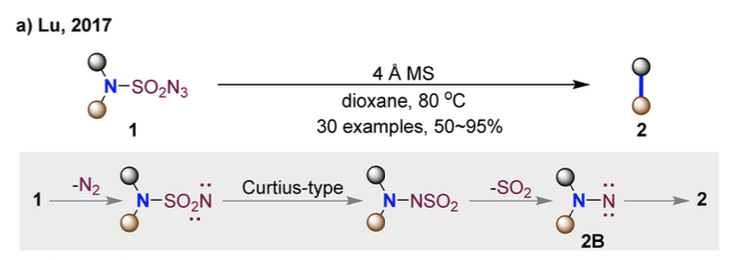
(Scheme 7, image sourceChem. Soc. Rev. )
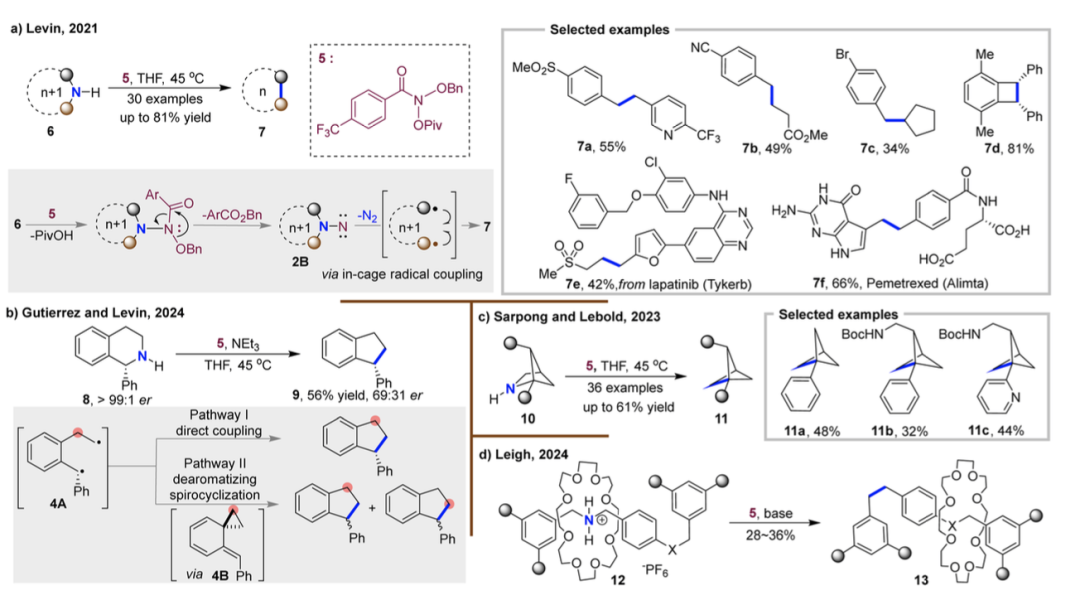
(Scheme 8, image sourceChem. Soc. Rev. )
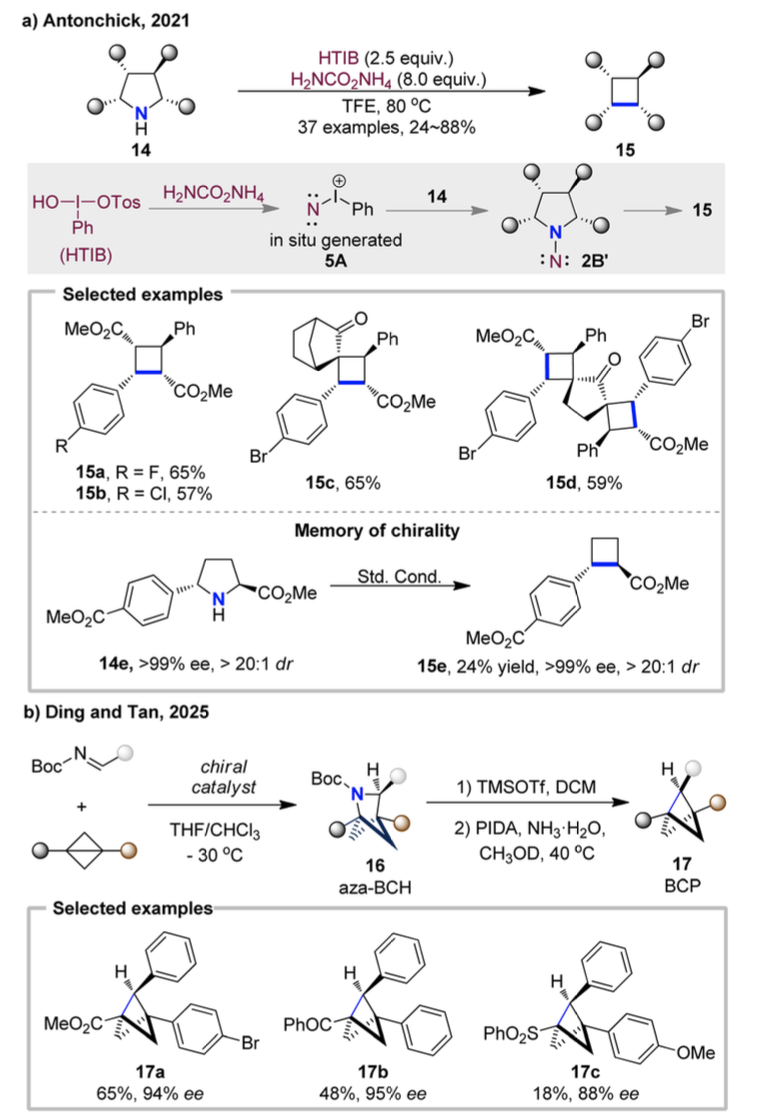
(Scheme 9, image sourceChem. Soc. Rev. )
2) Nitrogen Atom Insertion Reaction: Due to the inherent inertness of C-C bonds, directly embedding nitrogen atoms into the carbon skeleton is highly challenging. In recent decades, Professor Jiao Ning’s team at Peking University has developed innovative nitration strategies, providing effective methods for introducing nitrogen atoms into C-C bonds. In the past five years, significant breakthroughs have been made in the study of nitrogen atom insertion into molecular skeletons, covering functionalized alkanes, (cyclic) alkenes, and heteroaromatic compounds, highlighting the potential of skeleton editing to construct complex and novel structures. Currently, methods such as transition metal catalysis and electrochemical catalysis have been developed to provide key technical support for these nitrogen insertion transformations. Some representative examples are shown in Figures 10-13.
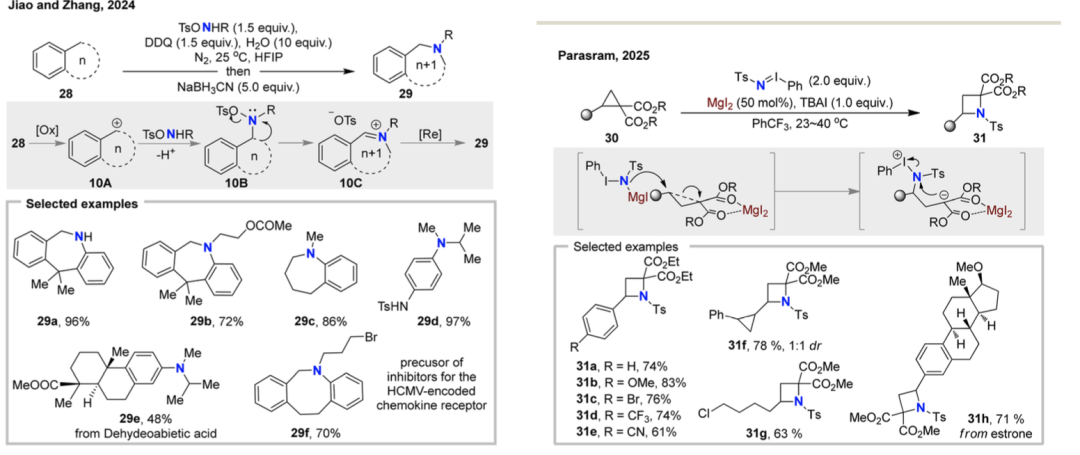
(Scheme 10, image sourceChem. Soc. Rev. )
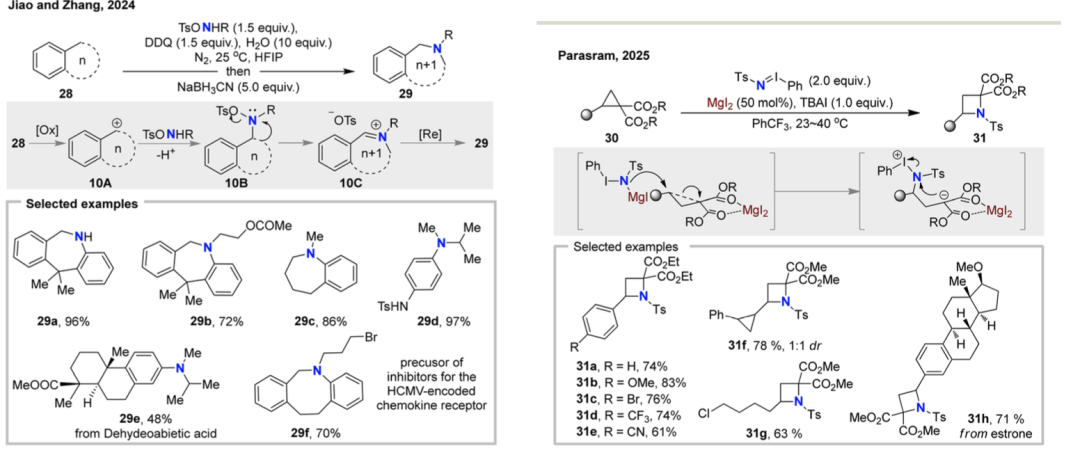
(Scheme 11, image sourceChem. Soc. Rev. )
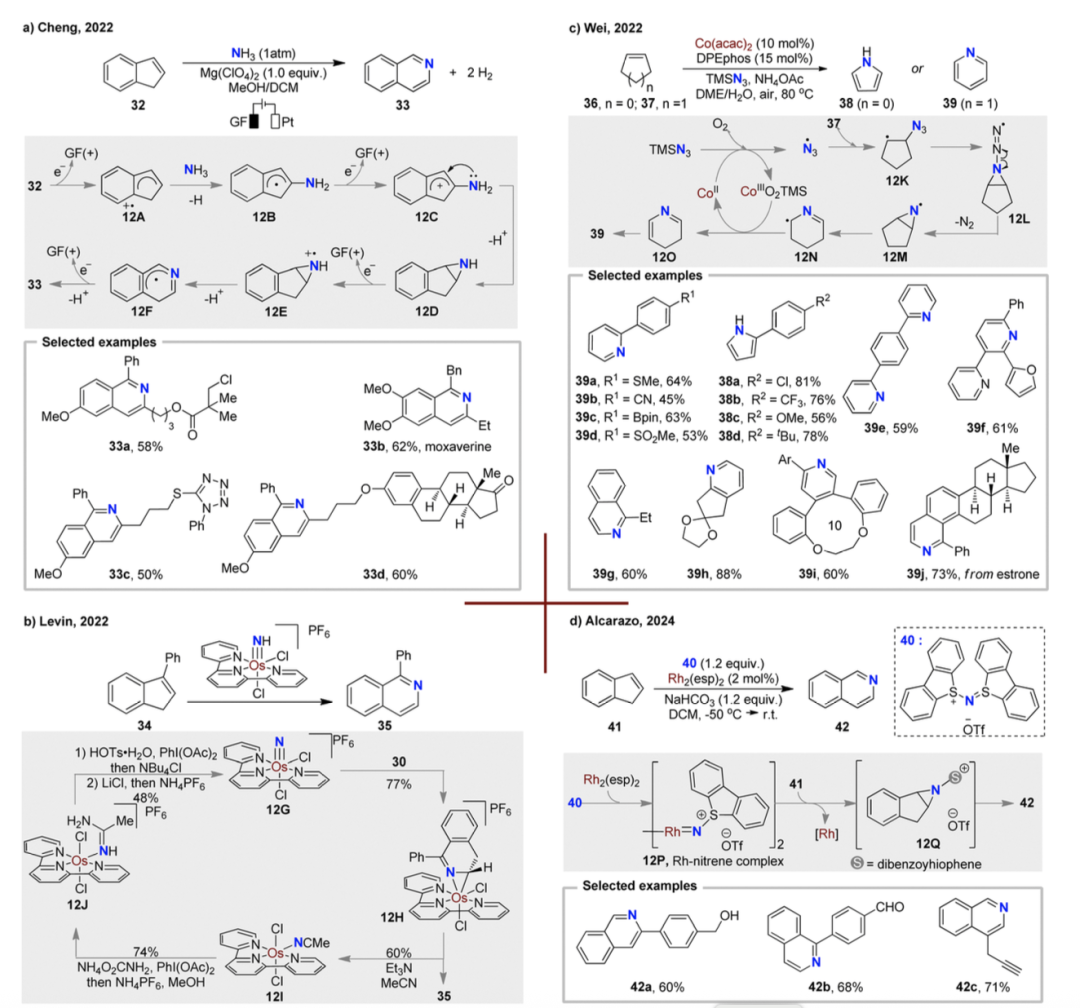
(Scheme 12, image sourceChem. Soc. Rev. )
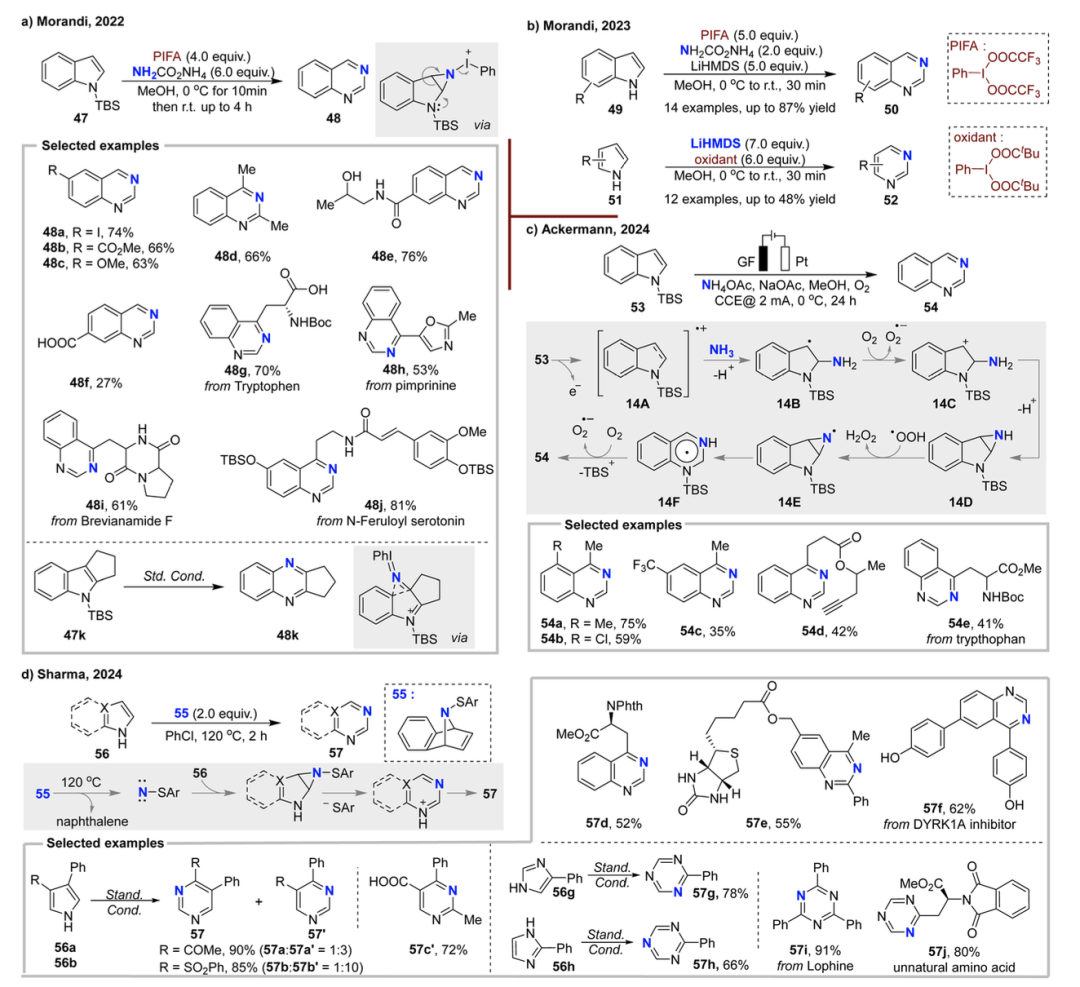
(Scheme 13, image sourceChem. Soc. Rev. )
3) Nitrogen Atom Transformation Reaction: Replacing a single atom in the molecular skeleton can significantly alter the properties and biological activity of the compound. Developing effective methods to achieve this transformation not only simplifies the retrosynthetic analysis of complex molecules but also holds great promise as a novel chemical tool to accelerate drug discovery. In the past two years, several research groups have made significant progress in nitrogen atom transformation, mainly including the following types of transformations: a) N-to-C transformation (representative examples are shown in Figures 14-15); b) C-to-N transformation (representative examples are shown in Figures 16-17); c) O-to-N transformation (representative example is shown in Figure 18); d) isotopic transformation of N-to-15 in heteroaromatic compounds (representative example is shown in Figure 19).
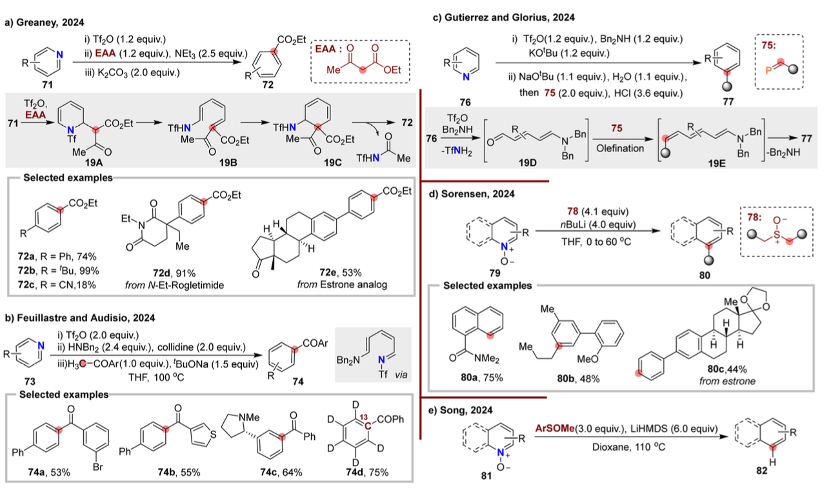
(Scheme 14, image sourceChem. Soc. Rev. )
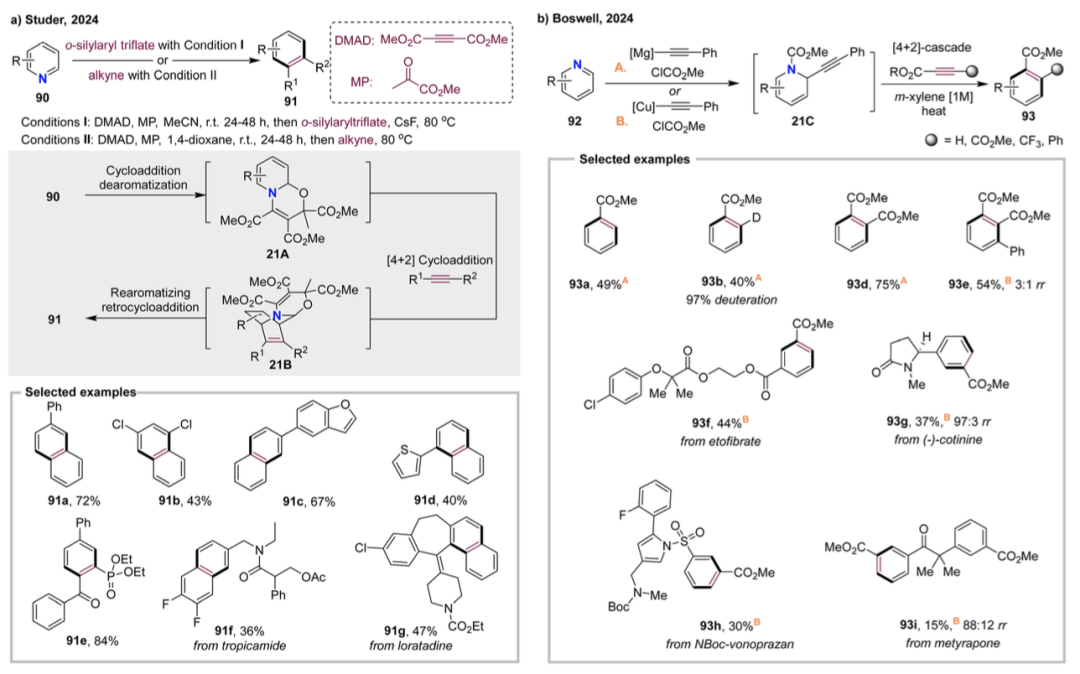
(Scheme 15, image sourceChem. Soc. Rev. )
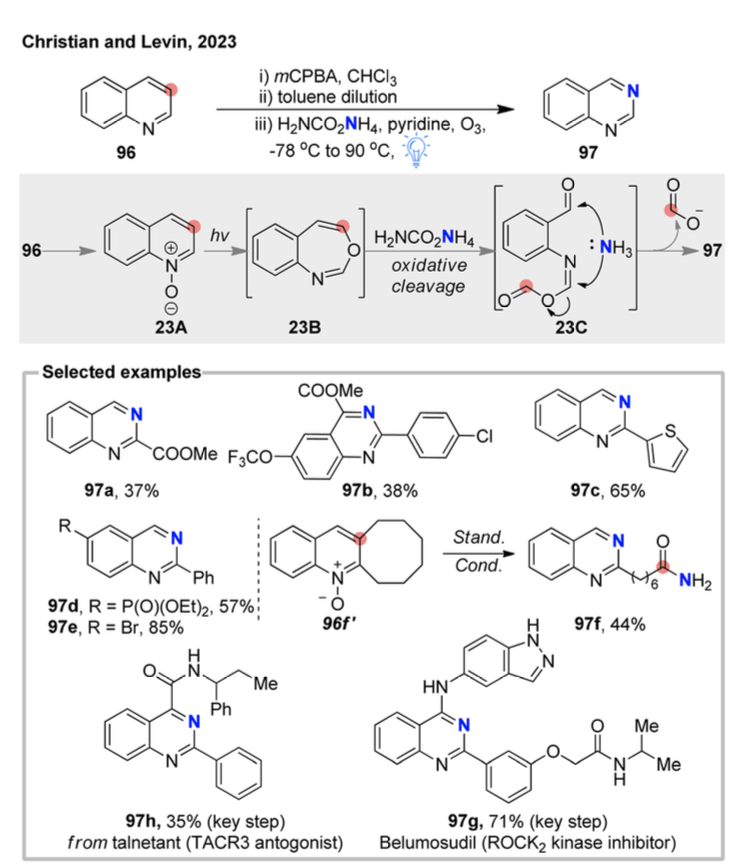
(Scheme 16, image sourceChem. Soc. Rev. )
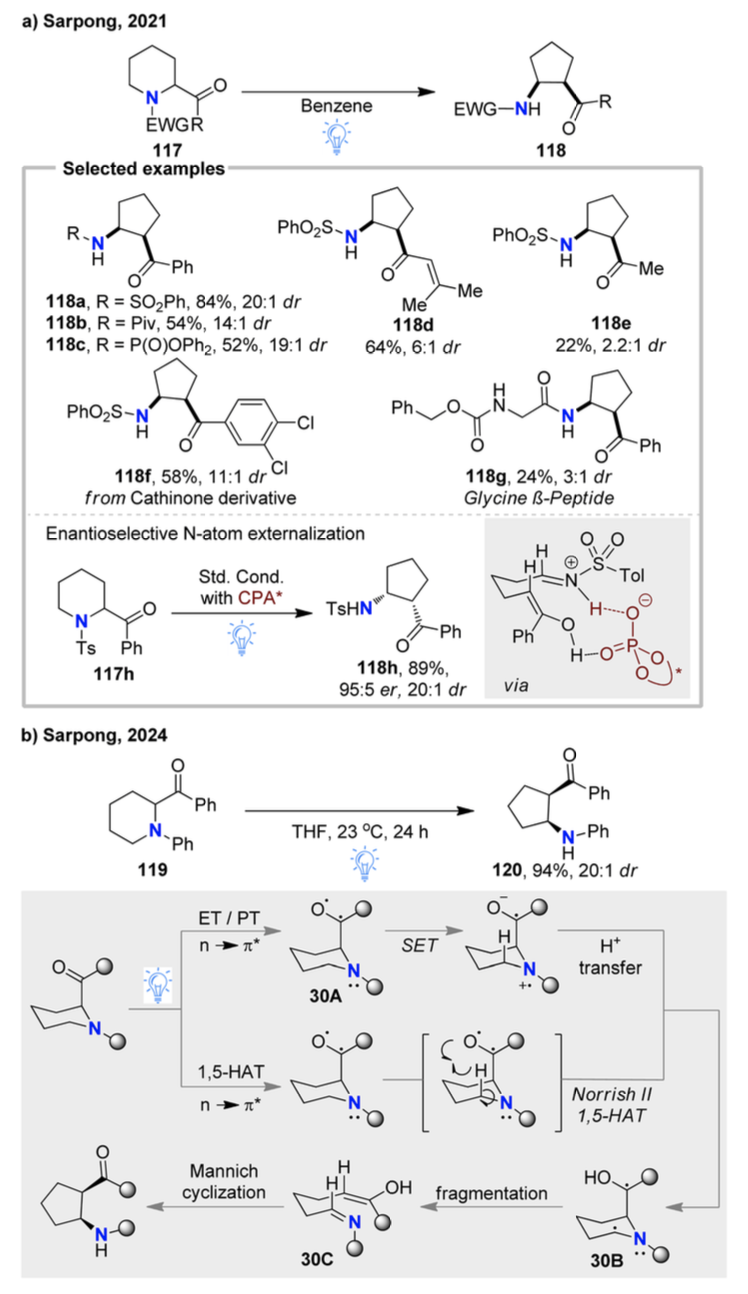
(Scheme 20, image sourceChem. Soc. Rev. )
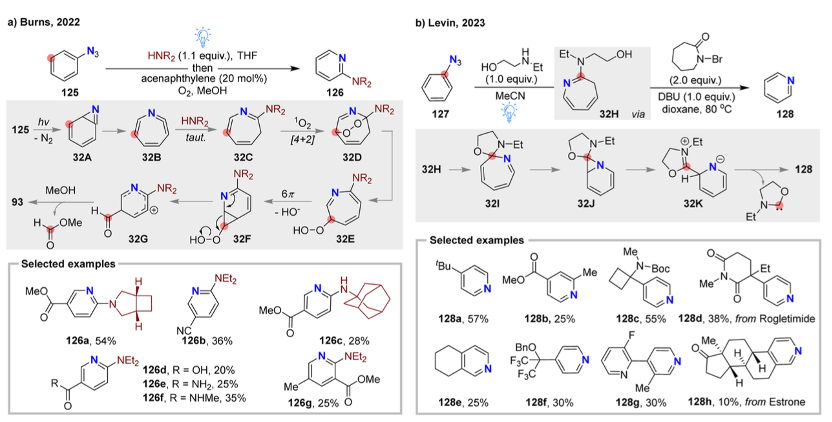
(Scheme 21, image sourceChem. Soc. Rev. )
4) Nitrogen Atom Migration Reaction: Nitrogen atom migration refers to the intramolecular migration of nitrogen atoms within the molecular skeleton, using specific organic amines as starting materials to generate new nitrogen-containing skeletons, providing innovative strategies for organic amine transformations. In the past five years, significant progress has been made in the study of nitrogen atom migration reactions in cyclic compounds, further enriching the strategies for organic amine transformations. These transformations can be categorized into three types: a) N atom external migration reactions (representative examples are shown in Figure 20); b) N atom internal migration reactions (representative examples are shown in Figure 21); c) N atom migration-mediated ring rearrangement reactions (representative examples are shown in Figure 22).
(Scheme 20, image sourceChem. Soc. Rev. )
(Scheme 21, image sourceChem. Soc. Rev. )
–Conclusion and Outlook–
This review systematically summarizes the latest research progress in skeleton editing based on nitrogen atom manipulation. These atomic editing methods have not only become powerful tools for synthetic organic chemistry but also opened up new directions for skeleton modification and the synthesis of nitrogen-containing compounds.
Despite significant achievements, nitrogen atom editing reactions still face challenges in selectivity, efficiency, and universality, especially when addressing complex or highly functionalized systems. Specific issues include: 1) N atom deletion reactions: Mostly applicable to N-alkyl-N-aryl methylamines, methods for removing ordinary alkyl amines, aryl amines, and N-heteroaromatic rings are scarce; 2) N atom insertion and transformation reactions: Research has focused on aromatic systems, with very few cases related to specific functionalized (cyclic) alkanes; 3) N atom migration reactions: Only applicable to specific cyclic skeletons such as aryl azides and piperidines; 4) Other issues: Most reactions have narrow substrate ranges, require multiple steps, and reports of controllable stereoselective N atom editing are rare.
Future research directions and outlook include: 1) Core research focus: Developing new catalysts, reagents, and reaction conditions to expand the application range of N atom editing and improve reaction efficiency; 2) Potential for technological integration: Integrating computational methods and machine learning into reaction design can aid in predicting and optimizing reaction outcomes; 3) Application prospects: As technology matures, nitrogen atom skeleton editing is expected to become a key tool for synthetic chemists and drug developers, supporting the construction of novel complex molecular structures while facilitating the efficient late-stage modification of bioactive molecules, thus promoting innovative developments in pharmaceuticals, materials, and other fields.
–Corresponding Author Profile–
Professor Hongjian Lu
(School of Chemistry and Chemical Engineering, Nanjing University)
Professor Hongjian Lu, a distinguished professor in Jiangsu Province, doctoral supervisor, and head of the “Functional Organic Small Molecule Synthesis” research group at Nanjing University. He graduated in 2006 from the Shanghai Institute of Organic Chemistry under the supervision of Professor Li Chaozhong. From 2007 to 2012, he conducted postdoctoral research at the University of South Florida in the United States. In July 2012, he became an associate professor at the School of Chemistry and Chemical Engineering at Nanjing University. Since January 2019, he has been a professor at the same institution. He was appointed as the leader of the Jiangsu Province “Qinglan Project” scientific innovation team in 2014 (BK20131267), promoting the integration of chemistry and medicinal chemistry research, and cultivating interdisciplinary research talents with original capabilities in organic synthesis chemistry and biomedical sciences. As a corresponding author, he has published a series of academic papers in journals such as Science, Nat. Chem., Nat. Synth., Nat. Commun., Acc. Chem. Res., Angew. Chem. Int. Ed. in recent years. In 2012, he was appointed as a “Distinguished Professor of Jiangsu Province” with excellent assessment results and obtained the qualification for reappointment as a “Distinguished Professor of Jiangsu Province” in 2015, receiving the Thieme Chemistry Journals Award (2021) (from Thieme Chemistry Journals).
Original link:https://doi.org/10.1039/D4CS00974F
Research Group webpage:https://hysz.nju.edu.cn/luhj/ProfwLu/list.htm
(All images are sourced from the literature; please contact for removal in case of infringement, thank you!)

Continuously sharing more information, please give a follow!