

The incidence of renal cancer is rising year by year, placing a heavy burden on patients and their families. Clinically, Renal Cell Carcinoma (RCC) patients are insensitive to chemotherapy, and the efficacy of targeted therapies varies from person to person, making the formulation of precise treatment plans a challenge. Tumor heterogeneity is considered a key reason for treatment failure, resistance, and recurrence, thus constructing models that reflect the individual tumor characteristics of patients is crucial.
Recently, a study published in Biofabrication titled Bioprinting of patient-derived heterogeneous renal cell carcinoma organoids for personalized therapy successfully constructed patient-derived heterogeneous renal cell carcinoma organoids using bioprinting technology, providing a new tool for personalized therapy.
The research team utilized an extrusion-based high-throughput bioprinter to generate uniformly sized heterogeneous renal cell carcinoma organoids, achieving automated batch construction and quality control. These bioprinted organoids (BP-organoids) retained the pathological morphology and genetic mutation/expression characteristics of the original tumor, maintaining heterogeneity between organoids and among patients even after long-term culture, making them suitable for patient-specific drug screening.
The study successfully established BP-organoids from five patient sources, covering three subtypes: clear cell renal cell carcinoma, unclassified renal cell carcinoma, and chromophobe renal cell carcinoma. After 14 days of culture, histological analysis showed that BP-organoids of different subtypes exhibited characteristics similar to the original tumors: clear cell renal cell carcinoma formed hollow cystic structures, unclassified renal cell carcinoma displayed vacuolar structures, and chromophobe renal cell carcinoma aggregated into solid structures. Immunofluorescence staining revealed increased Ki-67 expression in all BP-organoids, indicating their proliferative activity.
Within the bioprinted structures, renal cell carcinoma exhibited four heterogeneous phenotypes: “lumen type,” “lumen & solid type,” “vacuolar type,” and “solid type,” which could coexist within the same patient or among different individuals, reflecting both intra-tumor and inter-tumor heterogeneity. Some lumen-type BP-organoids formed multicellular and gland-like structures, demonstrating highly organized morphology. The high expression of markers such as ATP and CA9 confirmed that BP-organoids not only exhibited renal cancer phenotypes but also possessed certain mature functions.
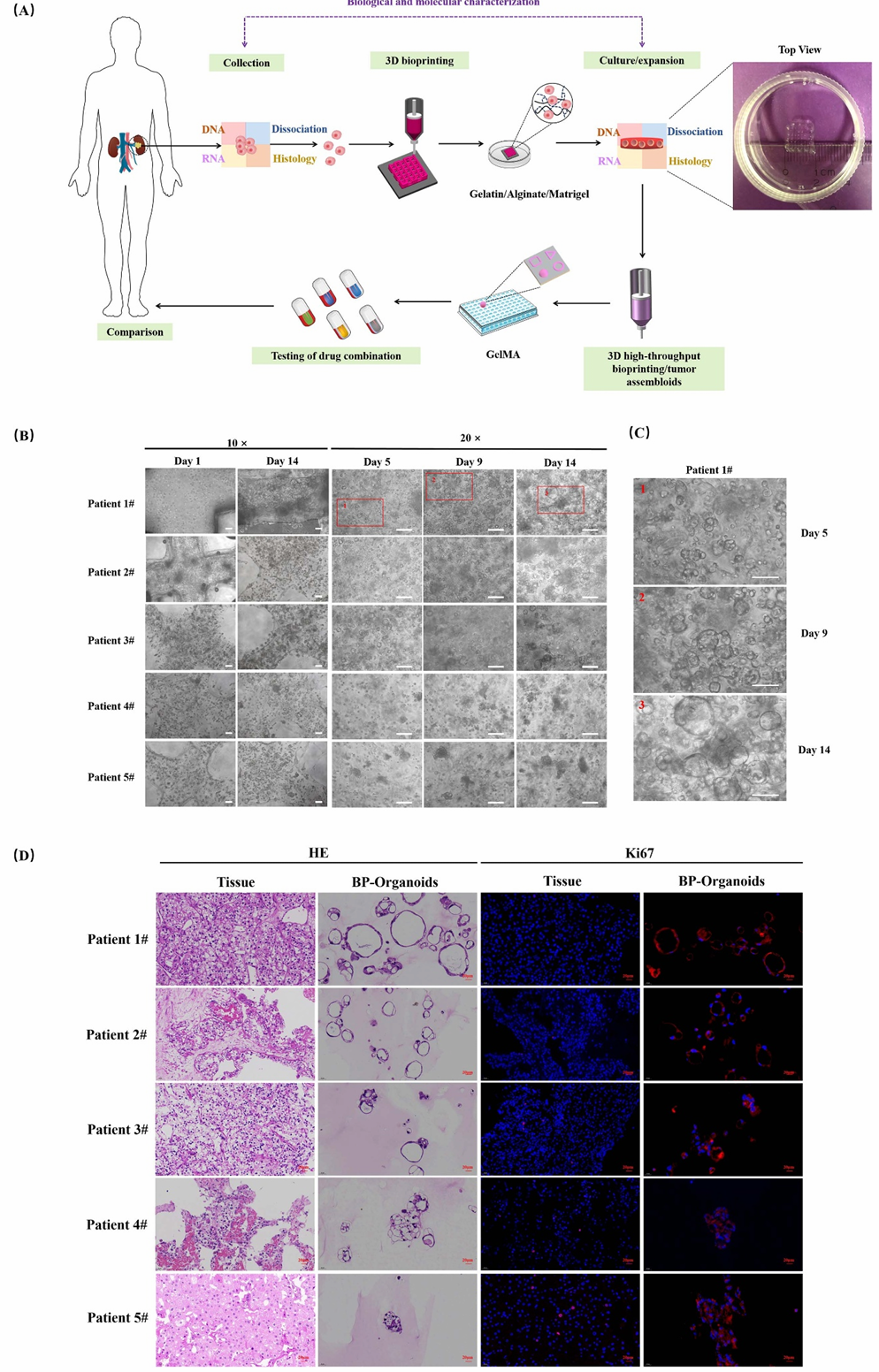 Figure 1. BP organoids replicate the pathological morphological characteristics of the original tumor tissue
Analysis of cancer stem cell markers showed significant differences in the positive rates of CD44 and CD133 among the five patient samples, reflecting inter-patient heterogeneity; the expression differences of CD44+ cells in different regions of the same patient’s BP-organoids reflected intra-tumor heterogeneity. Correlation analysis found that the positive rate of CD133 in clear cell renal cell carcinoma was positively correlated with the patient’s TNM stage and T stage, suggesting it may serve as a marker for tumor progression.
Genetic analysis confirmed that BP-organoids retained the genetic mutations and expression profiles of the original tumors. Over 90% of single nucleotide variations were preserved, with an average correlation coefficient of 97% between patient tissues and paired BP-organoids, and 95% of mutation characteristics among 23 renal cancer driver genes were consistent. RNA-seq results also showed that BP-organoids could faithfully reproduce the gene expression patterns of the original tumors.
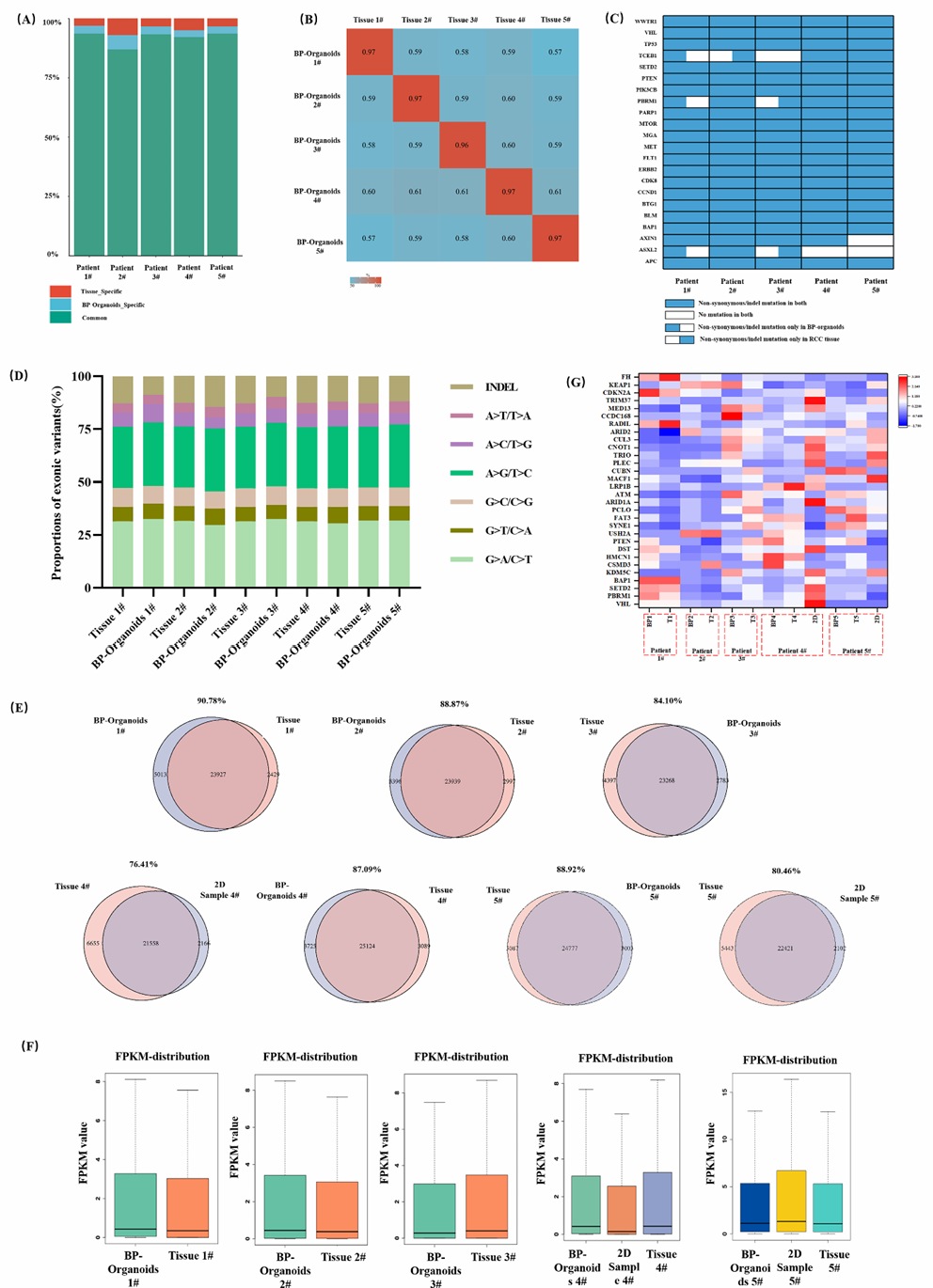 Figure 2. BP organoids replicate the genetic characteristics of the corresponding original tumors
The high-throughput bioprinted organoids (HT-BP organoids) exhibited heterogeneous drug responses: rapamycin was only effective against HT-BP organoid #4; everolimus was sensitive to #3 and #5; cisplatin and doxorubicin were sensitive to #1, #2, and #3, while all samples were insensitive to cabozantinib. These results were highly correlated with the phenotypes and genotypes of the organoids, validating the accuracy of the model.
The study also constructed a multicellular co-culture model, where the addition of renal cell carcinoma-associated fibroblasts and endothelial cells increased tumor malignancy and improved vascular networks, with anti-angiogenic and anti-fibrotic drugs exhibiting different cytotoxicities in this model. Furthermore, by integrating multicellular aggregate manufacturing with bioprinting technology, vascularized higher-order tumor assemblies were successfully constructed, replicating the functional interactions between tumors and stroma in vivo.
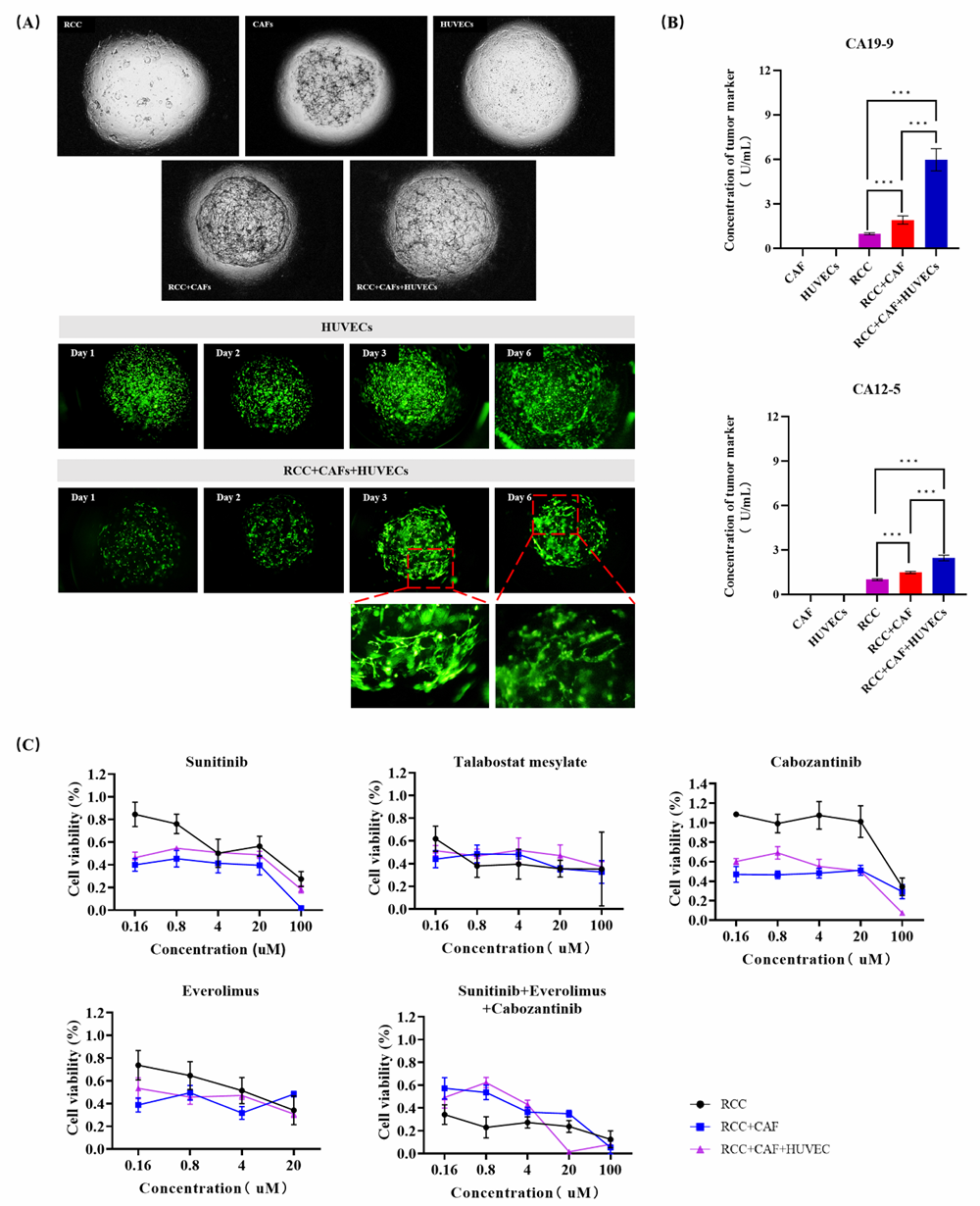 Figure 3. Bioprinted multicellular organoid model
In summary, the kidney cancer organoids constructed through bioprinting technology can faithfully reflect the heterogeneity and genetic characteristics of the original tumors, providing a reliable model for personalized drug screening. High-throughput bioprinting addresses the issue of small sample sizes, and multicellular models further simulate the tumor microenvironment, laying the foundation for precision therapy. This technology not only advances basic research on kidney cancer but also holds promise for helping doctors develop individualized treatment plans for patients in the future, improving treatment outcomes, alleviating patient suffering, and bringing new hope for kidney cancer treatment.
References:
Mao S, Xie R, Shou J, Pang Y, Sun W. Bioprinting of patient-derived heterogeneous renal cell carcinoma organoids for personalized therapy. Biofabrication. 2025;17(4):10.1088/1758-5090/adecc5. Published 2025 Aug 12. doi:10.1088/1758-5090/adecc5
This article is for academic sharing only. Please indicate the source when reprinting. If there is any infringement, please contact WeChat: bioonSir for deletion or modification!
Click below 「Read the original text」, and visit the Bio Valley official website for more biological-related information~