In the fields of ecology and environmental science, historical and ongoing research indicates an urgent need to monitor the health, sustainability, and productivity of global and local ecosystems. The research directions in these areas reflect the necessity to determine whether the environment is suitable for supporting human activities (settlement, agriculture, and industry), as well as to assess the impacts of these anthropogenic activities. This also includes chemical, biological, and physical factors that reduce the viability of ecosystems due to human intervention. Evaluating these factors and their impacts on global health, ecological stability, and resource availability requires improvements in existing environmental sensing technologies.
Currently, the quantification methods for chemical pollutants, biological factors, and adverse physical conditions affecting target ecosystems lack automation and have a narrow spatiotemporal range. Recent advances in materials science, chemistry, electronics, and robotics provide solutions to this issue. There is also a vision for fully autonomous, networked, and ecologically absorbable and degradable sensing systems that can be deployed in large aerial, terrestrial, and aquatic environments.
Recently, Kenneth E. Madsen and John A. Rogers from Northwestern University, along with Matthew T. Flavin from Georgia Tech, published a review article in Nature Reviews Materials, outlining the material advancements in large-scale distributed environmental sensor networks.
The focus is on material advancements that support the accurate quantification of environmental factors, as well as devices that are fully or partially absorbable. It first outlines the hazards affecting global ecosystems, then introduces existing detection methods to quantify their severity. It continues to explore existing and developing technologies that impact sensor dispersion, mobility, communication, and power.
Finally, it describes recent research progress in developing environmentally degradable materials, which is beneficial for achieving large-scale distributed (millions of individual sensors) transient sensor networks.
 Materials advances for distributed environmental sensor networks at scale.
Material advancements for large-scale distributed environmental sensor networks.
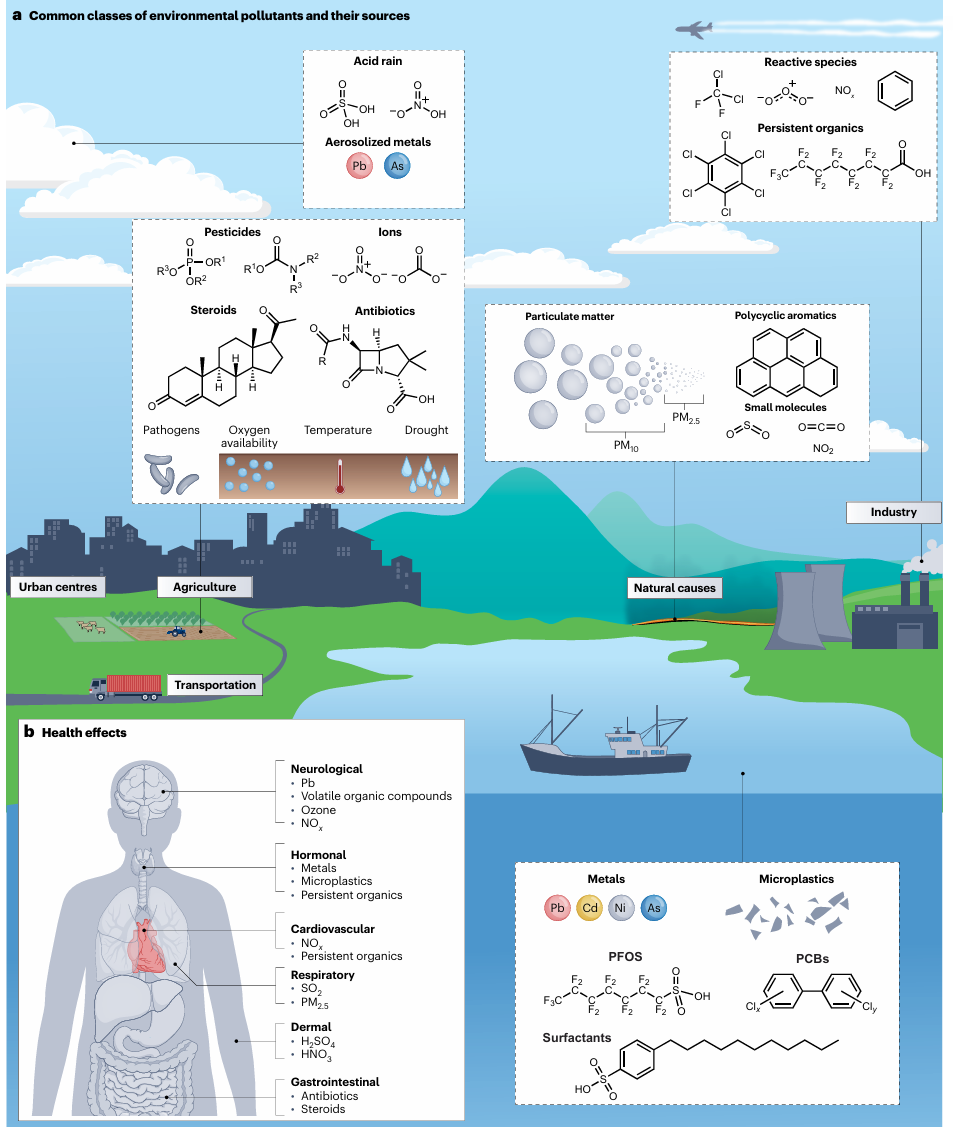
Figure 1: Sources, types, and health impacts of environmental pollutants.
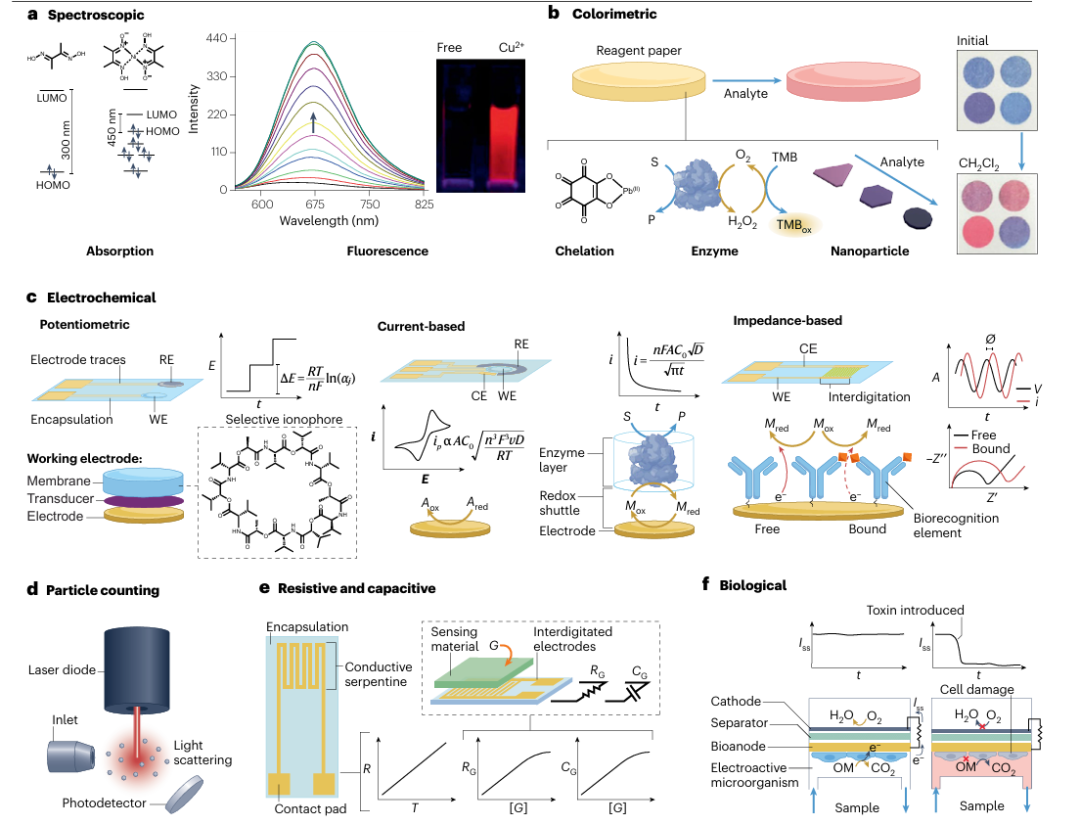
Figure 2: Sensing modalities.
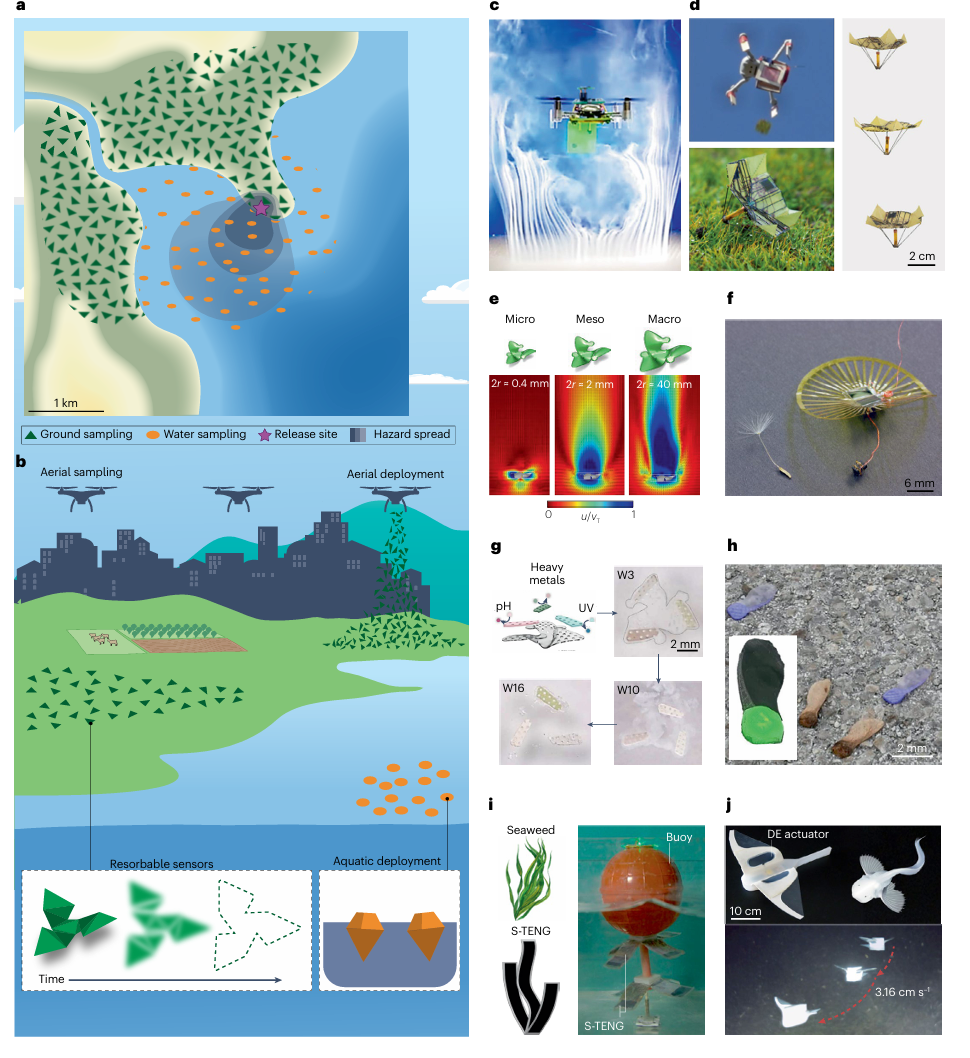
Figure 3: Sampling and deployment strategies.
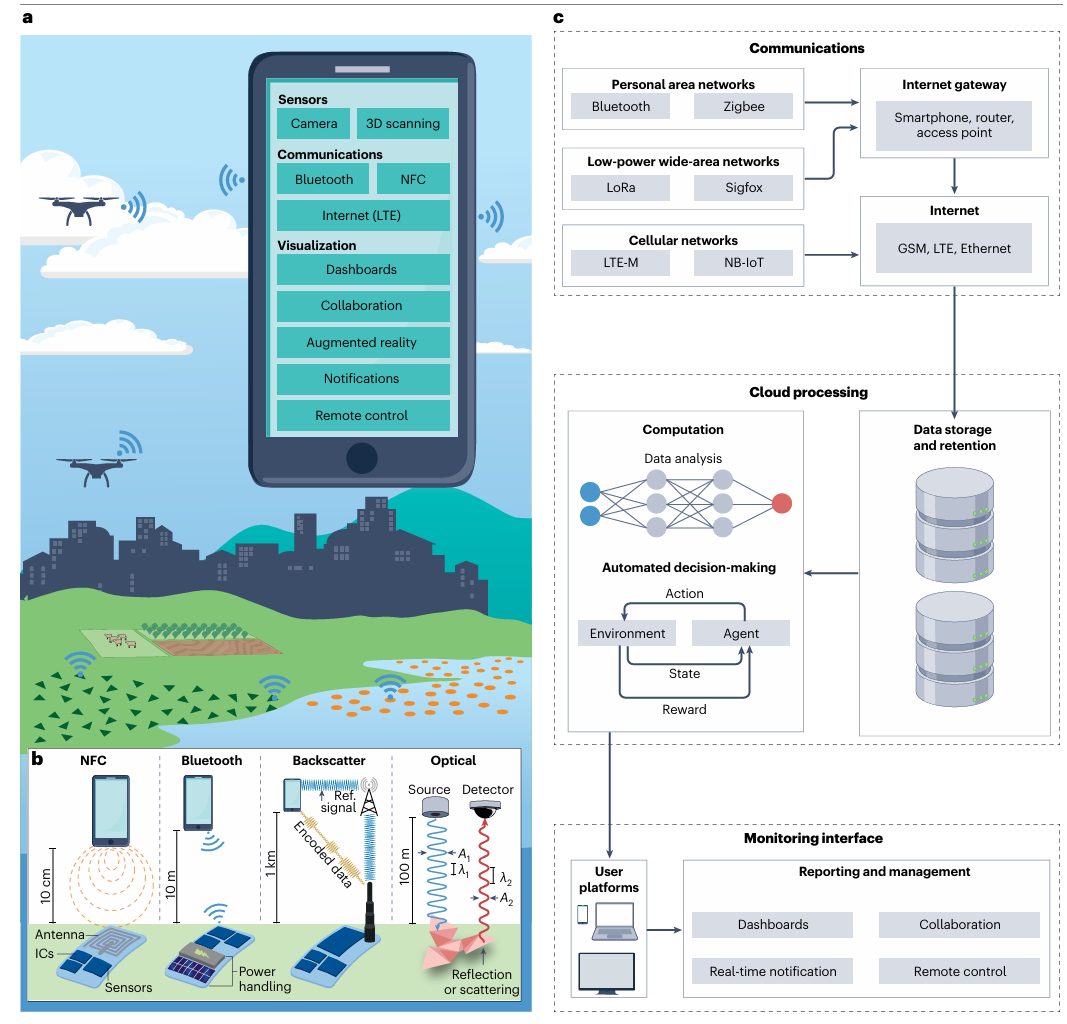
Figure 4: Communication networks and data processing.
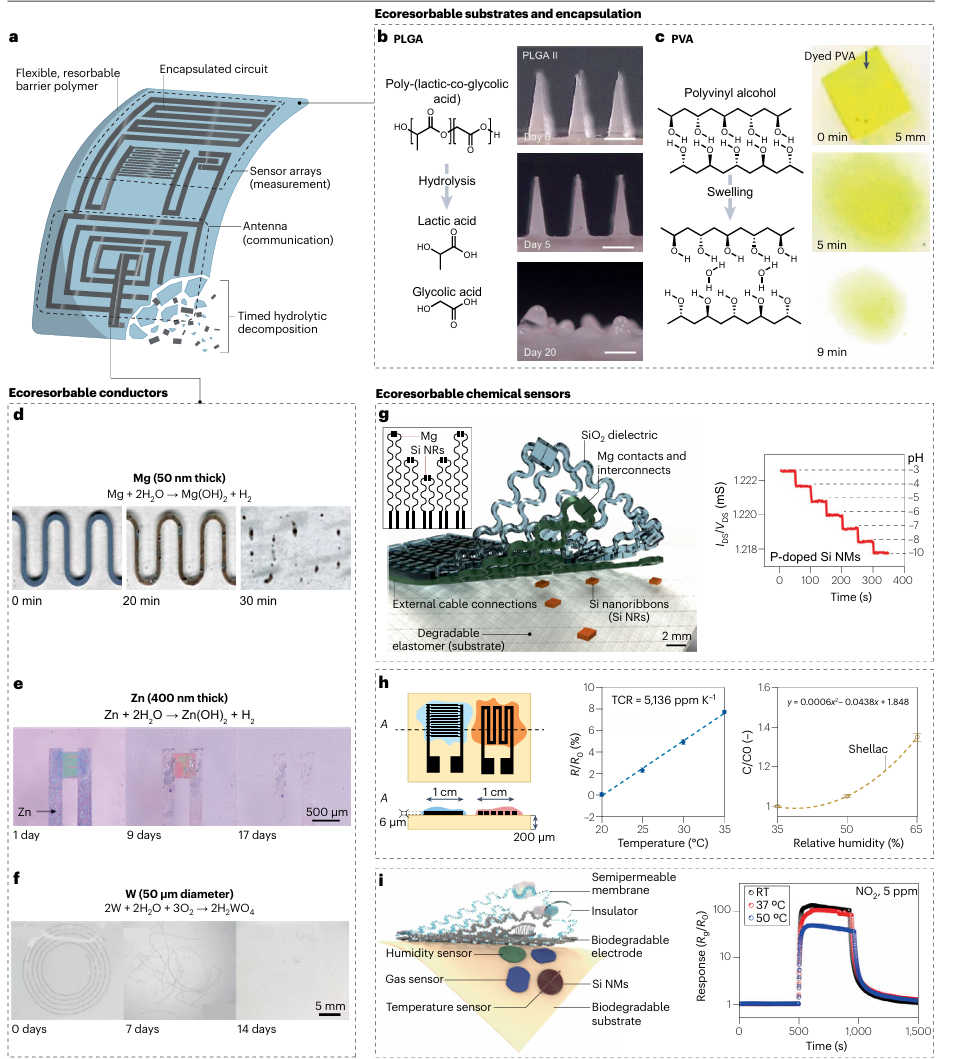
Figure 5: Biodegradable environmental sensor design and materials.
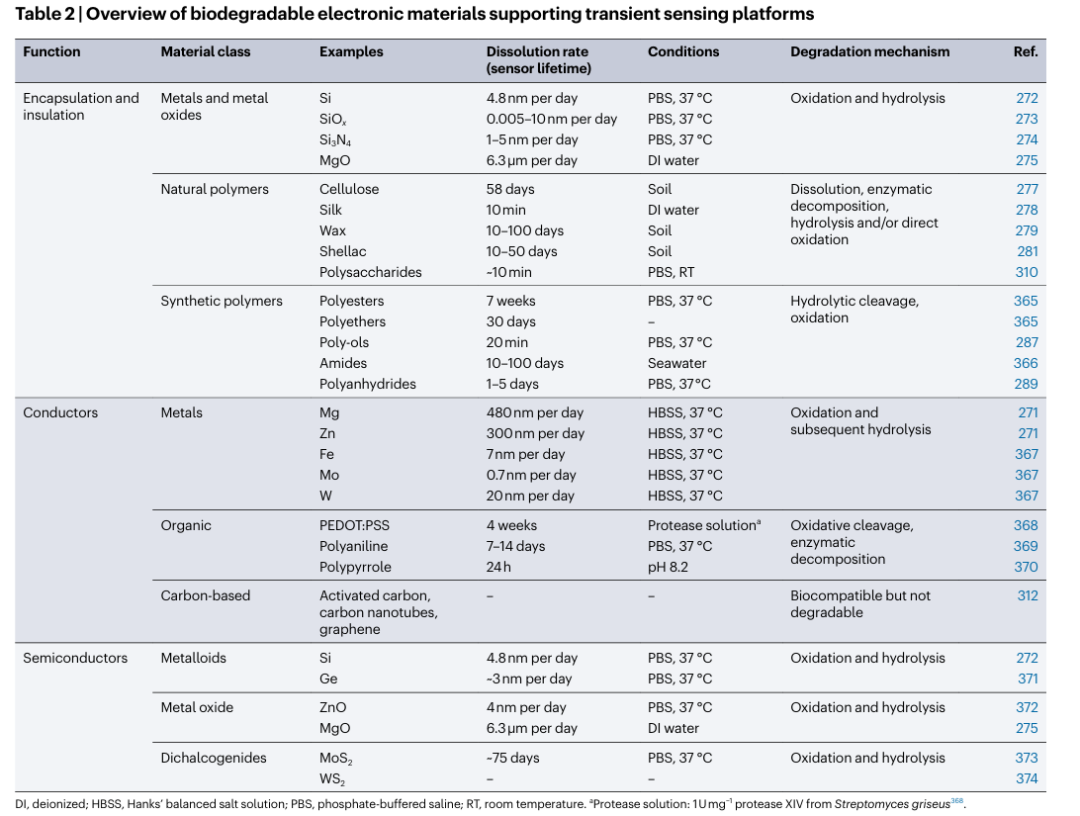
A variety of degradable materials, including:
-
Substrate and encapsulation materials: such as cellulose, silk, polylactic acid (PLA), polyglycolic acid (PGA), polycaprolactone (PCL), and other natural and synthetic polymers;
-
Conductor materials: hydrolyzable metals and their alloys such as magnesium (Mg), zinc (Zn), tungsten (W), and molybdenum (Mo);
-
Semiconductor materials: degradable semiconductors such as silicon (Si), zinc oxide (ZnO), and molybdenum disulfide (MoS₂);
-
Sensing materials: including organic dyes, enzymes, nanoparticles for colorimetric detection, and molecularly imprinted polymers, nucleic acid aptamers for electrochemical detection.
Sensor structures are fabricated using micro-nano processing technologies such as photolithography, printing, and laser processing; functional materials are integrated onto degradable substrates using transfer printing, inkjet printing, etc.; the degradation performance and sensing stability of materials are evaluated through in vitro hydrolysis experiments, soil burial tests, etc.; and finally, sensing performance tests are conducted in simulated environments or real field scenarios.
This research outlines a “disappearing” environmental sensor made from degradable materials that can decompose after monitoring soil, water quality, or air pollution, leaving no trace. These sensors are dispersed over land by drones like dandelion seeds, collecting data in real-time and transmitting it back via wireless networks. They can detect pollutants such as heavy metals and microplastics, and after completing their tasks, they “melt” into nature, significantly reducing electronic waste. This technology will monitor the health of the Earth over a larger area and for a longer time, marking an important step towards green technology and sustainable development.Reference linkMadsen, K.E., Flavin, M.T. & Rogers, J.A. Materials advances for distributed environmental sensor networks at scale. Nat Rev Mater (2025).https://doi.org/10.1038/s41578-025-00838-7This article is translated from Nature.Source: Today’s New MaterialsDisclaimer: The views expressed are solely those of the translator. If there are any inaccuracies, please leave a comment below!