With the development of the Internet of Things (IoT) and mobile development technologies, mobile applications have become a key method for monitoring and controlling Industrial Internet of Things (IIoT) devices. However, the communication quality between mobile devices and IoT devices in industrial scenarios faces challenges: traditional wireless technologies struggle to balance power consumption, coverage, and real-time performance; multi-platform adaptation requires the development of multiple codebases, increasing deployment costs.Yiling Zhao from Qilu University of Technology has developed an industrial IoT mobile application based on BLE, leveraging its low power consumption, broad device compatibility, and native support on mobile platforms, in conjunction with WeChat Mini Program technology.
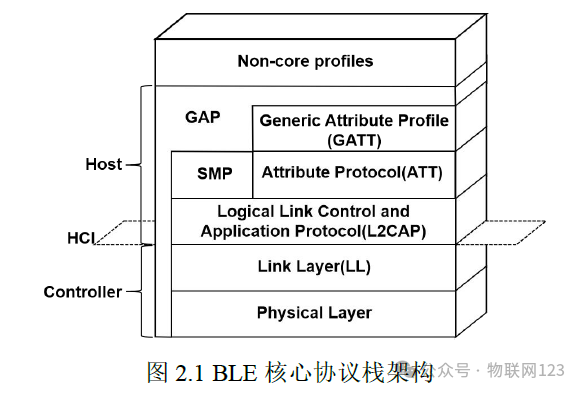
First, an in-depth analysis of the BLE communication protocol stack was conducted, including the Physical Layer (PHY), Link Layer (LL), and Host Controller Interface (HCI). The research examined the broadcast scanning process and connection establishment mechanism of BLE, elucidating device selection and AT command configuration methods, and built an experimental platform to capture and analyze data packets, providing a theoretical basis for the author.
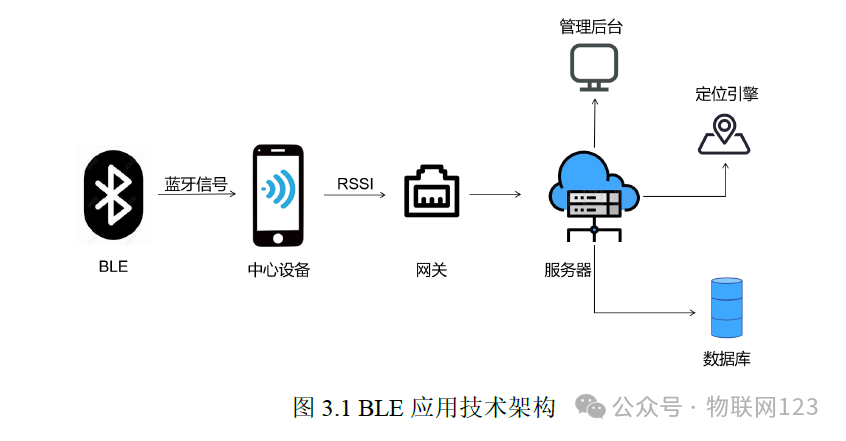
Second, the positioning principles of BLE were analyzed through Received Signal Strength Indicator (RSSI) measurements and trilateration. The signal propagation characteristics of BLE were measured in different environments, analyzing key parameters such as BLE transmission power, number of packets, and path loss curves. Experimental results indicated that the BLE system can operate stably in various indoor and outdoor environments while maintaining high performance. Finally, the power consumption of BLE under different operating modes was measured to better balance the relationship between BLE performance and energy consumption.
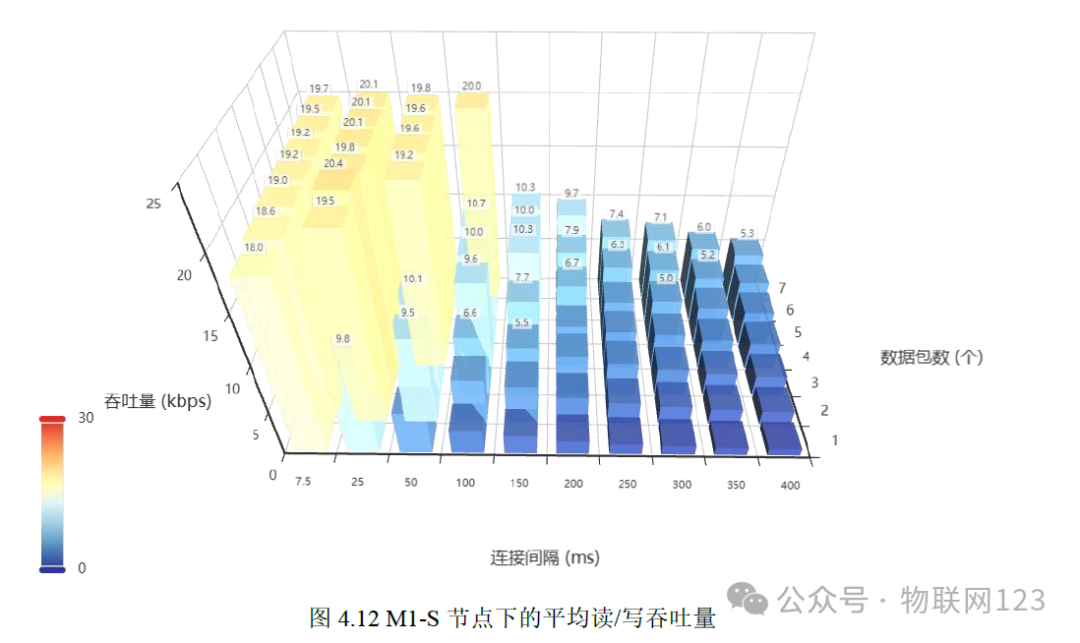
Third, the impact of parameters including Maximum Transmission Unit (MTU), number of packets, and connection interval on throughput was introduced. Through controlled variable experiments, the throughput under different parameter combinations was measured, verifying the specific impact of each parameter on throughput. A fuzzy algorithm was employed to establish a fuzzy model, analyzing the relationship between each variable and throughput from a theoretical perspective, and proposing several specific strategies for optimizing throughput, including dynamic adjustment of MTU.
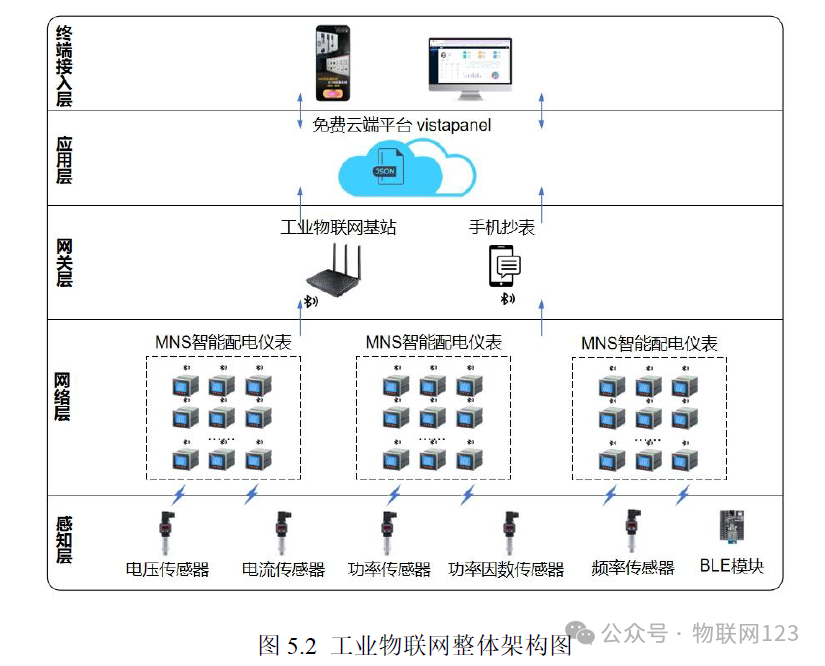
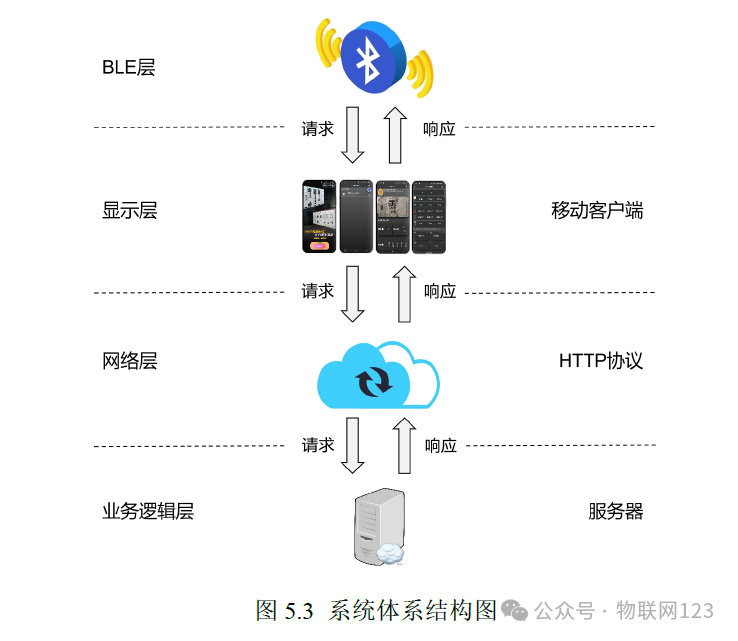
Fourth, starting from the underlying structure, the industrial IoT architecture was divided into the perception layer, network layer, application layer, and terminal access layer. The design and implementation of the mobile application in the terminal access layer were emphasized. By comparing various cross-platform frameworks, the status of native development for WeChat Mini Programs was established, and seven modules were delineated according to the overall system requirements, including BLE communication and positioning modules, MTU modification module, and request configuration information module.
Finally, specific experimental data validated the cross-platform compatibility and BLE communication performance of the system. Experiments showed that the communication delay between Android/iOS on a cross-platform framework was less than 26ms, with a maximum throughput error of 7% in fuzzy algorithm calculations being negligible. The unit data energy consumption decreased from 146.74uA to 9.39mA as the connection interval was reduced from 20ms to 1s. This paper provides optimization methods for low-power communication protocols and multi-platform compatibility technology paths for mobile development in the industrial IoT, demonstrating significant engineering application value.
 References:[1] Zhao Yiling. Research and Design of Industrial IoT Mobile Development Based on Low Power Bluetooth [D]. Qilu University of Technology, 2025.
|
Disclaimer: The images and text used in this article are reproduced. If there are any copyright issues, please inform us immediately, and we will confirm and delete the content based on the proof materials you provide. The content of this article represents the author’s personal views and does not reflect the views or positions of IoT 123. |
Special Reminder:
IoT Professional Exchange Group welcomes individuals related to the IoT industry to join. The group also welcomes various industry experts, seniors, and influencers. In the group, aside from not being able to post sensitive content, pornographic content, and excessive promotional content, all other topics can be freely discussed~—— Exchange QQ Group 724511126, friends joining the group please note: Name – Organization – Research Direction (without notes, please forgive us for not passing), and will be invited to join the group after editor review!