
Spasticity is a typical complication following a stroke, affecting nearly one-third of stroke survivors, primarily characterized by increased muscle tone and abnormal muscle activation patterns. An objective and quantitative assessment of muscle spasticity levels in post-stroke patients is crucial for adjusting rehabilitation plans and preventing complications. However, current methods for detecting and assessing muscle spasticity face challenges such as the subjectivity of manual assessments, the limited clinical applicability of digital devices, and the single-functionality and complex structure of existing unimodal sensors used for monitoring muscle strength. Therefore, there is an urgent need for a simple-structured, comprehensive multimodal sensor combined with an objective quantitative spasticity assessment strategy to achieve an objective evaluation of muscle spasticity levels in patients.
Recently, Professor Wu Hao’s team at Huazhong University of Science and Technology developed a flexible epidermal sensor capable of synchronously collecting bioelectrical and biomechanical signals, suitable for the detection and assessment of muscle spasticity. This multimodal sensor can simultaneously capture the bioelectrical signals (sEMG signal) and biomechanical signals (triboelectric signal), relying on the frequency domain distribution differences of the two signals, wheresEMG signals are concentrated in the high-frequency range, and triboelectric signals are distributed in the low-frequency range, combined with wavelet transform technology to achieve efficient synchronous decoupling of the two signals.
Based on the coupling mechanism between muscle spasticity and biomechanical and bioelectrical signals, a dual-index spasticity assessment system was constructed using the muscle co-activation coefficient (Index 1) and the antagonistic efficacy index (Index 2). The multimodal epidermal sensor combined with this assessment strategy achieved an objective quantitative assessment of spasticity levels in 9 clinical patients, with results highly consistent with clinical evaluations by physicians. The two indices were strongly correlated with the modifiedAshworth scale (MAS scores (Spearman’s r=0.893, 0.850, p<0.01), enabling an objective assessment of the severity of spasticity. Meanwhile, the predictive performance of the dual-index multivariable model significantly outperformed that of the single-index model, highlighting the complementary advantages of multimodal signals. This research provides an objective and quantitative assessment strategy for clinical muscle spasticity through signal mechanism analysis and innovative assessment strategies, addressing the limitations of traditional subjective assessments and aiding in the clinical diagnosis and efficacy monitoring of related diseases.
The related research was published under the title “A Soft On-skin Sensor Simultaneously Capturing Bioelectrical and Biomechanical Signals for Muscle Spasticity Detection and Assessment” in the journal Advanced Functional Materials.
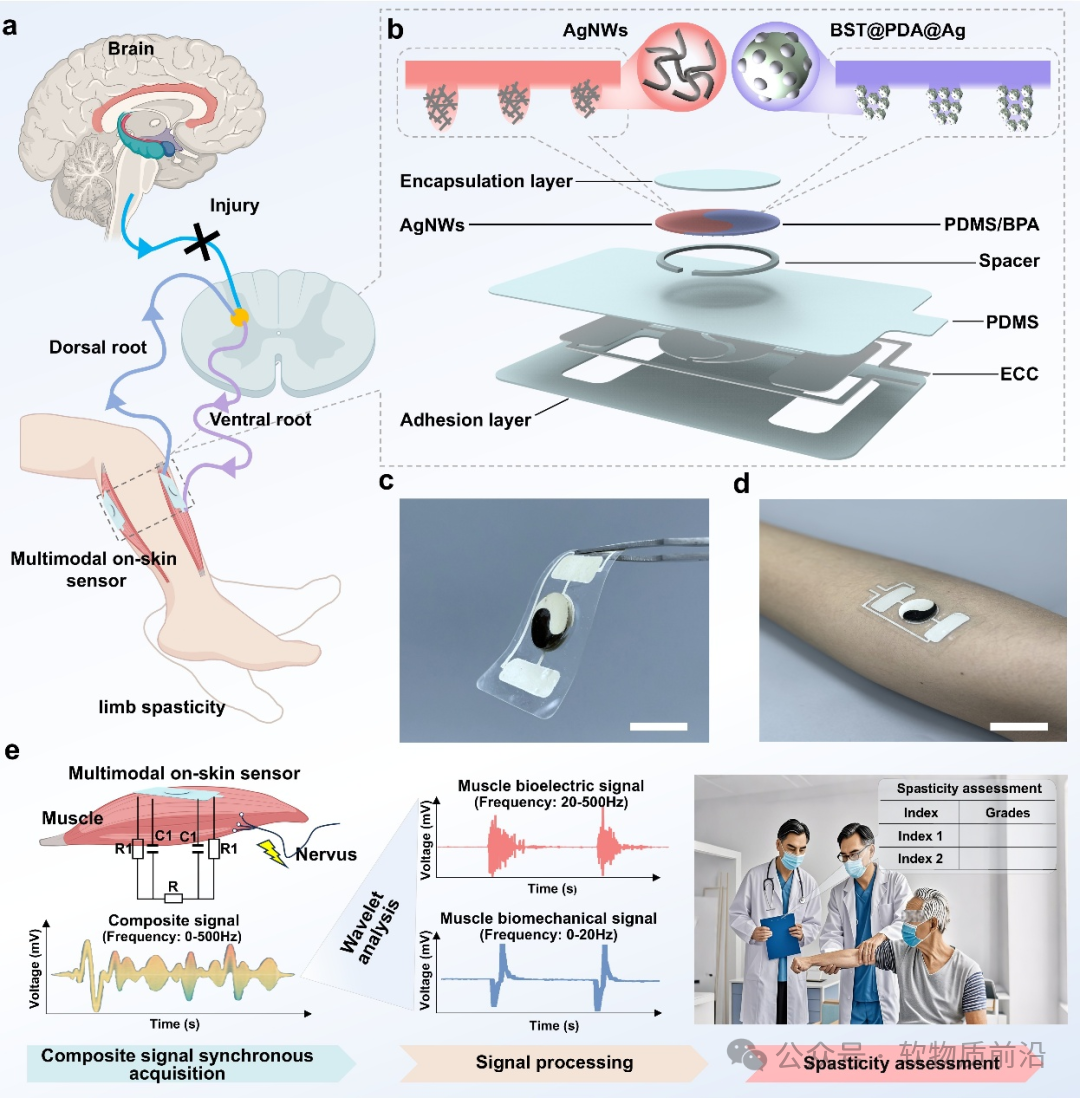
Figure 1: Multimodal epidermal sensor for spasticity detection and assessment
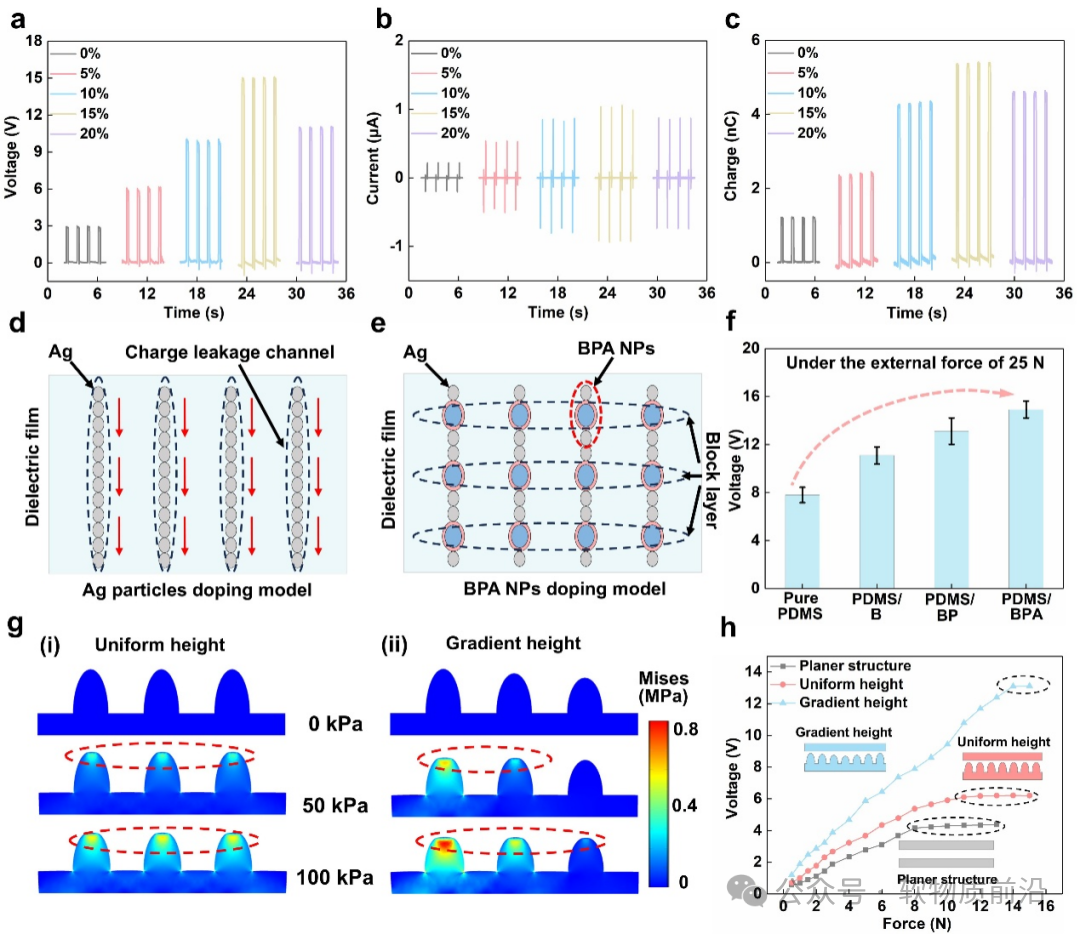
Figure 2: Material and structural design enhancing sensor performance
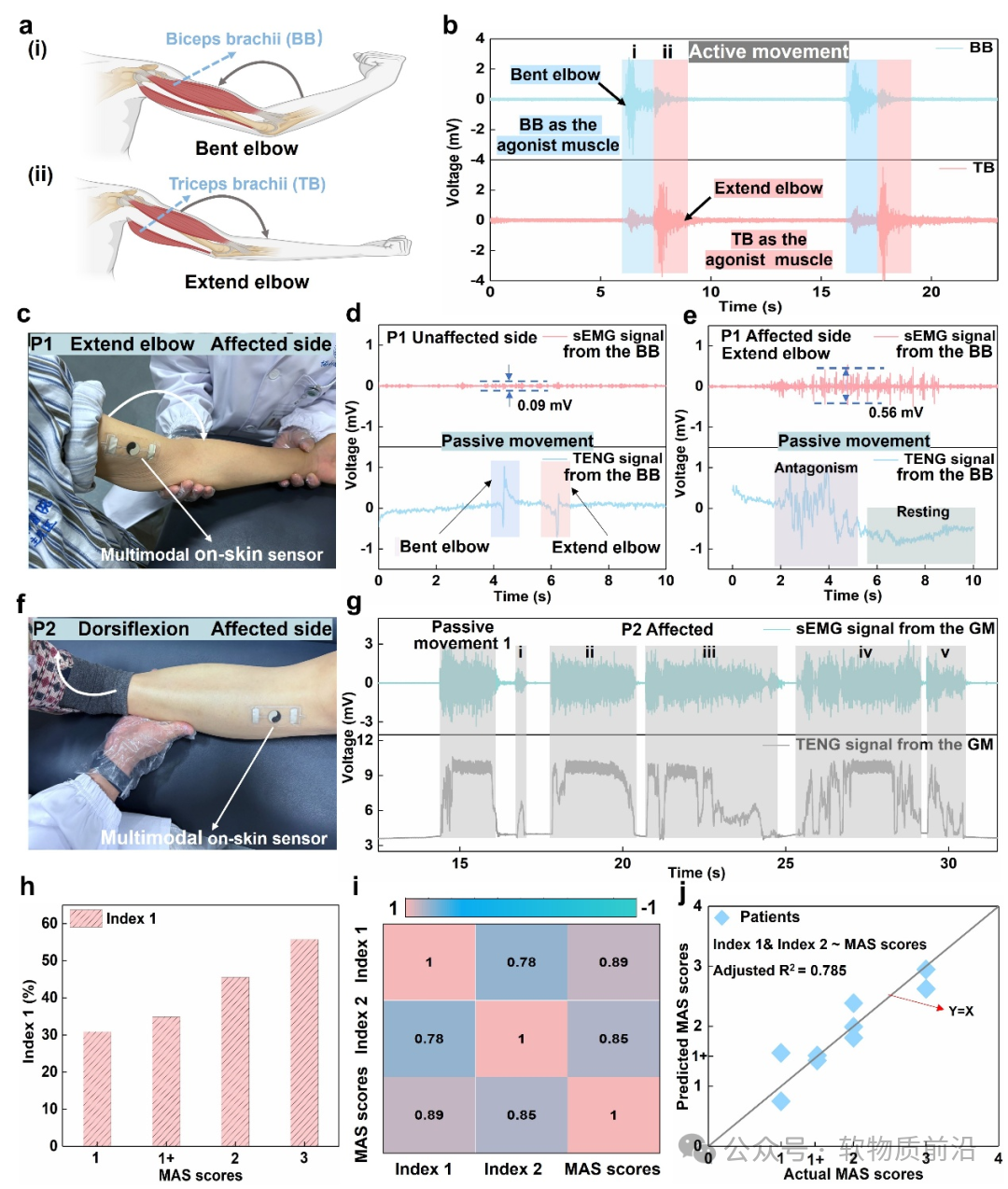
Figure 3: Muscle spasticity detection and assessment based on dual-index spasticity assessment strategy
Paper link:
https://doi.org/10.1002/adfm.202523580
Source: Polymer Science and Technology
Recommended Reading
1. Understanding the Past and Present of Hydrogels! This latest review in “Chem. Rev.” is worth keeping.2. Latest in Hydrogels “JACS”: Smart Responsive Hydrogels for Precise Delivery of Exosomes to Treat Antibiotic-Resistant Bacterial Infections3. Injectable 4-arm-PEG Schiff Base Hydrogels for Seamless Wound Closure by He Chao-liang from the Institute of Chemistry, Chinese Academy of Sciences, published in “Sci. Adv.”4. Latest in “Nat. Mater.”: Biomimetic Ionic Gel Mechanical Sensors5. Latest in “Nature NBE”: Magnetically Driven Biomimetic Blood Hydrogel Robots6. Hua Li and Wang Yiming from Huazhong University of Science and Technology in “Angew”: Hofmeister Effect Mediated Supramolecular Hydrogel Dynamic Self-Assembly7. Latest in “Nat. Mater.”: Hydrogel Scaffolds for Order Control in Stem Cell Implantation for Muscle Functional Tissue Regeneration8. Zhao Fei from Beijing Institute of Technology in “Angew”: Fast Ion-Electron Transfer Enhances Conductive Hydrogel Electronic Charge Transport9. Bian Liming and Zhang Kuny from Huazhong University of Science and Technology in “Nat. Comm.”: Cell Dynamic Adaptive Supramolecular Hydrogel Promotes MSCs Mesenchymal Aggregation and Hypoxic Metabolism10. Double Network Hydrogels Inspire a Paper in “Nature Materials”: Mechanical Metamaterials11. Latest in “Nat. Comm.”: Injectable, Tunable Viscoelastic, Thermoresponsive, Bioorthogonal Extracellular Vesicle Hydrogels for Vaccine Sustained Release12. Bian Liming from South China University of Technology in “JACS”: Controllable Liquid-Liquid Phase Separation Mediated Biomimetic ECM Heterogeneous Hydrogels Revealing Biological Mechanisms of Mechanical Signal Regulation in Cell Development13. Xiao Jian and Li Zhenglin from Wenzhou Medical University in “Nat. Comm.”: “Dynamic Response + Dual Drug Regulation” Characteristics of Phase Adaptive Schiff Base Hydrogels for Repairing Drug-Resistant Bacterial Infection Wounds14. Cao Yi from Nanjing University and Gong Jianping from Hokkaido University in “Nat. Commun.”: Enzymatic Reaction Constructs Tensioned Hydrogel Structures Effectively Resolving Strength, Stiffness, and Water Content Conflicts15. Cao Yi and Wang Wei from Nanjing University in “Nat. Commun.”: Controllable Force Stimuli, Large-Pore Hydrogels for Stem Cell-Assisted Bone Regeneration16. Zang Jianfeng from Huazhong University of Science and Technology in “Nat. Biomed. Eng.”: Implantable, Phononic Crystal Hydrogels for Continuous, Wireless Internal Tissue Strain Monitoring17. Latest in “Sci. Adv.”: Injectable Multifunctional Hydrogels Delivering CAR-T Cells Enhance Solid Tumor Treatment18. Zhou Feng from Lanzhou Institute of Chemical Physics, Chinese Academy of Sciences in “Chem & Bio Engineering”: Light-Controlled Hydrogel Materials Achieve On-Demand Adhesion19. Latest in “ACS Nano”: New Injectable Ultrasound Hydrogels, Just One Injection, Effectively “Non-Invasively” Prevent Pregnancy!20. Xu Haiyan from the Chinese Academy of Medical Sciences in “Sci. Adv.”: Dual Drug-Loaded Hyaluronic Acid Nanogels Inducing Differentiation Treatment of Refractory Acute Myeloid Leukemia by Disrupting Lysosomal Homeostasis21. Latest in “ACS Nano”: New Injectable Photothermal Hydrogels, Just One Injection, Directionally “Explode” Fat!Frontiers in Soft Matter Focus on Soft Matter (Hydrogels, Ionic Gels, Organic Gels, Deep Eutectic Gels, Aerogels, Elastomers, etc.) Scientific Frontiers Reporting, for submissions, recommendations, and collaborations, please contact: [email protected]! A group has been established for hydrogels, ionic gels, organic gels, deep eutectic gels, aerogels, elastomers, etc. Add the editor as a friend (WeChat ID: Meursault_–, please note: name – institution – title – research direction) to be invited to join the group.