Recently, while chatting with a friend, I learned that JD had also produced Bluetooth speakers back in the day. It makes sense, as Bluetooth speakers were an important part of the manufacturers’ ecosystem layout. Since they were venturing into the Internet of Things, they had to release their own Bluetooth speaker products.
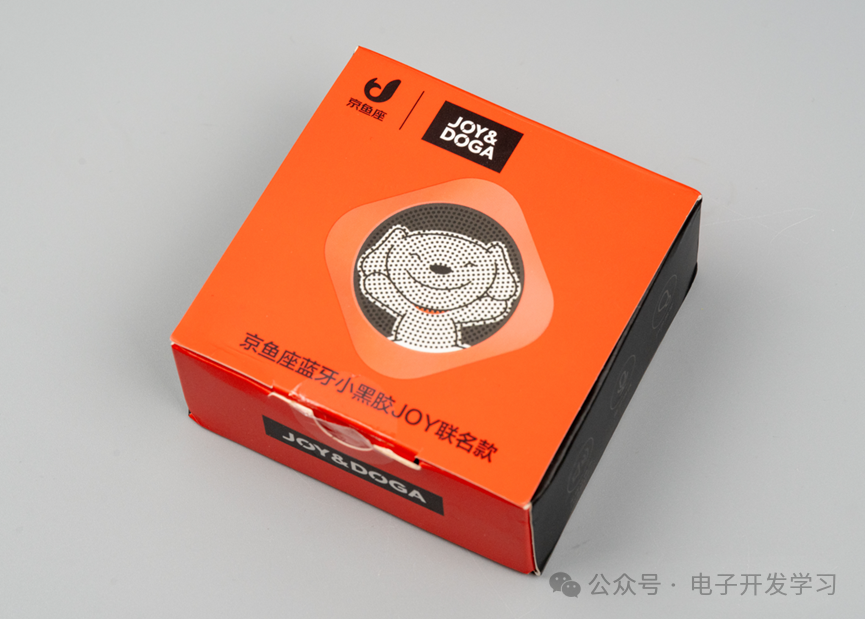
So, I searched on Xianyu and ended up spending20 Yuan to buy one of their early Bluetooth speakers. This item is still brand new and unopened, a JOY co-branded model, beautifully named: Whale Bluetooth Mini Vinyl.
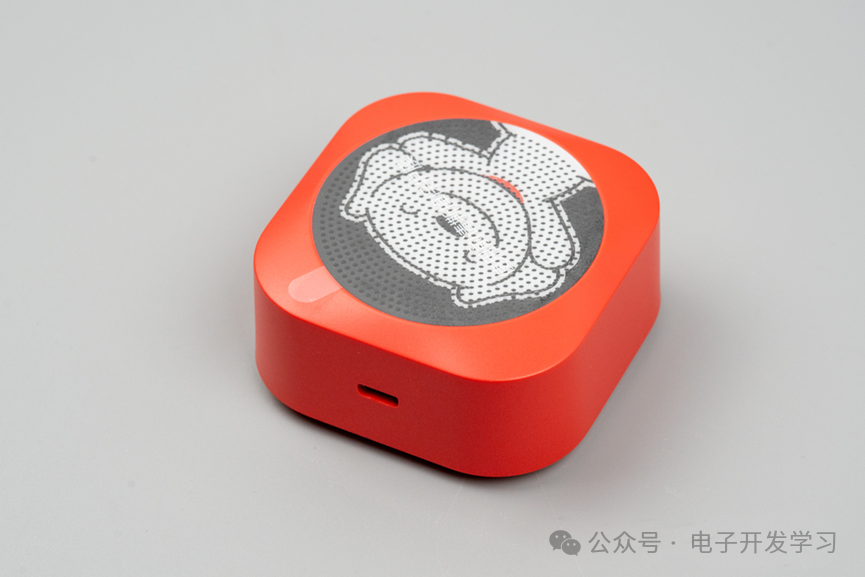
Upon opening, the product features a vibrant red theme with a black and white logo, which looks quite lively.
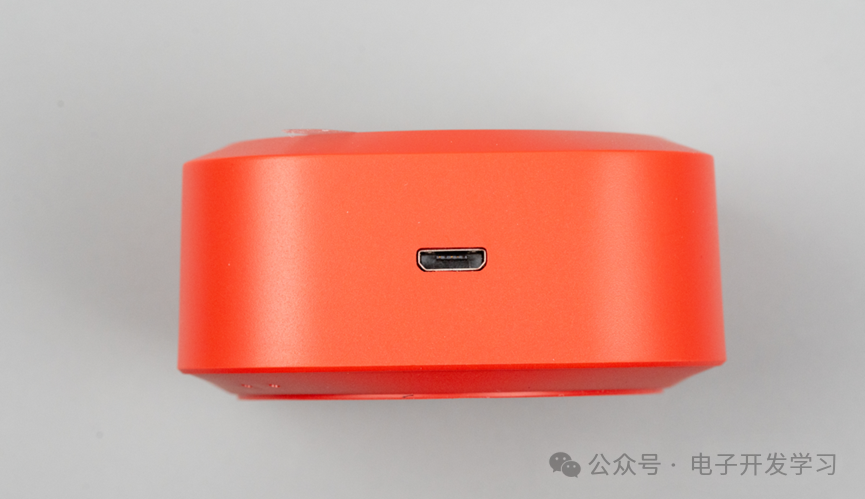
On the side, there is a Micro-USB connector. Yes, this is a product from a few years ago, still using Micro-USB. If it had been Type-C, it would have been perfect.
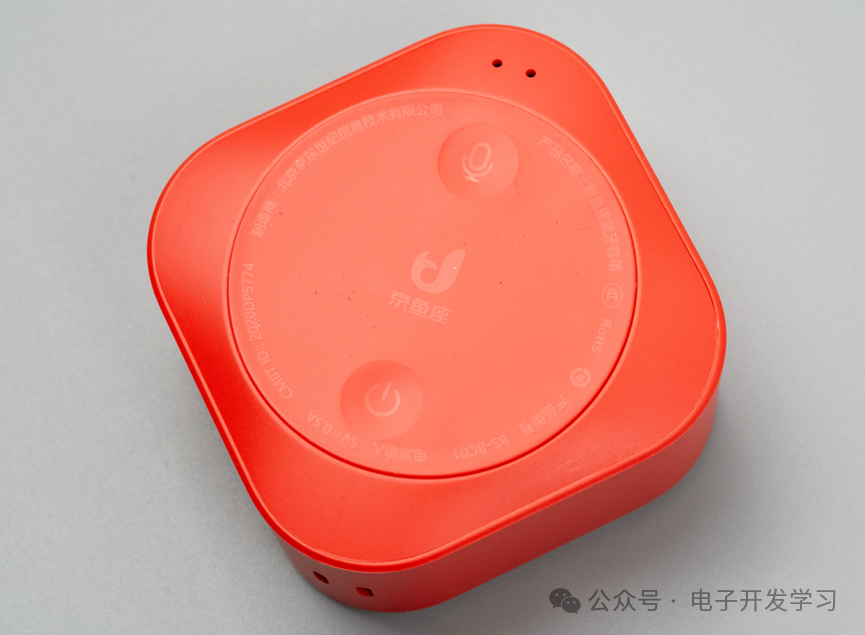
At the bottom, there are two buttons: the power button and the voice button, along with two small holes for the microphone. The product model is BS-BC01.
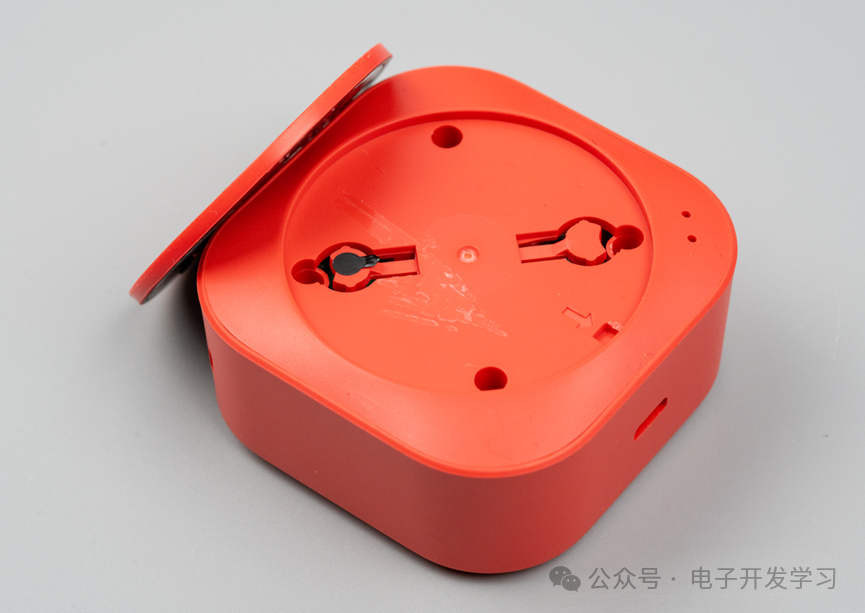
First, I peeled off the thick silicone pad at the bottom, which looks about 2mm thick.
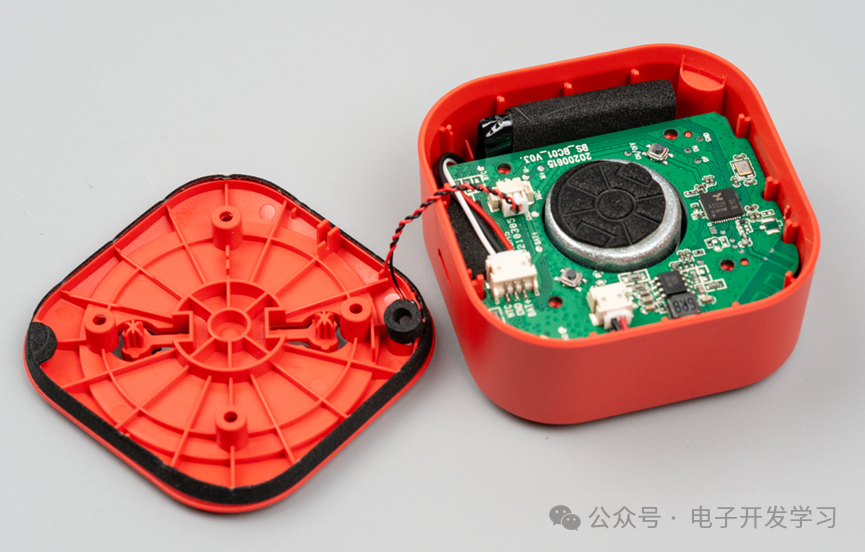
Then, I removed the screws and took off the back cover to reveal the circuit board.
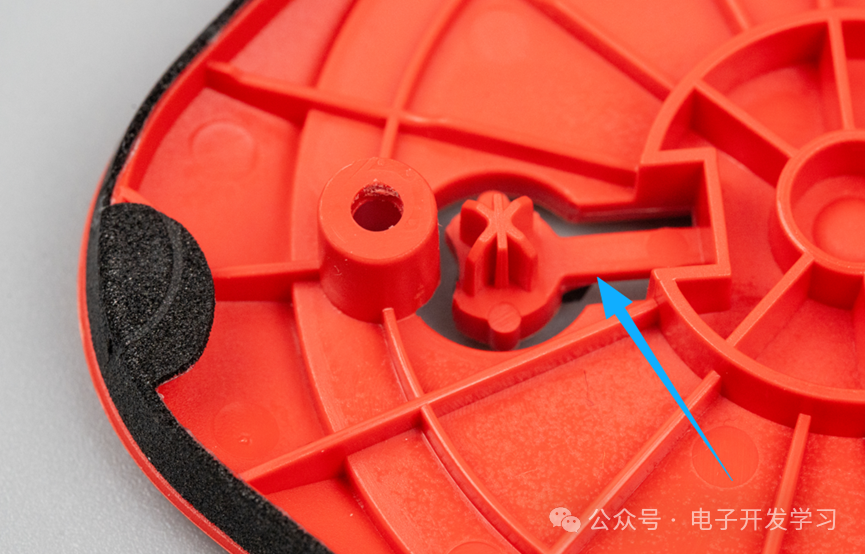
Note the design of the buttons on the bottom shell.
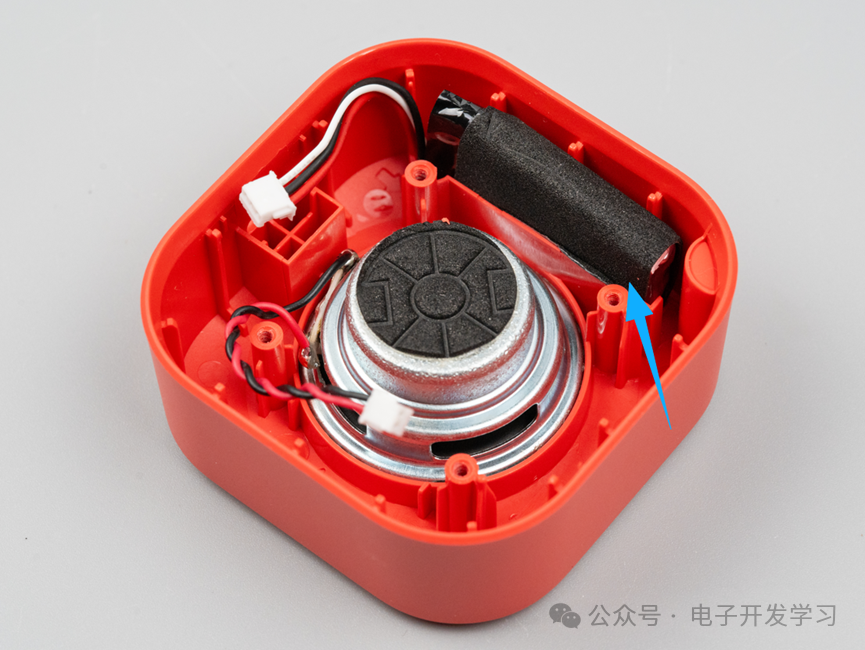
After removing the circuit board, I found that the battery was well protected, nestled in a way that seemed peaceful, unaware that I was about to flip the roof off.
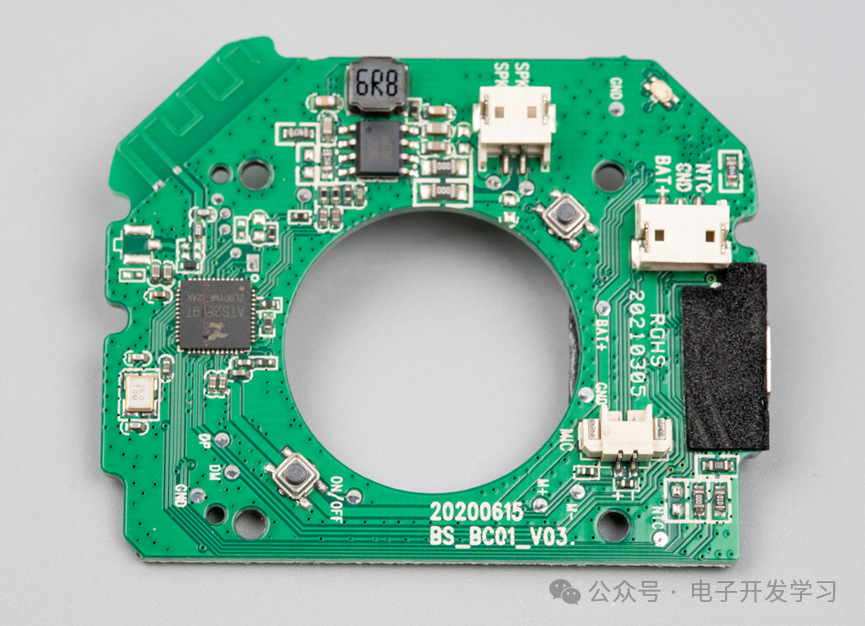
The circuit board has a hollow design in the middle, with the Bluetooth antenna located in the upper left corner. The speaker, microphone, and battery are all connected via connectors, not directly soldered, which looks quite tidy. The silkscreen on the board reads BS_BC01_V03, indicating that the engineer had to prototype this board three times before finalizing it.
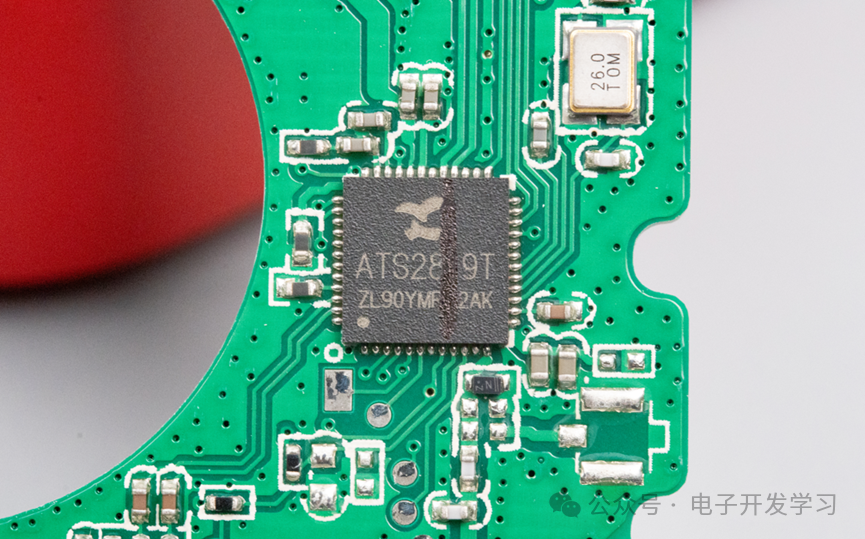
Clearly, this is the main chip of the Bluetooth speaker, the ATS2819T from Zhuhai Lexin, a highly integrated Bluetooth 5.0 audio chip that can also serve as a smart voice assistant, compatible with multiple protocols including Baidu DMA, Alibaba GMA, and Xiaomi’s Xiao Ai. This chip is paired with a 26MHz crystal oscillator.
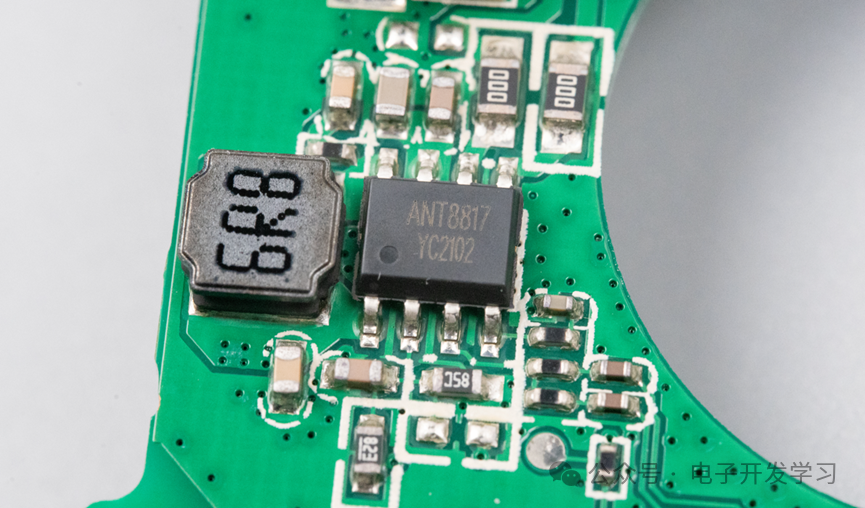
The ANT8817 is a synchronous adaptive boost, ultra-long battery life, H class pseudo-analog monaural audio amplifier chip.
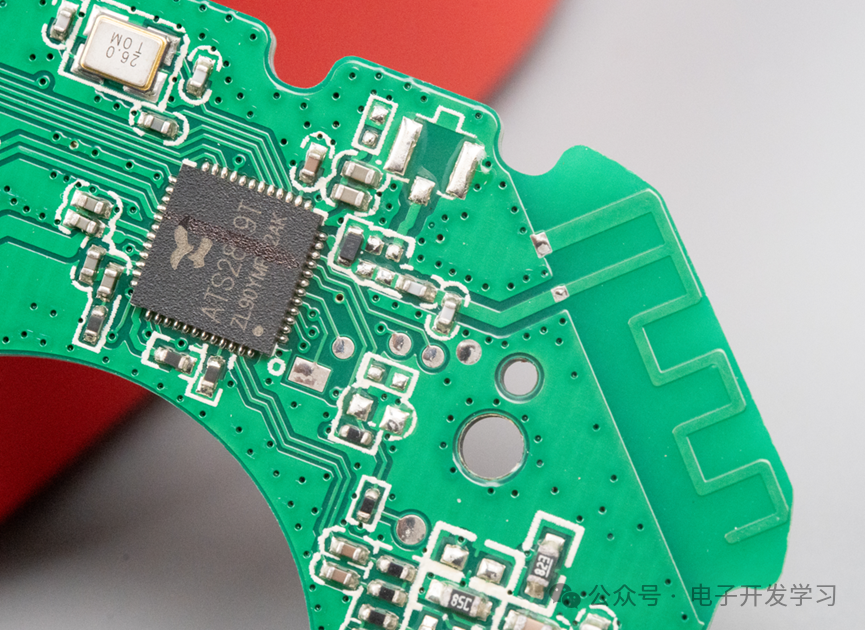
This is the design detail of the PCB onboard antenna for the Bluetooth SoC.
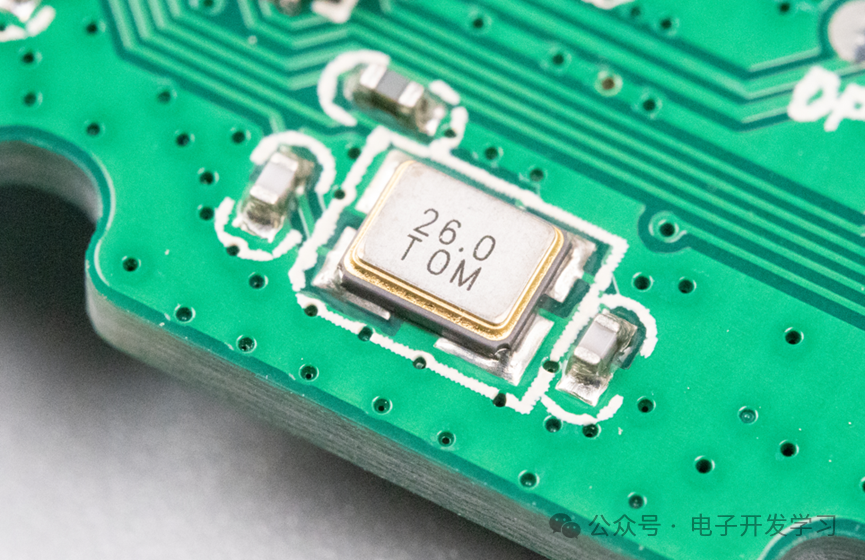
26MHz crystal oscillator details.
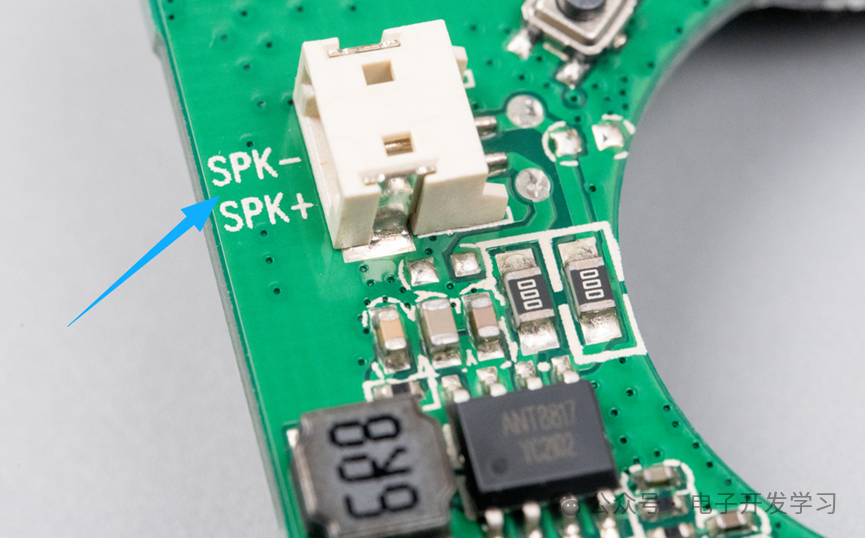
The circuit board design is quite neat, with clear signal annotations next to the pins.
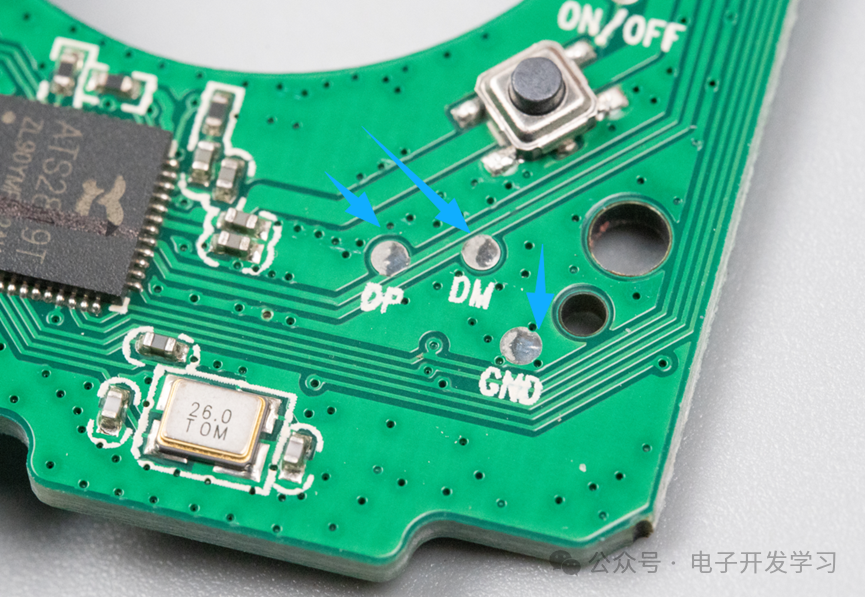
All signals also have test points exposed.
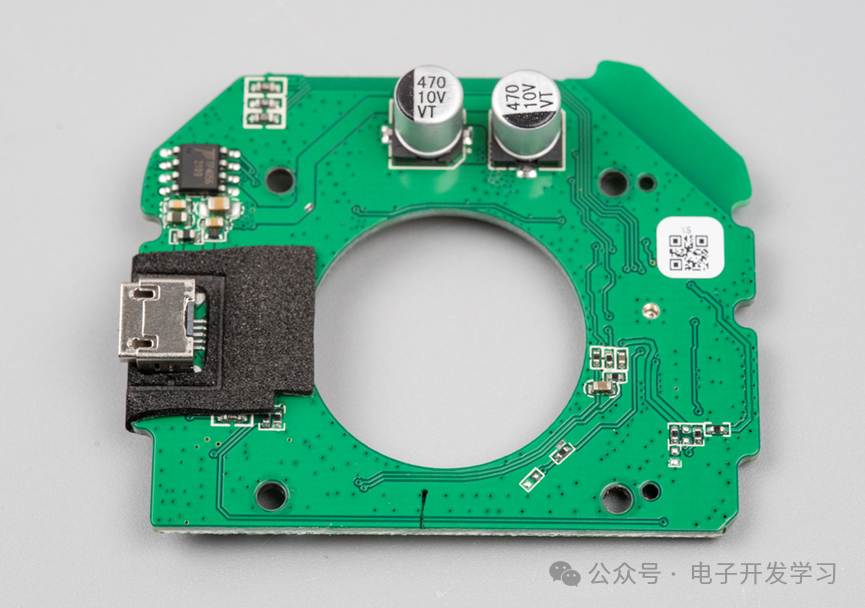
The back of the circuit board is relatively simple.
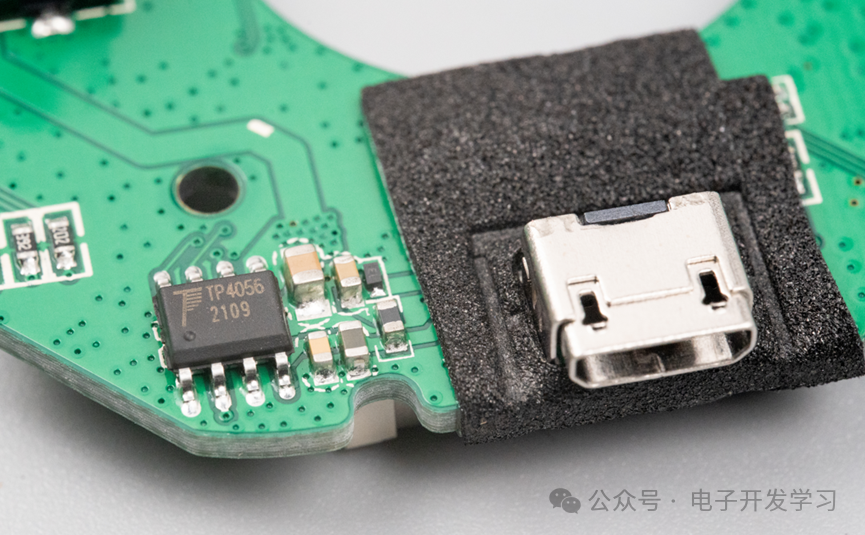
The lithium battery charging chip is TP4056. On the right is the Micro-USB connector.
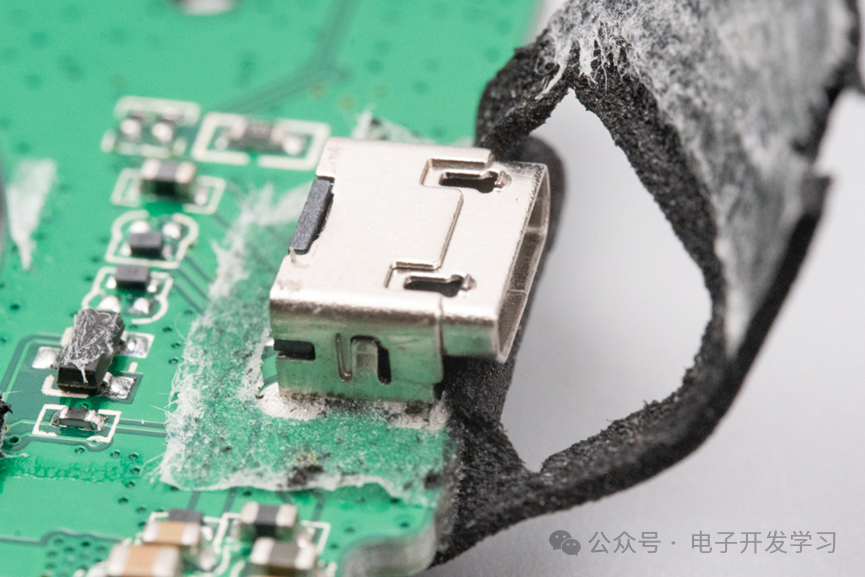
It must be said that while typical Micro-USB connectors look quite fragile, this one has been reinforced at the physical level, giving it a very sturdy feel.
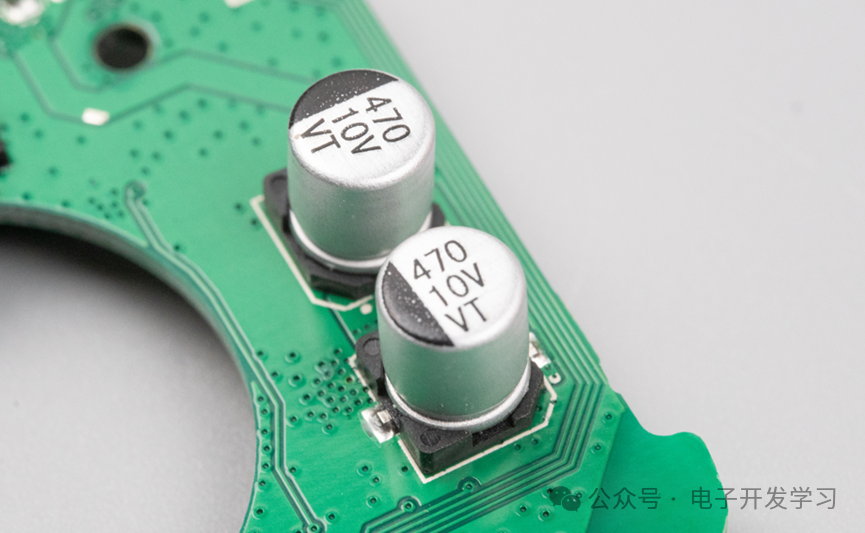
Two 470Uf10V aluminum electrolytic capacitors are placed on the back of the audio amplifier chip.
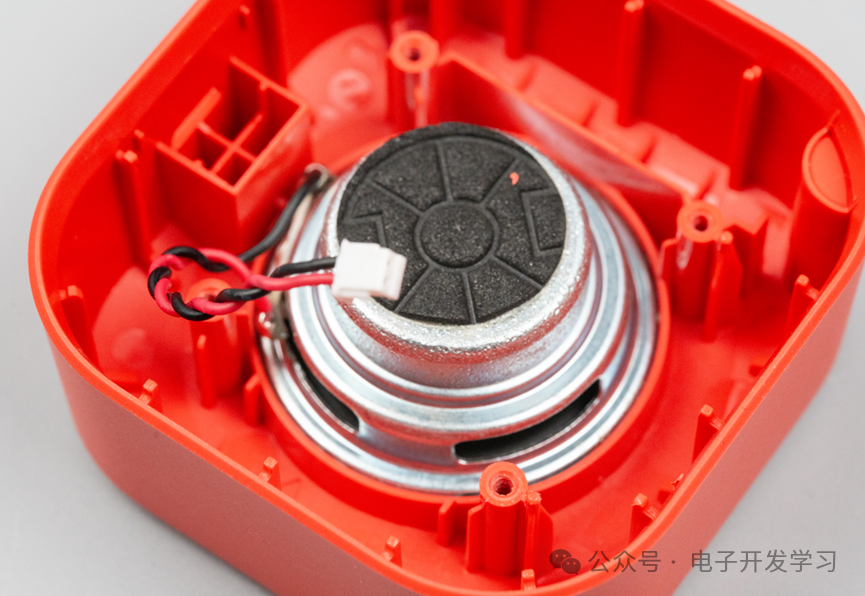
The speaker.
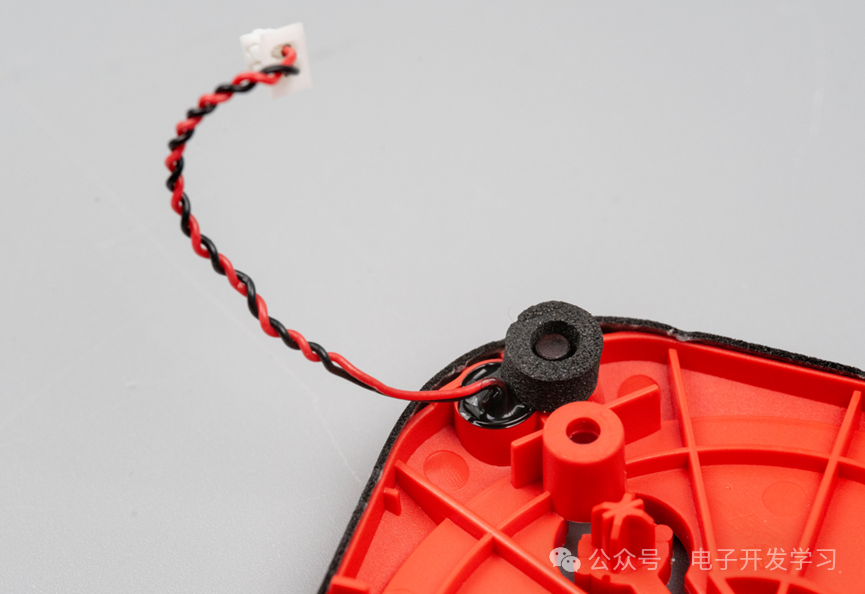
There is also a microphone at the corner of the bottom shell.
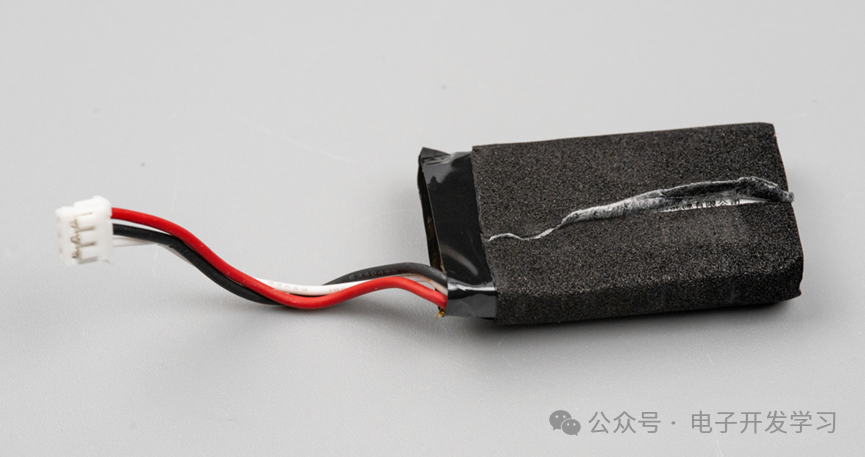
The battery is well protected, dressed in a fur coat.
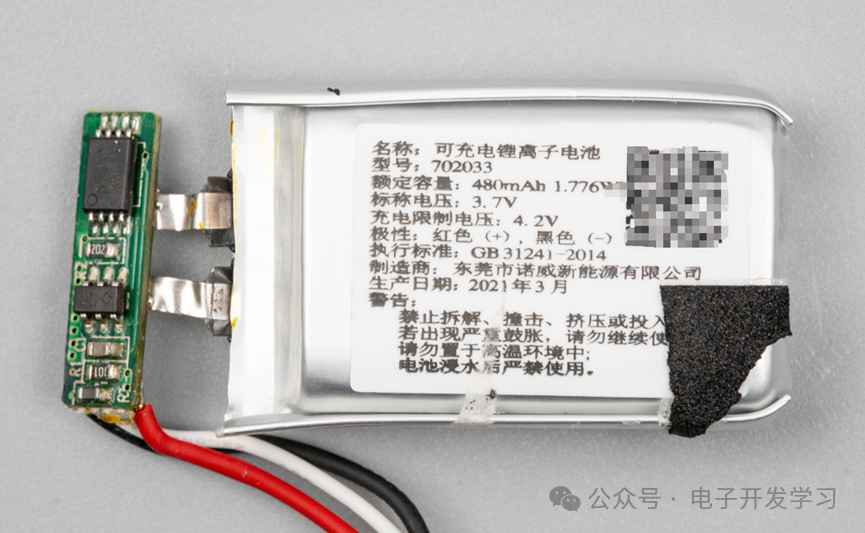
After removing the fur coat, I checked the lithium battery capacity, which is 480mAh, with a production date of March 2021.
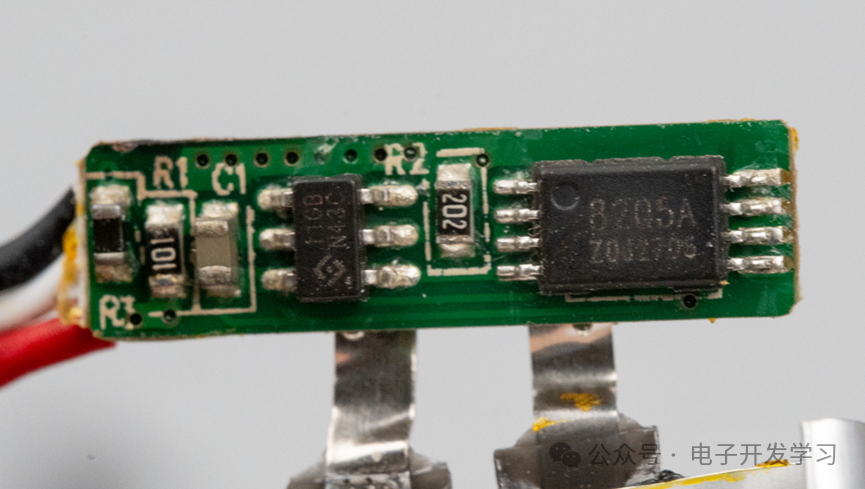
Details of the lithium battery protection board.
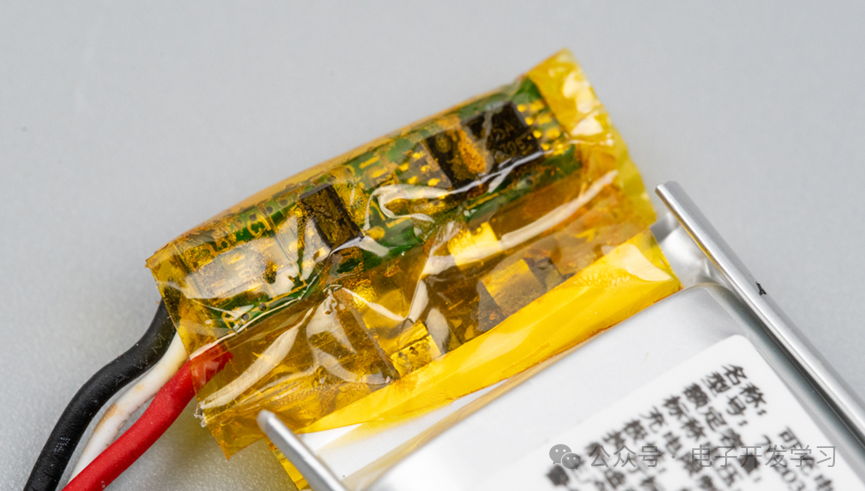
After reviewing everything, I packed it back as it was and dressed the fur coat back on. After all, I had no intention of destructively disassembling this Bluetooth mini vinyl.
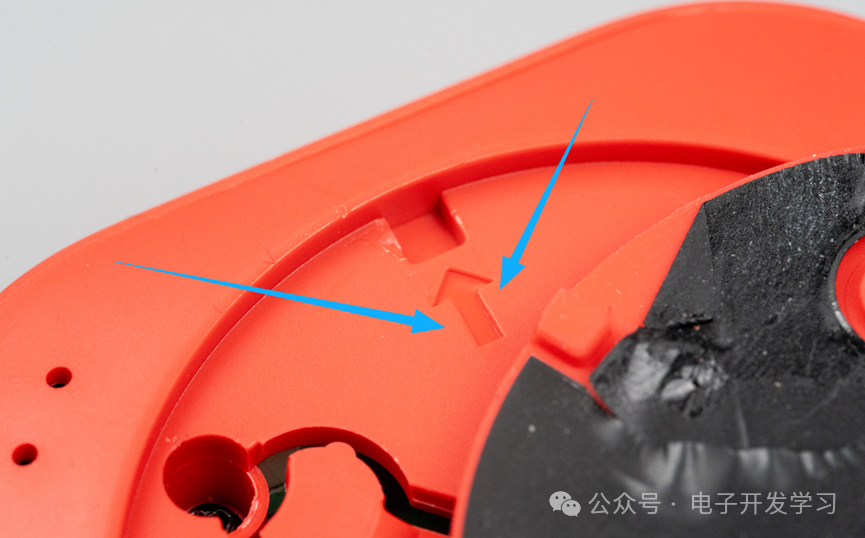
While reassembling, I was puzzled about what this arrow and the groove it pointed to were for, but then I noticed the silicone pad below and instantly understood: it was for positioning. After all, the silicone pad had two printed buttons, and if the positioning was off, it could misalign or reverse. This damn design detail is truly satisfying.
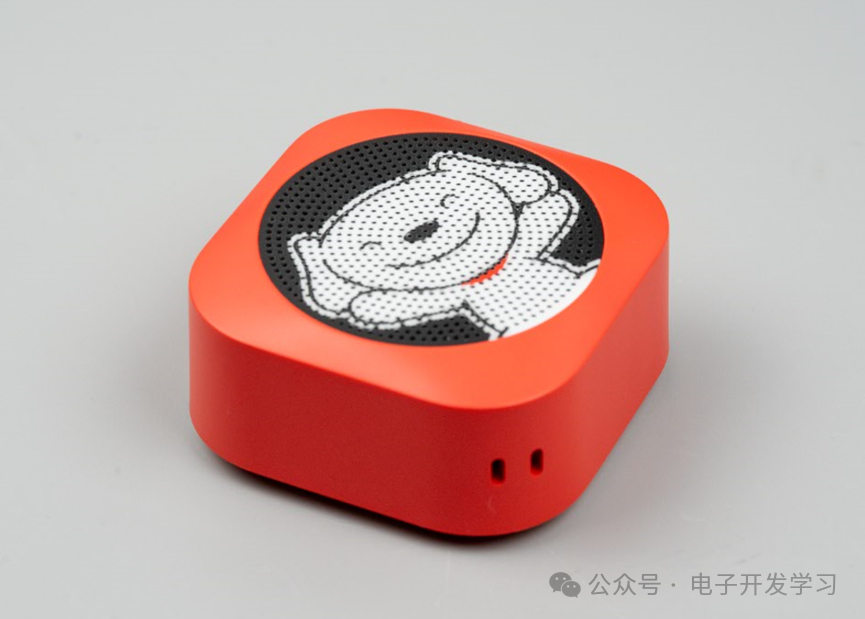
After reassembling and charging it fully, I tested it out, and the sound is quite loud. I have a habit of listening to audiobooks while showering, but the maximum volume of my phone is often drowned out by the sound of running water. However, with this Whale Bluetooth Mini Vinyl, I can now enjoy my audiobooks while showering.