Click the blue text to follow us
ENTERPRISE
plasma
Plasma Cleaning Machines: The Key Process to Enhance FPC and PCB Reliability
Introduction
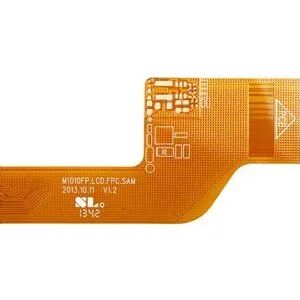
In the manufacturing process of FPC (Flexible Printed Circuit) and PCB (Printed Circuit Board), the quality of each process directly affects the final reliability of the product. Plasma treatment equipment precisely processes the surface of materials, optimizing the basic conditions for subsequent processing, thereby significantly enhancing the quality stability of FPC and PCB.
Performance Optimization of FPC through Plasma Treatment
FPC needs to have flexible bending characteristics while ensuring the stability of the connection points. The surface characteristics of the substrate significantly affect the processing results, and plasma treatment plays a role in the following aspects:
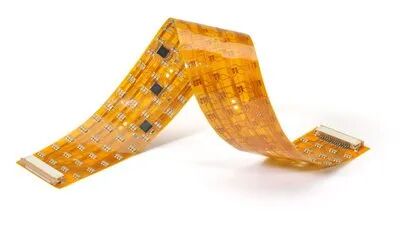
Image source: Internet, please delete if infringing
1
Enhancing Adhesion Performance of the Substrate
The surface of the FPC substrate is smooth, and under normal conditions, the adhesion effect with adhesives is poor.
Plasma Effect: It can change the physical state and chemical properties of the substrate surface, increase surface roughness and surface energy, enhance the bonding strength between the cover film and the substrate, as well as between the adhesive and the substrate, preventing delamination or cracking during bending.
2
Optimizing the Quality of Cover Film Adhesion
Before the cover film is applied, the FPC surface may retain oil and other impurities, affecting the tightness of the adhesion.
Plasma Effect: It can effectively remove these impurities while activating the surface, ensuring that the cover film adheres tightly to the FPC body, guaranteeing overall structural stability.
3
Ensuring Reliability of Gold Finger Connections
If there is an oxide layer or contaminants on the gold fingers at the end of the FPC, it can lead to poor contact and signal transmission interruptions.
Plasma Effect: It can precisely remove the oxide layer and contaminants from the surface of the gold fingers, restoring the cleanliness of the metal contacts, improving the smoothness of insertion and contact stability, and extending the lifespan of the connectors.
4
Reinforcing the Strength of the Soft-Hard Joint Area
The connection area between the FPC and the hard board is prone to cracking due to material differences in bending or temperature change environments.
Plasma Effect: It can clean and activate the surfaces of both materials simultaneously, enhancing the bonding strength in this area, increasing structural toughness, and reducing the probability of damage.
Quality Assurance of PCB through Plasma Treatment
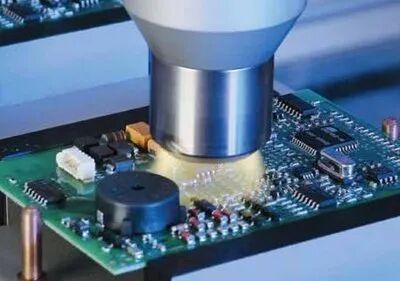
As the core carrier of electronic devices, the quality of solder joints, holes, and protective layers of PCBs directly determines overall reliability, and plasma treatment plays an important role in key processes:
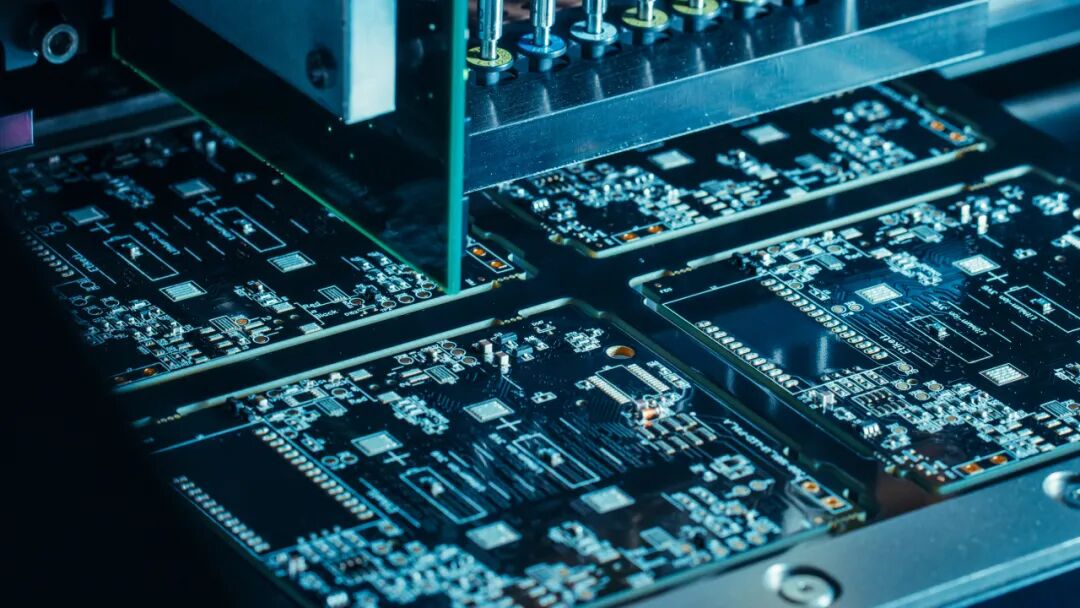
Image source: Internet, please delete if infringing
01
Improving Soldering Process Effectiveness
Before soldering, the surface of the PCB pads may have invisible oil or oxide layers, causing solder to not spread evenly, resulting in cold solder joints.
Plasma Effect: It can thoroughly remove these contaminants, ensuring that the pad surface reaches high cleanliness, allowing solder to spread evenly, forming full and strong solder joints, and reducing soldering defects.
02
Removing Residual Impurities from Hole Walls
After drilling, the walls of the PCB holes may retain resin debris, affecting the quality of copper plating inside the holes and the connection of various layers of circuits.
Plasma Effect: It can penetrate into small apertures to precisely remove debris while enhancing the surface energy of the hole walls, ensuring complete and uniform copper plating inside the holes, guaranteeing stable connections between layers, and avoiding internal disconnections.
03
Enhancing Chip Packaging Yield
Before installing chips like BGA/CSP, micro-dust on the pad surface can lead to poor soldering, causing heat dissipation or signal transmission issues.
Plasma Effect: Through dry precision cleaning, it removes micro-contaminants from the pad surface, providing a clean environment for chip soldering, improving packaging yield and long-term stability.
04
Enhancing Adhesion of the Solder Mask Layer
If the adhesion of the solder mask layer (green protective paint) on the PCB surface is insufficient, it can lead to bubbling and peeling, losing its protective function for the circuits.
Plasma Effect: It can change the surface characteristics of the PCB, enhancing the chemical bonding strength between the solder mask layer and the board surface, ensuring that the solder mask layer remains stable during subsequent processing and use, providing long-term protection for the circuits.
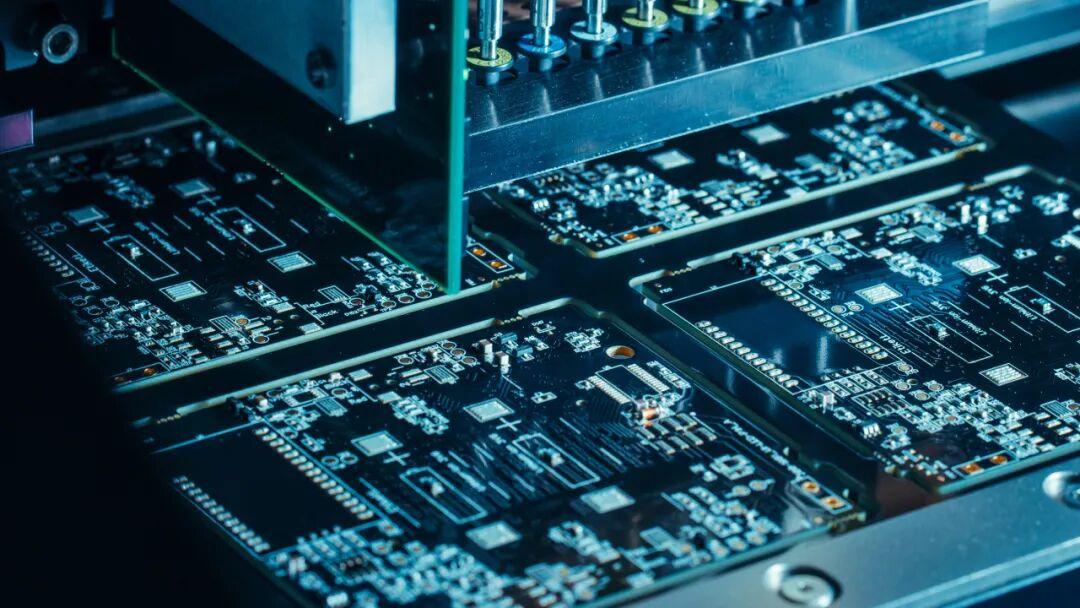
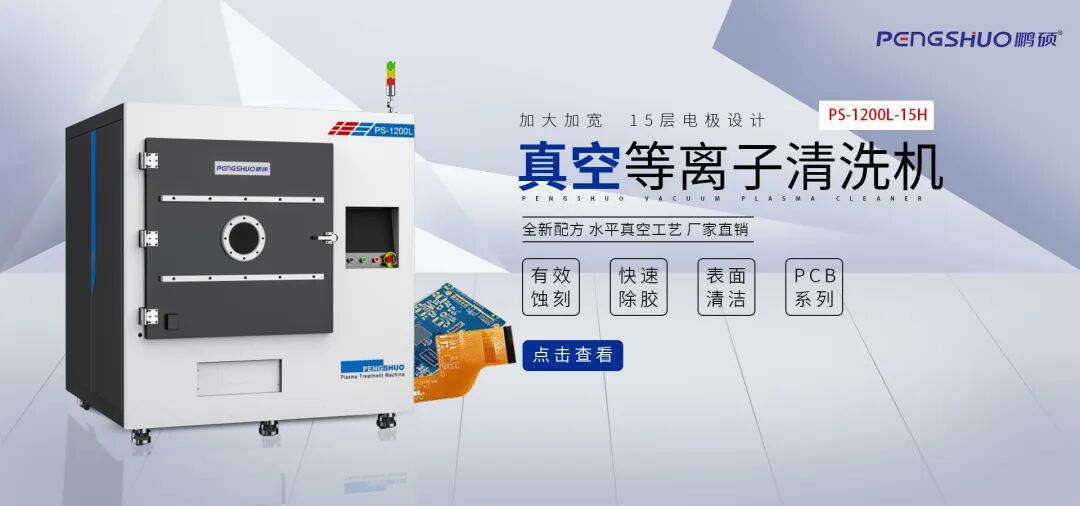
Pengshuo plasma cleaning machines are precisely adapted to the processing needs of FPC and PCB, stably removing surface contaminants, enhancing bonding strength without damaging the substrate, helping enterprises improve product reliability, and are the preferred surface treatment equipment for circuit board manufacturing.