Word Count 3150, Estimated Reading Time 16 Minutes
Overview of Multi-Agent LLMs
The days of a single model handling everything are long gone. Now, a series of specialized LLM Agents are used, with each agent focusing on its area of expertise.
For example, consider this scenario: suppose one agent specializes in gathering all necessary data, while another agent analyzes this information to detect patterns and insights. Meanwhile, a third agent uses these insights to formulate strategies and determine the best course of action. Together, they operate like a well-oiled machine, capable of addressing planning problems of varying complexity.
This collaborative model opens up new possibilities for the capabilities of language models. For instance, in situations that require continuous updates, such as monitoring climate change or managing urban traffic, these multi-agent LLMs can continuously exchange new data and strategies, thus keeping the system effective and up-to-date.
In this article, we will explore multi-agent LLMs, how they work, their advantages over single-agent systems, and some popular multi-agent frameworks.
What Are Multi-Agent LLMs?
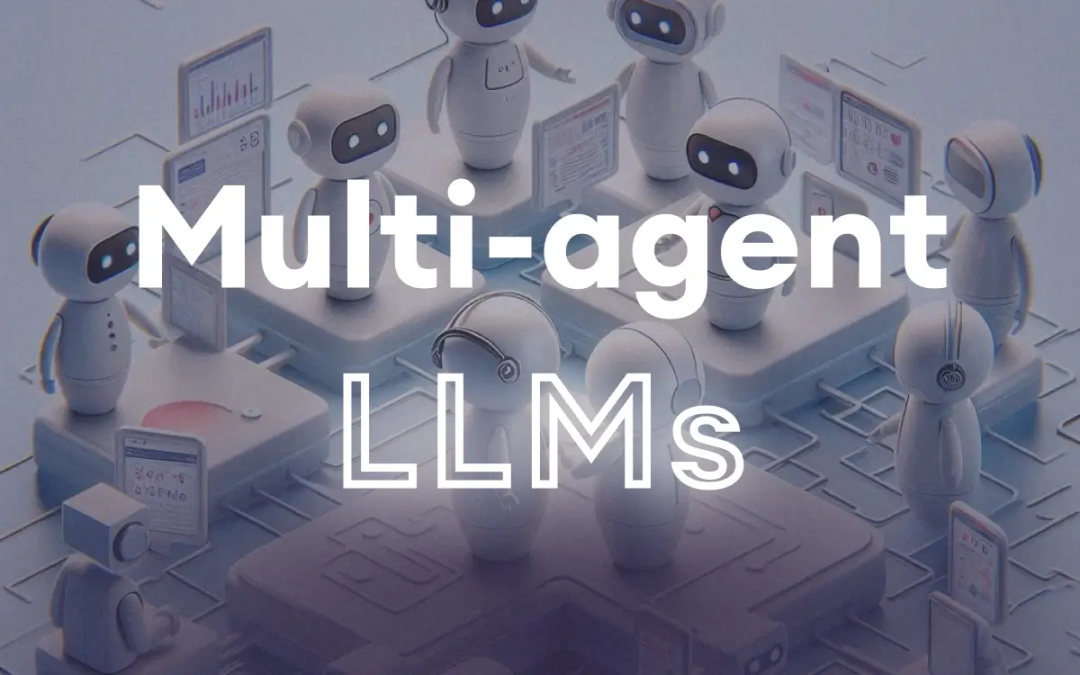
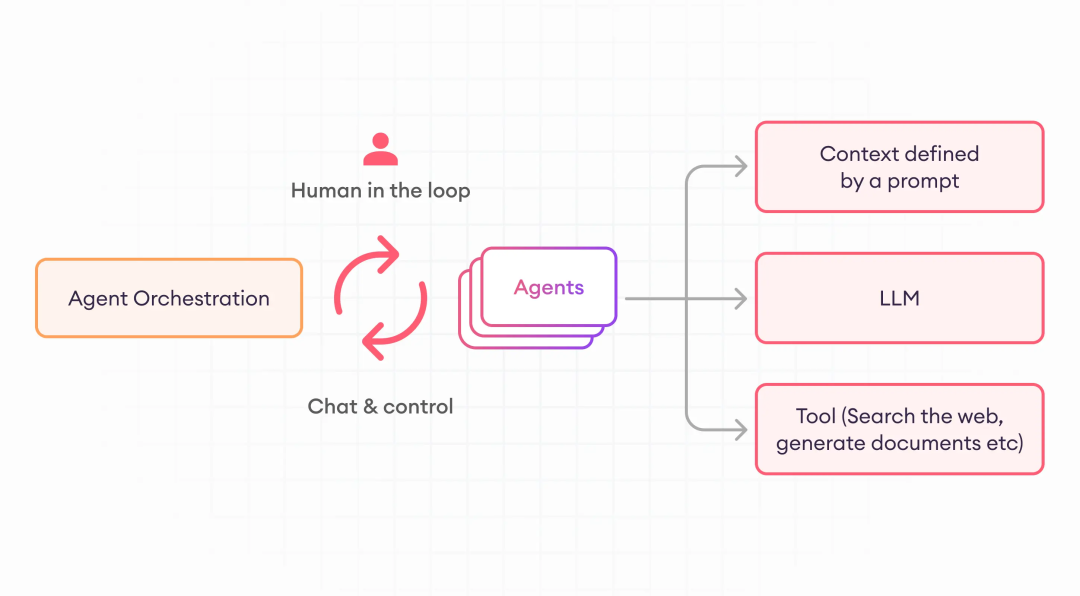
Multi-agent LLMs are language models that work collaboratively to solve complex tasks, with each agent playing a unique role in which it excels. They outperform traditional single-agent models, especially in complex tasks and practical applications. What sets them apart is their teamwork, leveraging the strengths of different specialized agents.
These agents can work as a team or independently, depending on the task, allowing for smooth collaboration. Although they operate independently most of the time, they still require human oversight to monitor their decisions and review their work. For their tasks, agents utilize various tools to perform tasks like searching the web or processing documents, all supported by the powerful language model they are based on.
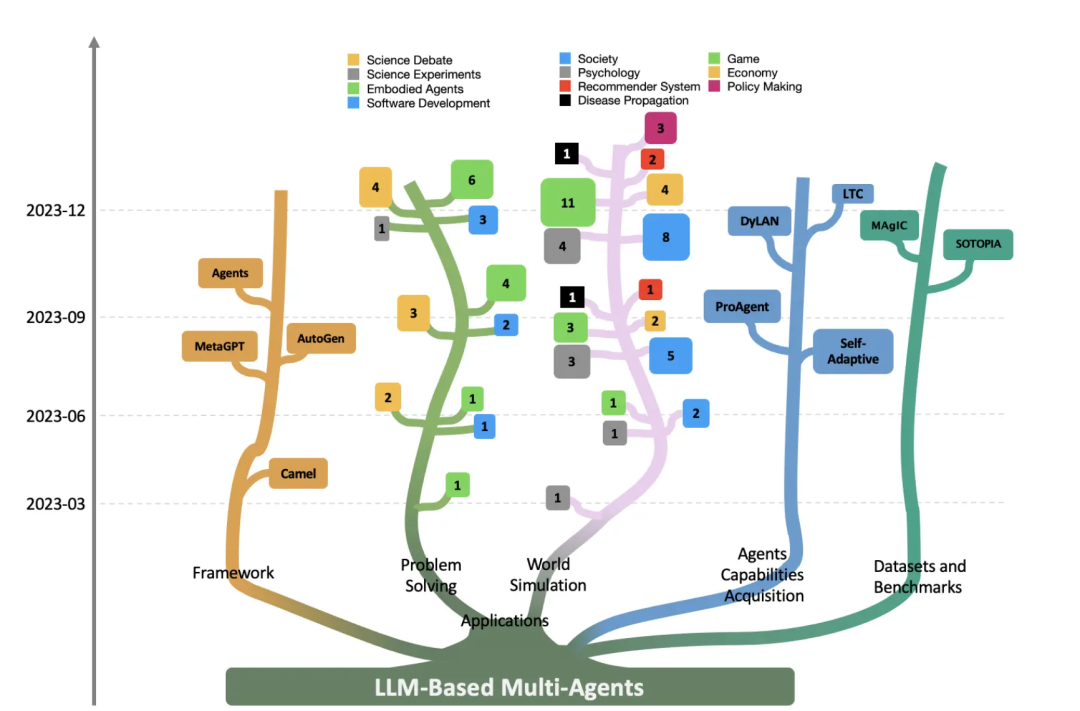
Multi-agent LLMs are currently a trend[1], and the following image clearly illustrates why. It shows the number of papers published in various categories every three months. The count at each leaf node reveals the number of papers being written. These impressive numbers were collected in just a few months, clearly indicating the development of multi-agent LLMs.
With this quick overview of multi-agent LLMs, let’s look at an easy-to-follow example to see what such a system looks like in practical application.
Understanding Multi-Agent LLMs Through Examples
Let’s see how multi-agent applications are used in real life. Imagine having a personal assistant that can plan your entire trip from start to finish. Here’s how a multi-agent system plans an itinerary for travel enthusiasts.
1. Multi-Agent Team for Travel Planning
The multi-agent system for travel planning consists of several specialized agents, each focusing on a specific aspect of your trip:
- • Flight Agent: Searches and books airline flights, accessing flight search engines and airline booking tools, and specializes in optimal routes, times, and pricing.
- • Hotel Agent: Searches and books accommodations, using hotel search engines and booking platforms, and is knowledgeable about ratings, amenities, and locations.
- • Transportation Agent: Handles car rentals, shuttles, trains, etc., accesses various transportation booking tools, and specializes in pricing, vehicle types, and pickup locations.
- • Activity Agent: Books activities, tours, events, and restaurants, using activity booking platforms and local guides, and is familiar with popular attractions, reviews, and schedules.
By breaking down the complex task of travel planning into subtasks handled by specialized agents, the entire system becomes more efficient than any single agent trying to figure out all aspects of the trip.
How Multi-Agent LLMs Work
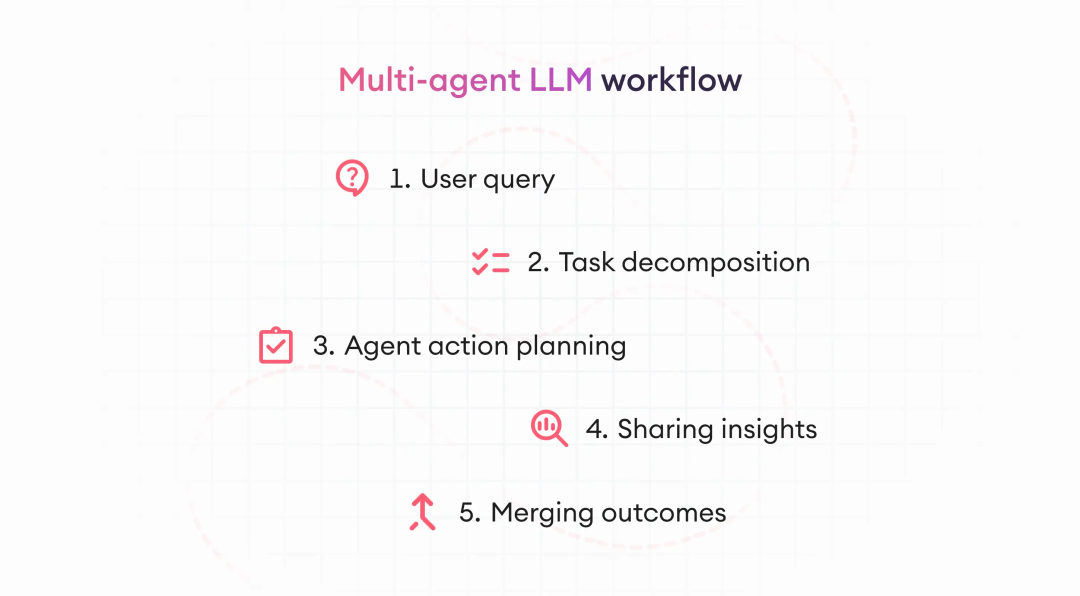
Below is a typical workflow in a multi-agent LLM system: it starts with a user providing a high-level task or query. The system then breaks the task down into smaller subtasks and assigns them to the corresponding specialized agents based on their roles and functions.
Each agent uses its LLM to reason through its assigned subtask, formulate a plan, and execute that plan using the tools and memory available to it. During this process, agents communicate and share information as needed to complete interdependent subtasks. The final output is assembled by combining the results of all relevant agents.
Single-Agent vs Multi-Agent LLMs
Multi-agent LLMs are generally better suited for complex tasks because they can work collaboratively and efficiently. Here are some reasons why users find these systems to be a good choice:
- • Accuracy and LLM Hallucination: A significant issue with single-agent LLMs is that they sometimes produce hallucinations, meaning they generate incorrect information. This is a serious problem in fields like medicine or law, where accuracy is critical. Multi-agent systems help address this issue by allowing agents to cross-check each other’s work, greatly reducing errors and enhancing reliability. Using fine-tuning techniques on these agents can also significantly improve their performance.Research shows[2] that using multiple agents can make responses more accurate and reliable, making multi-agent systems particularly valuable in critical environments.
- • Handling Extended Context: Single-agent LLMs have a drawback: their context window is limited, allowing them to consider only a small amount of text at a time. This is problematic when dealing with long documents or extended conversations. Multi-agent systems address this issue better by distributing the workload among several agents. Each agent focuses on a segment of the text and collaborates to maintain clarity and continuity of understanding throughout the entire discussion. This teamwork enhances their ability to manage and process information effectively.
- • Efficiency and Multitasking: Single-agent LLMs run on a single thread, meaning they handle one task at a time. This can lead to delays, especially when quick responses to multiple queries are needed. Multi-agent systems improve efficiency by processing tasks in parallel, where multiple agents handle different tasks simultaneously. This setup not only reduces response times but also increases productivity, making it ideal for time-sensitive business environments.
- • Collaborative Functionality: Multi-agent systems excel in situations where teamwork is essential. Unlike setups with only one agent, these systems leverage the strengths and expertise of different agents. This collaboration is crucial for complex problems requiring a mix of skills and perspectives. It is valuable in fields like scientific research or strategic planning, where combining different knowledge and ideas leads to better outcomes.
Single-agent systems excel at cognitive tasks and can work independently. In contrast, multi-agent systems combine different agents that collaborate and make decisions together. This setup helps them tackle more complex and dynamic tasks. Each agent in a multi-agent system has a unique approach to problem-solving and communicates with others to achieve a common goal.
Multi-Agent LLM Frameworks
Multi-agent LLM frameworks enable multiple AI agents to work collaboratively or in a structured manner to handle complex tasks, improve workflows, and integrate AI seamlessly.
Here’s a list of some of the best multi-agent LLM frameworks:
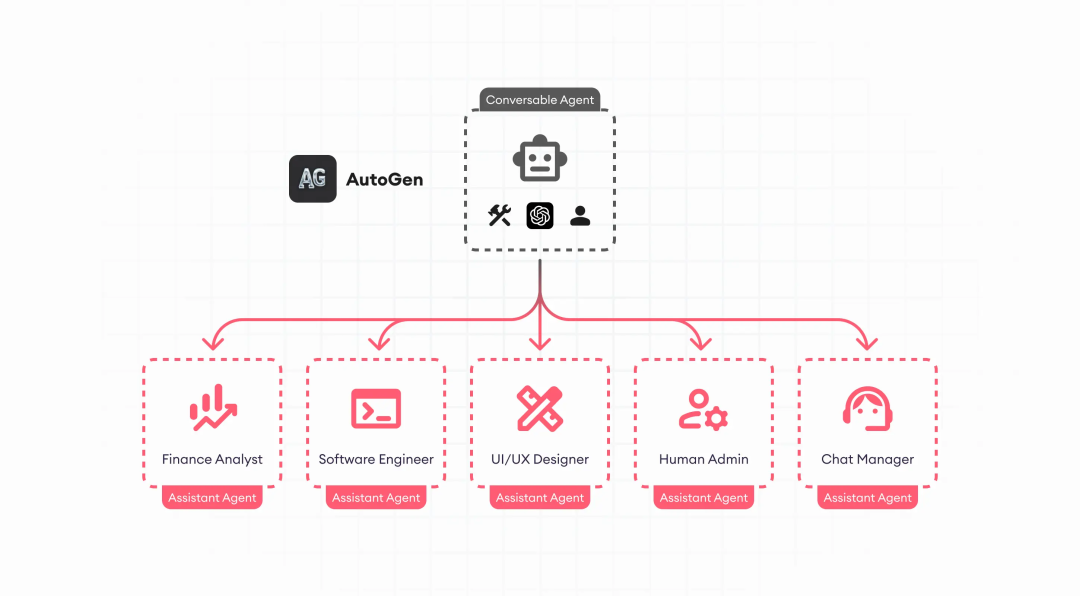
- • AutoGen[3]: Microsoft’s AutoGen is like a playground for AI agents. It allows you to create chatty AI assistants that can work together, use tools, and loop in humans when necessary. It is very flexible, allowing for various conversational modes. It has a very active and ever-growing community, which is incredibly helpful for developers needing support and collaboration.
- • LangChain[4]: Think of LangChain as building blocks for AI applications. It provides you with the components to connect different AI elements, making it easier to create complex AI-driven applications. It is perfect for developers wanting to mix and match various AI capabilities.
- • LangGraph[5]: This new member is part of the LangChain family. LangGraph aims to create LLM workflows that include cycles, which are a key component of most agent runtimes. It is designed to create AI workflows that are not just linear but can branch and loop. It’s like giving AI agents a roadmap with multiple routes to their destination. LangGraph uses graphical representations for agent connections, providing a clear and scalable way to manage multi-agent interactions.
- • CrewAI[6]: This framework is also about teamwork. It allows you to create a team of AI agents, each with its role and expertise. CrewAI is particularly useful for production-ready applications, featuring clean code and a focus on practical applications. João Moura, the CEO of CrewAI, also offers a course[7] that explains the key components of multi-agent systems through practical examples using the CrewAI framework.
- • AutoGPT:[8]AutoGPT is like giving an AI agent a to-do list and watching it go. It excels at remembering things and understanding context, making it ideal for tasks that require more persistence. It also features some cool visual tools for setting up AI systems, making it a great choice for developers looking to leverage multi-agent systems for visual design tools.
- • Hierarchical Multi-Agent Reinforcement Learning (RL): The Hierarchical Multi-Agent Reinforcement Learning (RL) framework allows agents to learn simultaneously at multiple hierarchical levels. The main advantage of this framework is its ability to use the hierarchy of tasks to learn coordination strategies more effectively. It extends established single-agent HRL methods, such as Hierarchical Abstract Machines (HAM),[9] options, and MAXQ[10], particularly the MAXQ value function decomposition, to collaborative multi-agent environments.
- • Haystack:[11]If you want to use AI to mine your own data, Haystack is your go-to. It is known for its stability and has excellent documentation, which is always a plus. It is particularly useful for projects involving question answering or semantic search.
Multi-Agent LLM Application References
GPT-newspaper
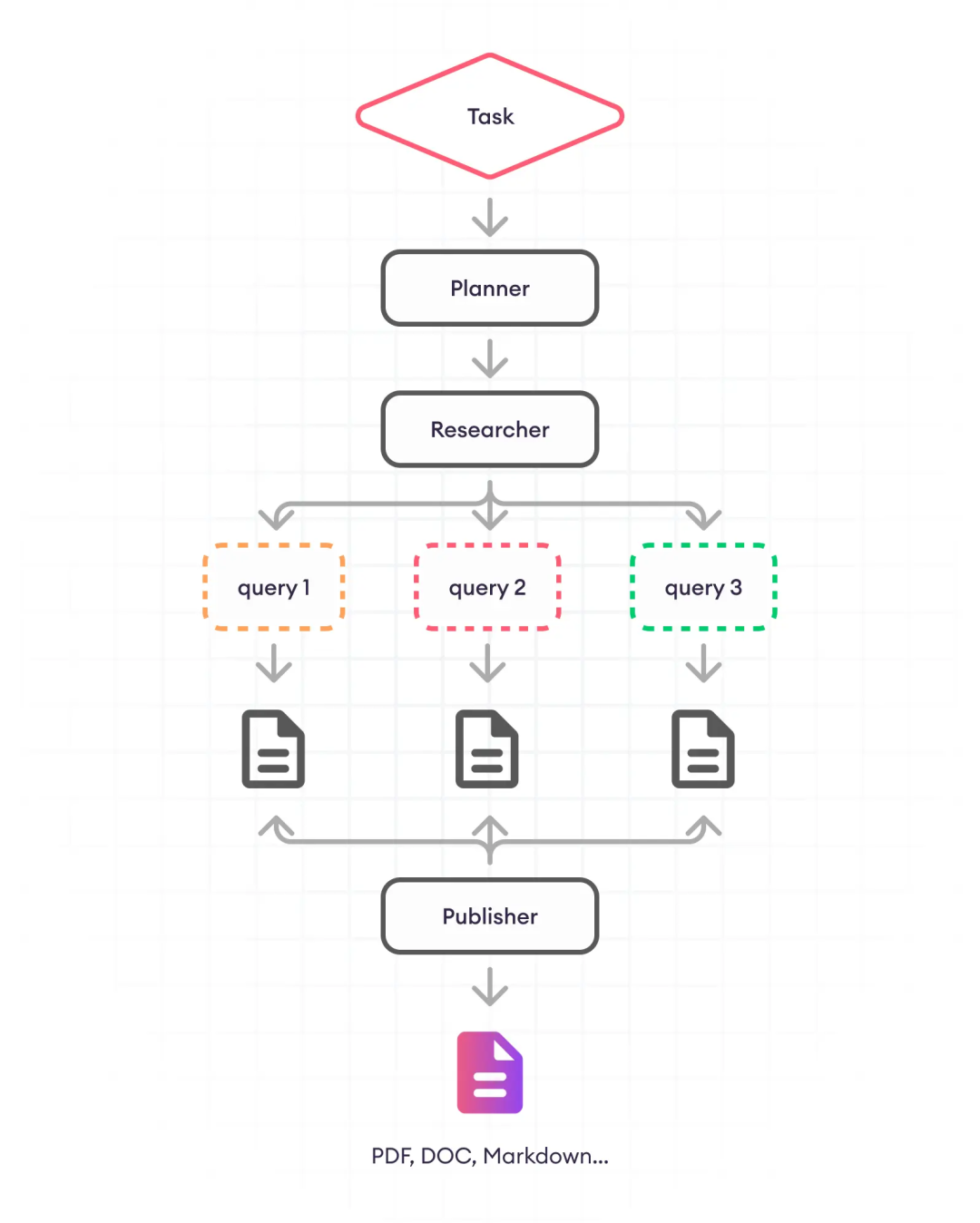
GPT-newspaper[12] creates personalized newspapers based on user preferences. It has six main agents working in the background, with two primary agents being the “Planner” and “Executor” agents. The Planner generates research questions, and the Executor searches for the most relevant information based on each generated research question. Finally, the Planner filters and aggregates the relevant information to create a research report.
Examples of CrewAI, LangChain, and LangGraph
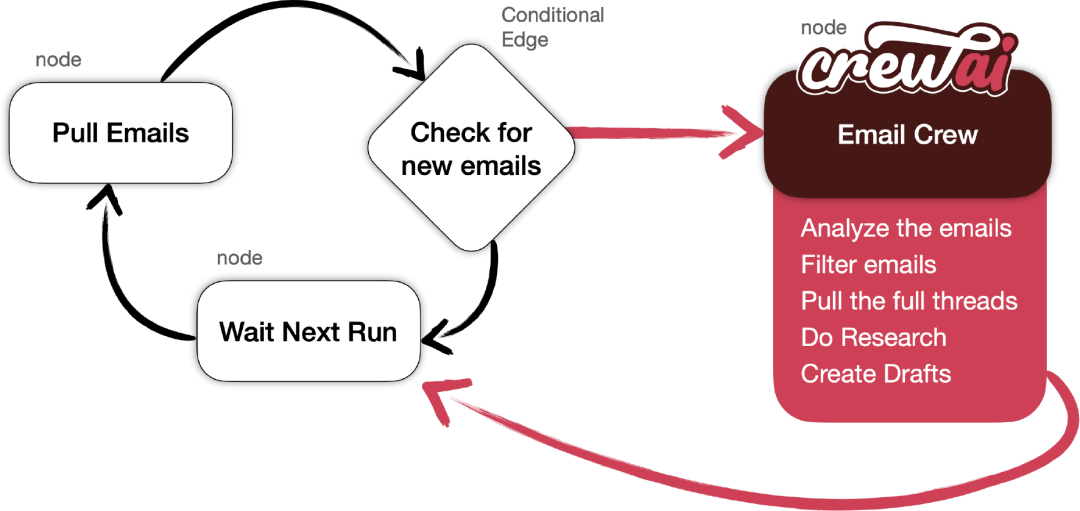
Examples[13] demonstrate how to combine CrewAI with LangChain and LangGraph to automate email checking and drafting replies. CrewAI manages autonomous AI agents that collaborate to efficiently solve tasks.
Challenges and Limitations of Multi-Agent LLMs
Multi-agent LLMs face challenges in assigning roles and tasks, managing memory and time, among other issues:
- • Task Allocation: Effectively dividing complex tasks among different agents is tricky. It’s like assigning roles in a team project, but for AI.
- • Coordinated Reasoning: Getting agents to effectively debate and reason together is not simple. Imagine trying to get a group of people to collaboratively solve a puzzle – it’s similar for AI agents.
- • Context Management: Keeping track of all information and conversations between agents can be overwhelming. It’s like trying to remember everything said in a long group chat.
- • Time and Cost: Interacting among multiple agents requires more time and computational resources, which can be costly.
Reference Links
<span>[1]</span> Multi-agent LLMs are currently a trend:https://arxiv.org/pdf/2402.01680<span>[2]</span>Research shows:https://arxiv.org/pdf/2402.05120<span>[3]</span>AutoGen:https://microsoft.github.io/autogen/<span>[4]</span>LangChain:https://www.langchain.com/<span>[5]</span>LangGraph:https://python.langchain.com/docs/langgraph/<span>[6]</span>CrewAI:https://www.crewai.com/<span>[7]</span>Course:https://www.deeplearning.ai/short-courses/multi-ai-agent-systems-with-crewai/<span>[8]</span>AutoGPT:https://autogpt.net/<span>[9]</span>Hierarchical Abstract Machines (HAM):https://medium.com/@ameetsd97/hierarchies-of-abstract-machines-a-forgotten-hierarchical-rl-framework-b3dc4f422ab<span>[10]</span>MAXQ:https://arxiv.org/abs/cs/9905014<span>[11]</span>Haystack:https://haystack.deepset.ai/<span>[12]</span>GPT-newspaper:https://github.com/assafelovic/gpt-researcher/blob/master/README.md<span>[13]</span>Examples:https://github.com/crewAIInc/crewAI-examples/tree/main/CrewAI-LangGraph<span>[14]</span>Challenges:https://arxiv.org/html/2402.03578v1