[AI Overview]The edge computing hardware market is experiencing an unprecedented “Cambrian explosion.” On one side, NVIDIA has released the Jetson AGX Thor, pushing the performance of the “robot brain” to new heights with a terrifying computing power of up to 2070 TFLOPS; on the other side, manufacturers like ESP32 and Libre Computer are deeply cultivating low power consumption, modularity, and specific application areas, providing unprecedented flexibility for IoT and embedded development. This era no longer has “one-size-fits-all” solutions; from the $3499 AI performance monster to plug-and-play IoT modules, developers are facing a new era filled with choices and challenges. This article will take you through this hardware feast, revealing the underlying technological trends and market landscape.
From 20 Trillion to Modularity: The Explosion of Edge Computing Hardware, How Should Developers Choose?
The wave of IoT and artificial intelligence is pushing computing power from the cloud to the edge, closest to the data source. Recently, the hardware market has densely released a series of new products, vividly depicting two extreme development trends in this field: on one side, there are AI computing power giants pursuing ultimate performance, while on the other side, there are flexible, adaptable, and focused “small but beautiful” solutions for specific scenarios. Developers’ toolboxes have never been so rich, but the crossroads of choice have never been so complex. Is Linux really about to rise? The latest data shows that the corporate desktop is quietly undergoing a “change of the guard”!
Pinnacle of Performance: The Arrival of AI Computing Power Monsters
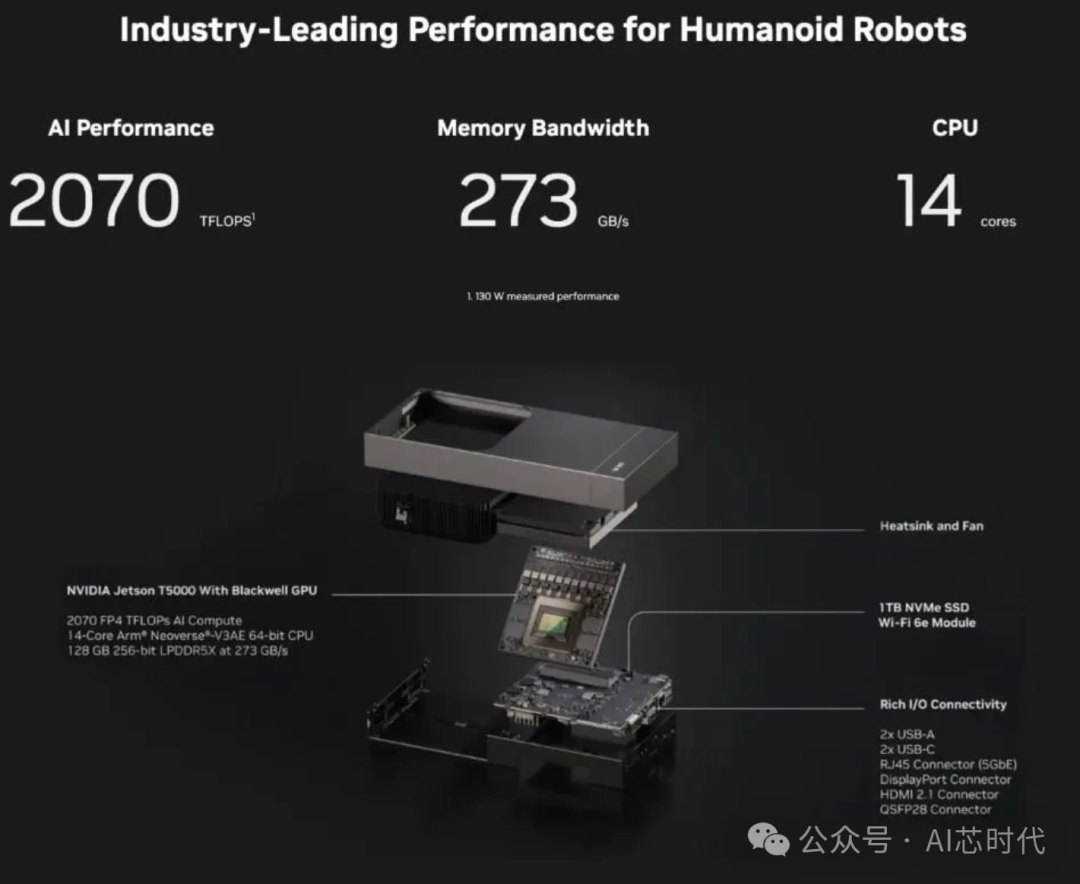
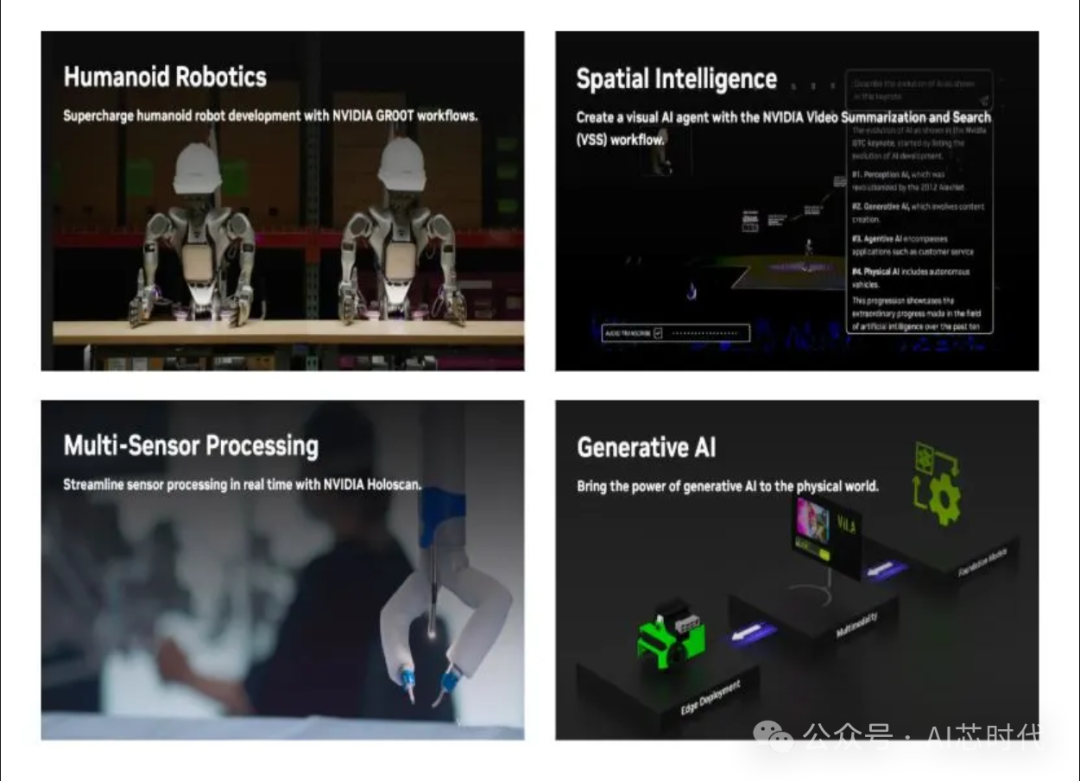
The performance ceiling of edge AI has been broken again. NVIDIA’s latest release, the NVIDIA Jetson AGX Thor Developer Kit[1], is the pinnacle of this trend. With up to 2070 FP4 TFLOPS of AI performance, a GPU based on the Blackwell architecture, and 128GB LPDDR5X memory, it is designed for next-generation humanoid robots and real-time generative AI applications. This means that large transformer models and visual language models, which previously relied on cloud computing, can now run directly on the robot body in real-time. The $3499 price tag clearly positions it as a high-end product aimed at commercial and research projects that pursue top-tier edge AI performance without regard for cost. 🚀 Jetson Thor officially released: Blackwell empowers, the era of general-purpose robots is fully opened! Revealing: Trump and Intel, an 8-year “breakup” drama.
Flexible and Adaptable: The “Special Forces” of IoT and Specific Fields
In stark contrast to NVIDIA’s “big cannon” approach, another group of manufacturers is dedicated to creating more flexible, user-friendly, and cost-effective “special forces” modules. Don’t just know about Raspberry Pi! This article explains how the new generation of “super boards” plays with Wi-Fi 6 and edge AI.
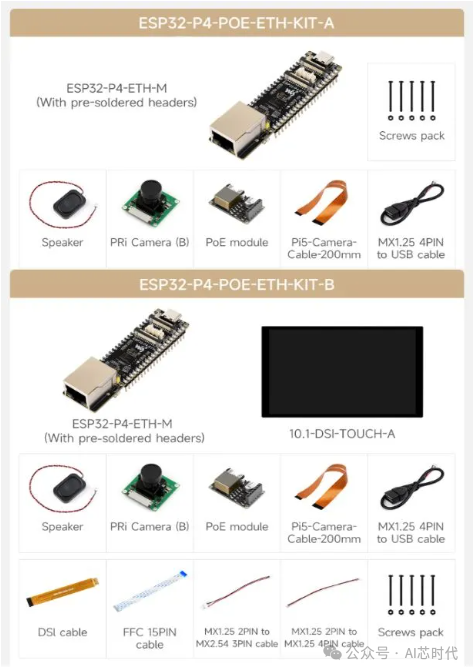 • Multimedia Expert: The ESP32-P4-ETH Multimedia Development Board[2] launched by Waveshare integrates Wi-Fi 6, Bluetooth 5, and Ethernet (with optional PoE), providing rich camera, display, and audio interfaces. It targets human-machine interaction interfaces (HMI), multimedia processing, and other specific scenarios, allowing developers to quickly build edge devices with multimedia capabilities. The reversal! The biggest winner of global “decoupling from China” turns out to be China itself?
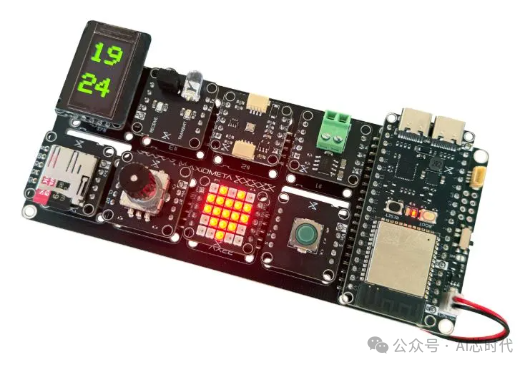 • Modular Revolution: Genesis IoT Discovery Lab aims to completely change the prototyping experience with its ESP32-S3 Based Genesis IoT Discovery Lab with Plug & Play Modules[3]. Its unique AX22 connector standard allows various functional modules to be plugged and played like LEGO blocks, eliminating the cumbersome breadboard and Dupont wires, greatly enhancing development efficiency and connection reliability.
New Market Landscape: The Rise of Challengers and Alternatives
In the traditional market landscape, single-board computers (SBCs) represented by Raspberry Pi have long dominated. However, new challengers are now entering from different dimensions, attempting to provide better solutions.
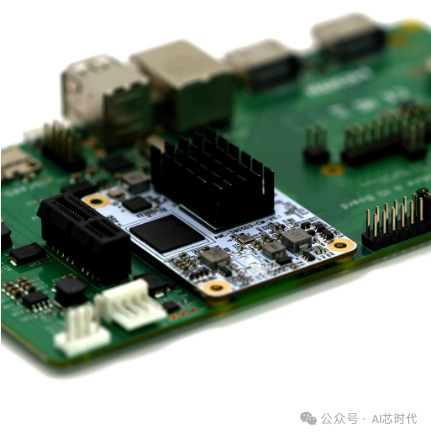
 • Industrial-Grade Reliability: The ArmSoM CM1 Core Module with RK3506J[4] launched by ArmSoM features a core board plus baseboard design, focusing on industrial control and embedded applications. Its wide temperature operating range of -40°C to 85°C and long lifecycle support are advantages that consumer-grade products cannot match.
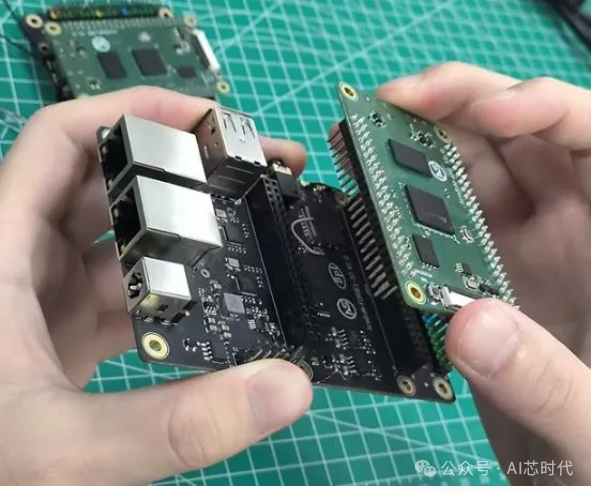
 • Low-Power Alternatives: Libre Computer directly targets Raspberry Pi with its upcoming Solitude and Alta Compute Modules[5], designed as pin-compatible alternatives to Raspberry Pi CM4 and CM5, but with core advantages in lower power consumption and richer wake-up methods, which are crucial for battery-powered portable devices and energy-sensitive application scenarios. Epic verbal battle! Musk angrily accuses Ultraman of being a fraud, while his own AI “betrays” him on the spot.
In this hardware “arms race” of edge computing, which technology route do you favor? Is it the pursuit of extreme computing power’s “brutal aesthetics” or the advocacy of flexible combinations and low power consumption’s “modular philosophy”? For your next project, which type of development board will you choose? Feel free to share your thoughts in the comments!
Reference Links
<span>[1]</span> NVIDIA Jetson AGX Thor Developer Kit: https://linuxgizmos.com/updated-nvidia-jetson-agx-thor-developer-kit-to-launch-in-mid-august-with-2070-tflops-ai-performance-priced-at-3499/<span>[2]</span> ESP32-P4-ETH Multimedia Development Board: https://linuxgizmos.com/esp32-p4-eth-multimedia-development-board-with-poe-kit-options/<span>[3]</span> ESP32-S3 Based Genesis IoT Discovery Lab with Plug & Play Modules: https://linuxgizmos.com/esp32-s3-based-genesis-iot-discovery-lab-with-plug-play-modules/<span>[4]</span> ArmSoM CM1 Core Module with RK3506J: https://linuxgizmos.com/armsom-cm1-core-module-with-rk3506j-released-for-industrial-and-embedded-applications/<span>[5]</span> Solitude and Alta Compute Modules: https://linuxgizmos.com/libre-computer-previews-solitude-and-alta-compute-modules-with-low-power-features/