Antarctic Bear Guide: Following the use of metal 3D printing in Apple smartphones and watches, the next igniter is NVIDIA!
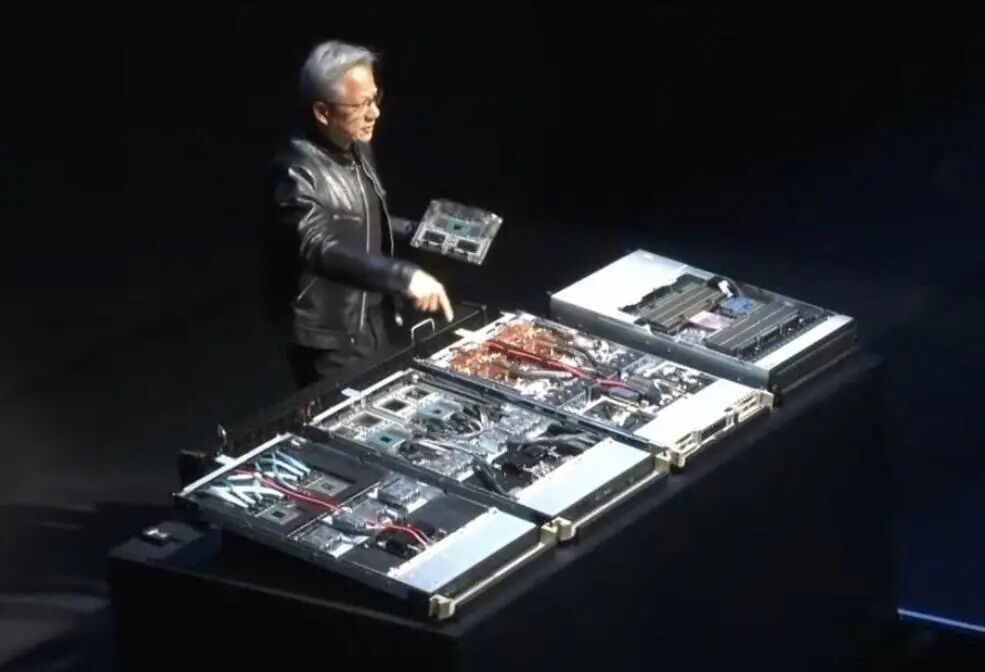
On September 15, 2025, Antarctic Bear learned that NVIDIA is pushing upstream suppliers to develop a type of liquid cooling component called MLCP (Microchannel Liquid Cooling Plate) to address the increasing heat generated by NVIDIA’s AI GPU chips with each generational upgrade.
NVIDIA’s next-generation “Rubin” GPU will contain two GPU chips in a single package, with a power consumption expected to exceed 2000W. Although the larger surface area is beneficial for heat conduction, it still imposes stringent requirements on the cooling system that exceed the current liquid cooling plate’s heat dissipation capabilities.
Traditional liquid cooling plates have microchannel sizes ranging from 0.1mm (100μm) to several millimeters, while in MLCP, the channel sizes can be reduced to the micron level through etching on the chip or package and the integration of heat spreaders, cooling plates, IHS package lids, and bare chips will further enhance cooling efficiency.
It is reported that the unit price of MLCP can reach 3 to 5 times that of traditional liquid cooling plates and can contribute to a higher gross margin. However, due to its complexity in fluid dynamics and bubble dynamics, as well as a higher risk of coolant leakage, it will take some time to mature.
Several months ago, Antarctic Bear wrote an article about AI server liquid cooling titled “Investing 280 million to build a metal 3D printing liquid cooling component factory, AIRSYS leads a new direction in data center cooling” and has since been paying attention to listed companies in the liquid cooling sector, feeling that heat dissipation will be the next big demand in the AI industry chain.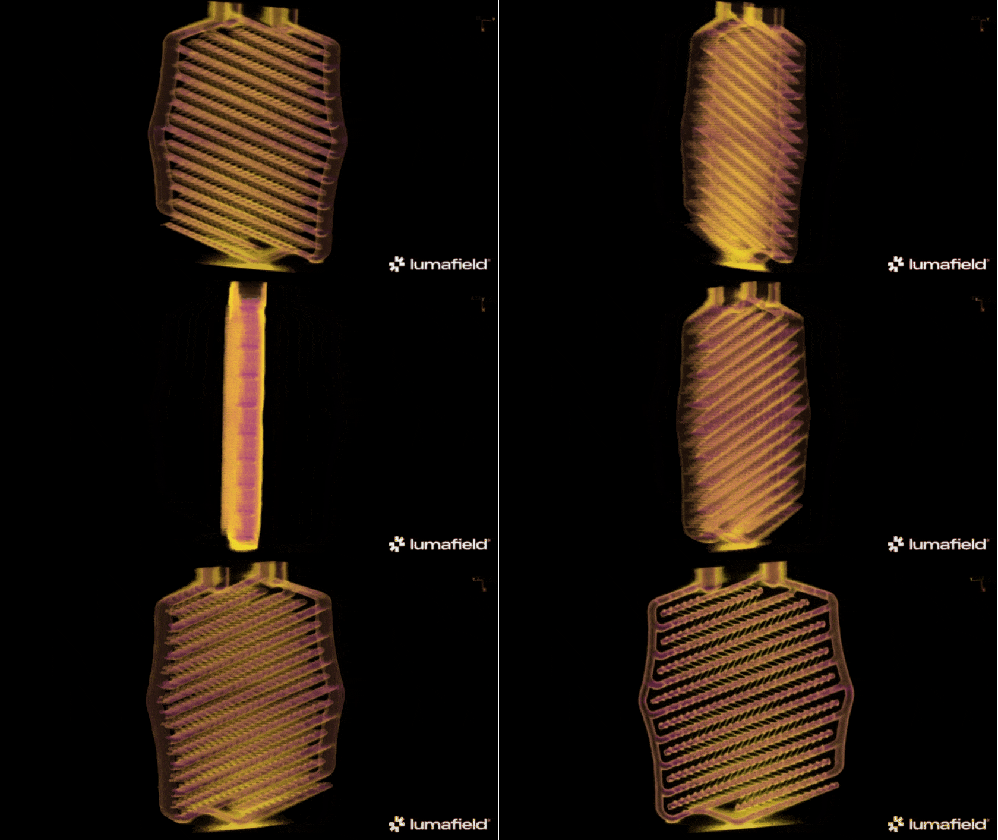
△CT scan image of AMD MI300 cooling plate, featuring internal cooling channels. From Alloy Enterprises
With the surge in demand for large model applications like ChatGPT and Deepseek, the cooling demand for AI data centers is also skyrocketing. Chip manufacturers are producing larger and hotter processors, making efficient cooling a key issue for data centers.High-precision metal 3D printing technology may become a significant solution for NVIDIA’s requirement for microchannel liquid cooling plates.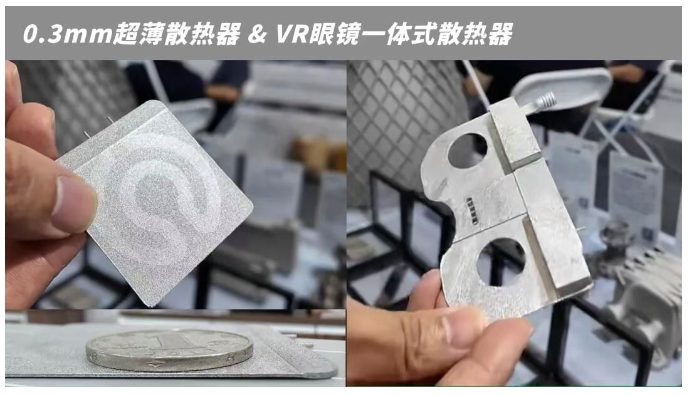 △Beifeng Technology’s metal 3D printed 0.3mm ultra-thin heat sink, with an overall thickness of only 0.3mm, containing a 0.15mm cooling water channel, made from self-developed GA520 material, exhibiting exceptional performance. By leveraging the advantages of 3D printing, internal heat dissipation channels can be topologically optimized from the design stage to achieve stronger heat dissipation capabilities, effectively solving heat dissipation challenges in consumer electronics, advanced computing, and high-end chip industries.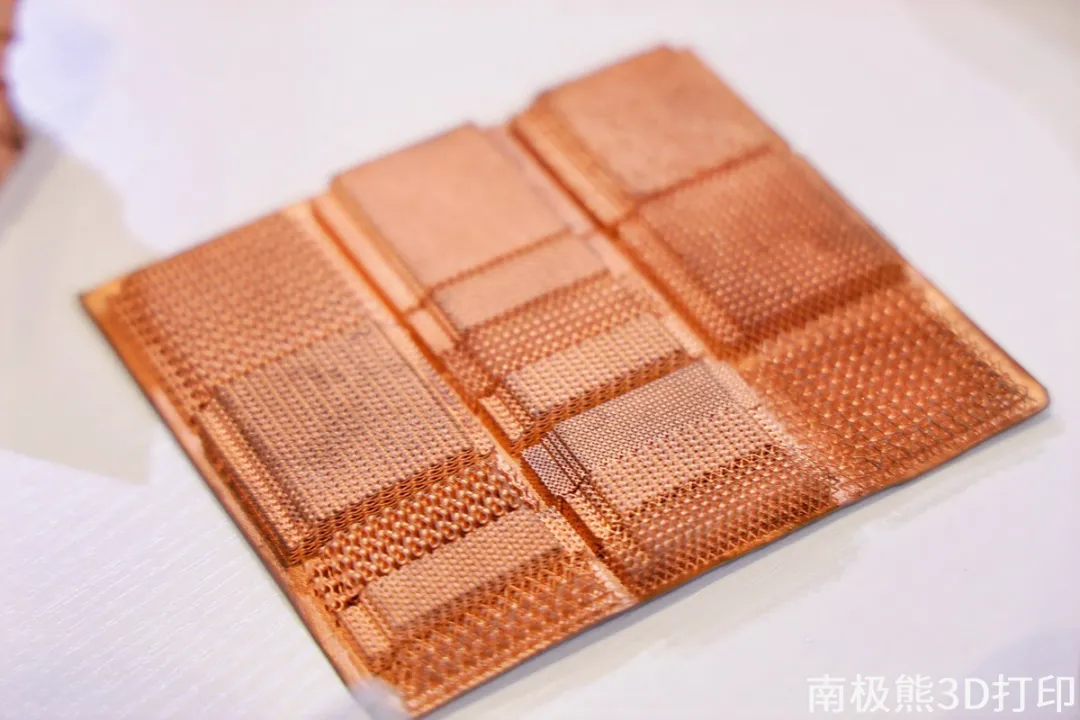
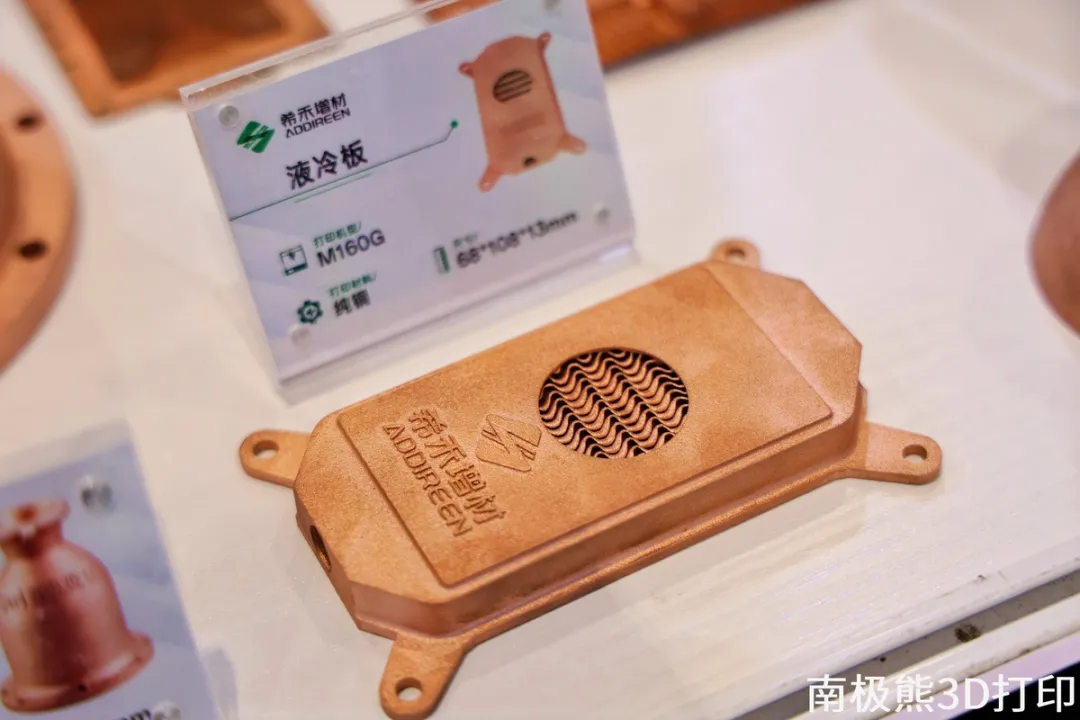 △Xihe Additive has always focused on copper substrates. Copper, due to its excellent thermal and electrical conductivity, is widely used in heat sinks, IGBT power modules, and high-efficiency electrical components. To address the limitations of traditional pure copper processing, the company has successfully overcome challenges through green laser printing technology, achieving more complex and efficient heat dissipation and conductive structures.
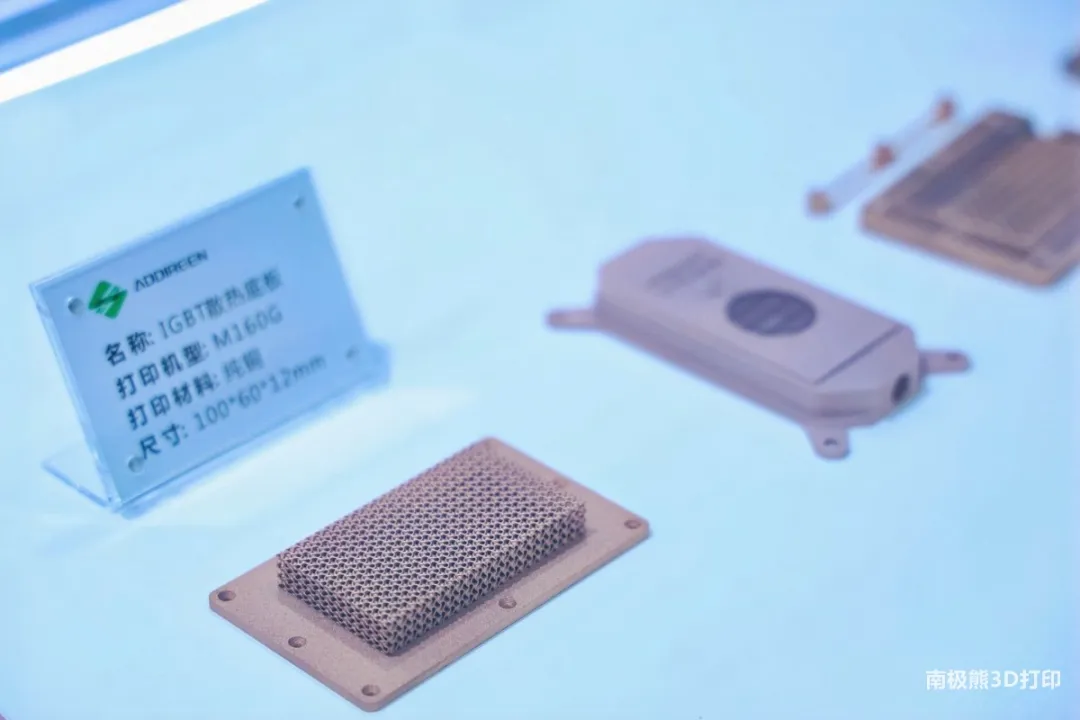 △In June 2025, Antarctic Bear learned that Xihe Additive obtained a patent for green laser 3D printing with a minimum spot diameter of 15μm. The Xihe Additive team launched a high-power laser optical system with ultra-small focusing spot capability and its supporting 3D printing equipment. This system uses a single-mode green laser with a wavelength range of 500-550nm as the light source, forming an ultra-small spot with a diameter of 5-20um at the focus, breaking through the current technical limitation where the laser 3D printing spot diameter is generally greater than 30um. Meanwhile, the beam quality (M2) is controlled between 1.0-1.4, ensuring high concentration of laser energy and stability during the processing.
1. Achieving Micron-Level Channel Structures and Customized Designs
High-precision manufacturing: Metal 3D printing (such as Laser Powder Bed Fusion technology, LPBF) can produce thin-walled structures and microchannels with wall thicknesses below 100 microns, and even achieve 33-micron resolution copper fins through electrochemical additive manufacturing (ECAM). This directly meets the MLCP’s requirement for micron-level channel sizes.
Topology optimization and free design: Through computational fluid dynamics (CFD) and topology optimization algorithms (such as Oqton 3DXpert software), non-uniform, biomimetic, or lattice microchannels (such as triply periodic minimal surface structures – TPMS) can be designed to optimize channel distribution, reduce pressure drop and thermal resistance, and enhance cooling efficiency. For example, studies show that optimized liquid cooling plates can increase heat transfer by 20% and reduce pressure loss by 70%.
2. Integrated Forming Eliminates Leakage Risks
MLCP requires high integration of cooling plates, heat spreaders, and chip lids. Metal 3D printing can form seamless integrated structures in one go, avoiding leakage points caused by traditional brazing or assembly. For example:
-
CoolestDC collaborated with EOS to create a leak-proof copper cooling plate that can withstand 6 bar water pressure, eliminating the risk of coolant leakage. “AI liquid cooling demand surges, metal 3D printing microchannels bring new breakthroughs in heat dissipation and energy saving”
-
Alloy Enterprises’ stack forging technology uses aluminum/copper thin sheets laminated and forged to achieve 50-micron channels without seams. “AI surge drives cooling demand, pulling metal 3D printing, Alloy’s stacked forging 3D printed liquid cooling plates innovate data center GPU server rack cooling”
This is crucial for MLCP, as leaks can directly damage GPU racks worth millions.
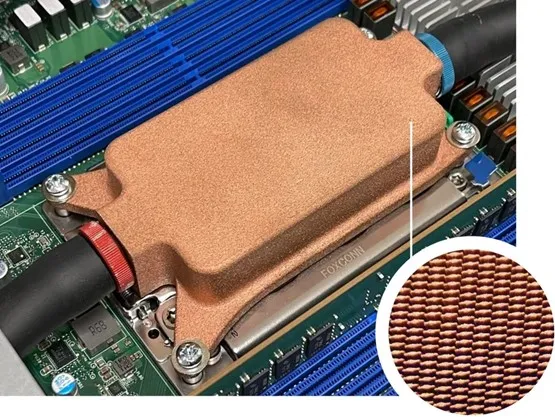
△The world’s first leak-proof integrated cooling plate installed on a server CPU (AMD EPYC 7352 2.30 GHz), additive manufacturing used EOS Copper CuCP material in the AMCM M 2901kW system
3. Processing Capabilities of High Thermal Conductivity Materials (such as Copper)
Copper has excellent thermal conductivity, but traditional laser 3D printing is difficult to process due to copper’s high reflectivity. New technologies have overcome this limitation:
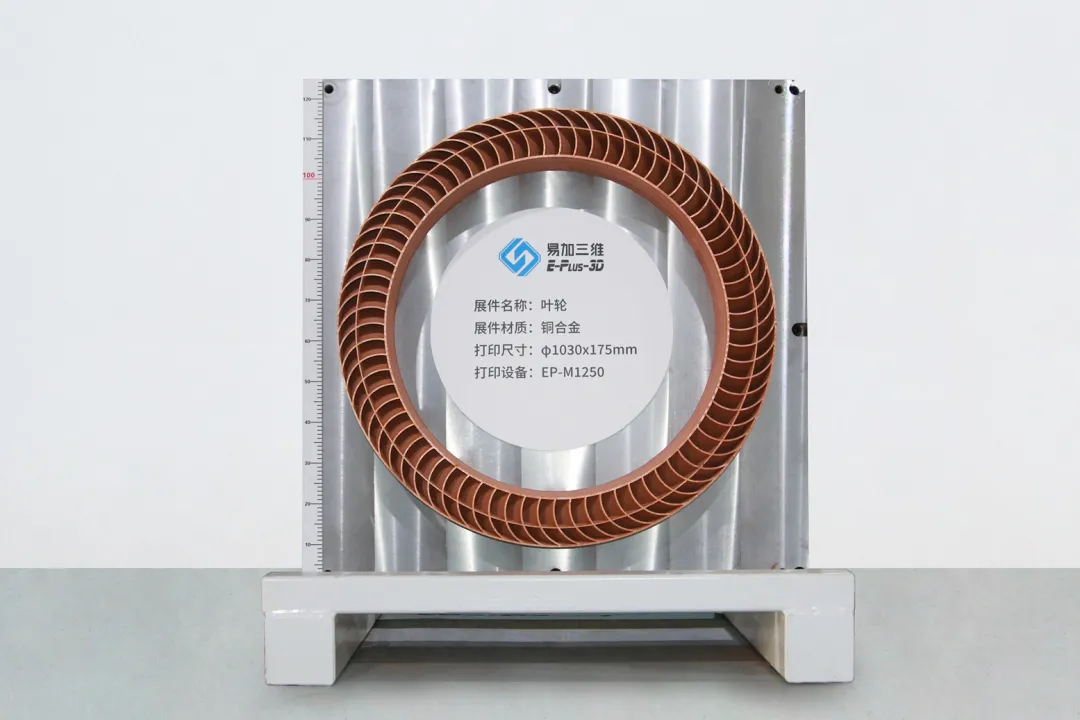
Green laser or red laser: Copper has an absorption rate of up to 40% for green lasers (8 times that of infrared lasers), enabling high-quality pure copper printing. Yijia 3D’s red laser technology has supported meter-level copper component manufacturing.
4. Actual Data on Performance Improvement
3D printed liquid cooling solutions have been validated for their superiority in experiments:
-
Thermal resistance reduced by 50%, power usage efficiency (PUE) improved by 18%.
-
GPU temperature dropped from 90°C with air cooling to 40°C, computing performance increased from 5.8 TFlops to 8.1 TFlops.
-
Allows the use of higher temperature cooling liquids (such as 44°C warm water), reducing dependence on refrigeration systems.
Microchannel liquid cooling, according to Antarctic Bear, has seen some listed companies begin deploying multiple metal 3D printers to print related components. In the future, the entire cooling market may require hundreds or even thousands of metal 3D printing devices to process and produce components, especially for high thermal conductivity metals like copper, which will face new market opportunities.
Antarctic Bear wants to say that mobile 3C and AI cooling have become a major engine driving the demand for the metal 3D printing market. In the future, related industrial capital and resources will tilt towards these fields. Who will stand out in the new wave of applications?△Video: A content-rich forum on metal 3D printing applications“Apple Admits: Two Models of Watches and iPhone Air Use 3D Printed Titanium Alloy Parts”