How to Encrypt PLCs?Nowadays, the application of automation equipment is becoming increasingly widespread, and PLCs, as the main control system, play a significant role. However, due to the conflicting interests between the client and the contractor, both parties are brainstorming ways to encrypt or decrypt PLCs to maximize benefits and minimize losses.As a result, programmers in the automation industry have put in considerable effort, fearing that their hard-written programs could be easily stolen, leading to sleepless nights! As a program developer, I have also suffered from this issue.I personally do not advocate decrypting PLCs. I advocate encrypting PLCs. Therefore, I have summarized a method for encrypting PLCs to discuss with everyone.The specifics are as follows: everyone knows that the more popular PLC products are, the easier they are to crack, while less popular products attract less attention. So I utilized this point, along with some of my own techniques, to create the following plan.For example, if a project client wants to use a Siemens PLC for their system.Then my first step is to complete the program debugging on the machine. Next, I use a less popular PLC with not too many points. I write a part of the program from the Siemens PLC that is essential but does not affect safety into the less popular PLC, then establish a communication link and hide the less popular PLC.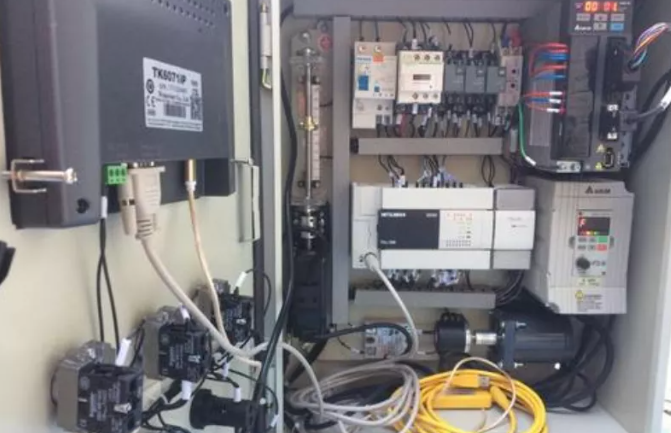 After testing, the machine can run perfectly. When someone attempts to crack the PLC, they only see the Siemens PLC. Even if they manage to crack the Siemens PLC, they will only obtain a part of the program, not the entire thing. When they discover there is another PLC, they will generally give up on cracking it. This ultimately achieves the goal of protecting one’s labor results.The above is merely a personal exploration of experience; if anyone has better methods, feel free to share!