In today’s rapidly advancing technology landscape, the Internet of Things (IoT) technology acts as a magical key, opening a door to efficient, precise, and intelligent management for traditional agriculture. The IoT platform for crop growth and pest monitoring is an outstanding representative of this trend, reshaping the future of agricultural production with its powerful functions and advantages.
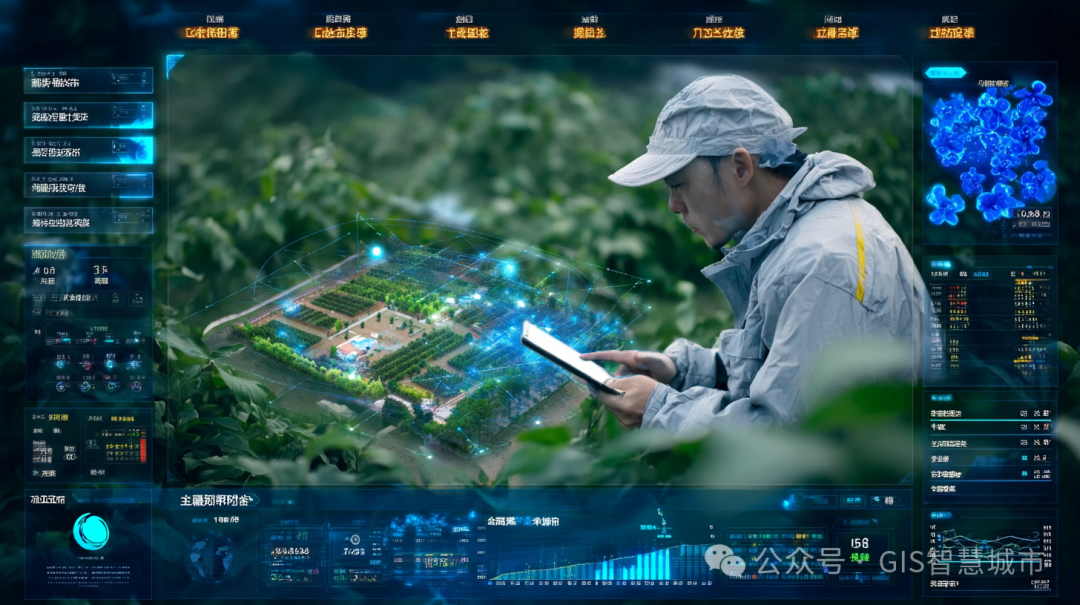
1. Construction Content
(1) Perception Layer
– Diverse Sensor Deployment
In the fields, soil moisture sensors act like keen “moisture detectors,” accurately measuring the water content in the soil, ensuring that crops are always in the most suitable moisture environment. Soil nutrient sensors inform us of the levels of nitrogen, phosphorus, potassium, and other nutrients in the soil, providing a basis for precise fertilization. Meteorological sensors also play a crucial role, monitoring environmental parameters such as air temperature, humidity, light intensity, wind speed, and direction in real-time, revealing the “secrets” of the crop growth environment.
– HD Cameras and Drone Monitoring
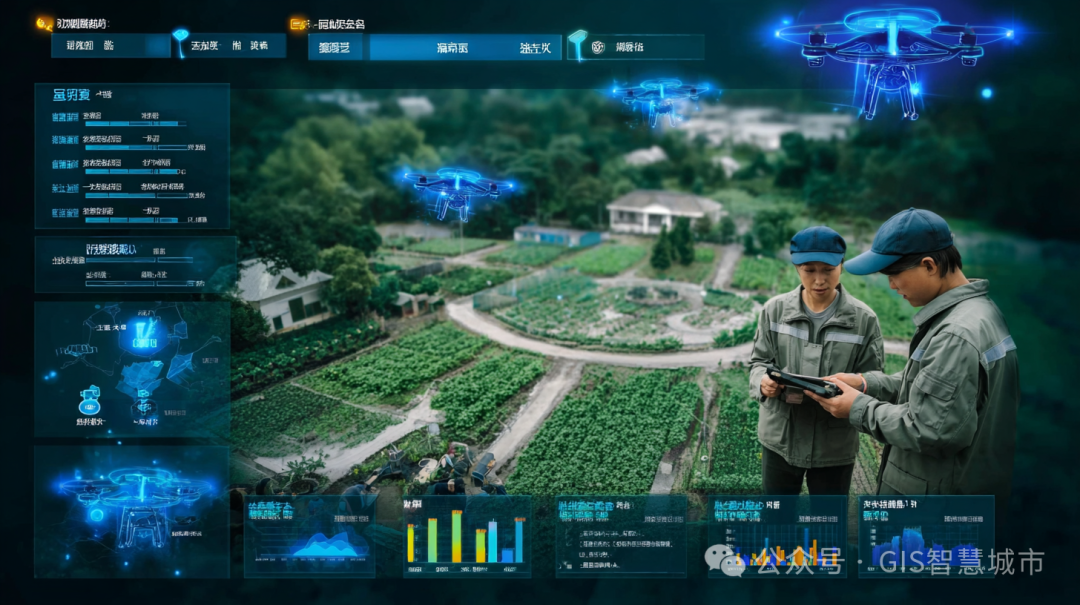
HD cameras installed at key locations in the fields act as loyal “sentinels,” continuously observing the growth status and leaf conditions of crops 24/7, promptly detecting signs of pests and diseases. Drones, like “heavenly eyes,” fly along pre-set routes above the fields, quickly capturing image information over large areas, not only monitoring the overall growth of crops but also efficiently identifying areas affected by pests, significantly improving monitoring efficiency and coverage.
(2) Transmission Layer
The transmission layer serves as the “nervous system” of the IoT platform for crop growth and pest monitoring. It primarily relies on two “engines”—wired and wireless communication technologies—to achieve stable data transmission. Wired communication technologies, such as fiber optic communication, form the backbone transmission network of the platform due to their high speed and stability, handling the rapid transmission of large amounts of data. Wireless communication technologies, like 4G, 5G, NB-IoT, and LoRa, act as flexible “light cavalry,” easily penetrating the vast lands of the fields to transmit data collected by sensors located in remote corners where cabling is difficult.
(3) Data Processing Layer
– Powerful Storage System
The storage system in the data processing layer is the “memory vault” of the entire platform. It employs a distributed storage architecture, dispersing massive amounts of data across multiple nodes, ensuring both efficient and reliable data storage while easily accommodating the growing data volume. Whether it’s years of soil monitoring data, daily updated meteorological information, or vast images captured by HD cameras and drones, all can find their own “niche” here, ready for retrieval and analysis.
– Efficient Data Processing and Analysis Capabilities
Cloud computing technology injects powerful momentum into the data processing layer, endowing it with data processing capabilities akin to a “super brain.” The cloud computing platform can quickly compute and process various types of aggregated data, instantly completing complex data analysis tasks. Through data mining algorithms, it can delve into the underlying patterns of the data, such as analyzing the subtle relationship between soil moisture and crop growth or predicting pest occurrence trends, thus providing valuable decision support for agricultural production.
(4) Application Layer
– Crop Growth Monitoring System
The crop growth monitoring system in the application layer serves as a thoughtful “smart steward” for farmers. It tracks the entire process of crop growth in real-time, from seed germination at planting to tillering and branching during growth, and finally to the bountiful harvest at maturity. Farmers can simply tap on an app on their phones to see detailed information about the growth curve and developmental stages of their crops, as if they have the entire field in their pocket. If any abnormalities in crop growth are detected, the system will immediately issue an alert, prompting farmers to take appropriate measures.
– Pest Warning and Control System
The pest warning and control system acts as the “health guardian” of crops. It utilizes image recognition technology and machine learning algorithms to deeply analyze images captured by cameras and drones, quickly and accurately identifying pest species and the extent of damage. When pest traces are detected, the system immediately activates a warning mechanism, sending detailed alert information to farmers, including pest names, locations, and severity. Additionally, it intelligently recommends the best control strategies based on the pest situation, such as which low-toxicity and high-efficiency pesticides to use or which biological control measures to adopt, protecting crop health while reducing chemical pesticide use, making agricultural products greener and safer.
– Production Decision Support System
The production decision support system provides agricultural managers with comprehensive “smart brain” functionalities. It integrates multi-dimensional data from soil, meteorology, crop growth, and pests, using big data analysis and intelligent decision models to offer precise production decision recommendations to farmers. From selecting sowing times, formulating irrigation plans, to determining fertilization amounts and timing for pest control, it can provide scientifically sound solutions, helping farmers optimize agricultural production processes, improve crop yield and quality, and increase economic benefits.
(5) Display Layer
The display layer serves as the “window” for the IoT platform for crop growth and pest monitoring to interact with users. Here, various data and information are presented in an intuitive and visual manner, making complex agricultural production data easy to understand. On the computer side, management personnel can access a powerful management platform through a browser to view detailed data reports, analysis charts, and real-time monitoring screens, facilitating refined management and in-depth data analysis. On the mobile side, farmers can use mobile apps or WeChat mini-programs to check crop growth conditions, receive warning information, and query production suggestions anytime and anywhere, truly achieving convenience and mobility in agricultural management.
2. Core Technologies
(1) IoT Technology
IoT technology is the cornerstone of the IoT platform for crop growth and pest monitoring, enabling interconnectivity among various devices and creating a comprehensive, real-time agricultural monitoring network. Sensors transmit data to the data processing layer via IoT protocols, while the data processing layer sends control commands to on-site devices through IoT technology, achieving remote monitoring and precise control of agricultural production, making it more intelligent and efficient.
(2) Big Data Technology
Big data technology endows the platform with the ability to deeply mine and analyze massive amounts of data. By analyzing years of accumulated data on soil, meteorology, and crop growth, the platform can summarize the growth patterns of crops and potential patterns of pest occurrence, providing scientific basis for agricultural production. For example, it can predict the probability of pest occurrences in different regions and seasons, allowing for preventive measures to minimize pest damage while optimizing agricultural resource allocation and improving production efficiency.
(3) Cloud Computing Technology
Cloud computing technology provides the platform with powerful computing resources and storage guarantees. It can dynamically allocate computing and storage resources based on the platform’s actual business load, ensuring that the platform can respond quickly and operate stably even when processing massive data and high concurrent access. This efficient resource utilization not only reduces the construction and maintenance costs of the platform but also enhances its scalability and flexibility, easily adapting to different scales of agricultural production and ever-changing business needs.
(4) Artificial Intelligence Technology
Artificial intelligence technology is the “smart core” of the platform. Image recognition algorithms can accurately identify the growth status of crops, symptoms of pests and diseases, and weeds, providing critical data support for pest warning and precision agriculture. Machine learning algorithms continuously optimize prediction and decision models by learning from historical and real-time data, improving the accuracy of pest predictions, the scientific nature of production decisions, and the automation level of production processes. For instance, it can automatically adjust irrigation and fertilization strategies based on the growth status of crops and environmental conditions, achieving intelligent agricultural production.
Map data download, conversion, browsing, and editing (based on AutoCAD) can utilize GeoSaaS’s related tools: http://GeoSaaS.COM (click “Read the original text” at the end to jump)
3. Application Effects and Value
(1) Increasing Crop Yield and Quality
By precisely monitoring various parameters of the crop growth environment, farmers can timely meet the needs of crops for water, nutrients, and light, creating the most suitable growth conditions for crops, thus promoting their robust growth and increasing yield. Additionally, timely and effective pest monitoring and control measures reduce the damage caused by pests and diseases, ensuring the quality and marketability of agricultural products.
(2) Reducing Agricultural Production Costs
Precise irrigation, fertilization, and pest control measures avoid resource waste, lowering the input costs of water resources, fertilizers, and pesticides. Furthermore, the IoT platform enables remote monitoring and automated management of agricultural production, reducing the workload of manual inspections and operations, thus lowering labor costs. Statistics show that after using the IoT platform for crop growth and pest monitoring, irrigation efficiency can increase by over 30%, water resource waste can decrease by 25%, fertilizer usage can reduce by 20%, and crop yield can increase by an average of about 15%, significantly lowering agricultural production costs.
(3) Promoting Sustainable Agricultural Development
Rational use of water resources and reduction of fertilizer and pesticide application help protect soil structure, reduce water pollution and ecological damage, and maintain ecological balance and biodiversity. This makes agricultural production more environmentally friendly and sustainable, leaving valuable natural resources and a good ecological environment for future generations.
4. Challenges and Future Outlook
(1) Equipment Costs and Maintenance Issues
Although the costs of IoT devices have significantly decreased in recent years, for some small and medium-sized farmers, the initial investment in purchasing and installing sensors, HD cameras, drones, and building transmission networks remains a considerable expense. Moreover, these devices are prone to failure and damage when operating in harsh field environments, requiring professional technicians for maintenance and repair, which also increases usage costs and technical barriers. In the future, with continuous technological advancements and the expansion of the industry scale, equipment costs are expected to decrease further. Additionally, there is a need to strengthen technical training and after-sales support for farmers, improving the reliability and usability of devices while lowering maintenance costs.
(2) Data Security and Privacy Protection Issues
The IoT platform for crop growth and pest monitoring involves a large amount of agricultural production data and farmer information, including land area, crop varieties, yield data, and pesticide and fertilizer usage, which have significant commercial value and privacy attributes. Once data is leaked, it not only harms farmers’ interests but may also adversely affect the entire agricultural supply chain. Therefore, ensuring data security and privacy is a crucial issue that must be addressed in the platform’s development process. In the future, there is a need to strengthen the application of security technologies such as data encryption, access control, and identity authentication, establish sound data security management systems and legal regulations, and enhance supervision and enforcement of data security to ensure the safety and privacy of platform data.
(3) Technology Popularization and Farmer Acceptance Issues
Currently, many farmers do not have a deep understanding of the IoT platform for crop growth and pest monitoring, and their knowledge of its technical principles, application effects, and actual benefits is limited, which somewhat affects the promotion and application of this technology. Some farmers, due to long-standing habits of traditional agricultural production methods, have a low acceptance of new technologies, exhibiting reluctance and resistance to trying to use the IoT platform for agricultural management. To improve the technology’s popularity and farmers’ acceptance, it is necessary to strengthen publicity, education, and training for farmers, through technical training, on-site demonstrations, and case sharing activities, allowing farmers to personally experience the significant advantages and actual benefits of IoT technology in agricultural production, enhancing their technological awareness and application capabilities. Meanwhile, the government should also increase policy support for smart agriculture, introducing relevant subsidy policies and preferential measures to encourage farmers to actively adopt the IoT platform for crop growth and pest monitoring, promoting the transformation and upgrading of the agricultural industry.
In summary, the IoT platform for crop growth and pest monitoring, as a core component of smart agriculture, is leading profound changes in agricultural production with its advanced technological means and powerful functional advantages. Although it faces some challenges during its development, with continuous technological innovation and improvement, decreasing costs, and gradually increasing farmers’ technological awareness, we have reason to believe that this platform will play an even more important role in future agricultural production, contributing positively to ensuring food security, promoting sustainable agricultural development, and achieving rural revitalization strategic goals.