Recently, the Ministry of Industry and Information Technology, the Ministry of Public Security, and the National Standardization Administration jointly issued a notice, officially releasing the “National Vehicle Networking Industry Standard System Construction Guide (Vehicle Intelligent Management)” (hereinafter referred to as the “Vehicle Intelligent Management Standard System Construction Guide”). The “Vehicle Intelligent Management Standard System Construction Guide” is the sixth part of the “National Vehicle Networking Industry Standard System Construction Guide”, mainly targeting the needs of vehicle intelligent management work under the vehicle networking environment, and constructing a standard system that adapts to China’s road traffic management system and technology, and industrial development needs.
1. Background of the Development of the Vehicle Intelligent Management Standard System Construction Guide
The vehicle networking industry is a new type of industrial form that deeply integrates the automotive, electronics, information communication, and road transportation industries. Developing the vehicle networking industry is conducive to enhancing the connectivity and intelligence level of automobiles, achieving autonomous driving, developing intelligent transportation, and ensuring the safety and smoothness of road traffic.
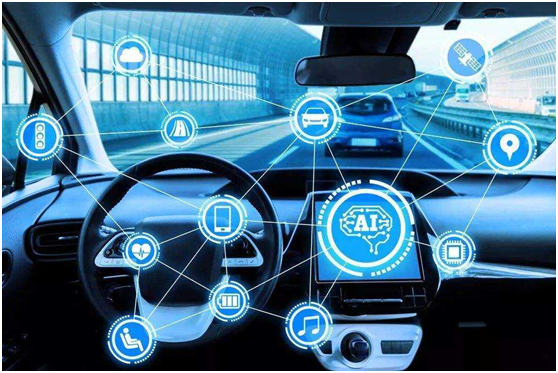 △ Vehicle Networking Ecosystem Concept Map (This image is from the internet)
To leverage the normative and promotional role of technical standards, the Ministry of Industry and Information Technology, the Ministry of Public Security, the Ministry of Transport, and the National Standardization Administration have organized the preparation of a series of documents for the “National Vehicle Networking Industry Standard System Construction Guide”, including overall requirements, intelligent connected vehicles, information communication, electronic products and services, intelligent transportation, and vehicle intelligent management. Among them, the overall requirements, intelligent connected vehicles, information communication, electronic products and services, and other four parts were respectively released in December 2017 and June 2018.
In 2019, the Ministry of Public Security organized the Traffic Management Science Research Institute of the Ministry of Public Security and the National Road Traffic Management Standardization Committee and other relevant units to carry out the writing work of the vehicle intelligent management part based on the actual needs of intelligent connected vehicle road operation management and vehicle collaborative control and service. After organizing expert demonstrations, soliciting opinions from member units of the Vehicle Networking Industry Development Committee, and publicly collecting opinions from the society, it was officially released by the three departments on April 24, 2020.
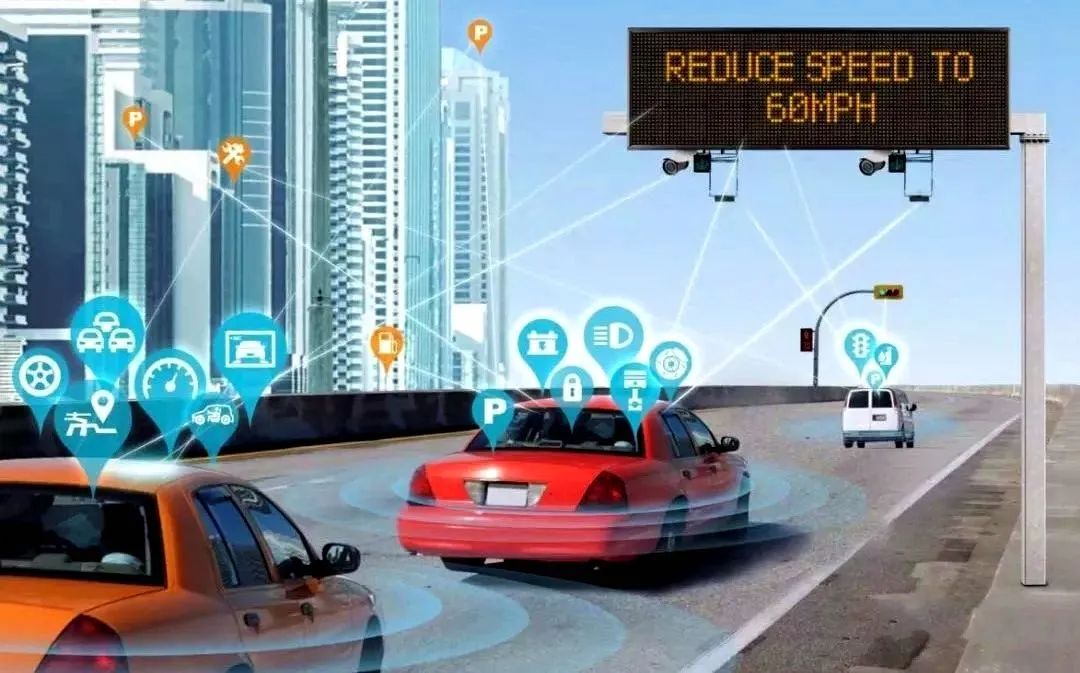 △ Imaginary Map of Intelligent Connected Vehicle Road Passage (This image is from the internet)
In recent years, the Ministry of Public Security has paid close attention to and emphasized the development of technologies such as autonomous driving and vehicle networking, actively supporting the innovative application of various technologies, and guiding local public security traffic management departments to carry out the innovative application of related new technologies. In 2018, the Ministry of Public Security, together with the Ministry of Industry and Information Technology and the Ministry of Transport, jointly released the “Management Specifications for Road Testing of Intelligent Connected Vehicles (Trial)”, which regulated the management of road testing of intelligent connected vehicles. Under the guidance of the Ministry of Public Security, the Ministry of Industry and Information Technology, and Jiangsu Province, the Traffic Management Science Research Institute of the Ministry of Public Security established a comprehensive intelligent transportation testing base in Wuxi City, specifically for the safety testing of intelligent connected vehicles; and with the support of the Wuxi Municipal Government, realized information interaction between vehicles and more than 240 traffic signal machines, vehicle networking information platforms, and internet service platforms within a range of 175 square kilometers based on LTE-V2X.
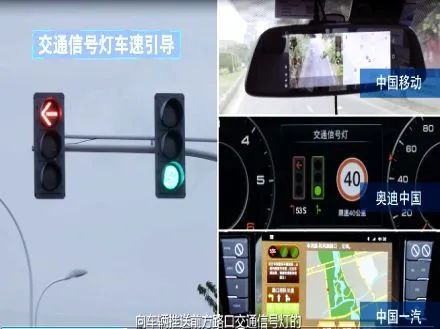
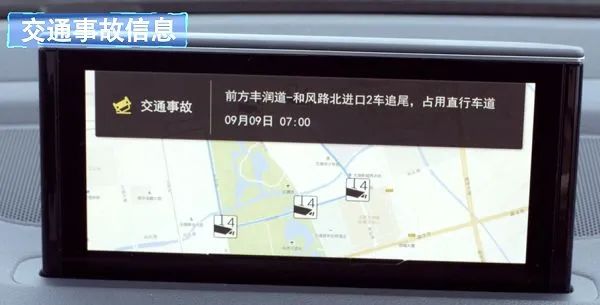
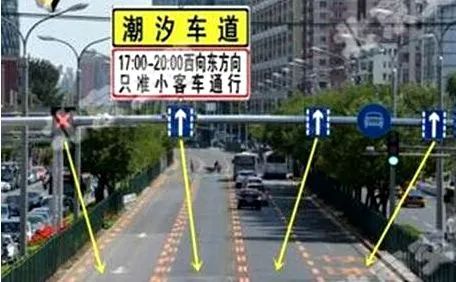 △ Wuxi Vehicle Networking Demonstration Application
2. Main Functions of the Vehicle Intelligent Management Standard System Construction Guide
The “Vehicle Intelligent Management Standard System Construction Guide” aims to purposefully, planfully, and focus on guiding the standardization work of vehicle intelligent management, providing foundational support and leading role in ensuring the traffic safety of intelligent connected vehicles during road testing and driving. The “Vehicle Intelligent Management Standard System Construction Guide” focuses on the national strategies of building a strong transportation country, a strong technology country, a digital China, and a smart society, playing a foundational and guiding role of standards, meeting the needs of vehicle intelligent management work in the vehicle networking environment, accelerating the deep integration of modern technology and traffic management, and promoting the development of vehicle networking technology and industry.
The “Vehicle Intelligent Management Standard System Construction Guide” is an important component of the national vehicle networking industry standard system, guiding the standardization work in areas such as intelligent connected vehicle registration management, identity authentication and security, road operation management, and vehicle-road collaborative control and service, which is conducive to promoting the application and development of vehicle networking technology in the field of public security traffic management, enhancing the level of intelligent connected vehicles and intelligent transportation in China, and forming a unified and coordinated national vehicle networking industry standard system framework together with other parts of the “National Vehicle Networking Industry Standard System Construction Guide”.
3. Overall Structure and Main Content of the Vehicle Intelligent Management Standard System Construction Guide
The “Vehicle Intelligent Management Standard System Construction Guide” proposes, under the overall framework proposed in the “National Vehicle Networking Industry Standard System Construction Guide (Overall Requirements)”, to promote the application of vehicle networking technology in the field of public security traffic management and ensure the safety of intelligent connected vehicle operation as the core, to construct a standard system including standards for intelligent connected vehicle registration management, identity authentication and security, road operation management, vehicle-road collaborative control and service, and lists the standard details.
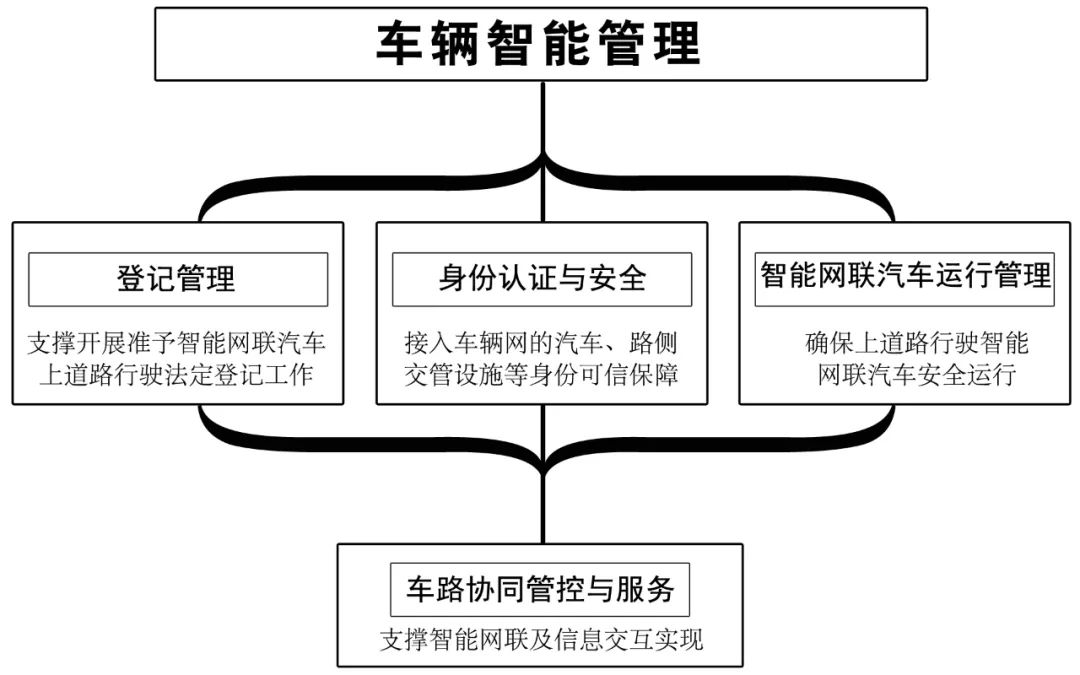
△ Vehicle Intelligent Management Standard System Construction Architecture Diagram
The vehicle intelligent management standard system mainly includes five parts: basic standards, intelligent connected vehicle registration management, identity authentication and security, intelligent connected vehicle operation management, and vehicle-road collaborative control and service standards, totaling 66 standards, which will be updated and improved periodically based on development needs.
The basic standards provide support for the formulation and revision of the other parts of the standards, mainly including standards for terminology and definitions, classification and coding, symbols, etc.
The intelligent connected vehicle registration management standards support the safe testing of intelligent connected vehicle operations, and the public security traffic management departments carry out registration of intelligent connected vehicles, regular safety technical inspections of in-use vehicles, and other safety management work, including standards for operational safety requirements and operational safety testing requirements. Carrying out registration management is the basic premise for safe testing of intelligent connected vehicles and road driving.
The identity authentication and security standards mainly support the mutual recognition of identities between intelligent connected vehicles and road traffic management systems and facilities, including standards for identity and security of intelligent connected vehicles, identity and security of road traffic management facilities, identity authentication platforms, and electronic documents. In the vehicle networking environment, vehicles and their drivers, as well as road traffic management facilities, have digital identities, and verifying them is a key link to ensuring information exchange and security.
The intelligent connected vehicle operation management standards mainly support public security traffic management departments in legally managing intelligent connected vehicles on the road, including standards for traffic order management, traffic accident handling, and real-time operation management. Conducting road passage order management and traffic accident handling for intelligent connected vehicles is the core of vehicle intelligent management.
The vehicle-road collaborative control and service standards mainly support information exchange of road traffic management facilities in the vehicle networking environment and provide information services based on road traffic management-related information systems. Vehicle-road collaborative control and service work is the fundamental guarantee for the application of vehicle networking technology in the field of road traffic management.
4. Implementation of the Vehicle Intelligent Management Standard System Construction Guide
Currently, the Ministry of Public Security has organized the National Road Traffic Management Standardization Technical Committee and other units to initially carry out pre-research and project application work for vehicle intelligent management standards such as intelligent connected vehicle operation safety testing and information exchange of road traffic management facilities.
Next, the Ministry of Public Security will further implement the work spirit of the National Vehicle Networking Industry Development Special Committee, unite with relevant departments, strengthen the regulation and guidance of industrial development, and create a favorable environment for industrial development.
By the end of 2022, it is planned to complete basic technical research, revise and formulate more than 20 key standards in the fields of intelligent connected vehicle registration management, identity authentication and security, to support the work of road testing of intelligent connected vehicles in the vehicle networking environment, and city-level verification demonstrations; by 2025, a systematic standard system that can support vehicle intelligent management in the vehicle networking environment will be formed, revising and formulating more than 60 key standards in the fields of road traffic operation management, vehicle-road collaborative control and service, promoting the application and development of vehicle networking technology in the public security traffic management field, and comprehensively improving the safety and smoothness of road traffic in China.
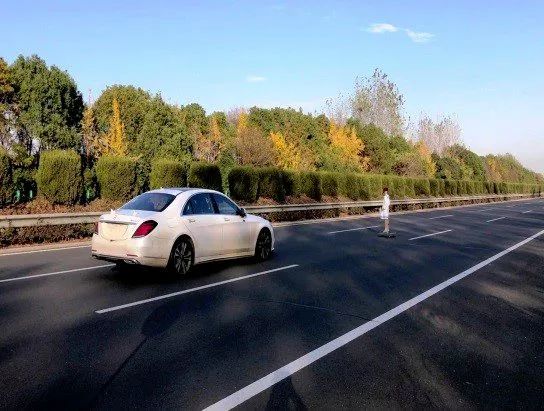
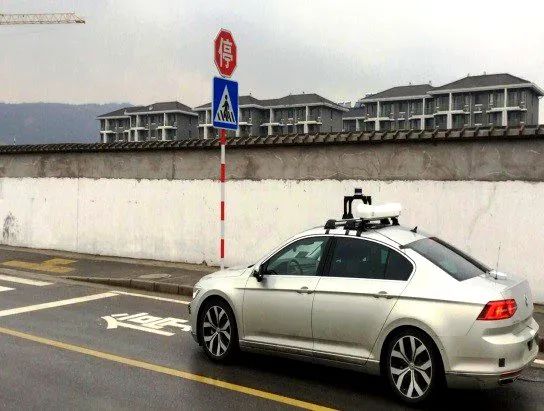
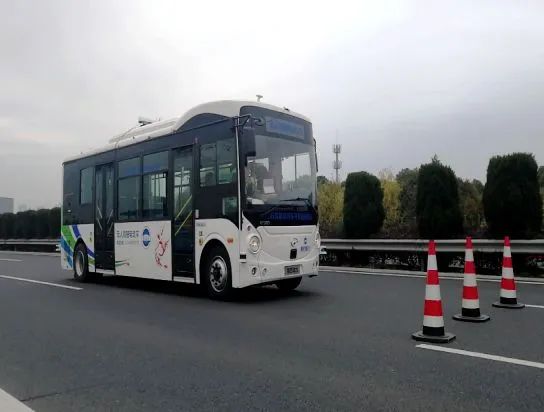
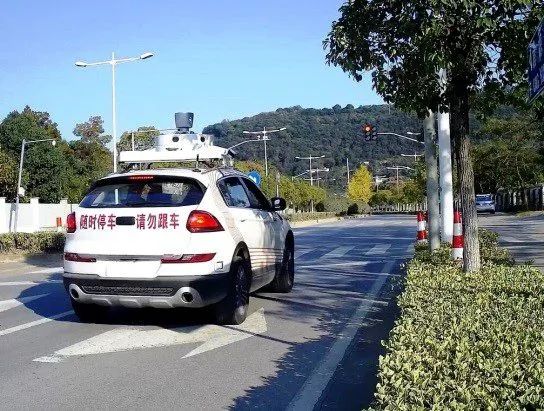 △ Autonomous Driving Testing
Submission Email: [email protected]