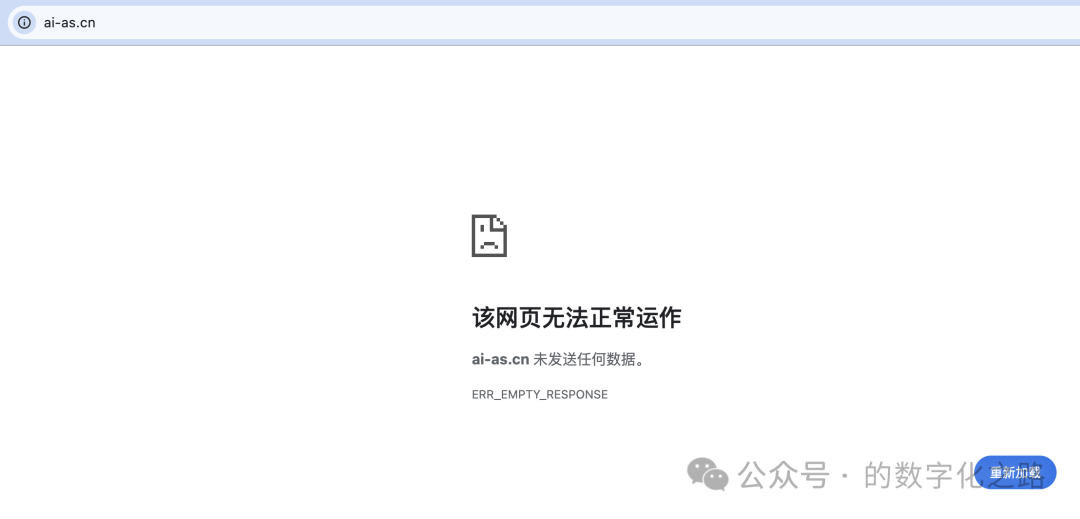
EdgeOne has a high threshold for use, and here we go again with an error: ERR_EMPTY_RESPONSE
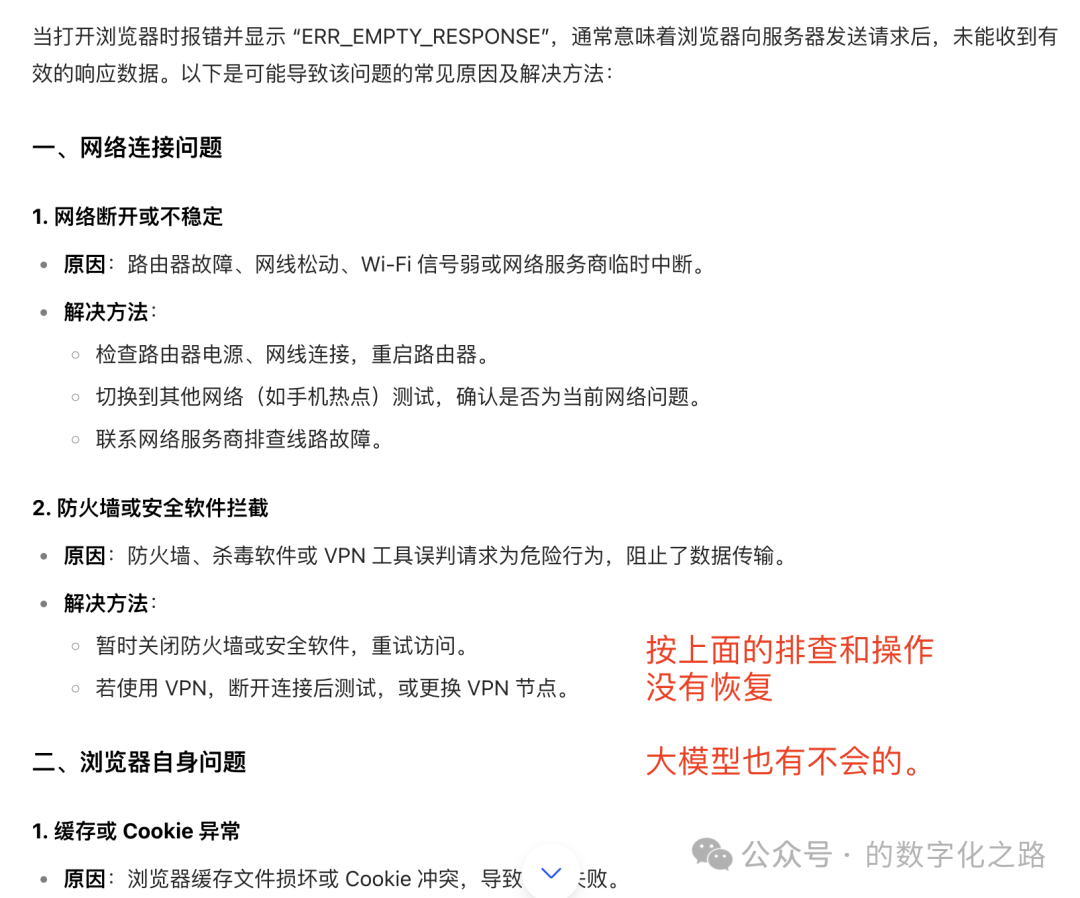
I asked the large model, but it couldn’t clarify the reason.
Submitted a ticket, and then this issue was resolved.
The ERR_EMPTY_RESPONSE error usually indicates that the client (such as a browser or network request tool) did not receive any response when attempting to connect to the server; in the above configuration, this leads to a failure in origin fetching (the origin server does not support HTTP/2 responses and will directly close the connection and send a reset); the EO node will also not return data to the client, hence this error message.
To summarize, the reason for the error is: the origin server does not support HTTP/2, but HTTP/2 origin fetching is enabled in EdgeOne.
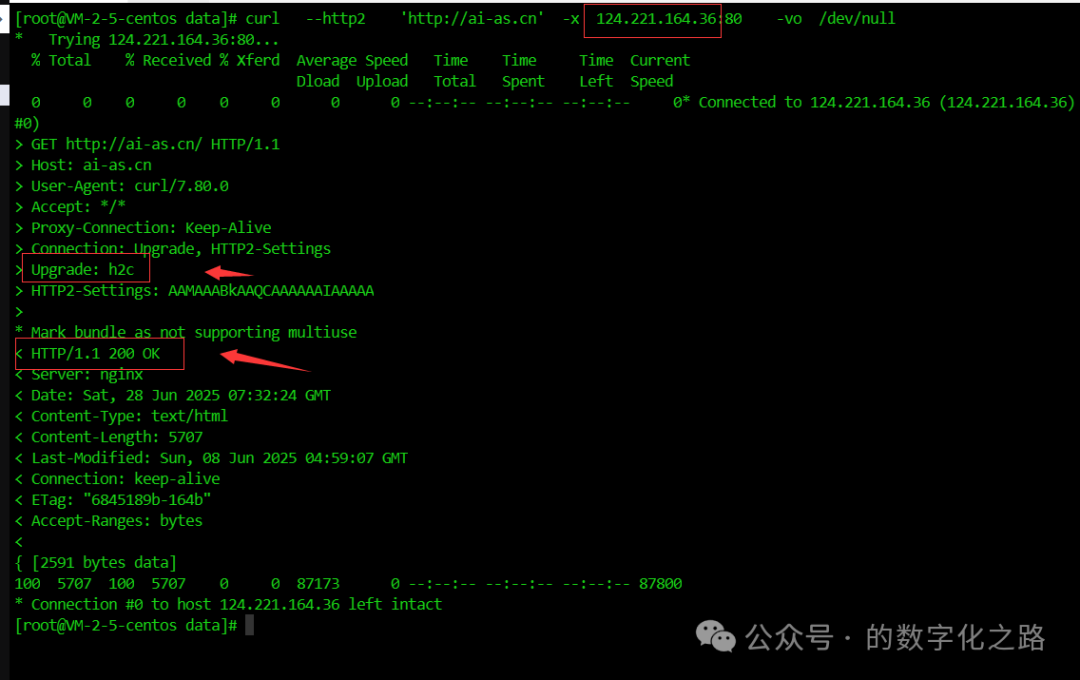
When the cache on EO expires, an error will occur during origin fetching.
Solution:
Simply disable HTTP/2 origin fetching on EdgeOne.
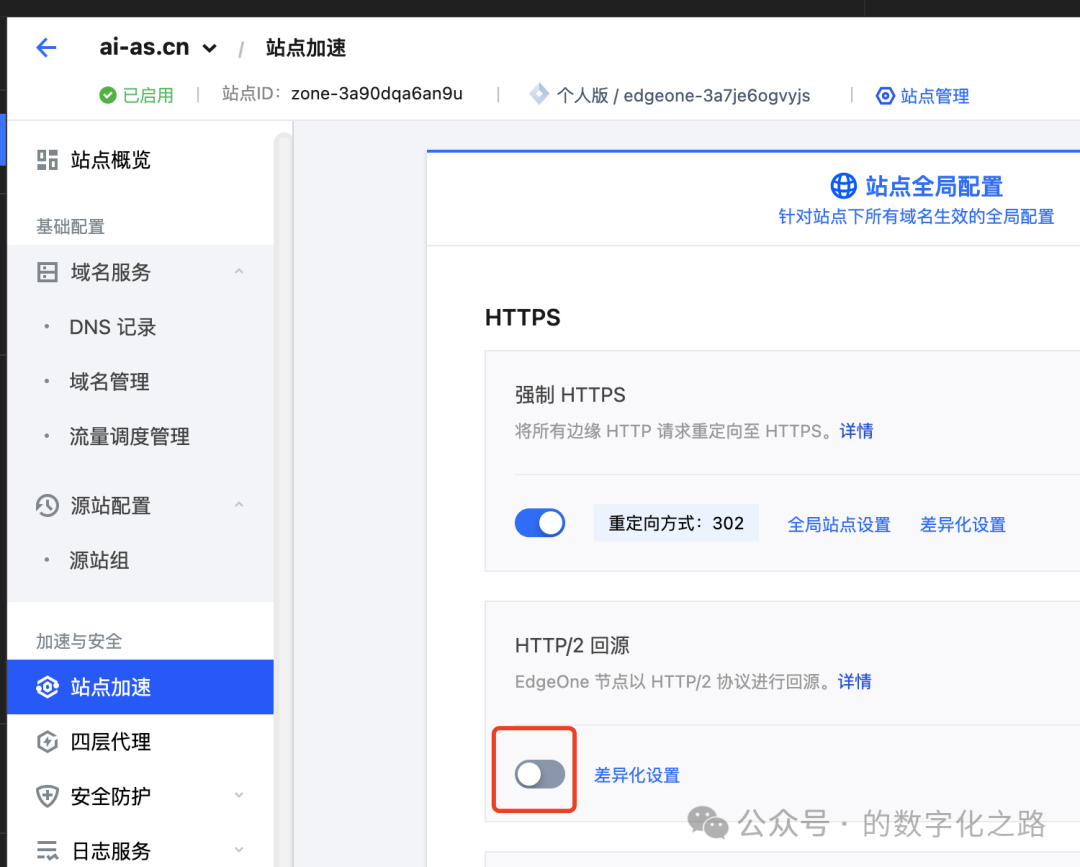
Enabling HTTP/2 origin fetching can lead to origin fetching failures (the origin server does not support HTTP/2 responses and will directly close the connection and send a reset);
the EO node will also not return data to the client, hence this error message.
Why is the error being discovered now, when it was normal before?
Initially, there was no error because the homepage had already been cached by EdgeOne, with a default cache duration of 2 hours.

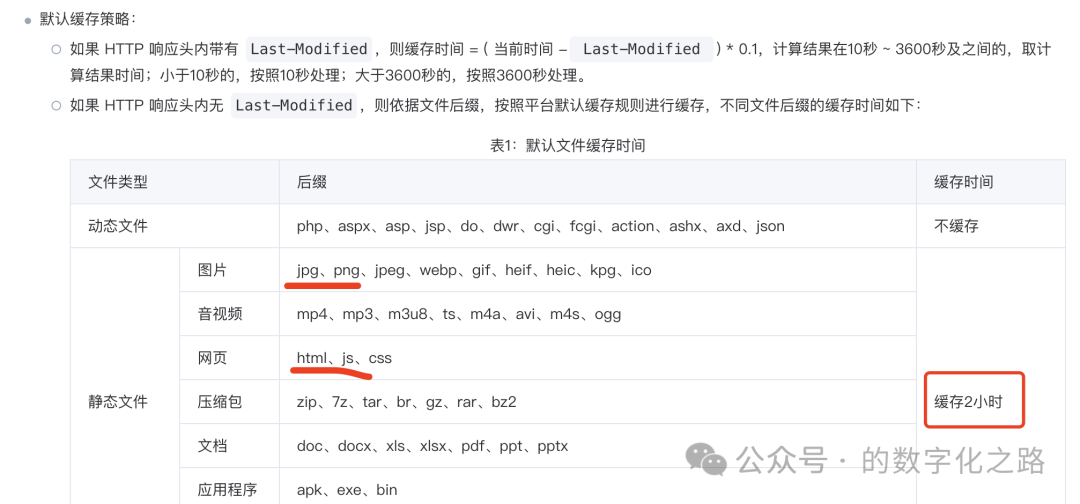
EdgeOne content caching rules
https://cloud.tencent.com/document/product/1552/87651
Default caching strategy: Follow EdgeOne’s default caching strategy, which determines the file’s cache duration at the node based on the Cache-Control and other caching headers in the HTTP response.
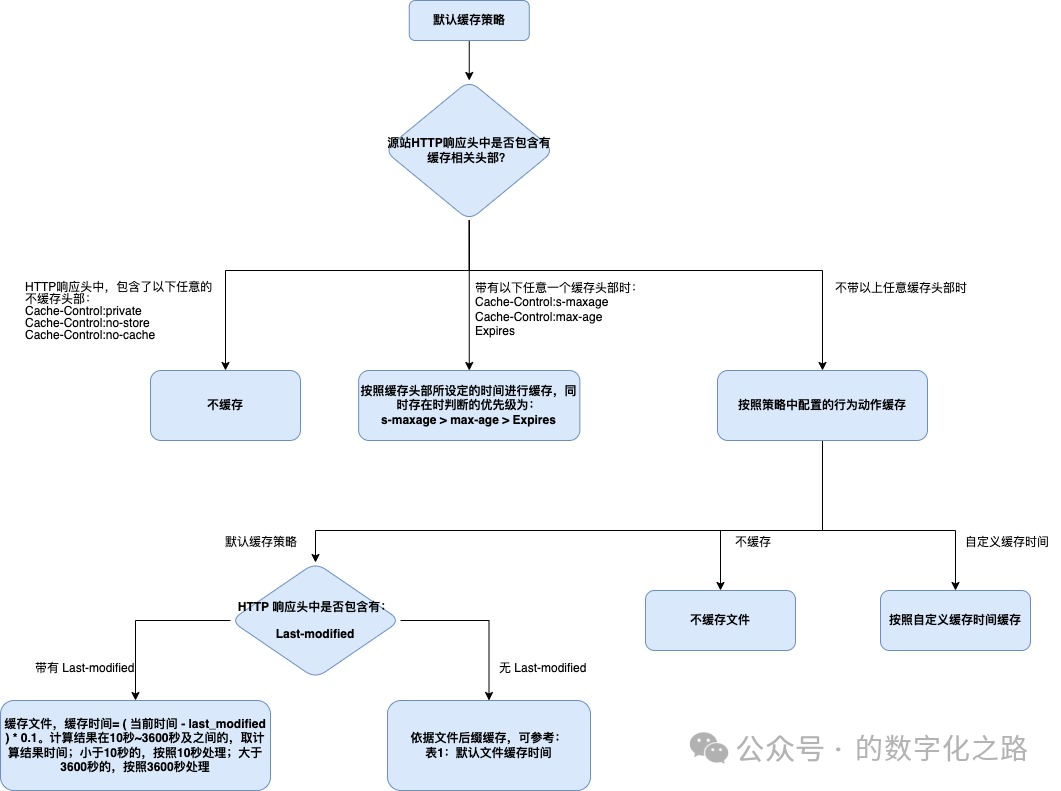
Node cache TTL
https://cloud.tencent.com/document/product/1552/70777
Clear cache (refresh cache)
https://cloud.tencent.com/document/product/1552/70759
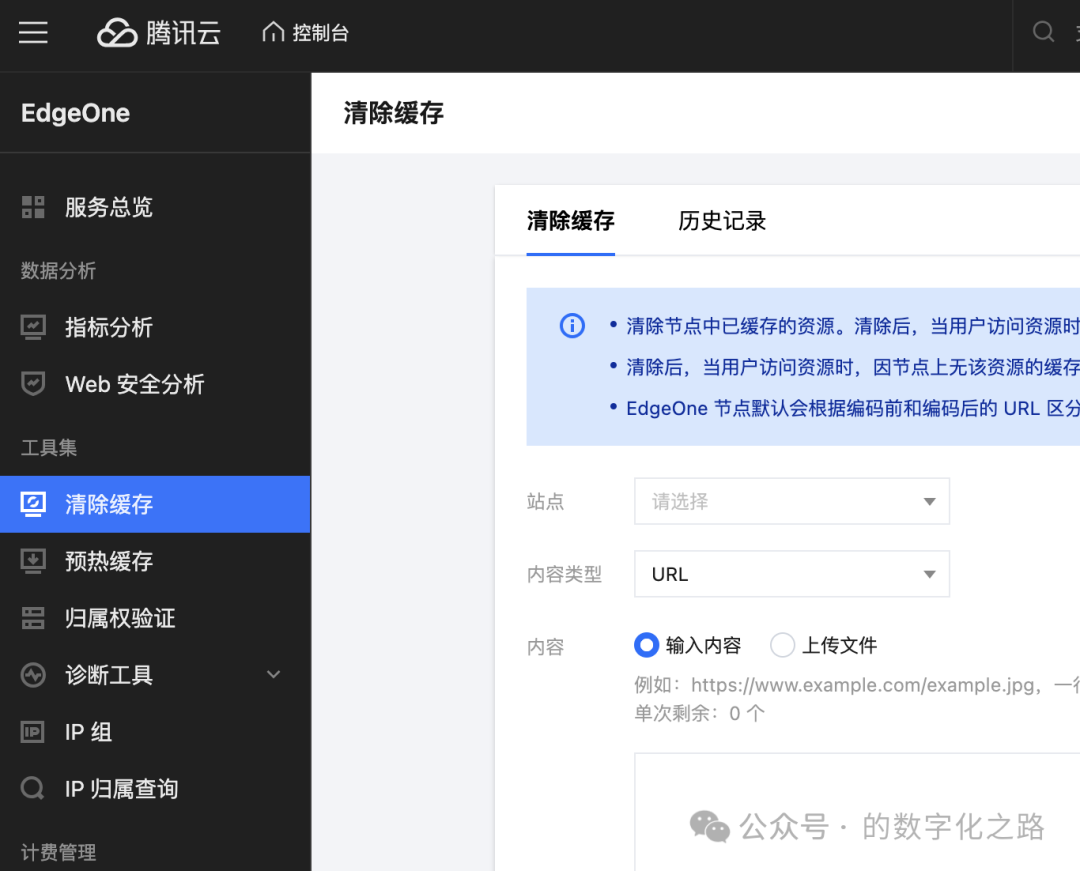
After clearing, when users access resources, since there is no cached resource on the node, it can only fetch from the origin, which will temporarily increase the number of origin requests and weaken the acceleration effect. If a large number of cached resources are cleared, it will generate many origin requests, putting some pressure on the origin server.

“What users need is an answer,” not a process, not information, not knowledge.
To address this issue, one could also find a solution by flipping through the documentation.
However, it feels cumbersome, and one may not want to look it up.
This might be where AI has an opportunity.