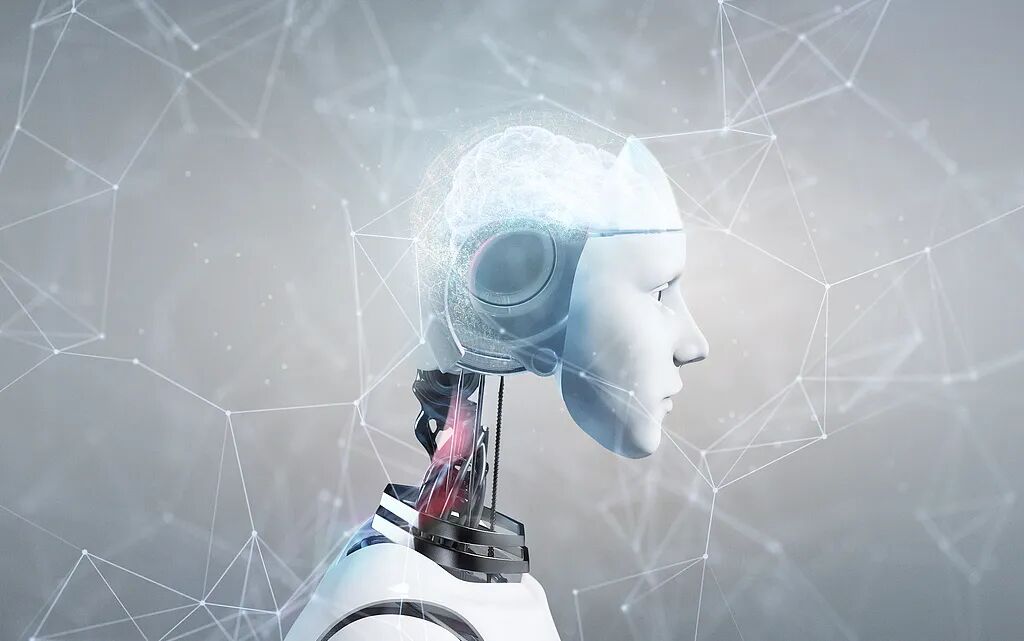
Arm Holdings does not directly manufacture chips but provides core computing architectures to chip manufacturers (such as Qualcomm, NVIDIA, and Tesla) through processor IP licensing. In the field of humanoid robots, Arm’s positioning is: low-power computing foundation, real-time control core, AI acceleration platform: enhancing machine learning efficiency through NPU (Neural Processing Unit).

Company Overview
Arm Holdings (NASDAQ: ARM) is a global leader in semiconductor intellectual property (IP) provision, focusing on designing efficient, low-power processor architectures. Founded in 1990 and headquartered in Cambridge, UK, it was re-listed in 2023, driven by SoftBank Group, with a market capitalization exceeding $80 billion.
Arm’s Reduced Instruction Set Computing (RISC) architecture has become a core foundation in fields such as mobile computing, the Internet of Things (IoT), autonomous driving, and humanoid robots. Its technology is licensed to over 1,600 chip manufacturers worldwide, including Apple, Qualcomm, NVIDIA, and Samsung, with cumulative shipments of chips based on Arm architecture exceeding 250 billion units (as of 2023).
Development History
Startup and Foundation Period (1990-2000)
1990: Founded by Robin Saxby in collaboration with Acorn Computer, Apple, and VLSI Technology, initially named Advanced RISC Machines (ARM).
1993: Launched ARM7, becoming the core processor for early mobile devices (such as Nokia phones).
1998: The company was renamed Arm Holdings and listed on the London Stock Exchange (LSE: ARM).
Mobile Computing Dominance (2000-2010)
2007: Apple’s iPhone adopted Arm architecture, igniting the smartphone revolution.
2010: Launched Cortex-A9, laying the foundation for multi-core mobile processors.
2011: Armv8 architecture released, supporting 64-bit computing, with lasting impact.
IoT and AI Era (2010-2020)
2016: SoftBank Group acquired Arm for $32 billion, promoting AI and autonomous driving initiatives.
2018: Released Neoverse, entering the data center and cloud computing market.
2020: Launched Cortex-X1 and Mali-G78 GPU, enhancing AI computing capabilities.
New Era Strategy (2020-Present)
2022: NVIDIA’s acquisition of Arm failed, leading SoftBank to push for Arm’s independent IPO.
2023: Arm re-listed (NASDAQ: ARM), with a market capitalization exceeding $80 billion.
2024: Launched Cortex-X5 and Ethos-U NPU, accelerating AI computing for robots.
Main Products and Solutions
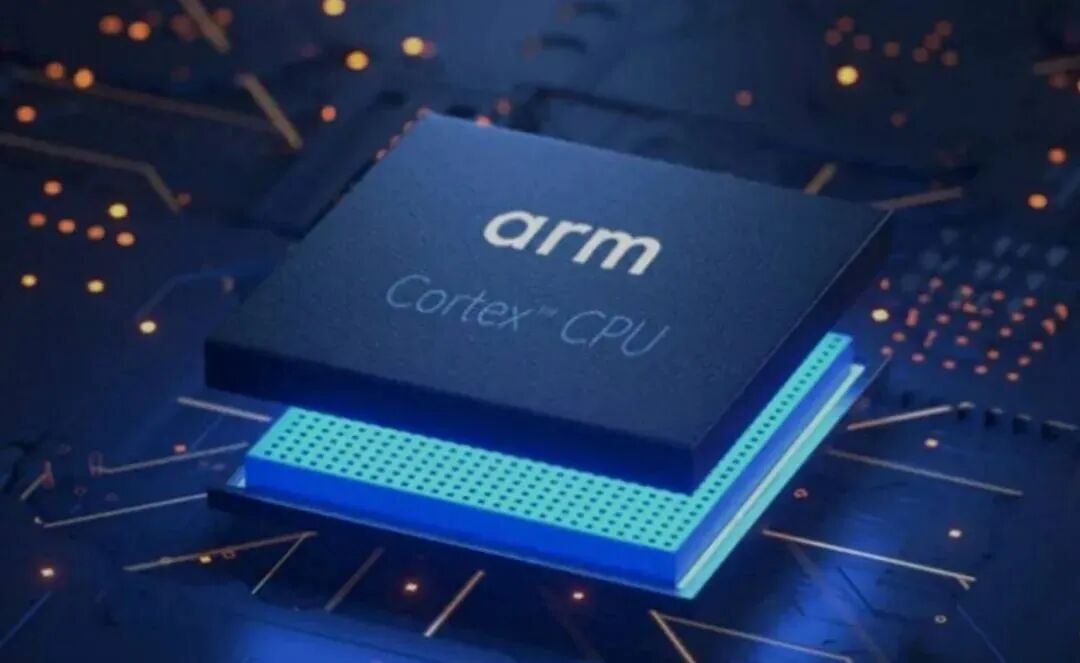
CPU IP (Central Processing Unit)
Cortex-A series: High-performance computing for mobile phones and robot control (such as Tesla Optimus);
Cortex-R series: Real-time control, suitable for robot motion control chips;
Cortex-M series: Low-power microcontrollers for sensors and edge computing;
GPU IP (Graphics Processing Unit)
Mali series: From Mali-G (graphics rendering) to Mali-C (computer vision optimization);
Latest Mali-G720: Supports ray tracing, enhancing 3D environment modeling capabilities for robots;
NPU IP (Neural Processing Unit)
Ethos series: Designed for AI acceleration, such as Ethos-U55 (low power) and Ethos-U85 (high performance);
Applied in robots: Tesla Optimus uses Arm NPU for real-time decision-making;
Dedicated Computing Architecture
Neoverse: Cloud computing and data center chips (such as AWS Graviton);
SecurCore: Security chips for autonomous driving and robot communication encryption;
Applications in Humanoid Robots
Technical Layout: Three core IPs empower robots
CPU IP: The “decision-making center” of the robot control system
Cortex-A series (such as A78AE, X2) for robot environmental perception and task planning (such as the main control chip of Tesla Optimus, supporting multi-core heterogeneous computing, compatible with Linux/ROS 2 robot operating system;
Cortex-R series (such as R52, R82), real-time performance (μs-level response), designed for joint control and dynamic balance, used in Boston Dynamics’ Atlas motor control unit;
GPU/NPU IP: Machine vision and AI acceleration
Mali GPU (such as G720), supports SLAM (Simultaneous Localization and Mapping), 3D environment modeling, optimizes ray tracing, enhancing robots’ understanding of complex scenes;
Ethos NPU (such as U85), designed for edge AI, accelerates object recognition and voice interaction, achieving an energy efficiency ratio of 10 TOPS/W, suitable for edge inference;
Dedicated Computing Architecture
Neoverse V2, high-performance computing IP, for collaborative robot cloud training + edge inference.
SecurCore, hardware-level security encryption, protects robot data and communication.
Key Figures
Robin Saxby (Founder and First CEO)
Background: PhD in Electronic Engineering from the University of Liverpool, previously worked at Motorola and European Semiconductor Company.
Contribution: Promoted Arm’s business model innovation, establishing the “IP licensing” rather than chip manufacturing light asset model.
Honor: Knighted in 2002 (Sir Robin Saxby).
Hermann Hauser (Co-founder)
Background: Austrian physicist, founder of Acorn Computer.
Contribution: Led early Arm architecture design, establishing the RISC (Reduced Instruction Set Computing) technology route.
Simon Segars (Former CEO)
Background: Senior engineer at Arm, joined the company in 1991.
Contribution: Promoted Arm’s entry into the AI and autonomous driving markets, facilitating the SoftBank acquisition.
Rene Haas (Current CEO)
Background: Former NVIDIA executive, took over as Arm CEO in 2022.
Strategy: Focus on AI, robotics, and cloud computing, driving Arm’s IPO.
HHT
Advanced Technology