

Many electricians habitually use a shake meter to measure the condition of motors in their daily work. This is undoubtedly a common and relatively safe testing method. Today, I will share how to use a multimeter to measure the condition of a motor, so that if a shake meter is not available, you can still measure relevant conditions and not delay your work process!
Measuring Method for Three-Phase Motors:
Set the digital multimeter to the 200Ω range and measure the three-phase power lines on the motor pairwise. If the resistance values from the three measurements are equal or very close, it indicates that the three-phase windings are well connected.
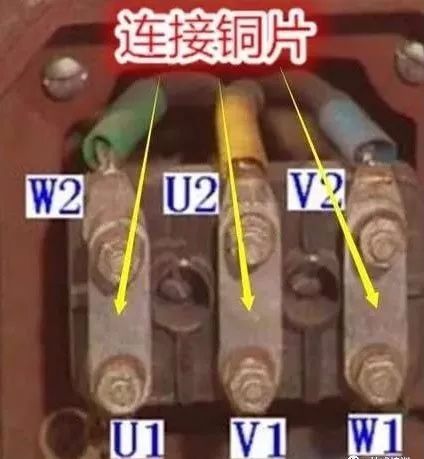
Next, open the motor’s junction box and remove the connecting copper pieces on the terminals, which disconnects the U, V, and W windings. Set the multimeter to the highest resistance range and use the multimeter probes to measure any two ends of the U, V, and W windings. If the resistance values show infinity, it indicates that the motor’s inter-phase insulation is normal.
Finally, using the multimeter’s maximum resistance range, measure the resistance between any end of U, V, W and the casing. If the resistance values are all infinite, it indicates that the motor insulation is fine, and it can be powered for a startup test.
Measuring Method for Single-Phase Motors:
When measuring a single-phase motor, set the digital multimeter to the 2K range. First, measure the resistance of the main winding, which is generally in the range of tens to hundreds of Ω, varying according to the motor power.
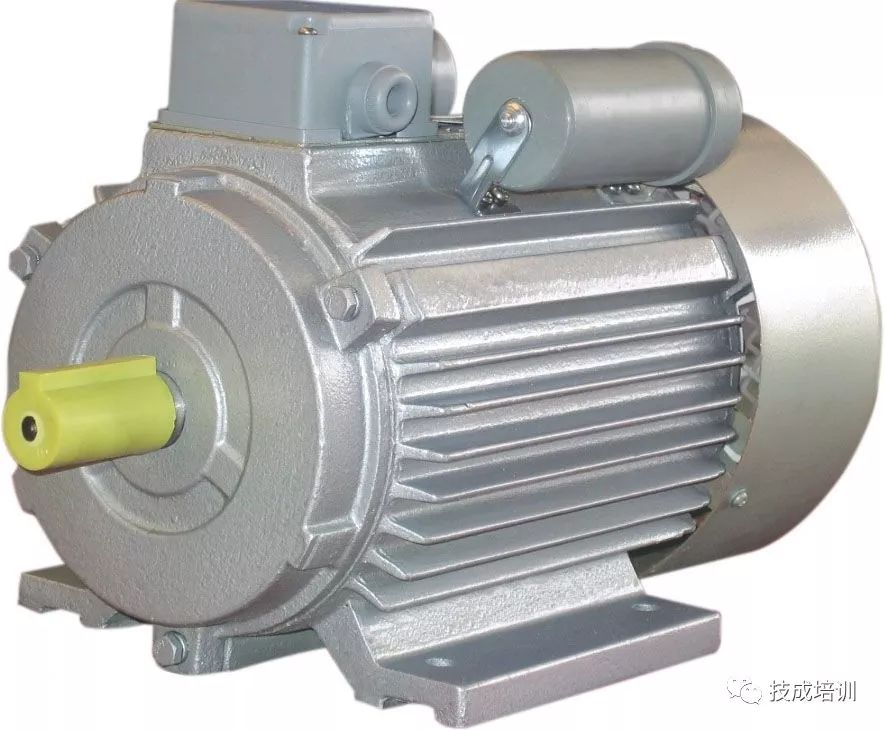
The resistance of the auxiliary winding is slightly larger than or the same as that of the main winding. If the resistance values of the main and auxiliary windings are normal, measure the insulation between the main and auxiliary windings. Set the multimeter to the highest resistance range, and with the main and auxiliary windings disconnected, connect one probe to any terminal of the main winding and the other probe to any terminal of the auxiliary winding grounded. An infinite insulation resistance is normal. Finally, also measure the insulation resistance between the two windings and the casing. One probe connects to the winding, and the other connects to a conductive part of the motor casing, showing infinity is normal.
Thank you for your attention!
For more electrical knowledge, please return to the public account to click on the article review!
ENDThis article is sourced from the internet. We focus on sharing, and the copyright belongs to the original author. For more project information, please click“Read the original text” ↓↓↓