In the electronics manufacturing industry, the clarity, durability, and traceability of product identifications are crucial. As electronic components trend towards miniaturization and high integration, traditional coding technologies (such as inkjet coding and laser marking) may face issues such as insufficient adhesion, thermal damage, or lack of precision. UV coding machines, with their advantages of high resolution, non-contact printing, and instant curing, have become the ideal choice for precise identification of electronic components.
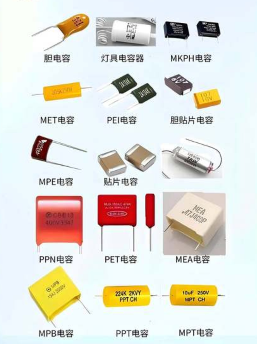
1. Industry Demand for Electronic Component Identification
Electronic components (such as PCBs, chips, resistors, capacitors, connectors, etc.) typically require the printing of the following information on their small surfaces: product traceability codes (serial numbers, batch numbers, QR codes), brand identifications (LOGO, model), compliance information (RoHS certification, environmental labels). These identifications must meet the following requirements:
High Precision: Suitable for miniature components (e.g., SMD component sizes can be as small as 0.4mm × 0.2mm).
Strong Adhesion: Must adhere durably to different materials such as metal, plastic, and ceramics.
No Damage: Avoid high temperatures or mechanical pressure affecting component performance.
Environmental Resistance: Must withstand harsh conditions such as alcohol wiping and high temperature and humidity.
2. Technical Advantages of UV Coding Machines
Compared to traditional coding technologies, UV coding machines have significant advantages in the field of electronic components:
1. Ultra-High Resolution Printing
Using piezoelectric print heads, the minimum droplet size can reach 3.5pl (picoliters), achieving printing of micro characters and precise QR codes with a size of ≤0.1mm.
2. Instant Curing, No Thermal Impact
UV inks are instantly cured by LED ultraviolet light, eliminating the need for heating and avoiding material carbonization or thermal stress damage that may occur with laser marking.
3. Wide Material Compatibility
UV inks can firmly adhere to common materials in the electronics industry such as FR4 substrates, silicone, metal coatings, and polyimide. By adjusting the ink formulation (e.g., adding silane coupling agents), adhesion can be further enhanced.
4. Corrosion and Abrasion Resistance
The cured UV markings can withstand wiping with solvents such as alcohol and acetone, as well as high-temperature reflow soldering processes (above 280°C).
3. Typical Application Scenarios and Solutions
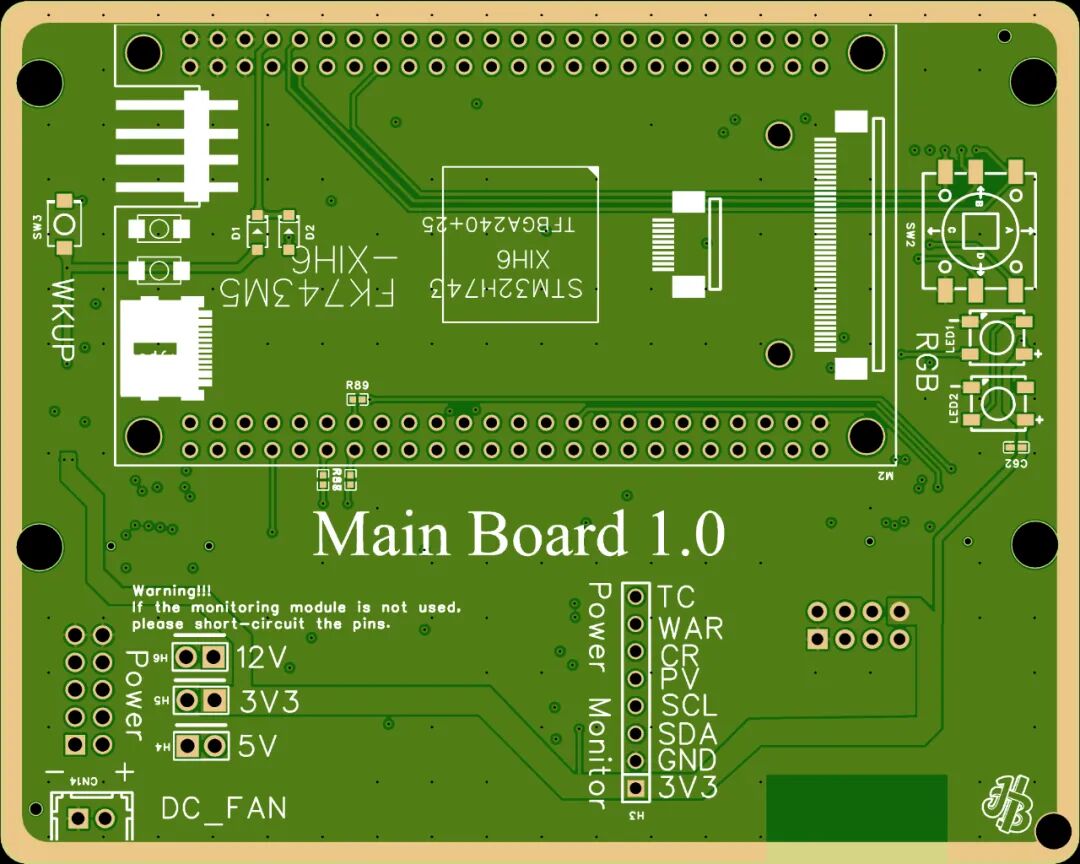
1. PCB Traceability Marking
Requirement: Print QR codes in a confined space, which must withstand subsequent soldering and cleaning processes.
Solution:
Use a high-resolution UV coding machine to print DataMatrix codes, selecting high-temperature resistant UV inks.
2. Marking of Micro Electronic Components
Requirement: Mark model and polarity on the surface of resistors and capacitors.
Solution:
Use a vision positioning system to automatically correct the printing position (accuracy ±0.05mm). Employ low-viscosity UV inks to avoid clogging of micro-hole nozzles.
3. Chip Packaging Information Printing
Challenge: The smooth surface of chips makes traditional inks prone to falling off.
Solution:
Pre-treatment: Plasma cleaning to enhance surface energy.
Secondary curing after printing (extending UV exposure time).
UV coding machines provide reliable identification solutions for electronic components through their high precision, strong adhesion, and non-contact printing characteristics. Companies can significantly enhance production efficiency and product traceability by selecting appropriate models and optimizing processes. With the promotion of smart manufacturing and Industry 4.0, UV coding technology will continue to empower the high-quality development of the electronics industry.
Contact Information:
East China / Central / North: Manager Ai 13127671186
South China / West / Overseas: Manager Deng 15815556596