Follow | Set the corner as ★, dissect business insights
Introduction
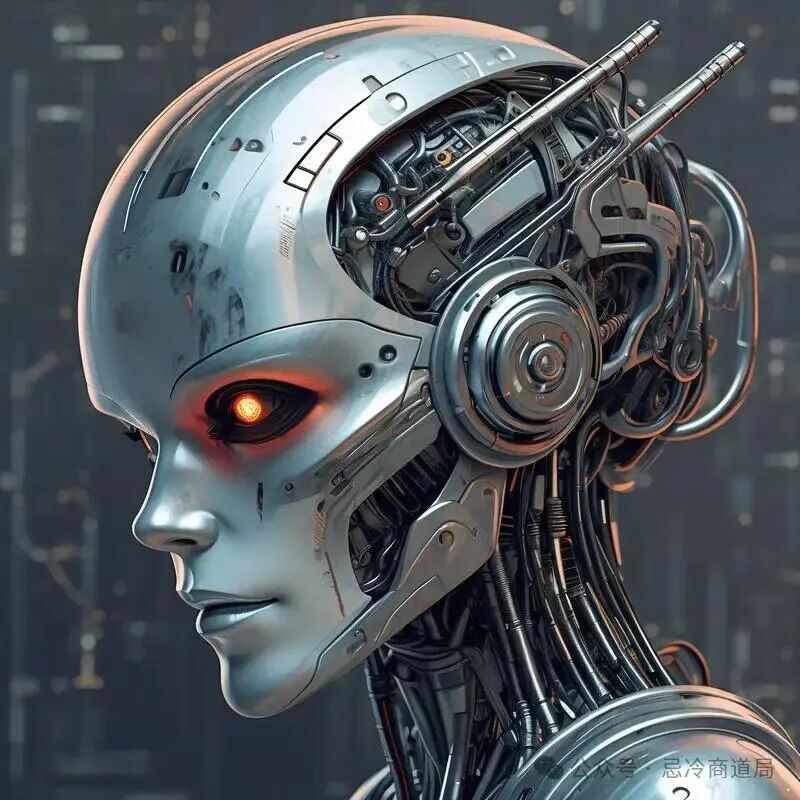
Long-term observation of the US, Hong Kong, and A-share markets reveals that the core driving force behind capital markets and wealth growth has never been short-term interest rate hikes or market volume fluctuations, but rather technological advancements that drive epochal changes.
From the internet to the era of smartphones, technology companies have always been the trendsetters. Today, the rise of AI and robotics is ushering in a new wave of opportunities and restructuring.
1. The Logic Shift Behind Layoffs in Tech Companies

The recent layoffs at tech giants like NVIDIA, Amazon, Google, and Alibaba are not signals of industry recession, but rather an inevitable result of the iteration of industrial cycles and capital logic.
The capital focus in the AI era has shifted from “talent scale endorsement” to “core technology barriers”. This is not a devaluation of prestigious degrees, but a structural upgrade in talent demand:
The capital logic has transitioned to a dual drive of computing power and applications. The early model of “selling shovels” that focused on hardware computing power has evolved, now focusing more on software algorithms, scenario implementation, and other deeper values.
The core of layoffs is the divestment of non-core businesses and redundant positions, rather than a denial of highly educated talent—top talents with AI algorithms and industry scenario implementation capabilities are still in high demand, while many of those laid off are in positions disconnected from the current technological mainline.
Computing power replaces repetitive labor, not complex decision-making and innovation capabilities. The essence of reducing burdens for enterprises is optimizing resource allocation, leaning towards core technology research and development.
2. The Wave of Industrialization of AI and Robotics

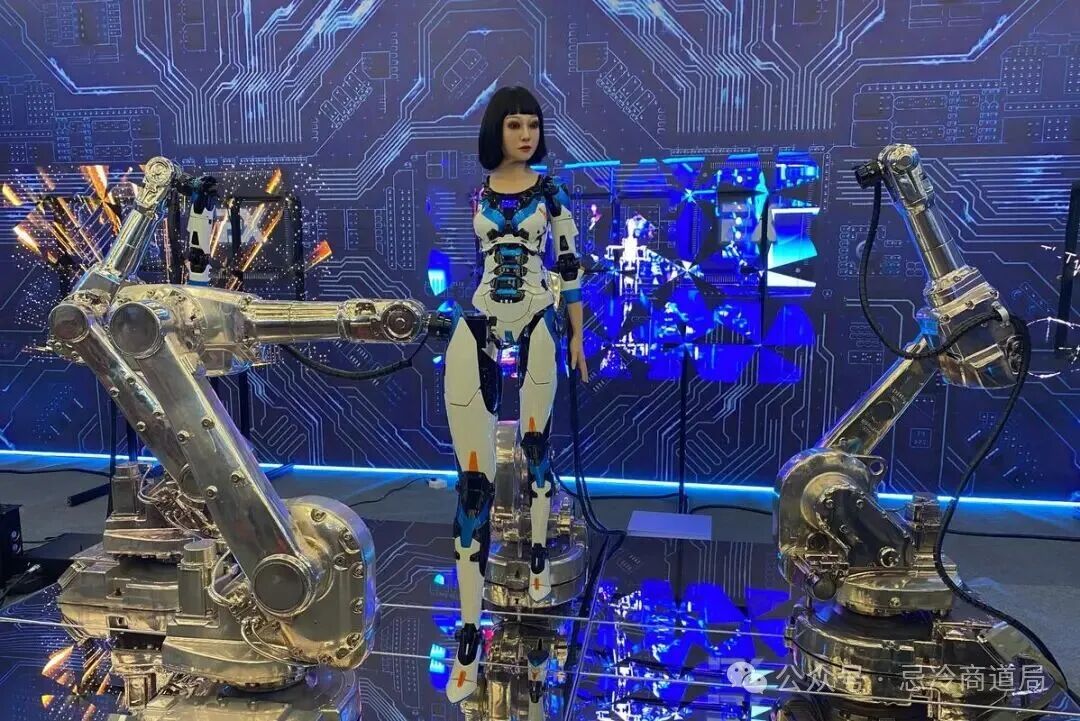
AI and robotics are not distant concepts; they have already achieved large-scale applications in multiple fields and continue to disrupt production and lifestyles.
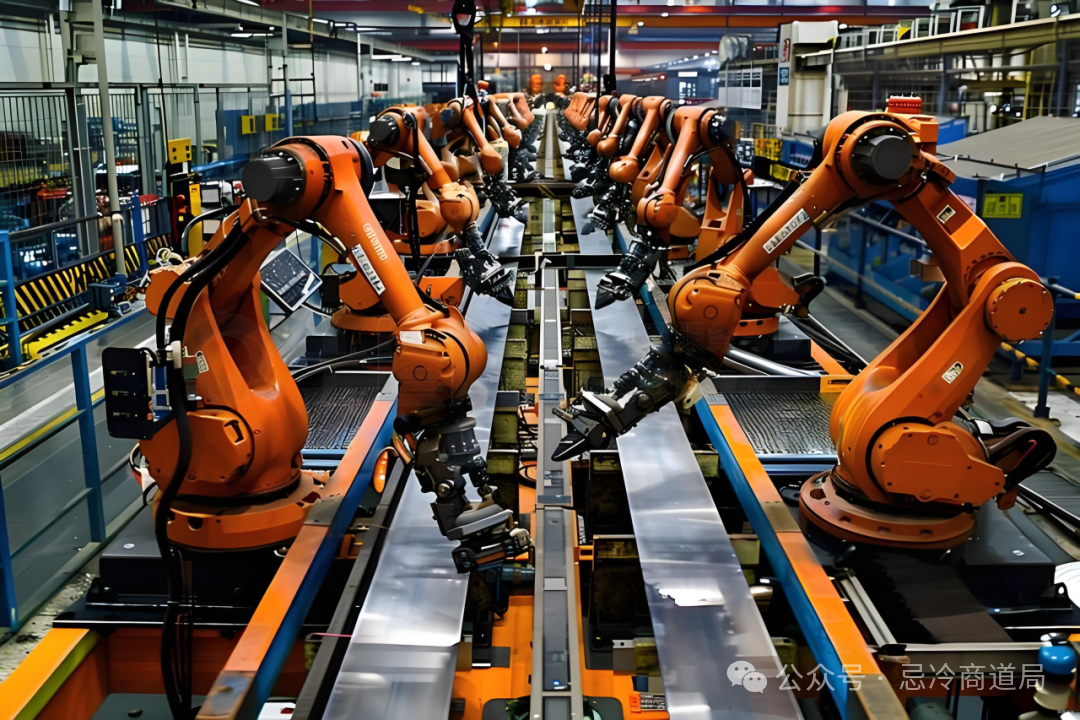
1. Industrial and Professional Scenarios Mature First: In fields such as flexible manufacturing, medical auxiliary diagnosis, and power inspection, robots have replaced high-risk and repetitive labor. The year 2025 will mark the year of mass production for humanoid robots, accelerating the implementation in commercial and industrial scenarios;
2. AI Capabilities Achieve Qualitative Leap: Generative AI has produced videos and content that have surpassed human creative boundaries, further compressing information gaps in decision support and knowledge accumulation, allowing individual efficiency to improve without relying solely on experience accumulation;
3. Clear and Traceable Implementation Path: Robots will gradually penetrate according to “commercial scenarios—industrial scenarios—home scenarios”. Heterogeneous robots have already been applied on a large scale in sanitation and healthcare, while humanoid robots will gradually enter the mass market as costs decrease and technology matures.
3. Seizing Technological Dividends: Implementation Guide

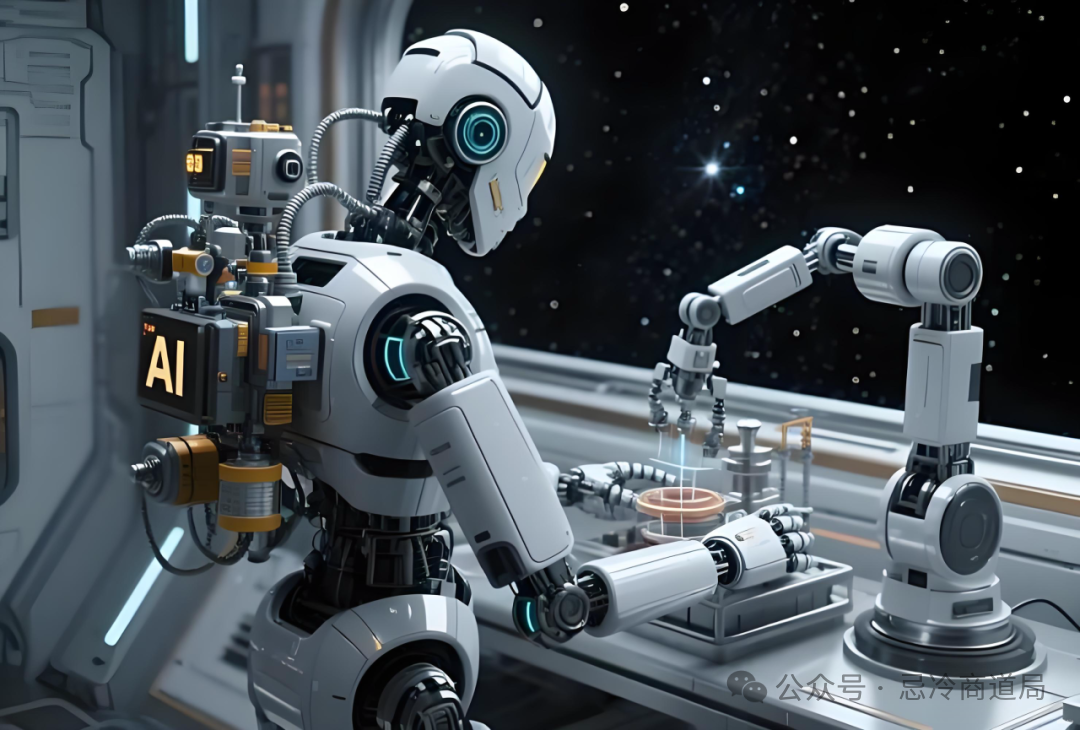
Technological change is never simply about “replacement”; it is about reconstructing production relationships and wealth distribution logic.
AI and robotics are compressing the value of inefficient labor while amplifying the scarcity of innovation capabilities, scenario insights, and technology integration.
The core of this wealth reshuffle is shifting from “scale dividends” to “technological dividends”. Whether you are an independent super individual or a flexible small and medium-sized enterprise, as long as you find the right path and target accurately, you can seize the initiative in this transformation.
(1) Super Individuals:
Focus on “technology + scenarios” to become an irreplaceable value node.
For individuals, there is no need to pursue being a “jack of all trades”; the key is to combine “technical tools” with “specific scenarios” to make yourself an indispensable “key link” for others:
1. First, practice a hardcore AI skill: There is no need to learn all tools; choose one that is relevant to your work and delve into it. For example, if you are in design, practice AI drawing; if you are in office work, practice AI data analysis. Use tools to replace repetitive labor and focus your energy on more creative tasks;
2. Bind to niche scenarios to find demand: Don’t follow trends blindly; focus on small and specialized fields. For example, help cross-border e-commerce with AI localization design, or provide AI equipment inspection services to factories, and let quantifiable results speak (e.g., how much time you saved for clients, how much efficiency you improved);
3. Leverage platforms for quick monetization: There is no need to go it alone; use design platforms and technical service platforms to take orders, directly converting your learned skills into income while practicing and iterating your abilities.
(2) Small and Medium Enterprises:
Rely on “cost reduction + innovation” to take small steps and quickly reap dividends.
Small and medium enterprises do not need to engage in comprehensive technology research and development; the core is to “use existing technologies to solve practical problems”, testing and achieving results quickly at minimal cost:
1. Use mature AI tools to cut costs: There is no need to develop your own; directly introduce existing tools like intelligent customer service and AI design to replace some repetitive positions, saving two-thirds of operational costs and spending money wisely;
2. Focus on niche pain points for innovation: Avoid direct competition with large enterprises and target small pain points in the industry. For example, those making white-label products can focus on “cost-effectiveness without branding”, while those in logistics can optimize delivery efficiency in lower-tier markets, precisely meeting the needs of specific groups;
3. Light asset cooperation to avoid detours: There is no need to build a technical team from scratch; cooperate with external technology companies and share computing resources to quickly test new ideas. If it works, scale it up; if not, adjust to reduce innovation risks.
Conclusion:


Technological dividends have never been the exclusive domain of a few giants; they are available to those individuals and enterprises willing to adapt proactively.
Whether individuals or small and medium enterprises, as long as they leverage their own advantages and use technology to solve practical problems, they can establish a foothold and earn dividends in this wealth reconstruction.




Video Account丨Jilong
Douyin Account丨Jilong