
Click the above Computer Enthusiasts to follow us
In addition to the Snapdragon 8 Gen1 customized for flagship smartphones, Qualcomm has also prepared the next generation of “core” for gaming handhelds and Windows PCs, namely the Snapdragon G3x Gen1, Snapdragon 8cx Gen3, and Snapdragon 7c+ Gen3, aiming to achieve the ultimate dream of “domination across all platforms”.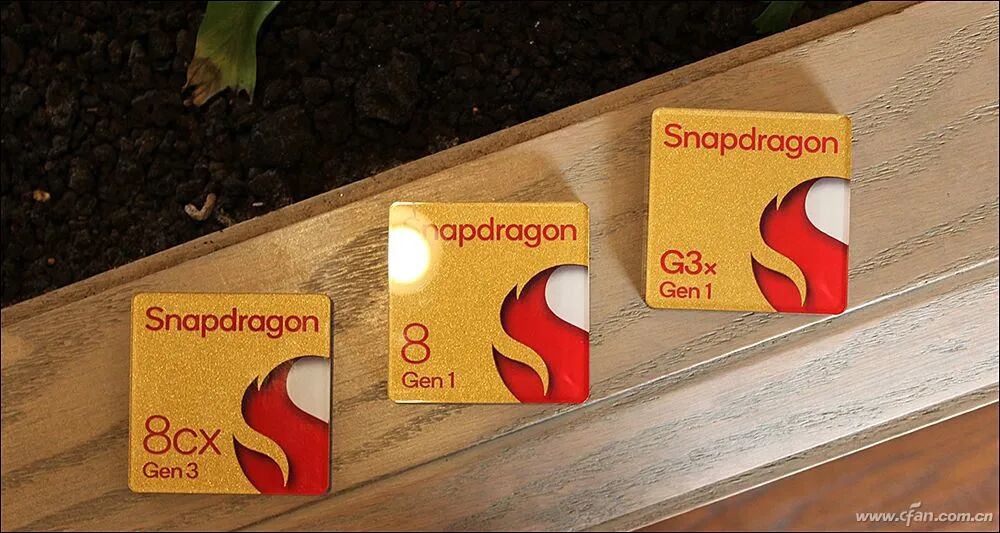 Core of the Handheld: Snapdragon G3x Gen1The Snapdragon G3x Gen1 is Qualcomm’s first-generation gaming platform, primarily aimed at mobile gaming devices, designed to allow users to play Android games, stream games from consoles or PCs, or play games via cloud gaming services. It also marks Qualcomm’s first step into the metaverse exploration.
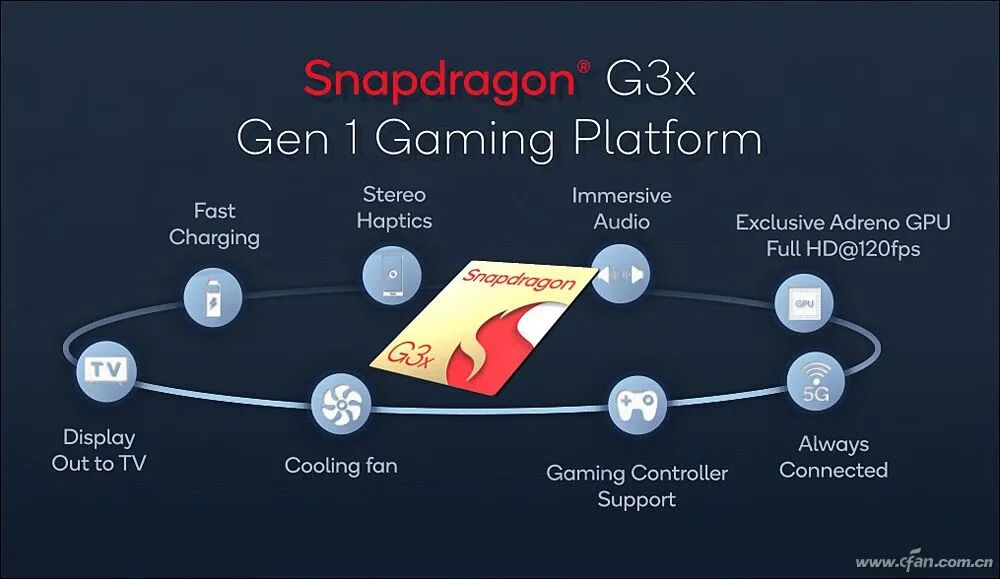
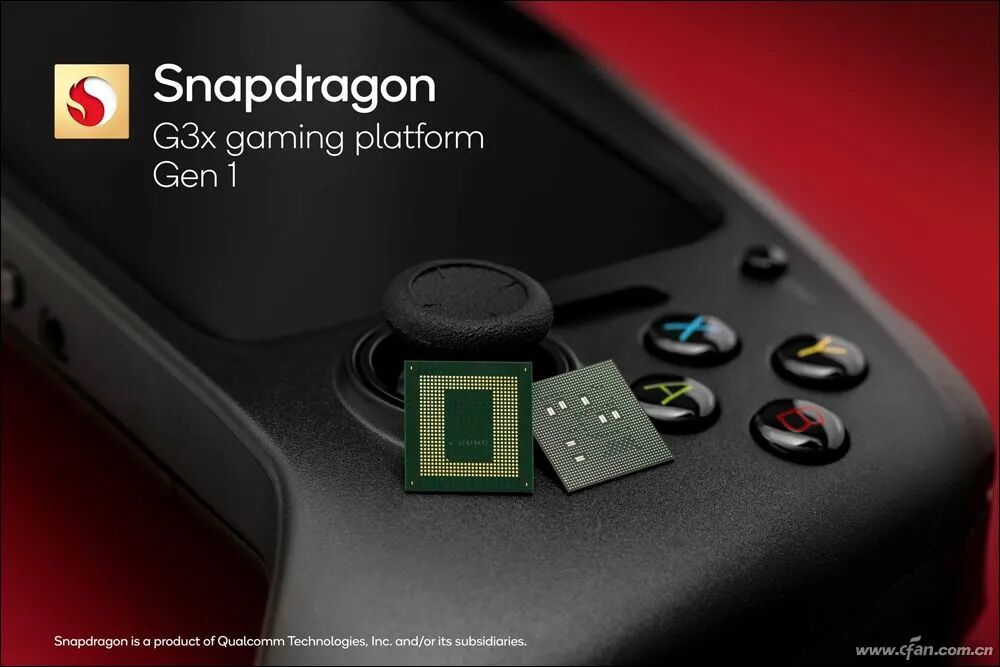 It is important to note that Qualcomm has not disclosed the specific specifications of the Snapdragon G3x Gen1 gaming platform. We only know that it uses Kryo CPU and Adreno GPU, supports a refresh rate of 144fps, and true 10-bit HDR display. The Snapdragon G3x Gen1 integrates the FastConnect 6900 module, supporting Wi-Fi 6E, as well as millimeter-wave and Sub-6 frequency bands, providing a truly free 5G experience. Additionally, devices equipped with the Snapdragon G3x Gen1 can connect to 4K displays or connect to MR headsets via USB Type-C.
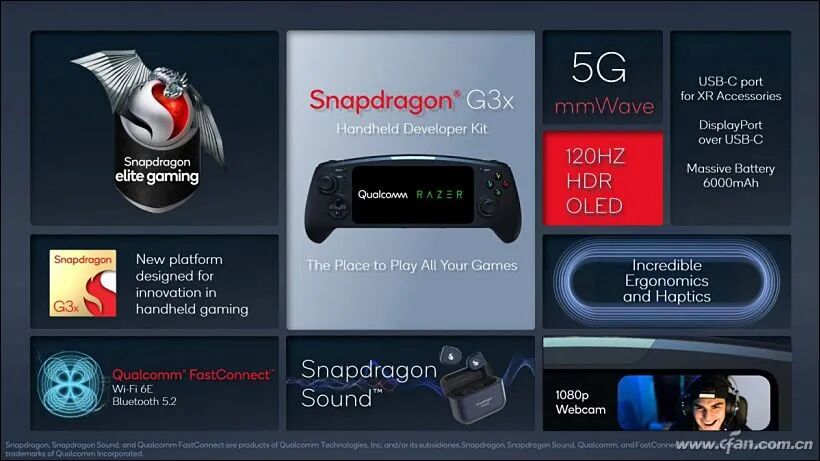 Qualcomm has partnered with Razer to launch a development kit device based on the Snapdragon G3x Gen1, which features a 6.65-inch 120Hz HDR OLED screen, providing a smooth gaming experience at 1080P+120FPS. This device is equipped with a 6000mAh battery and includes a 5-megapixel front camera for game streaming, along with complete directional keys, joysticks, and LR shoulder buttons that are very suitable for gaming control.
 Considering that native Android games require touch controls, Qualcomm has also collaborated with a company specializing in mapping screen controls to hardware joysticks, buttons, and triggers. In the future, the Snapdragon G3x Gen1 gaming platform is expected to support system ecosystems like SteamOS, expanding its user base.
 From Razer’s development kit device, it is equipped with an additional cooling fan, so we should have high expectations for the performance of the Snapdragon G3x Gen1, which is likely to include at least one Cortex-X1 super core, and its frequency will not be lower than that of the Snapdragon 888, allowing for sustained high performance.
 The most critical issue now is that the Android handheld ecosystem lacks sufficient AAA game support. If the gaming ecosystem issue is not resolved, those who purchase the Snapdragon G3x Gen1 handheld will likely only be able to play emulator games.Apple M1 in Sight: Snapdragon 8cx Gen3Apple’s M1 series Mac devices have dealt a significant blow to the x86 PC camp, allowing ARM architecture processors to gain recognition. In comparison, the performance of Qualcomm’s Snapdragon 8cx Gen1/Gen2 customized for PC platforms is only at the level of Snapdragon 855, which is hardly competitive.
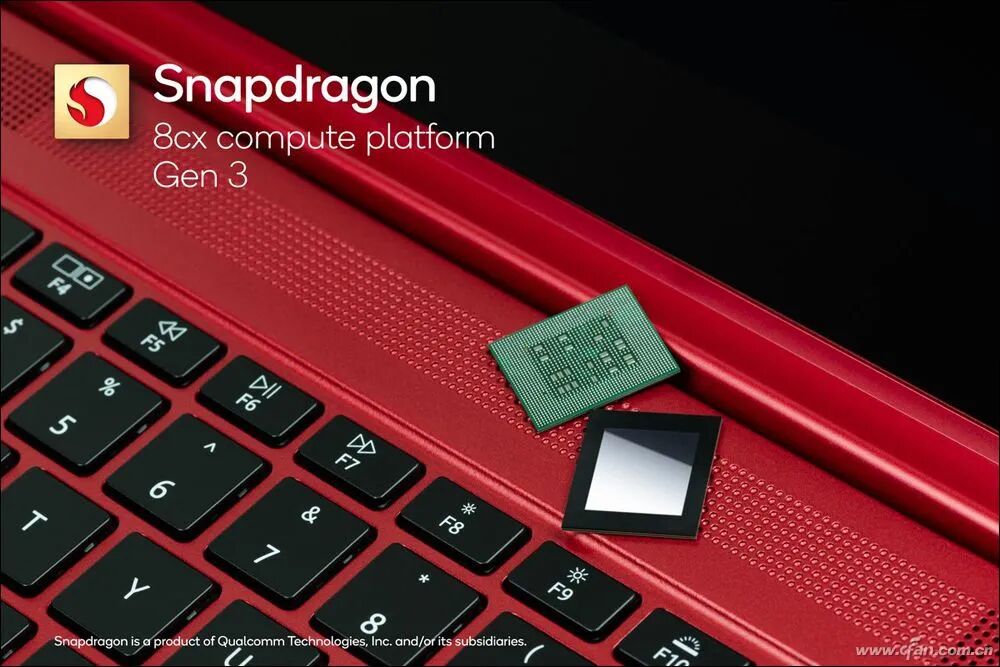
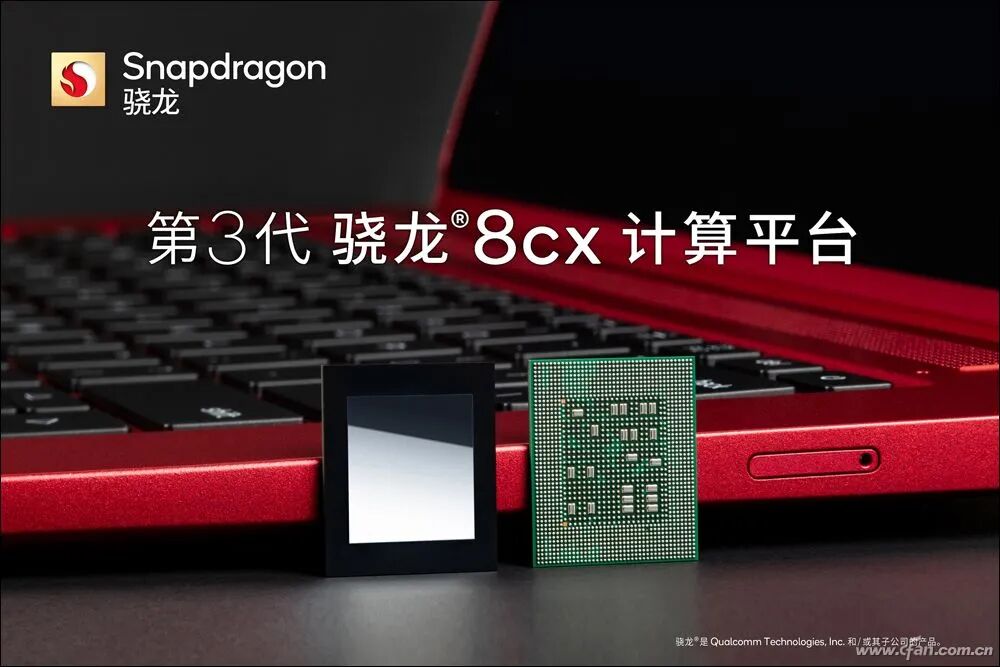 Perhaps the success of Apple’s M1 has stimulated Qualcomm, as the newly released third-generation Snapdragon 8cx Gen3 has made a qualitative leap in performance.
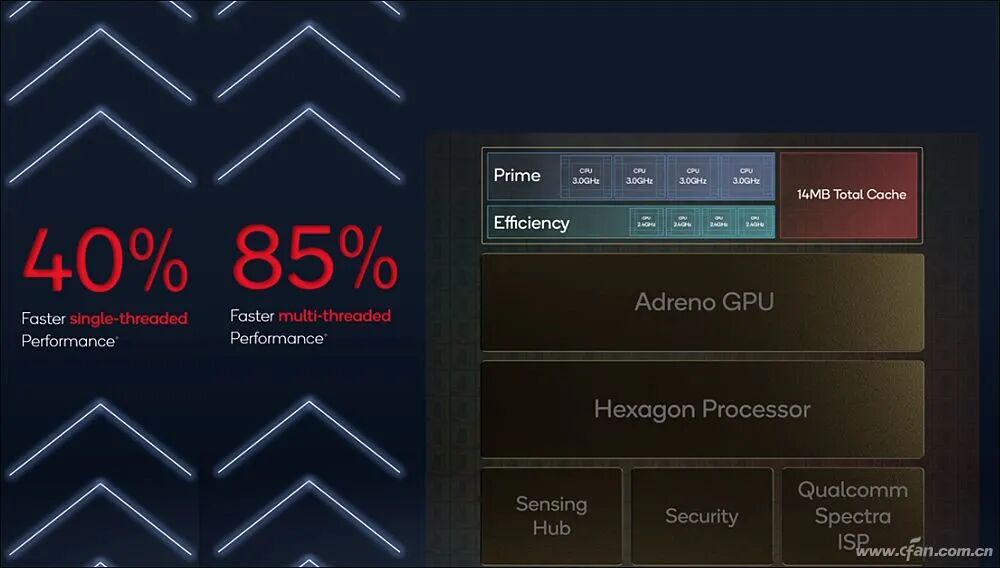
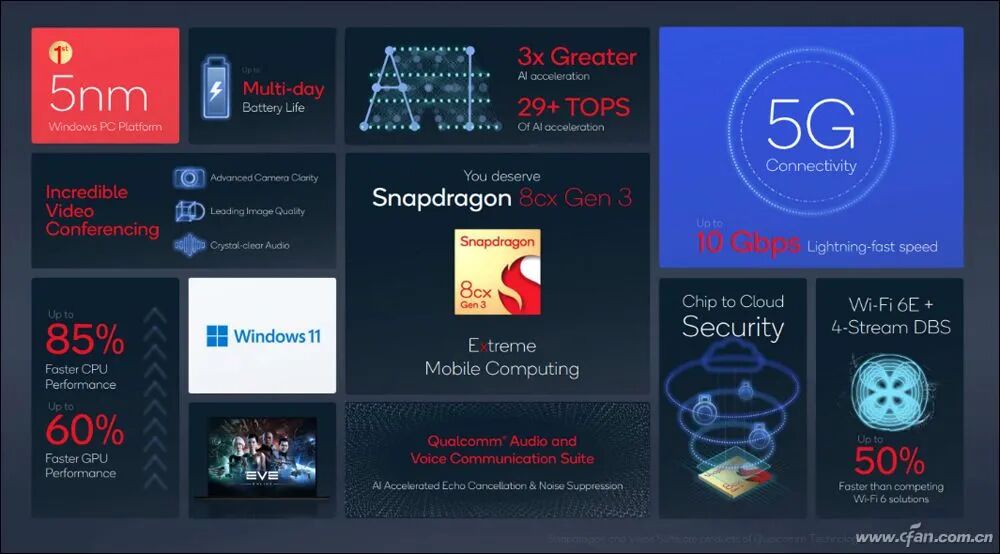 In simple terms, the Snapdragon 8cx Gen3 uses a 5nm process technology, consisting of 4 Cortex-X1 super cores and 4 Cortex-A78 large cores, with a total cache of up to 14MB, including 8MB L3 and 6MB system cache. It is worth noting that even the Snapdragon 888 only has 1 Cortex-X1, and the Snapdragon 8 Gen1 only has 1 Cortex-X2. The higher number of super cores (without the Cortex-X55 small cores dragging it down) gives the Snapdragon 8cx Gen3 a stronger performance foundation.
 Official data shows that the Snapdragon 8cx Gen3 has a 40% improvement in single-core performance and an 85% improvement in multi-core performance compared to the previous generation.
 Meanwhile, the performance output of the Snapdragon 8cx Gen3 at 9W power consumption can rival that of a 22W Core i5, or at the same 15W power rating, it can outperform the Core i5 by 25%. Unfortunately, Qualcomm did not disclose which generation of Core i5 this refers to, but it is certainly not the latest 12th generation.
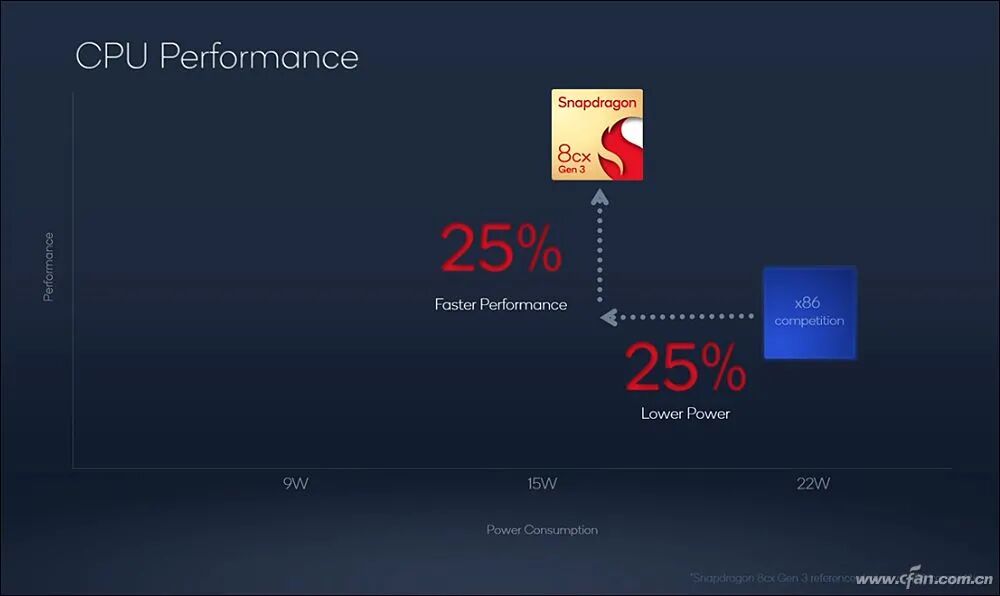 On the other hand, the integrated Adreno GPU of the Snapdragon 8cx Gen3 also has a 60% performance improvement, and it is officially stated that it can smoothly run 1080P 120FPS games, and in certain computational scenarios (such as the boxing game “Big Rumble Boxing”), the battery life is increased by 50% compared to x86 platforms, allowing devices equipped with it to achieve over 25 hours of battery life.
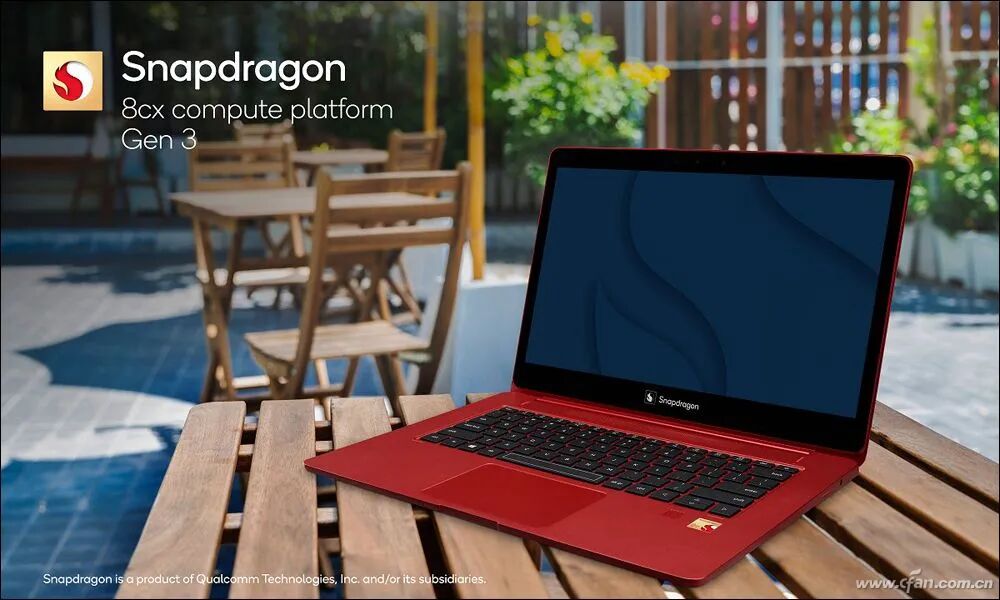 Of course, the higher number of super cores and large cores also means that devices equipped with the Snapdragon 8cx Gen3 must adopt an active cooling design, which means they must be paired with cooling fans. Without fans, a large area of VC heat spreader is also required, so smartphones and tablets are out of the question; the Snapdragon 8cx Gen3 is destined to be exclusive to ultra-thin, fanless laptops.In other aspects, the Snapdragon 8cx Gen3 can be paired with Qualcomm’s X55, X62, or X65 modems according to OEM manufacturers’ costs and needs, with an AI computing power of 29+ TOPS, which is three times that of the previous generation. This platform also supports LPDDR4X memory, 4K HDR, and up to 4 cameras, with a maximum of two external 4K displays, providing audio features optimized for video calls and remote meetings, as well as security features from cloud to local (such as the TPM required for Windows 11).
 In terms of specifications and performance, the Snapdragon 8cx Gen3 has at least reached the level of Apple’s first-generation M1 chip. However, how much actual performance it can deliver and the real user experience will depend on whether the Windows 11 on ARM system is effective, as software compatibility and execution efficiency are actually more important than the performance of the Snapdragon 8cx Gen3.Entry-Level Choice: Snapdragon 7c+ Gen3In addition to the Snapdragon 8cx Gen3, Qualcomm has also customized the third-generation Snapdragon 7c+ Gen3 mobile platform for entry-level Windows PCs and Chromebook laptops.
 In simple terms, the Snapdragon 7c+ Gen3 uses a 6nm process technology, with single-core and multi-core performance improvements of up to 30% and 60% compared to the previous generation, and the new generation AI engine can provide 6.5 TOPS of computing power.
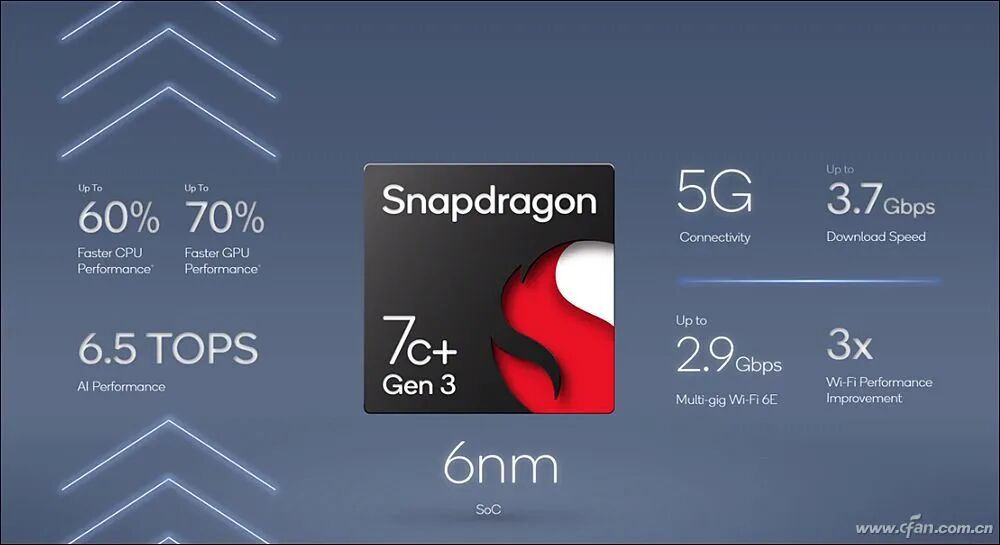 The Snapdragon 7c+ Gen3 supports dual-channel LPDDR4X-4266 or LPDDR5-6400 memory, PCIe NVMe SSD, eMMC 5.1, SD 3.0, UFS 2.1, and other storage specifications. It integrates the Snapdragon X53 modem and FastConnect 6700, supporting Sub-6GHz, millimeter-wave, Wi-Fi 6E, and Bluetooth 5.2.From the above parameters, the Snapdragon 7c+ Gen3 is likely an overclocked optimized version of the Snapdragon 778G, with performance comparable to the early Snapdragon 8cx Gen2.As always, the success or failure of Snapdragon laptops does not depend on their own performance, but on whether the Windows system optimization and software ecosystem can keep up.

Click “Read the original text” for more exciting content