Recently, while organizing the office desk, I suddenly discovered that my five-year-old laptop was protesting with the loud noise of its fan. Looking at its bulky body and the numerous ports filled with a docking station, I couldn’t help but ponder: should this traditional productivity tool really make way for more agile mini computer companions in 2024?1. Battle God Mini i7XP Mini Desktop Computer When I first opened this silver-gray small box, I was genuinely surprised by its volume of less than 0.8L. The i7-14700HX processor hidden inside the mini chassis seems to have undergone a spatial folding technique, with its luxurious configuration of 20 cores and 28 threads making this small machine perform rendering tasks like a lean athlete. The design of dual fans combined with a pure copper heatsink is very clever; I ran a video editing test for 3 hours continuously, and the body temperature remained comfortably within a range that could be held in the palm of my hand. Although the UHD integrated graphics are somewhat restrained in gaming performance, who would demand full functionality at a price point of 2600 yuan? What truly impressed me was its port layout—six USB-A ports resemble a surround workstation, combined with a separately powered Type-C port, allowing your desktop to instantly transform into a device command center. The recommended three-year comprehensive warranty service is like buying accident insurance for this athletic performer; after all, no one wants to see such a reliable work partner retire prematurely.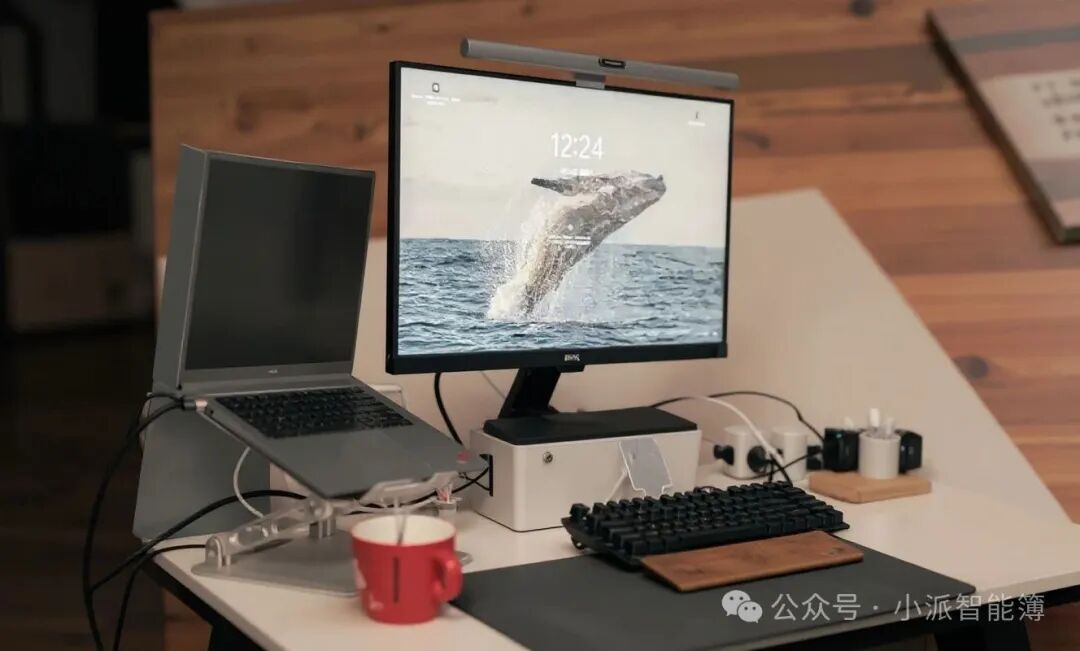 2. Lenovo Laiku MINI PRO When I connected this Ryzen 7 mini host to a 4K monitor, the delicate picture quality displayed by the Radeon 780M graphics card was impressive. The 5600MHz DDR5 memory acts like a turbocharger for the brain, handling 20 browser tabs and 3 design software applications with ease. The specially designed silent mode is tailor-made for night owls working overtime, with a running sound of 32 decibels that is softer than the night serenade of crickets outside. What surprised me the most was the dual network port design, a configuration in the mini computer world comparable to twin turbochargers in a sports car. When you need to connect to both the company intranet and the internet simultaneously, this small machine instantly transforms into a network engineer, reliably shouldering the responsibility of data transmission. The three-year warranty period is like a three-line love letter from the manufacturer to the user, with every word reflecting confidence in the product’s reliability.3. Anomaly D80 Mini This Intel contender proves that performance and size are not mutually exclusive with its fully unleashed i7-13620H processor. During testing, I found that when the 55W performance mode was activated, this CPU was like a cheetah awakened, leaving similarly priced laptops far behind in the Pr video export test. The dual M.2 slot design provides users with ample logistical support; just imagine the thrill of equipping it with two 2TB solid-state drives, akin to installing two digital libraries in your study. Although the number of ports is somewhat modest, I feel that this actually enhances its pure essence—users focused on core productivity needs do not require a plethora of colorful docking stations. The three-year warranty terms in the service policy feel more like the manufacturer saying, “Use it with confidence; if there are issues, it’s on me.” When I neatly arranged these mini computers on the desk, I suddenly understood the true meaning of “small but beautiful” in digital products. They do not need to fold like traditional laptops to please mobile scenarios; instead, they firmly root themselves on the desk, proving their worth as true productivity powerhouses with robust performance. In this era where remote work and mobile work intertwine, perhaps we really need to rethink: what kind of device form can perfectly accommodate the workflow of the digital age?