Catalog
CATALOG
PART .01 >>>>>>>>
Introduction
PART .02 >>>>>>>>
Product Overview
PART .03 >>>>>>>>
Classification Suggestions
PART .04 >>>>>>>>
Customs Tips
PART .01
Introduction
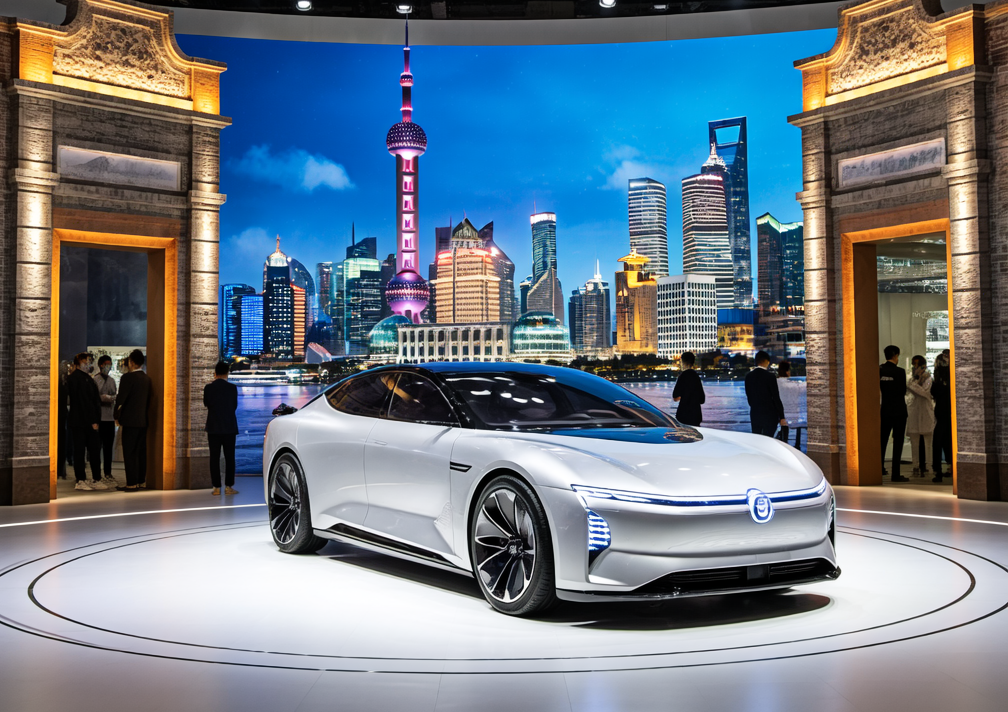
With the development of automotive intelligence and connectivity, in-vehicle displays have become the core medium for human-machine interaction. From curved central control screens to AR-HUD transparent displays, the “screen revolution” in smart cockpits is sweeping the industry. However, when importing these cool screens, do you find the classification direction unclear due to the variety of types? Today, we will explore the types of in-vehicle displays, helping you penetrate the technical fog and better understand the classification rules!
PART .02
Product Overview
Modern vehicle displays have evolved from a single dashboard to multi-screen interactive systems. Common types include central control displays, full LCD instrument panels, HUD head-up displays, streaming media rearview mirrors, and rear entertainment screens, covering various scenarios such as navigation, driving information, and entertainment interaction.
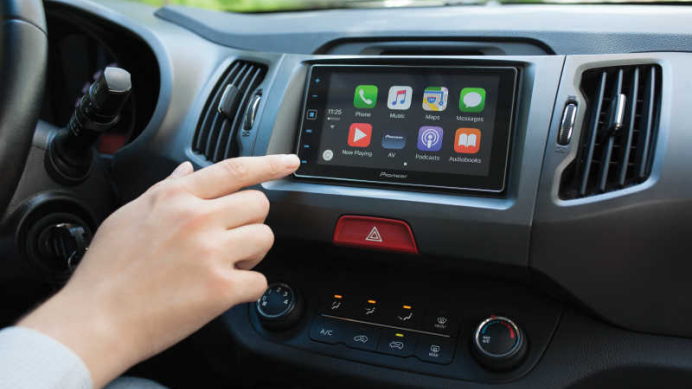
Central Control Display
As the core of in-vehicle interaction, it integrates functions such as navigation, entertainment, and vehicle settings.
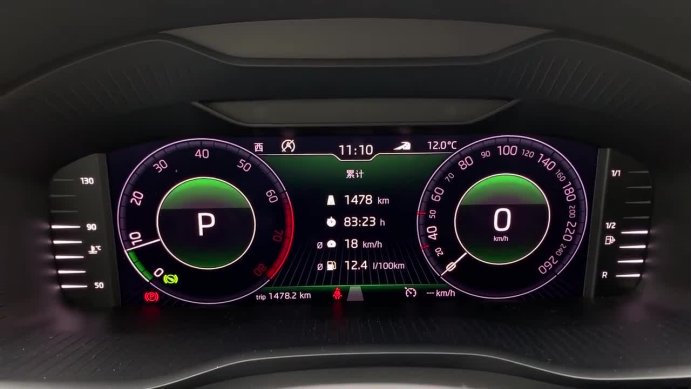
Full LCD Instrument Panel
Replaces traditional mechanical instruments and supports customizable interfaces.
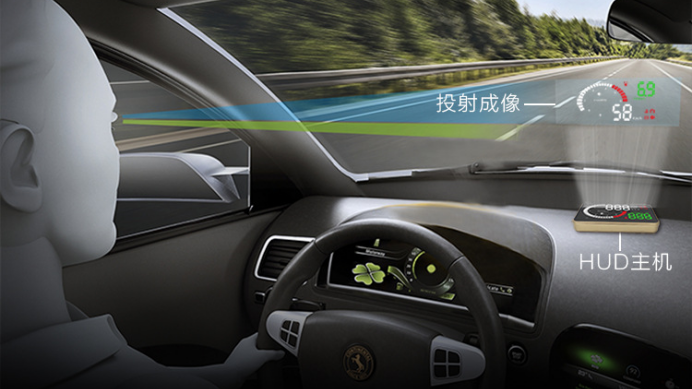
HUD Head-Up Display
Projects key information onto the windshield, reducing driver eye movement.
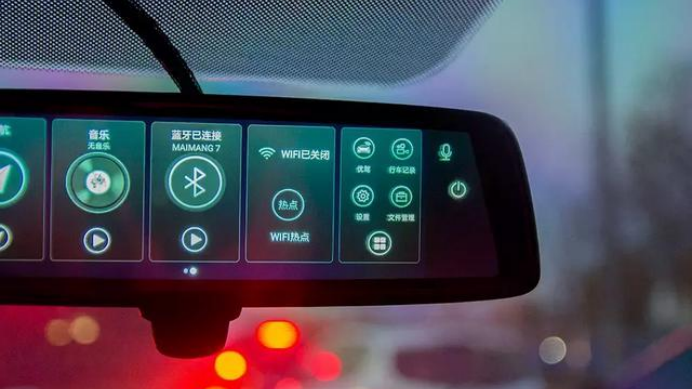
Streaming Media Rearview Mirror
Integrates functions such as navigation, entertainment, and vehicle settings.

Rear Entertainment Screen
Integrated into the back of the front seats, supporting audio-visual and screen mirroring functions.
PART .03
Classification Suggestions
The following classification suggestions are based on the analysis of certain in-vehicle display products. Due to the wide variety of in-vehicle displays, rapid technological iterations, and differences in the structure, function, and purpose of specific products, the final classification must be determined based on the actual state of the product and relevant customs regulations.
1. Head-Up Display (HUD)
This product generally consists of a TFT-LCD display panel, flat mirror, concave mirror, PCB board, and plastic casing. Its working principle is to receive signals from automotive sensors, analyze and calculate the data through internal integrated circuits, and display the final data and image information on the TFT-LCD display panel, which is then reflected and projected onto the windshield using flat and curved mirrors. This product is used to display speed, navigation, and other information on the vehicle’s windshield.
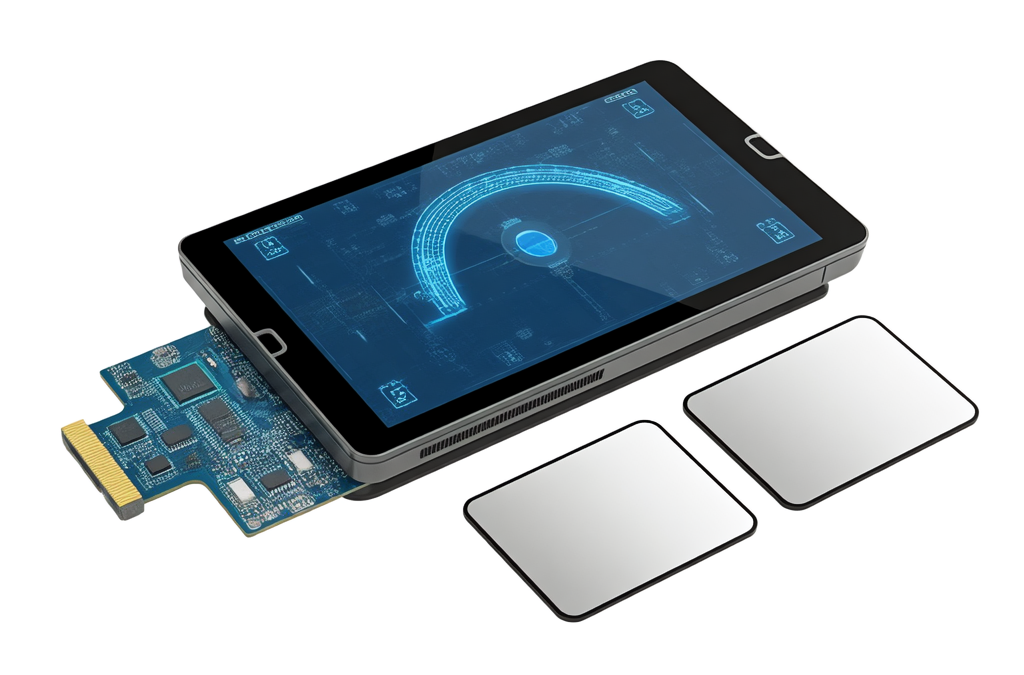
Classification Suggestion: 8708.2990
2. Multimedia Display Screen
This product generally consists of a capacitive touch screen, TFT display, membrane, printed circuit board, GPS signal receiver, navigation map matcher, protective bracket, and interface. Its working principle is to run different programs through its built-in control unit to achieve various control functions such as navigation and radio. This product is installed in the vehicle’s central console and can display information from the main control by directly connecting to the vehicle’s power supply.
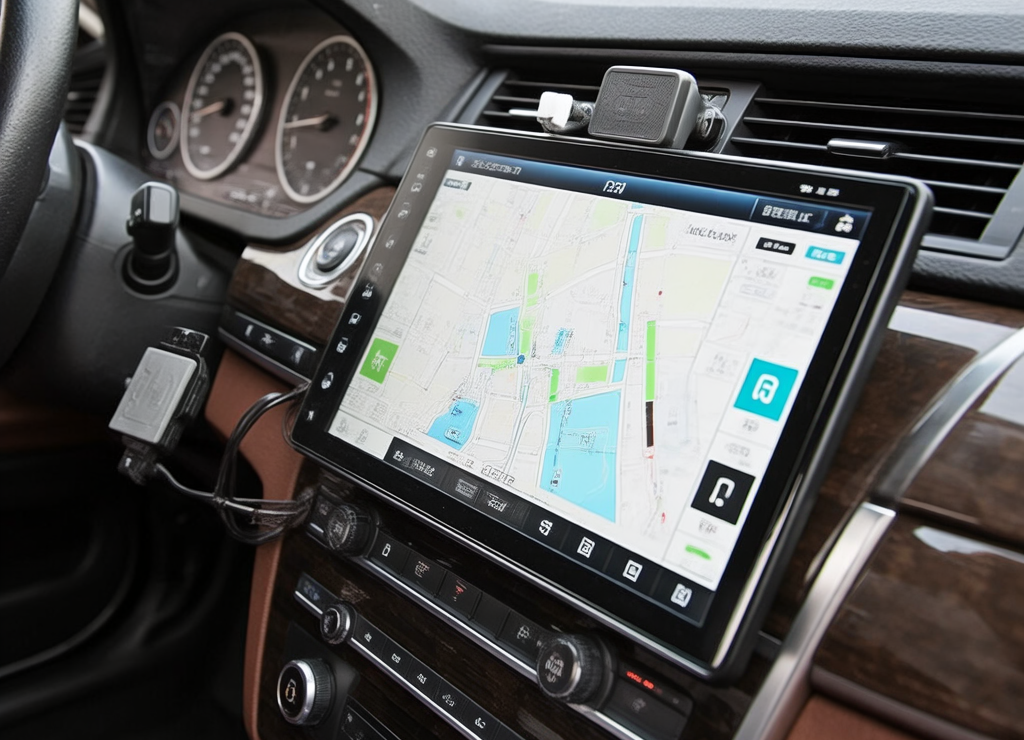
Classification Suggestion: 8708.2990
3. Touch Screen for Automotive Receivers
This product generally consists of a capacitive touch screen and a flexible control circuit board. The touch screen mainly consists of a polarizer, ITO glass, anti-reflective film, and foam adhesive, while the flexible control circuit board is made up of a blank circuit board, capacitors, resistors, ICs, etc. Its working principle is to work by detecting touch signals from fingers or other objects, transmitting coordinate information to the circuit board of the touch-sensitive LCD display. This product does not have a display function and is only used for touch input, making it versatile.
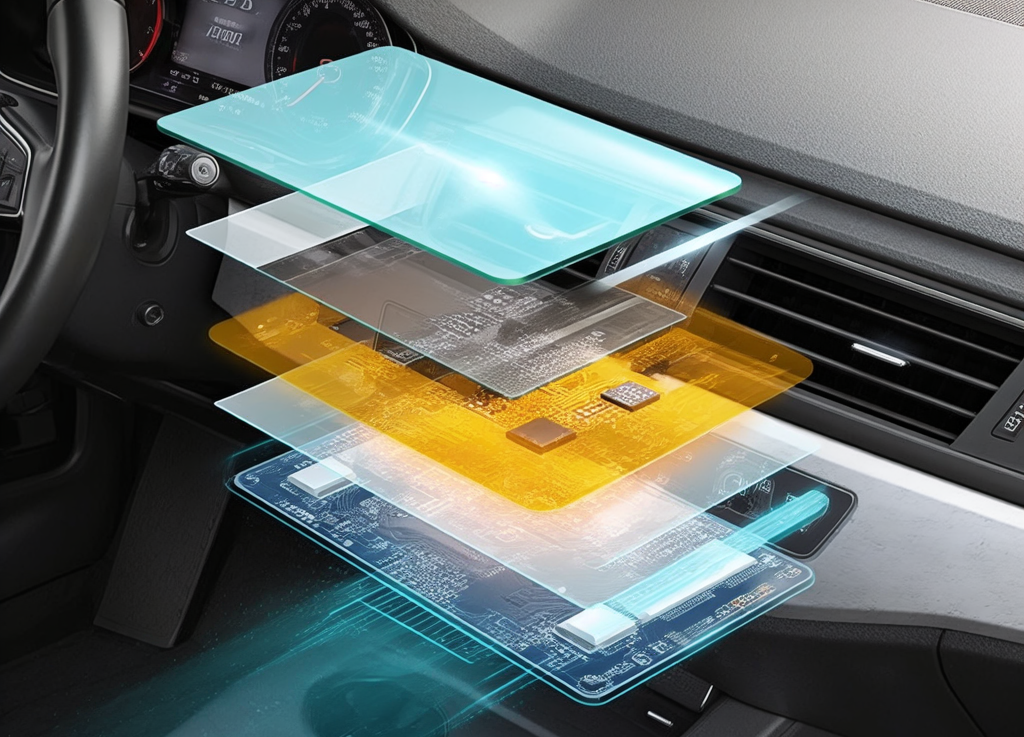
Classification Suggestion: 8548.0000
PART .04
Customs Tips
To meet the growing demand for smart driving and connectivity features in vehicles, in-vehicle display technology continues to evolve, and market demand is increasing, driving the import and export trade of related products to become more active. Customs reminds import and export enterprises and individuals to understand the product situation in advance, accurately classify, and ensure compliance with import and export regulations. (Classification suggestions and images are for reference only; legally binding classification criteria should be based on relevant laws, regulations, and official documents from the General Administration of Customs.)

END