At the Guangzhou Pazhou International Convention and Exhibition Center,the Changan Automobile booth was crowded, with the crowd straining to see not the new car models, but the hovering flying backpacks and the dancing automotive robots. These sci-fi scenes are becoming production timelines on corporate planning sheets at the 2025 Guangzhou International Auto Show, which opened on November 21.
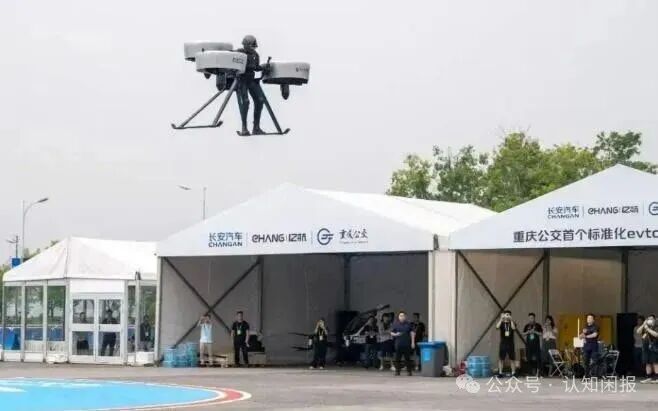
The flying backpack, referred to by staff as a “portable low-altitude commuting device,” features a silver shell encasing a compact propulsion system. The display data indicates a maximum speed exceeding 60 kilometers per hour, a range of about 20 minutes, and a designed flight altitude of up to 1000 meters. Engineers demonstrated the storage process, showing that it can easily fit into the trunk of a regular sedan when folded and supports in-car charging. This design, aimed at urban short-distance travel, clearly targets the self-driving travel enthusiast demographic.
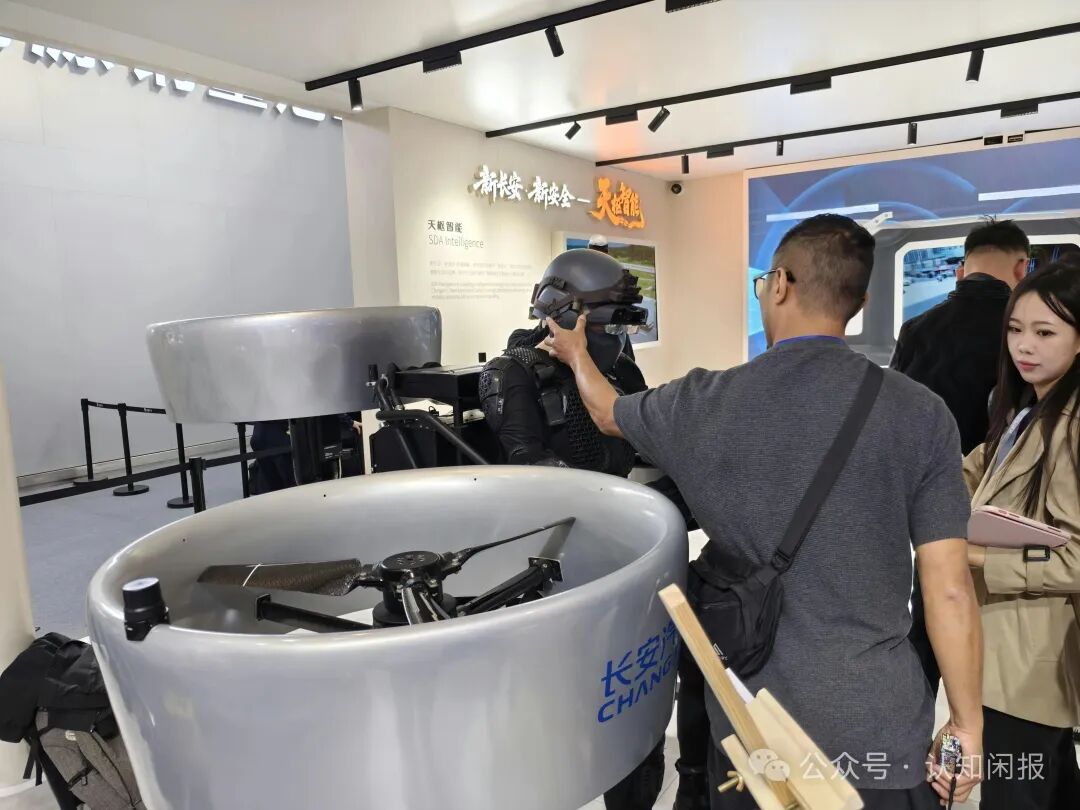
On-site engineers revealed that a commercial version of this system is planned for release in 2026.Changan Automobile engineer Lei Liang previously explained to the media that similar products abroad are mostly used in military applications and are complex to operate, while Changan’s three-channel wearable flying backpack simplifies the control logic, allowing ordinary people to master it with training. A demonstration video played on a loop at the booth showed a tester hovering and turning over a lake while wearing the device, moving smoothly as if playing a virtual reality game.
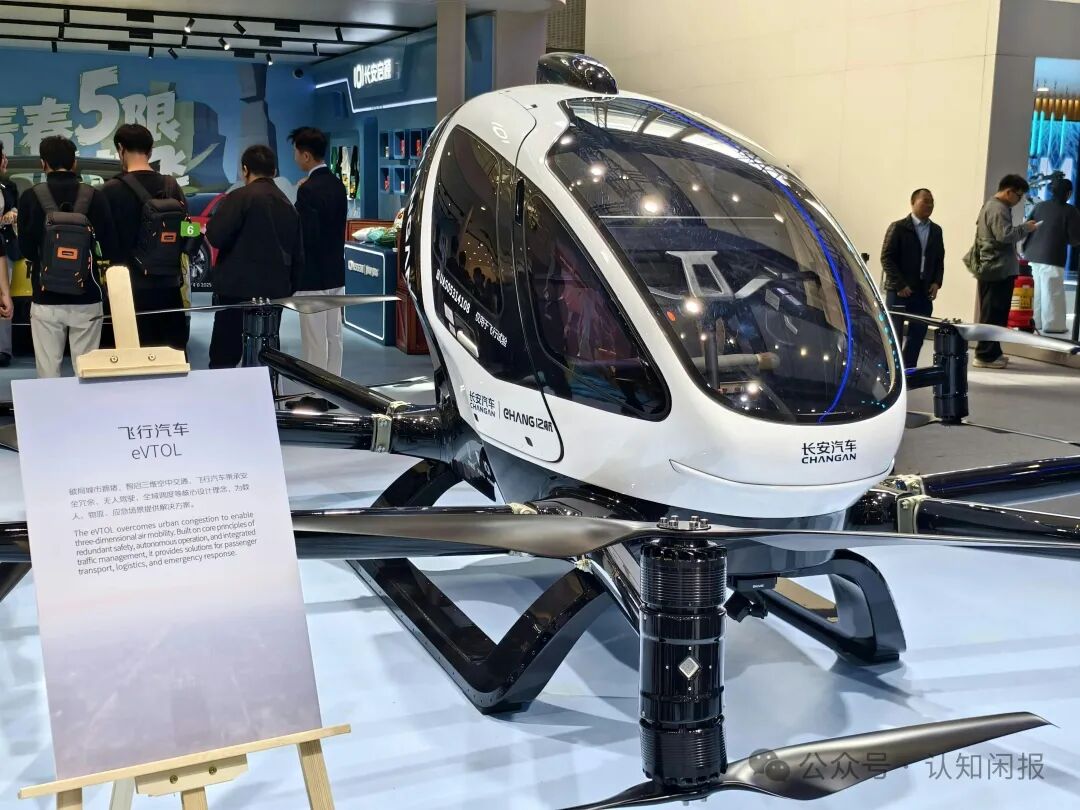
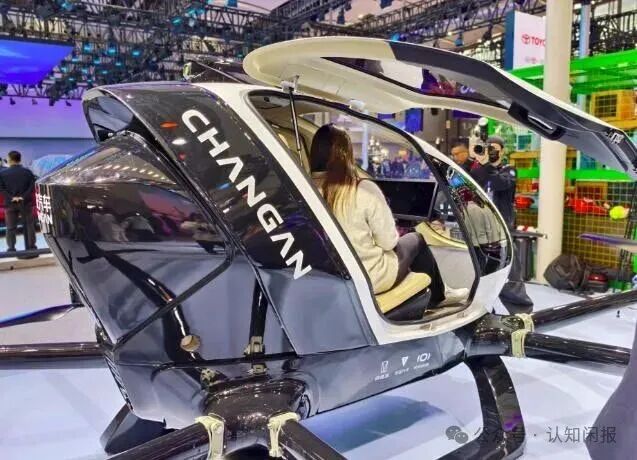
Ten meters away from the flying backpack area, a flying car, shaped between a drone and a sedan, attracted more professional spectators. The eight arms and sixteen rotors distributed around the body suggest vertical takeoff and landing capabilities, with a parameter board indicating a maximum range of 30 kilometers and a top speed of 130 kilometers per hour. Staff added that this model has integrated an AI autonomous driving system, with test flights planned to be completed by the end of this year and product launch before 2026. Changan Automobile Group stated that it will invest over 20 billion yuan in the low-altitude economy sector over the next five years.
The real highlight of the event was the automotive robot in the center of the booth. This silver and white humanoid robot can not only make a “V” sign with its mechanical arm but also flexibly move its joints to the rhythm of dynamic music.When it suddenly nodded to the front-row audience, it elicited laughter and the sound of cameras clicking. Technicians introduced that these robots are designed to assist fatigued drivers during long-distance driving and even interact with passengers through voice—though currently, the dancing function seems more like a demonstration of motion control precision.
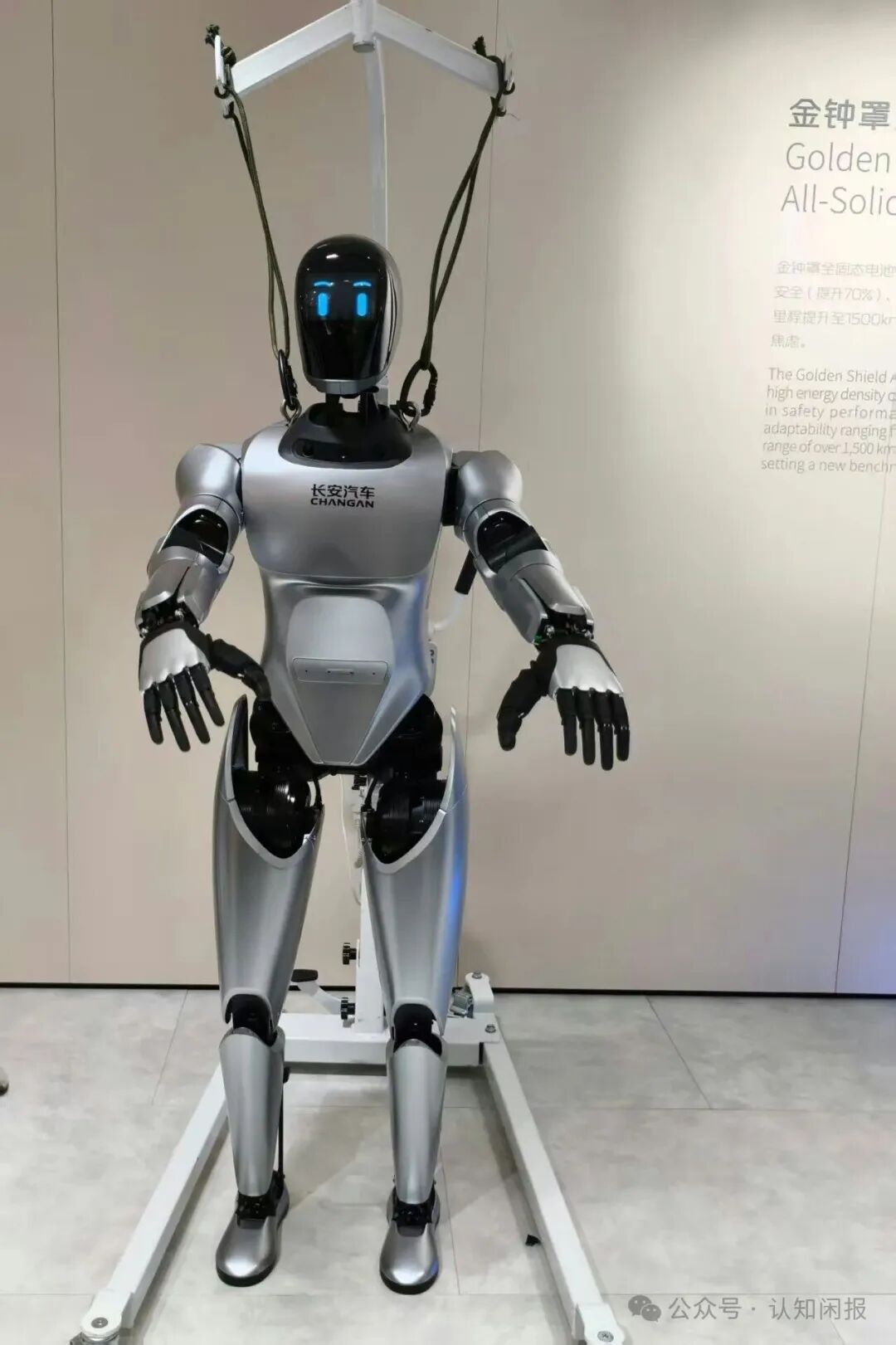
Changan Automobile clearly stated in its planning released at the beginning of the year that humanoid automotive robots have entered the dedicated scene testing phase, and the company is promoting the project through open sourcing and accelerated talent acquisition. A small note on the exhibition board revealed: the plan is to achieve mass production of these robots by 2028. This showcase, which integrates aerial traffic and artificial intelligence, evokes scenes from sci-fi movies, but the timeline provided by the exhibitors reflects a pragmatic pace in the industry.
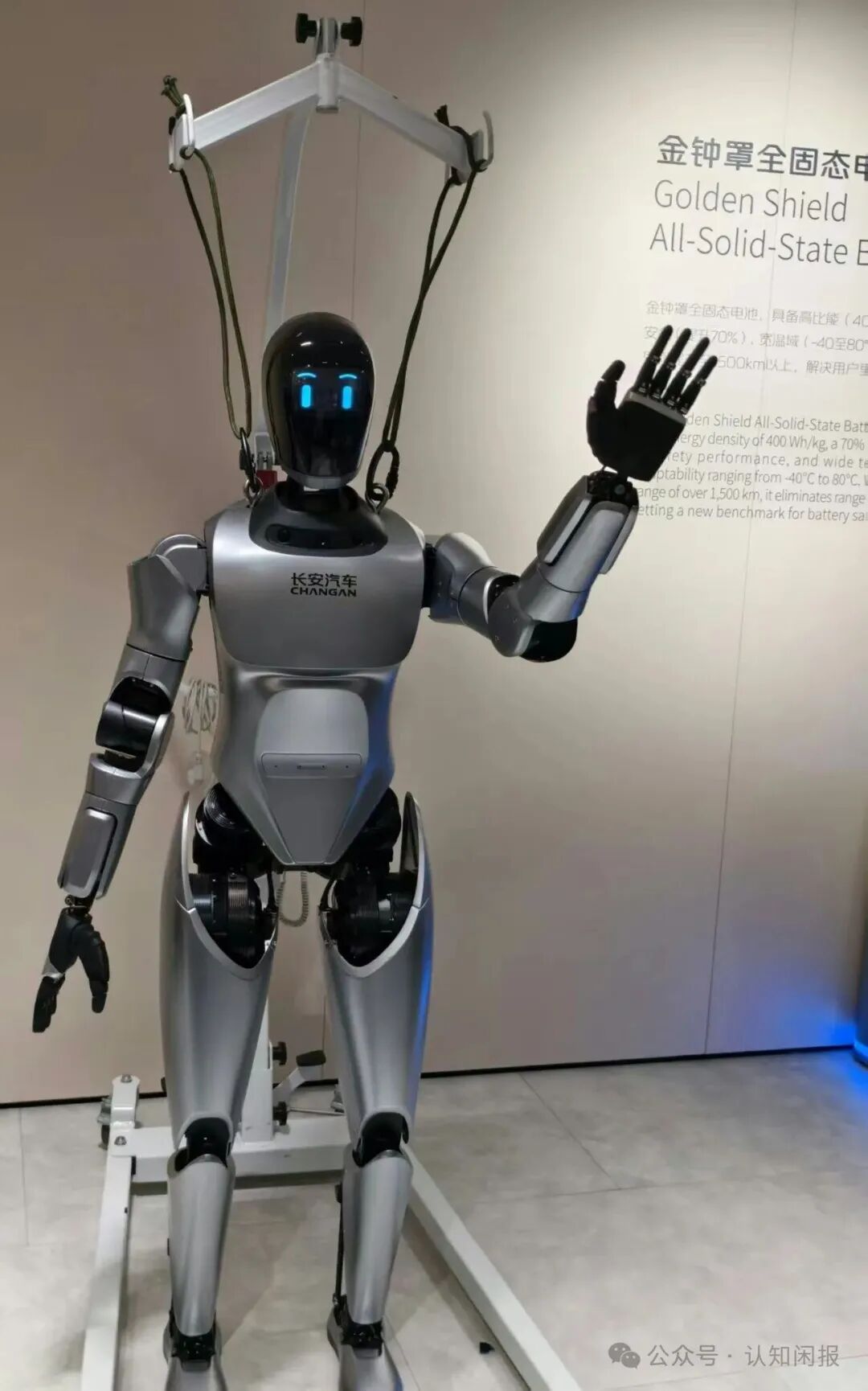
Despite murmurs among the onlookers about the safety of the flying backpack, booth staff repeatedly emphasized that all products have undergone rigorous testing. An audience member wearing an engineering safety helmet, after trying out the flying car cockpit, exclaimed: “What we see at the auto show is not just cars, but future transportation solutions.” He may not be wrong; as automotive companies begin to discuss air traffic planning, the boundaries of traditional auto shows are being redefined.
Feel free to share your thoughts in the comments, like! Follow! Share with friends!