Essential training for fire safety warnings
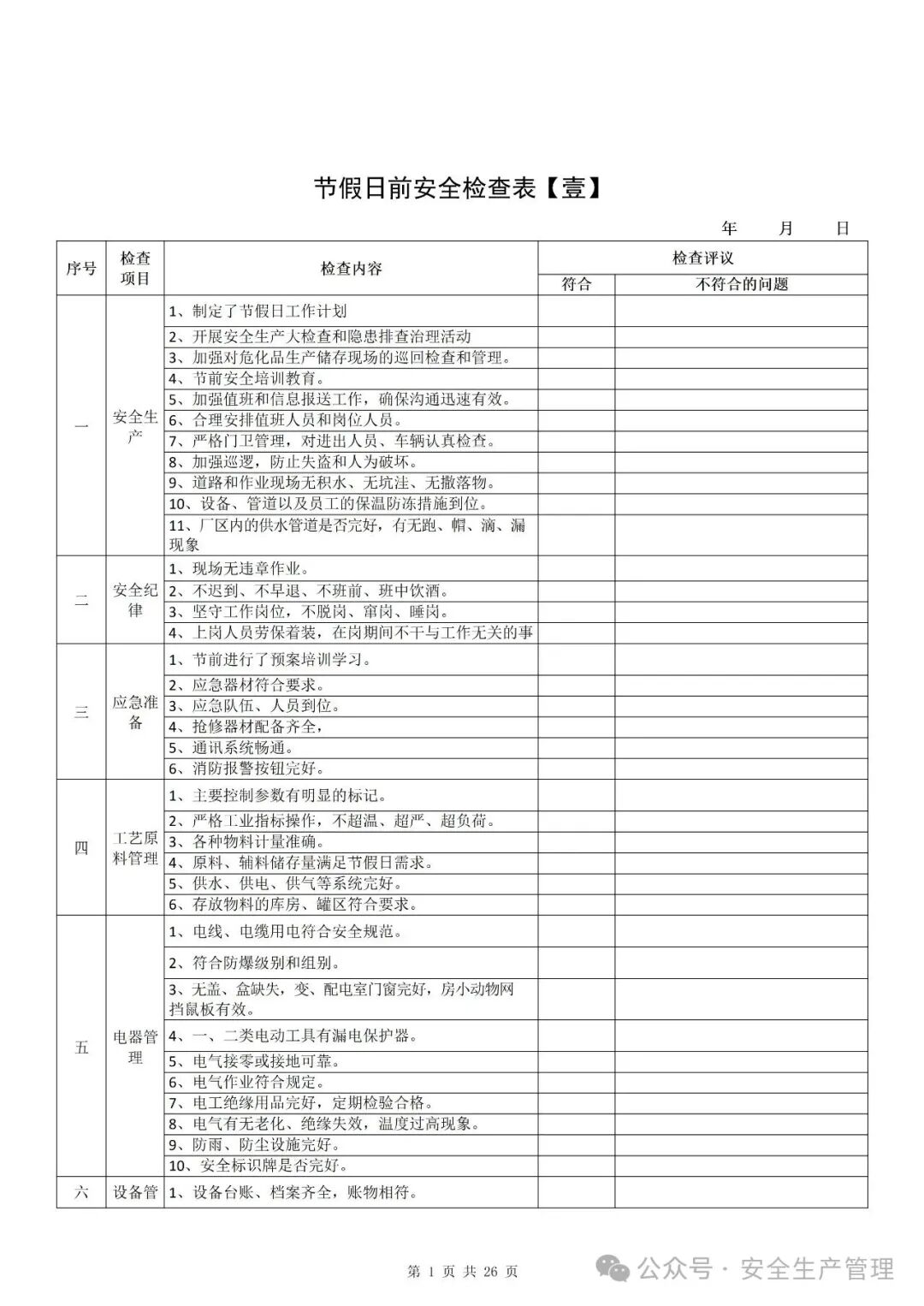
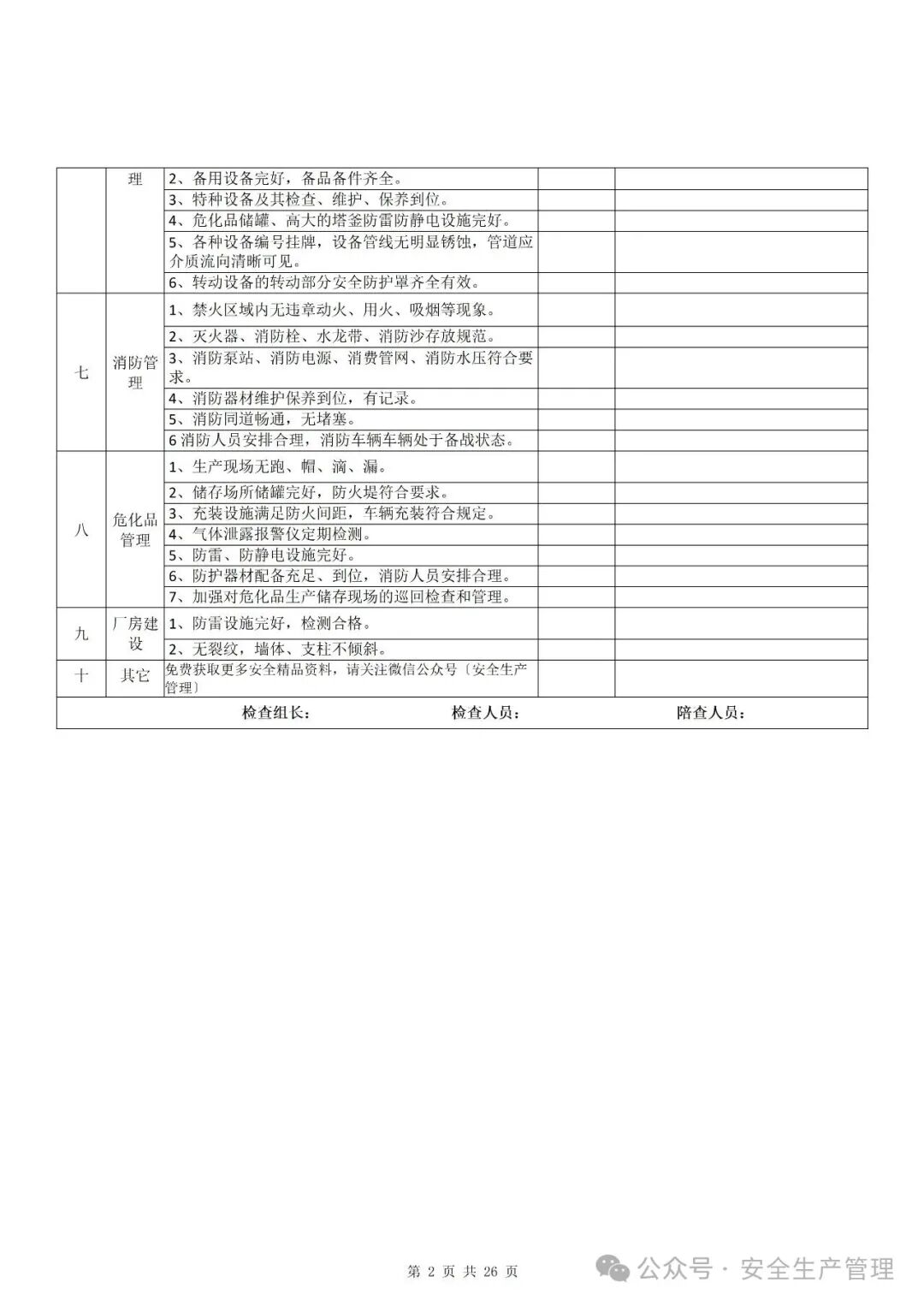
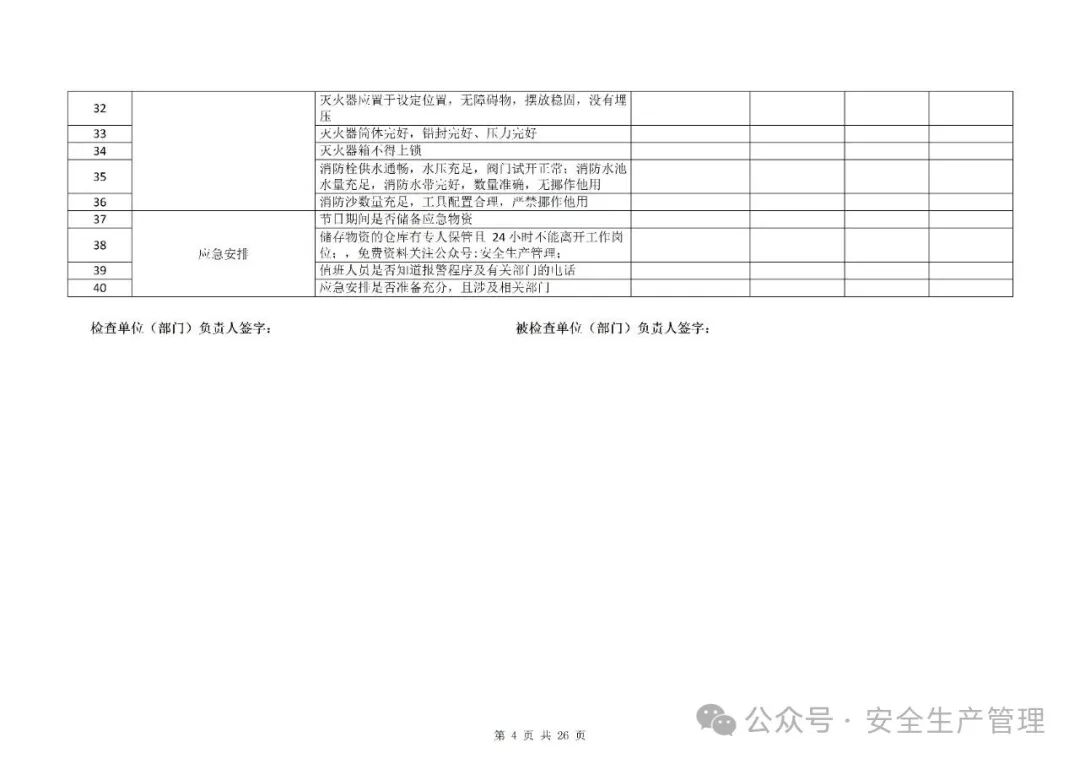
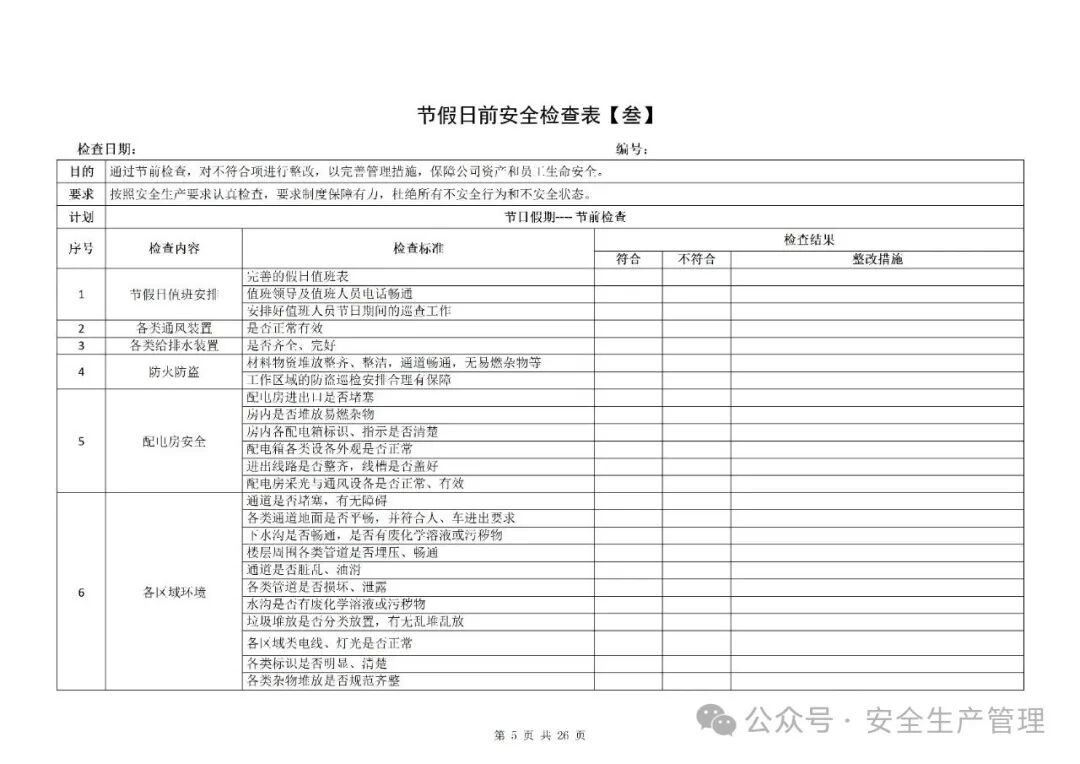
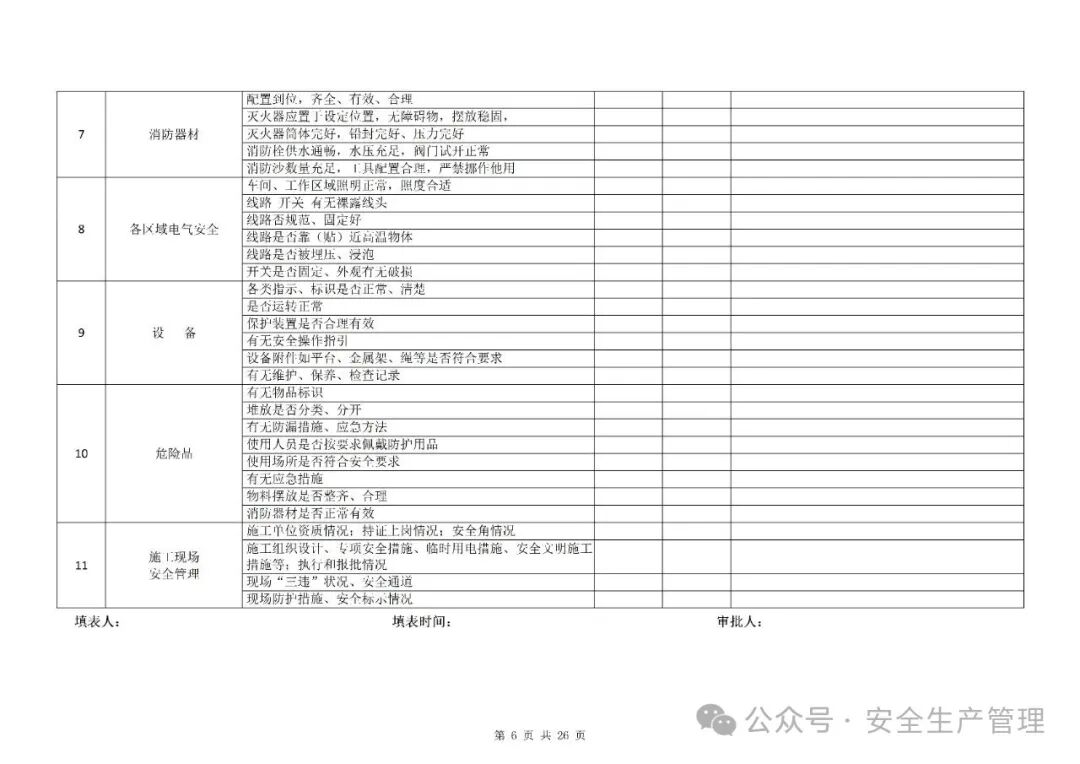
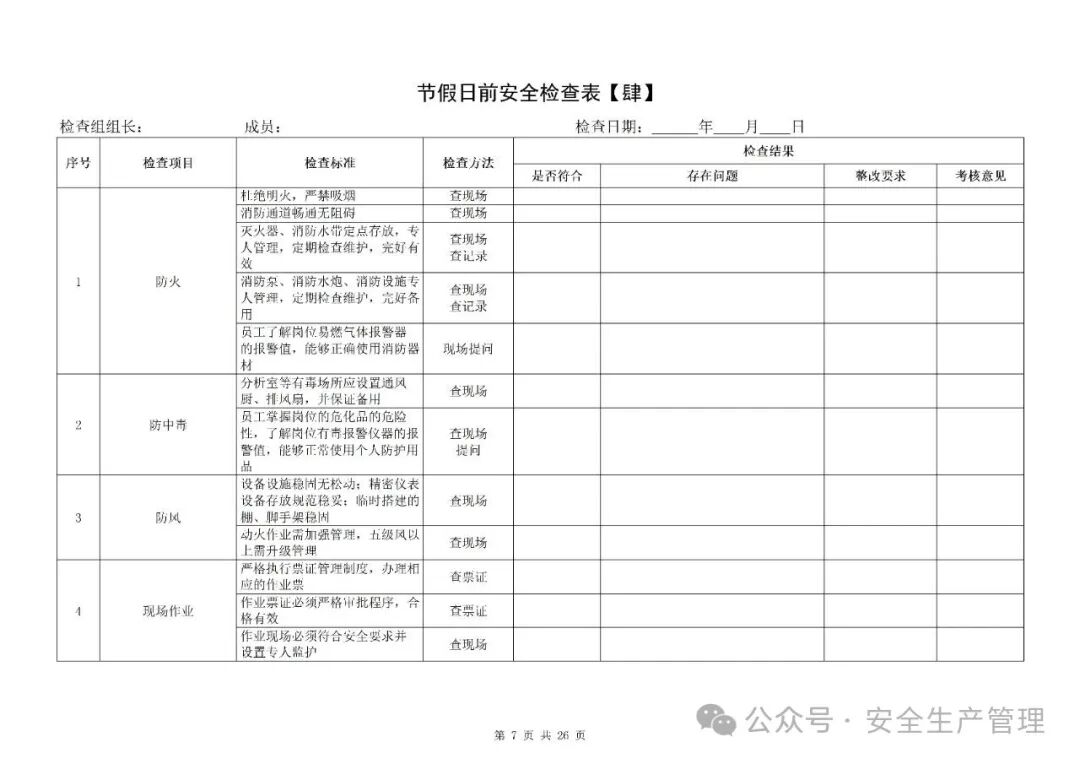
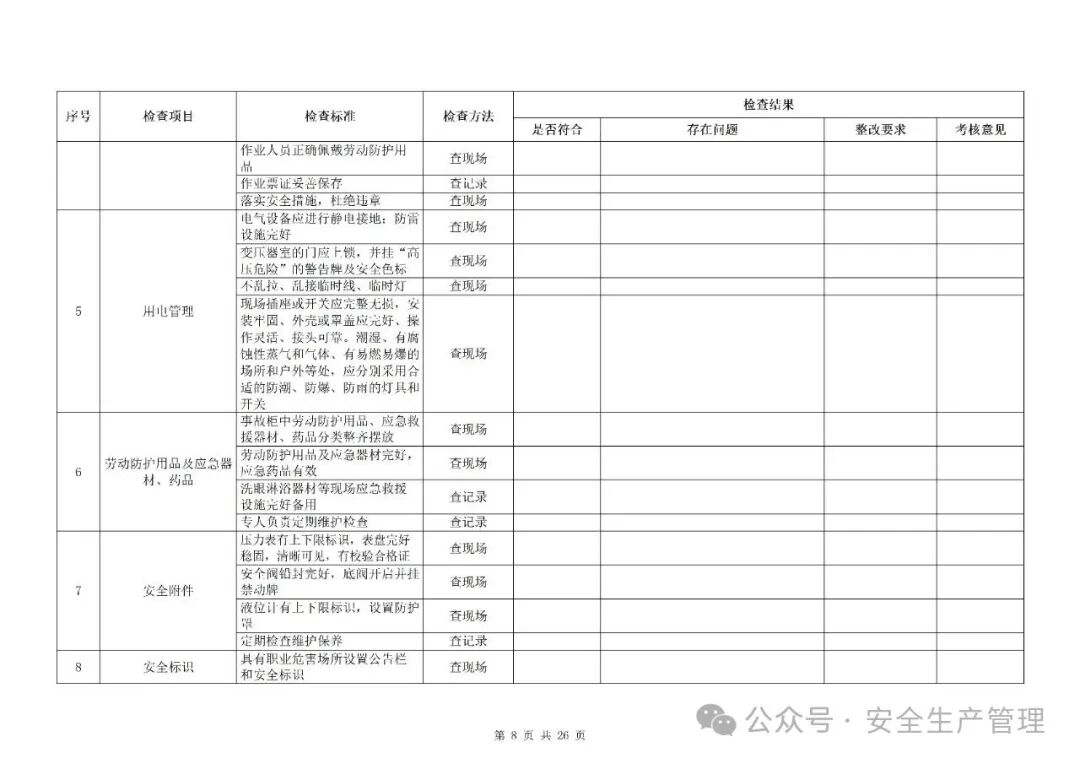
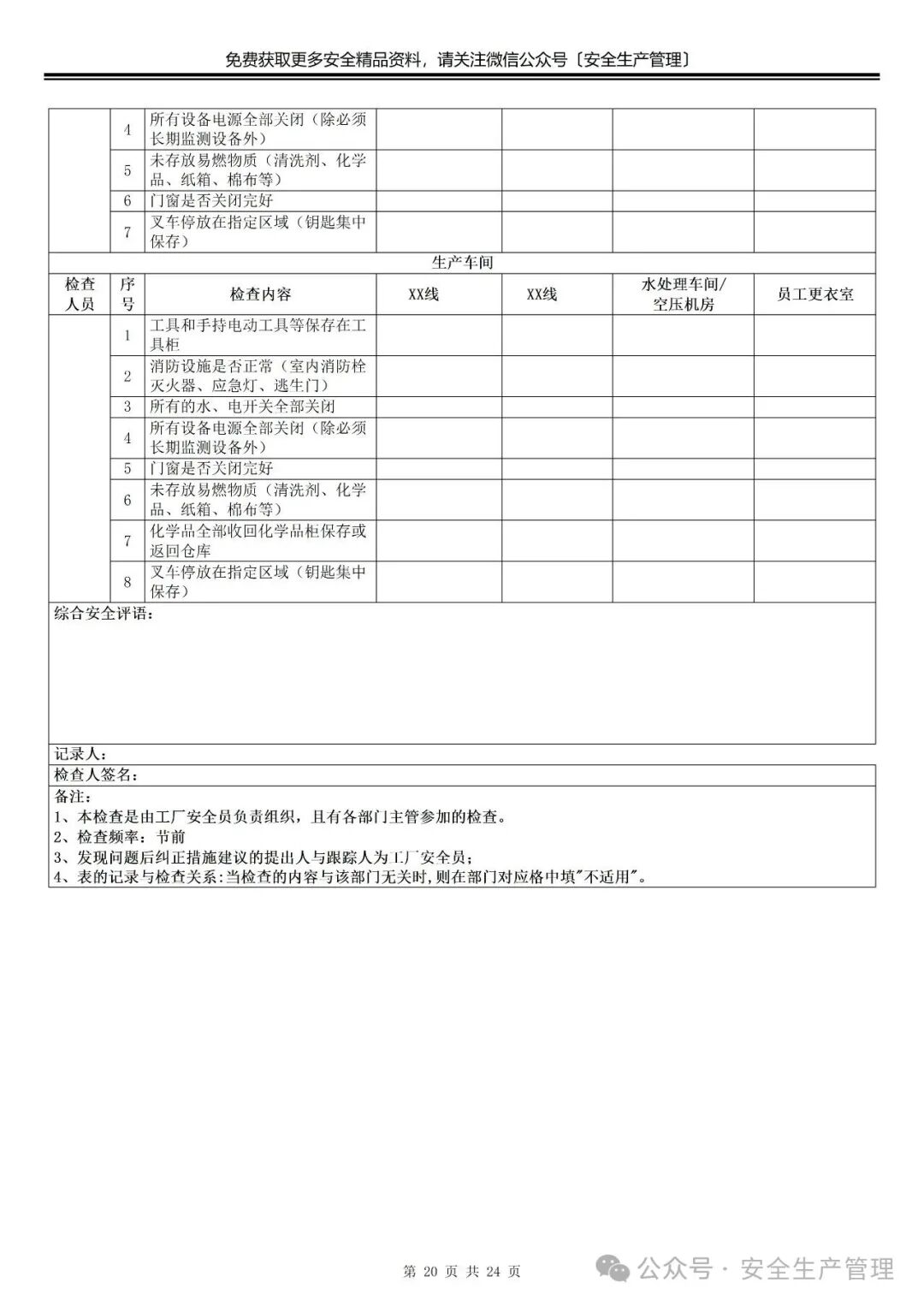
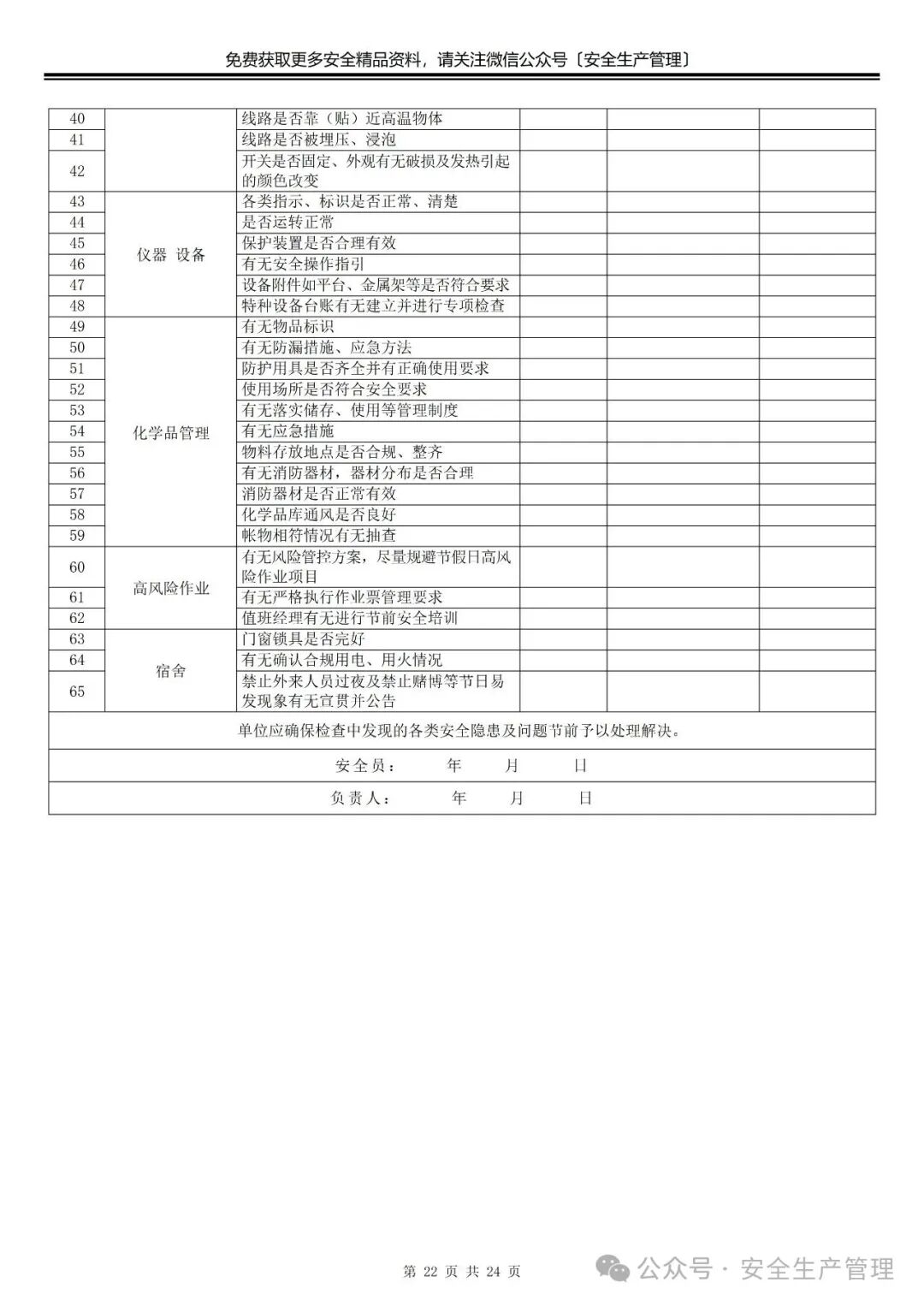
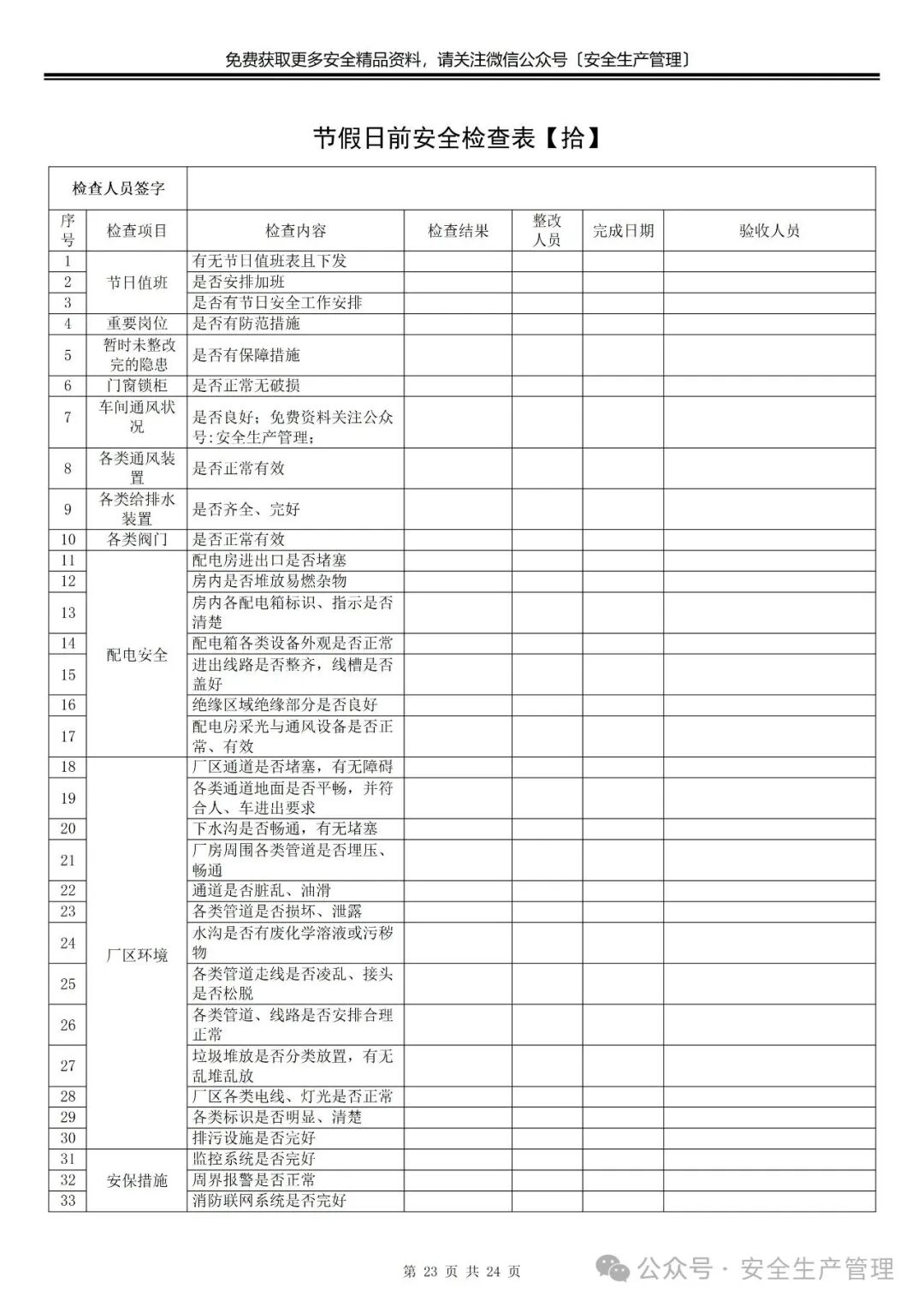
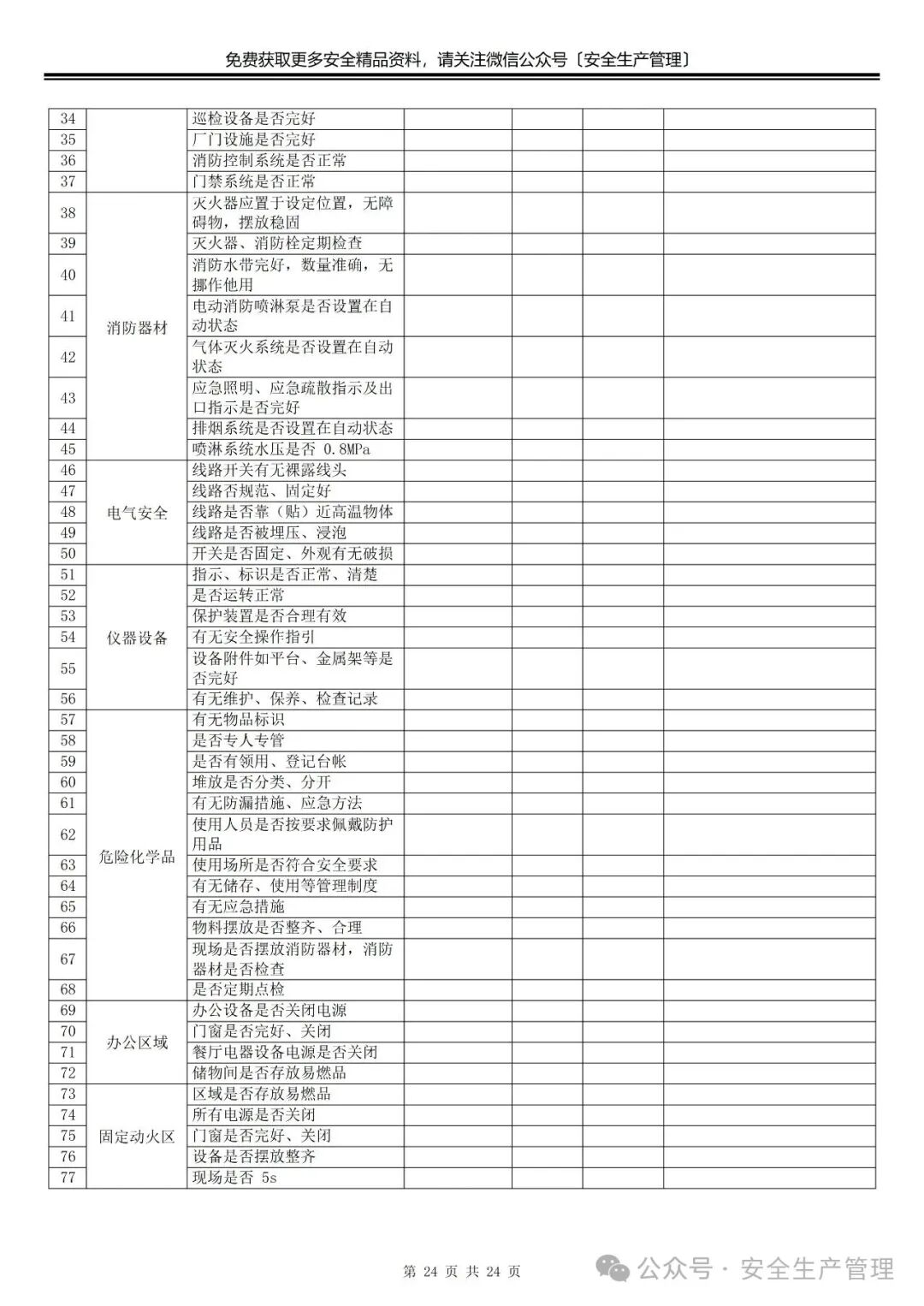
Pre-festival safety inspections are crucial for ensuring the safety and stability of production, life, and public order during the holiday period. The focus of inspections varies across different scenarios (such as enterprises, public places, and homes), but the core objective is to identify hazards and prevent accidents. Below, we detail the important content of pre-festival safety inspections across several common scenarios:1. Safety Inspections for EnterprisesEnterprises should conduct targeted inspections based on their industry characteristics (such as manufacturing, chemicals, construction, etc.), focusing on:1. Safety of Production Facilities and EquipmentOperational Status Check: Are there any abnormal sounds, overheating, or oil leaks from the equipment? Are special equipment (elevators, cranes, etc.) within the inspection qualification period, and are safety accessories complete and effective?Maintenance Records: Are daily maintenance and regular inspections conducted as required, and are the records complete?Emergency Shutdown Devices: Are they sensitive and reliable, and are the labels clear?2. Fire SafetyFire Safety Equipment: Are fire extinguishers, fire hydrants, fire hoses, emergency lighting, and evacuation signs intact and effective? Is the quantity sufficient, and is the pressure normal? Are the regular inspection records complete?Evacuation Routes and Exits: Are they unobstructed, with no clutter? Are safety exits locked, and are the signs obvious?Electrical Fire Safety: Are wires and cables aging or improperly connected? Is the distribution box (cabinet) clean, with no unauthorized items stored? Are electrical devices in explosive areas compliant with regulations?Hot Work Management: Are there any hot work operations during the holiday period? Are the approval procedures complete, and is firefighting equipment and personnel present on-site?3. Hazardous Chemicals Safety (for chemical, storage, etc. enterprises)Storage Management: Are hazardous chemicals stored according to their properties, away from fire and heat sources, and is the storage quantity compliant with regulations? Are there any leaks from storage tanks or containers, and are safety valves and pressure gauges normal?Usage and Transportation: Is the usage process compliant with operating procedures, and do transportation links have qualifications? Is the loading and unloading process standardized?Emergency Supplies: Are gas masks, protective clothing, and leak handling tools complete, and do employees know how to use them correctly?4. Personnel and System ManagementDuty Arrangements: Is the holiday duty schedule clear, are duty personnel familiar with emergency response procedures, and is communication smooth?Safety Training: Do employees have knowledge of safety in their positions and emergency skills (such as using fire extinguishers and evacuation procedures)?Hazard Rectification: Have hazards identified in previous inspections been rectified, and are there monitoring measures and emergency plans for those not rectified?2. Safety Inspections for Public Places (shopping malls, hotels, tourist attractions, etc.)1. Safety in Crowded AreasCrowd Control: Is there an emergency plan for peak crowd flow, and are there designated personnel to guide in congested areas such as entrances and elevator lobbies?Evacuation Capacity: Is the width of evacuation passages compliant with standards, and are temporary evacuation signs set up? Are there additional guiding personnel during holidays?2. Facility SafetyAmusement Facilities (at tourist attractions, amusement parks): Are large amusement facilities such as roller coasters and Ferris wheels inspected and qualified? Is there a pre-operation check conducted daily, and are safety protection devices reliable?Public Facilities: Are seats, railings, and steps sturdy, with no looseness or damage? Are elevators and escalators operating normally, with warning signs present?3. Food Safety (in dining establishments)Ingredient Management: Are the procurement channels for ingredients legitimate, are they within the shelf life, and is storage compliant with requirements (e.g., separating raw and cooked foods)?Operational Standards: Do employees have health certificates, is the processing compliant with hygiene standards, and is the disinfection of tableware adequate?4. Security PreventionSurveillance Systems: Are cameras fully covering the area and operating normally, and does the video storage time meet requirements? Security Personnel: Are they present and equipped with necessary security equipment, and are they patrolling?3. Safety Inspections for Construction SitesConstruction Area Protection: Are scaffolding and formwork supports sturdy, and are protective barriers and warning signs set up at openings (such as pits and staircases)?Lifting Machinery: Are tower cranes and construction elevators inspected and qualified? Are limit devices sensitive, and are wire ropes and hooks worn?Temporary Electricity: Is the distribution box rainproof and shockproof, are cables overhead or protected by conduits, and is it prohibited for non-electricians to connect wires?Pre-Holiday Work Stoppage Management: If work needs to stop, are unnecessary power sources cut off, are flammable materials cleared from the site, and are personnel assigned to guard, ensuring fire prevention, theft prevention, and flood prevention (during rainy seasons)?4. Home Safety InspectionsElectrical Safety: Check if wires and sockets are aging, if high-power appliances (air conditioners, electric heaters) are away from flammable materials, and if unnecessary power sources are turned off before leaving.Gas Safety: Check if gas pipelines, valves, and water heaters are leaking (can be checked with soapy water), if gas alarms are sensitive, and if valves are closed promptly after use.Fire Safety: Is there a fire extinguisher or fire blanket at home, is there clutter in the hallway affecting evacuation, and do you know the location of the community’s fire escape routes?Doors and Windows Security: Check if door and window locks are intact, lock doors and windows when going out, and store valuables properly.5. General Inspection PointsEmergency Plans: Is there an emergency plan for unexpected events during the holiday (such as fire, power outages, injuries), have drills been organized, and are emergency supplies sufficient?Communication Contacts: Are the contact details of relevant personnel and emergency departments (fire, police, hospitals) accessible and posted in prominent locations?Weather Preparedness: Are you monitoring weather warnings during the holiday (such as heavy rain, strong winds, high temperatures), and are measures in place for flood prevention, wind protection, and cooling?Through comprehensive and detailed pre-festival safety inspections, the risk of various safety accidents can be effectively reduced, providing a solid guarantee for safety and stability during the holiday period.