Some transistors exceed 50 billion in size, which are 10,000 times smaller than a human hair. They are made on the floors of massive ultra-clean factories, which can be seven stories high and as long as four football fields. Chips are the lifeblood of the modern economy in many ways. They power computers, smartphones, cars, appliances, and many other electronic products. However, since the pandemic, the global demand for them has surged, leading to supply chain disruptions and a global shortage.
This, in turn, has exacerbated inflation and raised alarms in the United States: the country is becoming overly reliant on overseas-manufactured chips. The U.S. accounts for only about 12% of global semiconductor manufacturing capacity; over 90% of the most advanced chips come from Taiwan.Silicon Valley giant Intel is trying to regain its long-standing lead in chip manufacturing technology, betting $20 billion to help alleviate the chip shortage. The company is building two factories at its chip manufacturing center in Chandler, Arizona, which will take three years to complete. Recently, the company announced potentially larger-scale expansion plans to establish new factories in New Albany, Ohio, and Magdeburg, Germany.Why does manufacturing millions of these tiny components mean constructing and spending so much? Some answers can be found by looking at Intel’s production plants in Chandler and Hillsboro, Oregon.
What is the role of chips?
Chips or integrated circuits began to replace bulky individual transistors in the late 1950s. Many of these tiny components are produced on a piece of silicon and work together. The resulting chips store data, amplify radio signals, and perform other operations; Intel is known for its various microprocessors that execute most of the computing functions of computers.
Intel has successfully shrunk the transistors on its microprocessors to incredible sizes. However, competitor TSMC can produce smaller components, which is a key reason why Apple chose TSMC to manufacture chips for its latest iPhone.
How are chips manufactured?
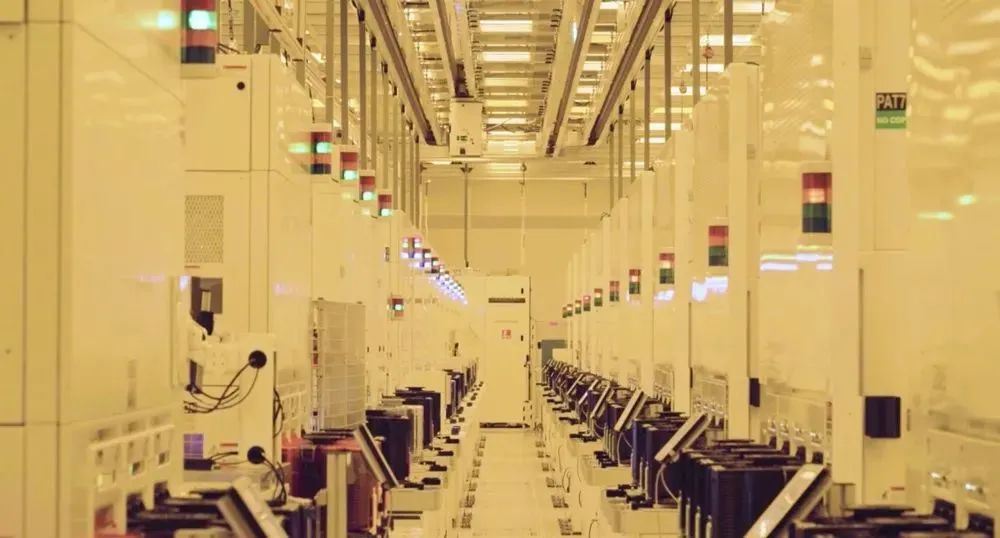
Rows of specialized machines receive containers filled with chips, which are moved in and out of these systems for processing.
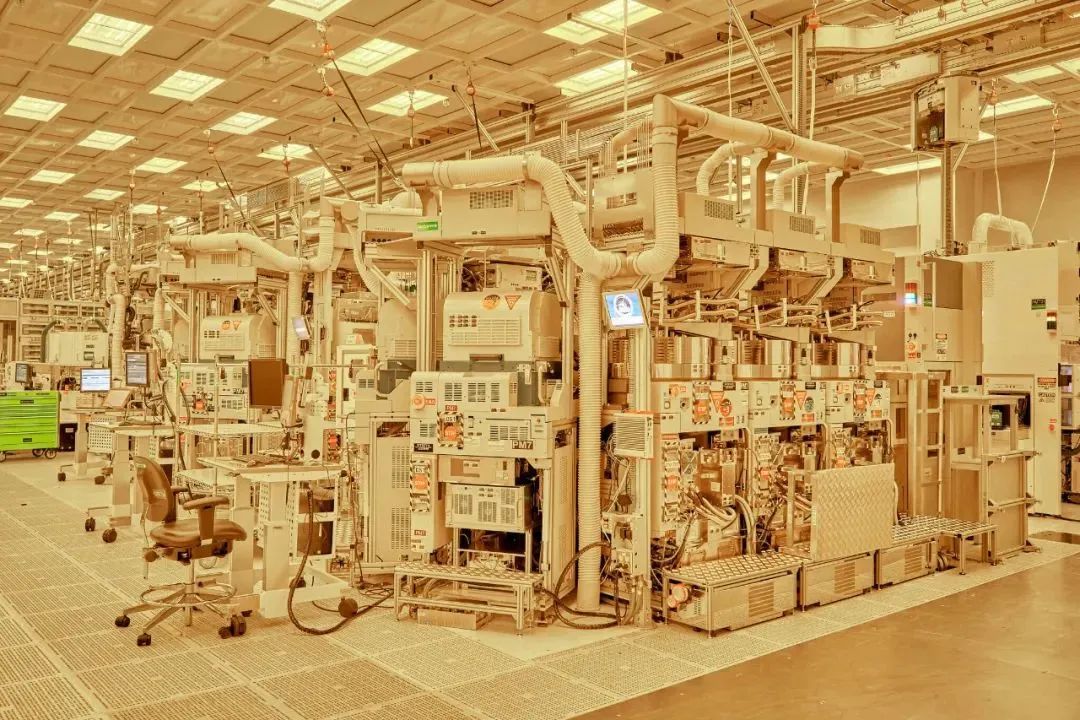
One of the machines is used to etch materials from silicon wafers during chip manufacturing.
Chip manufacturers are packing more and more transistors onto each silicon wafer, which is why technology increases every year. This is also why new chip factories cost billions of dollars, and few companies can afford it.In addition to building facilities and purchasing machines, companies must also spend huge sums developing complex processing steps to manufacture chips using wafer-sized silicon — this is why these factories are called “wafer fabs.”Massive machines design chips on each wafer and then deposit and etch layers of material to create transistors and connect them. In these systems, special pods on automated overhead tracks can transport up to 25 wafers at a time.Processing a wafer requires thousands of steps and can take up to two months. In recent years, TSMC has set the pace for output, operating “gigafabs” with four or more production lines. Dan Hutcheson, vice chairman of market research firm TechInsights, estimates that each factory can process over 100,000 wafers per month. He estimates that Intel’s two planned $10 billion factories in Arizona will have a monthly production capacity of about 40,000 wafers.
How chips are packaged
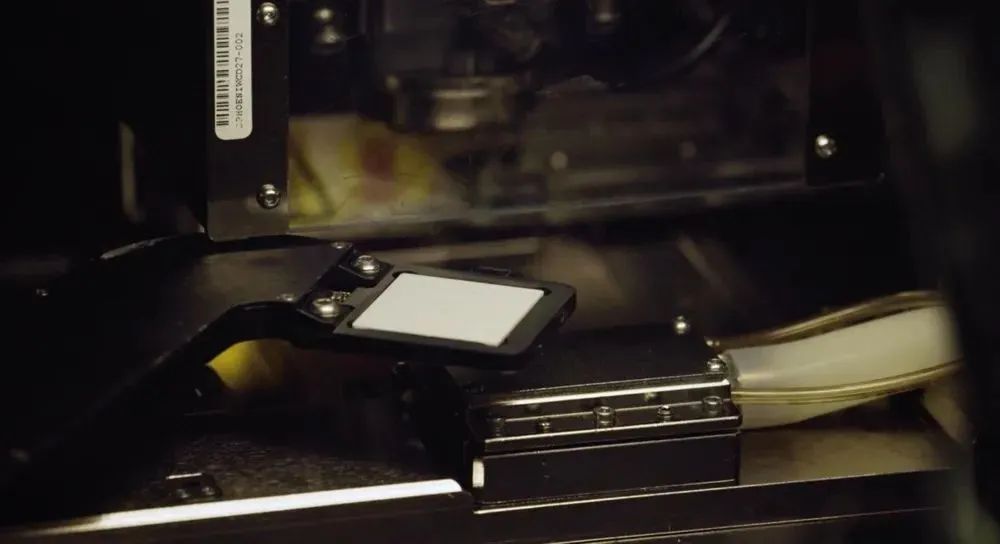
New technologies stack chips and then package them.

Individual chips are stored on tape and reels before packaging.
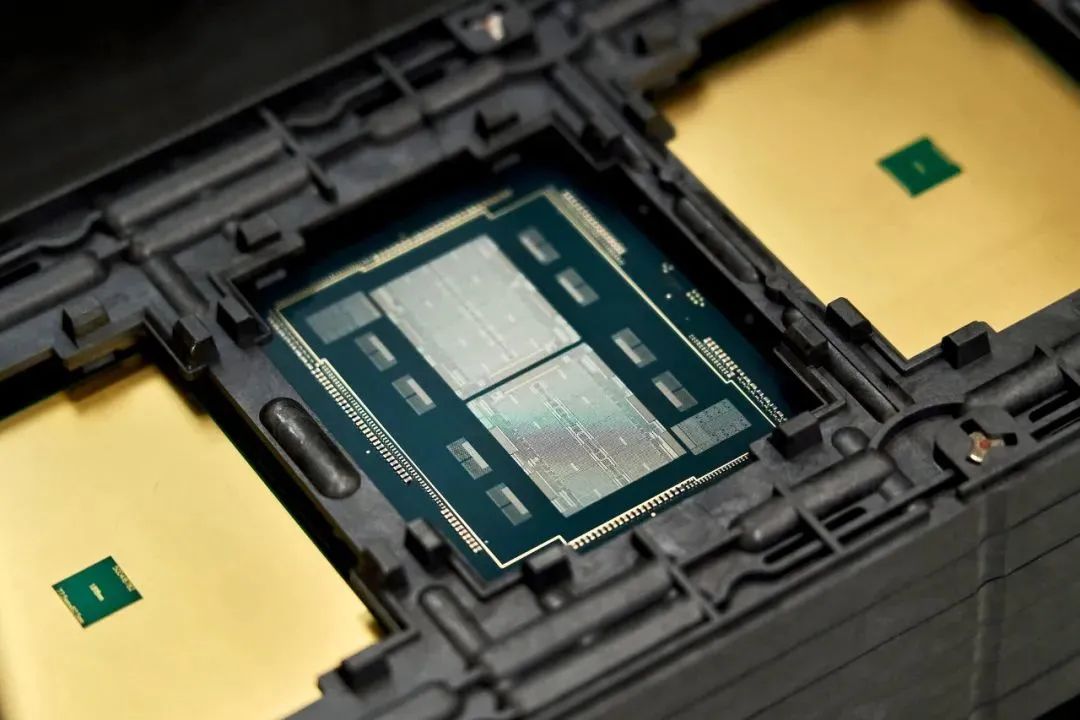
Chips will be attached to the packaging substrate.
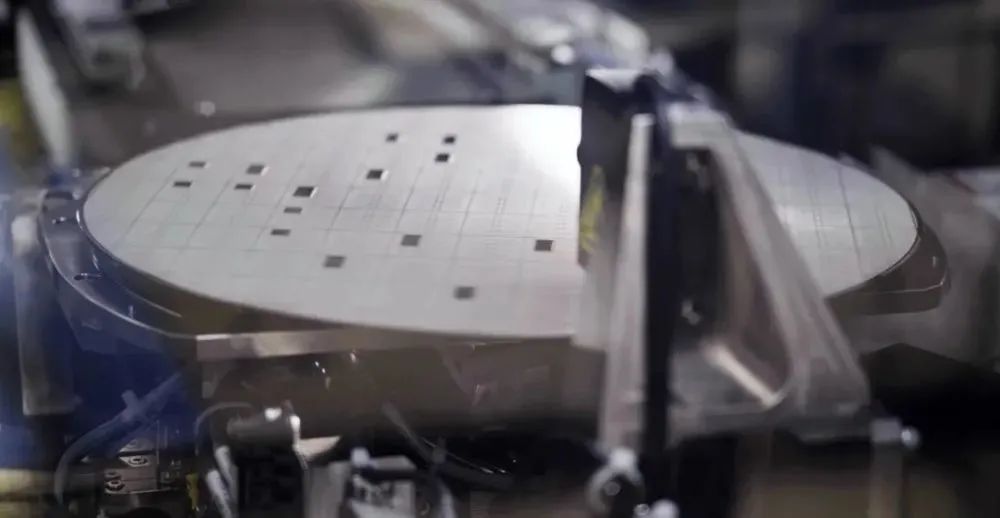 During packaging, small “chiplets” will be directly bonded to the wafer.
After processing, the wafer is cut into individual slices. These are tested and wrapped in plastic to connect to a circuit board or part of a system.This step has become a new battleground, as making transistors smaller is increasingly difficult. Now, companies are stacking multiple chips together or placing them side by side in a package, connecting them like a single silicon wafer.Today, packaging a small number of chips together has become routine, and Intel has developed an advanced product that uses new technology to bundle 47 individual chips together, including some manufactured by TSMC and others produced in Intel’s factories.
What makes chip factories unique
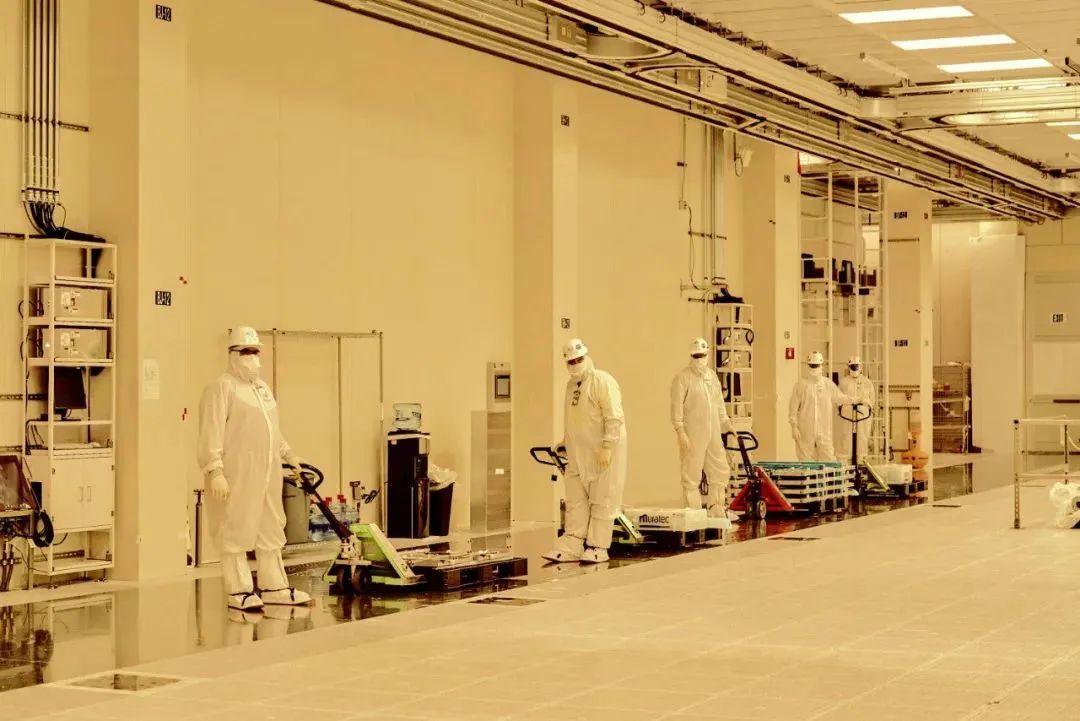
Intel employees wait to move tool parts in a cleanroom at Intel’s Hillsboro campus in Oregon.
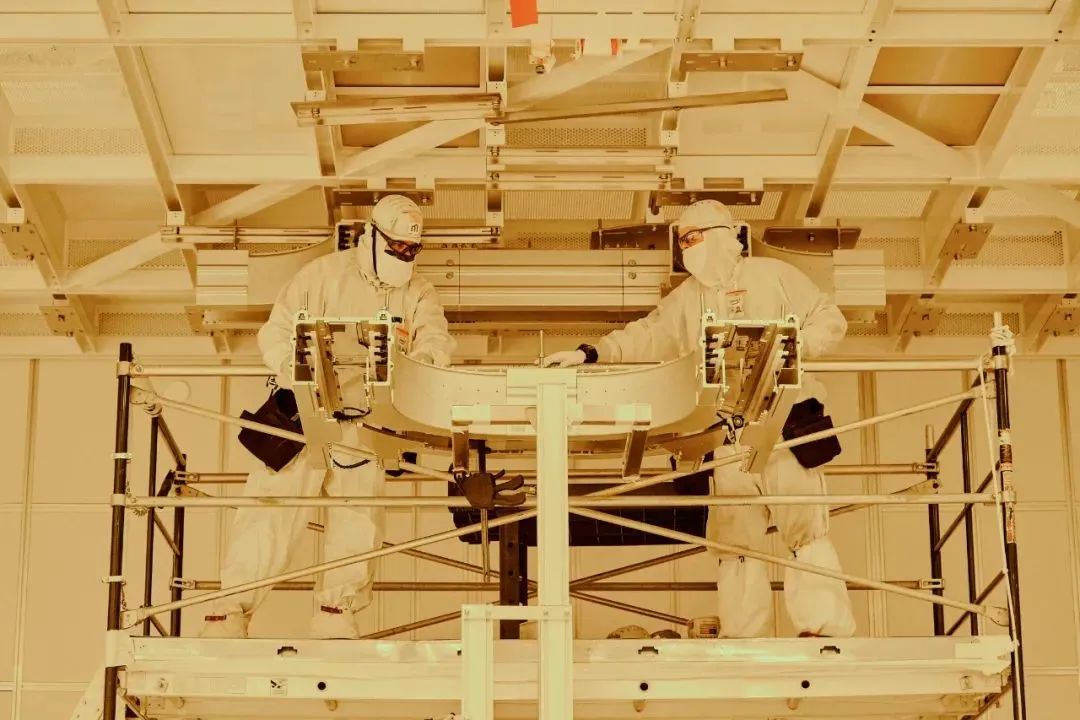
Workers install an automated material handling system in the cleanroom.
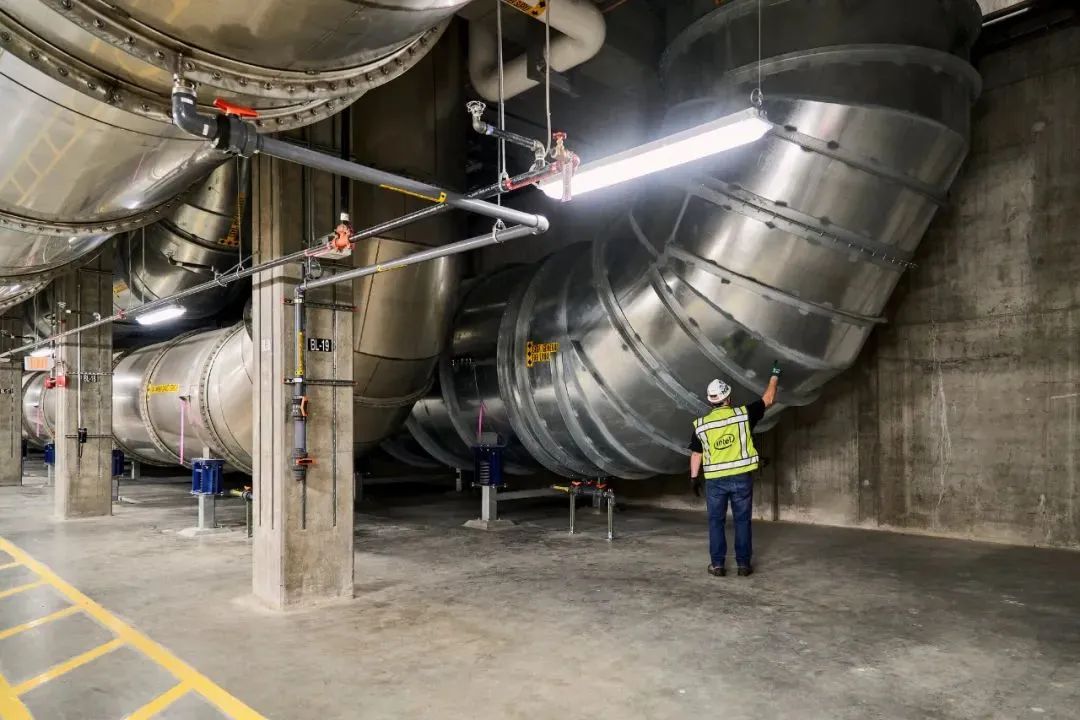
Large pipes exhaust gases from Intel’s Hillsboro campus processing machines.
Intel chips typically sell for hundreds to thousands of dollars. For example, Intel released its fastest desktop microprocessor this March, starting at $739. A speck of dust invisible to the eye can ruin a chip. Therefore, wafer fabs must be cleaner than a hospital operating room and require complex systems to filter air, regulate temperature, and humidity.Wafer fabs must also be free from any vibrations that could lead to expensive equipment failures. Thus, perfect cleanrooms are built on massive concrete slabs mounted on special dampers.Equally important is the ability to move large amounts of liquids and gases. Intel’s top factories are about 70 feet (21 meters) high, with huge fans helping to circulate air to the cleanroom below. Beneath the cleanroom are thousands of pumps, transformers, power cabinets, utility pipes, and chillers connected to production equipment.
Water demand
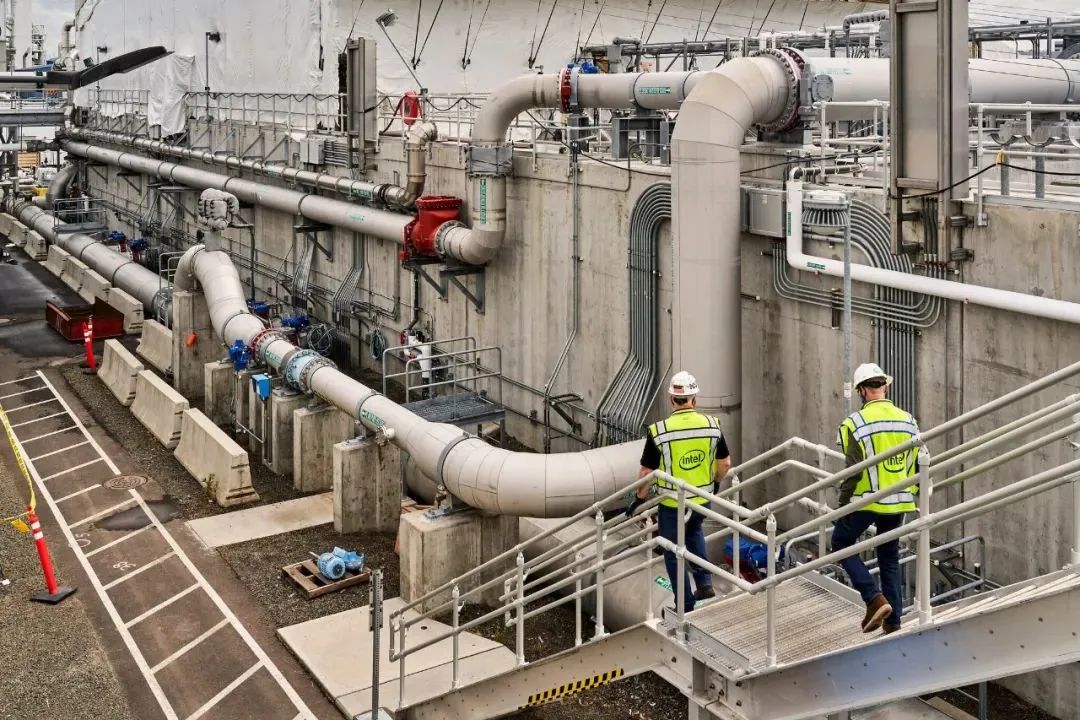
The water treatment plant in Hillsboro. Chip manufacturing requires millions of gallons of water daily.
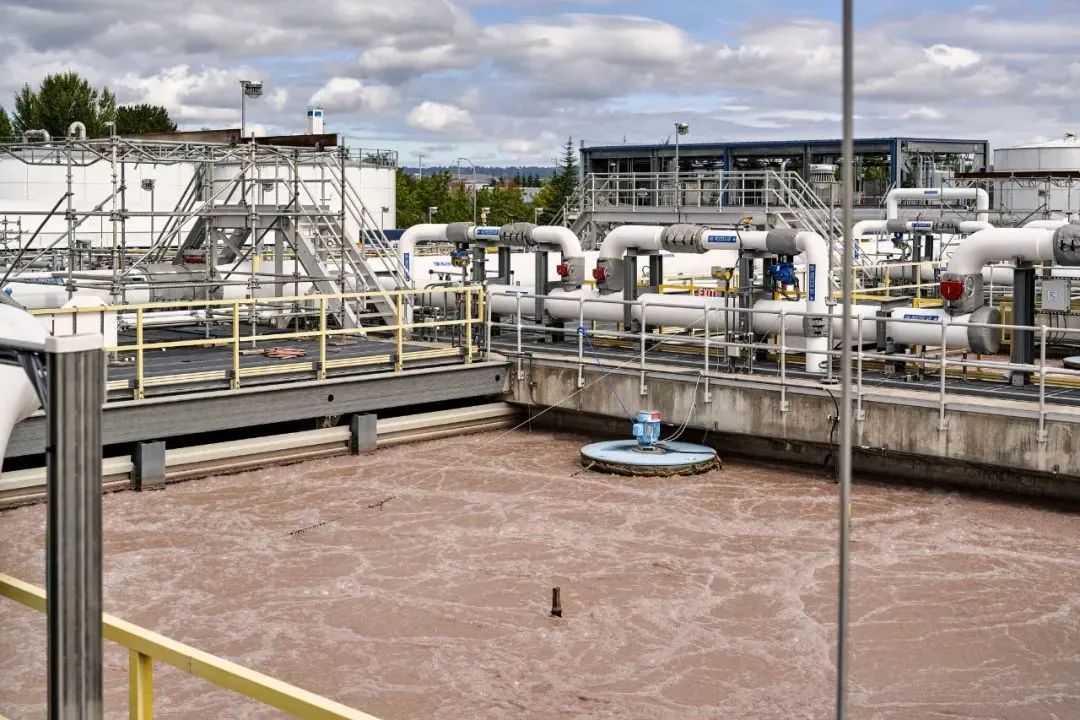
Intel hopes to work with environmental organizations and others to increase water supply in Arizona by 2030.
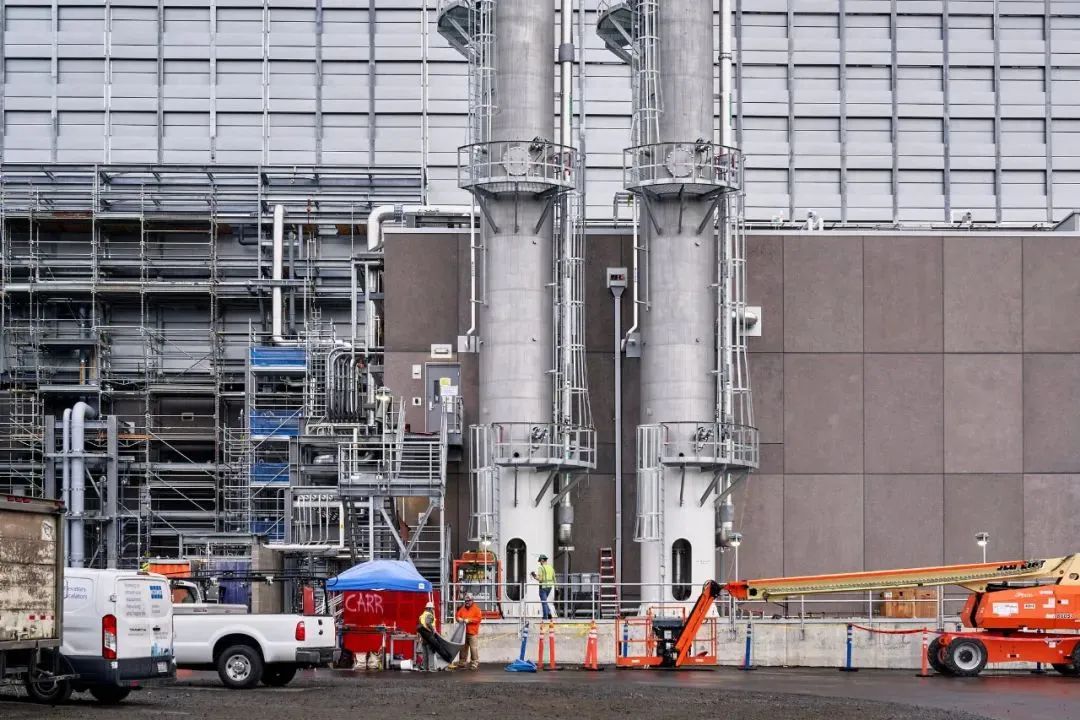
A tower at Intel’s Hillsboro factory removes gases from water.
Wafer fabs are water-intensive businesses. This is because water is needed at many stages of the production process to clean the wafers.Intel extracts about 11 million gallons (approximately 42 million liters) of water daily from local utilities at its two sites in Chandler. Intel’s future expansions will require more funding, which seems challenging for a state like Arizona, which is already struggling with drought and has cut water allocations for farmers. However, agriculture consumes much more water than a chip factory.Intel states that it relies on supplies from three rivers and a well at its Chandler sites, recovering about 82% of fresh water through filtration systems, sedimentation ponds, and other equipment. This water is sent back to the city, which operates a treatment facility funded by Intel and is redistributed for irrigation and other non-potable uses.Intel hopes to promote water supply projects in Arizona and other states by 2030 through partnerships with environmental organizations and others to save and restore water resources in local communities.
How wafer fabs are built
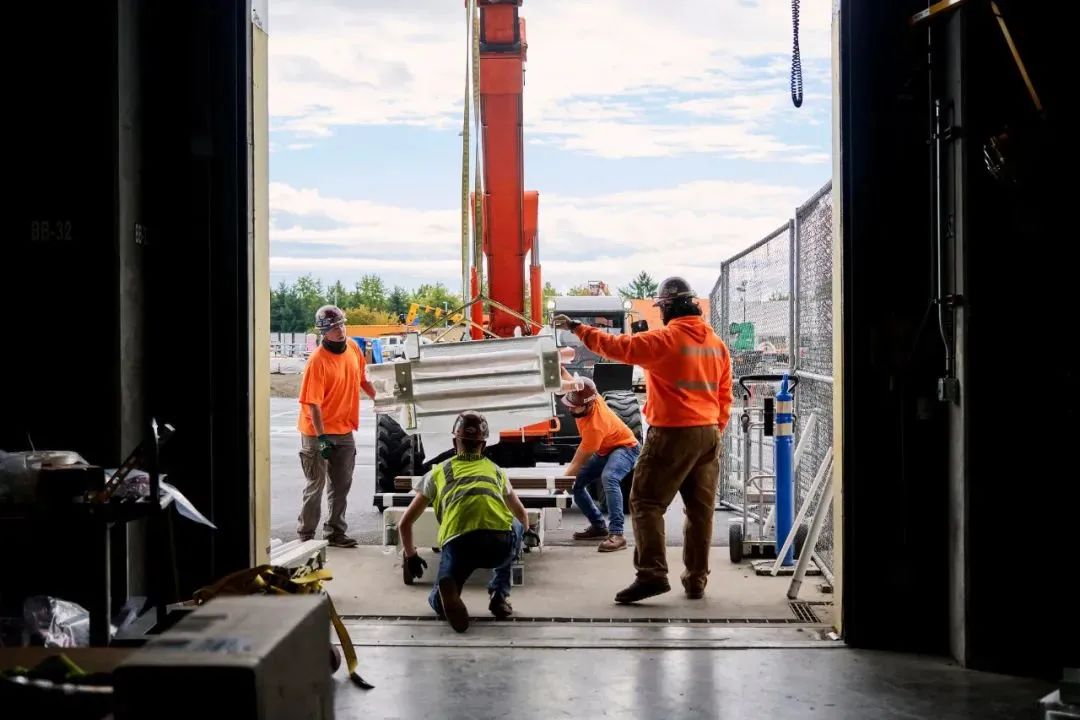
Workers in Hillsboro move construction materials.
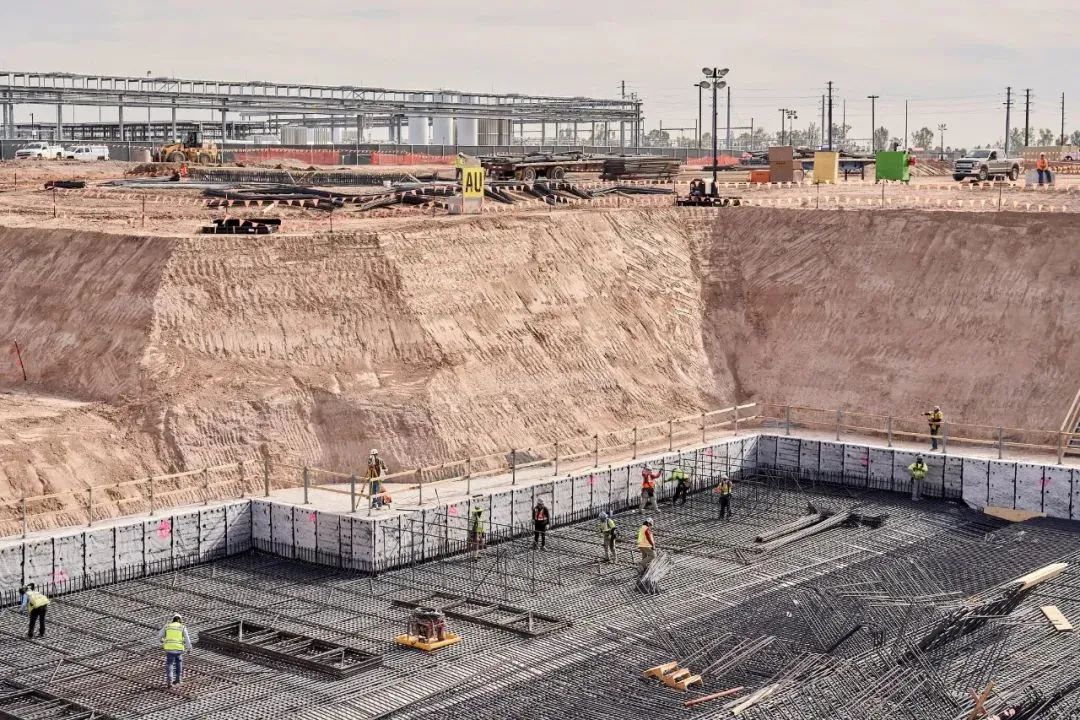
One of Intel’s future factories in Chandler. To build its facilities, Intel will need about 5,000 skilled construction workers over three years.
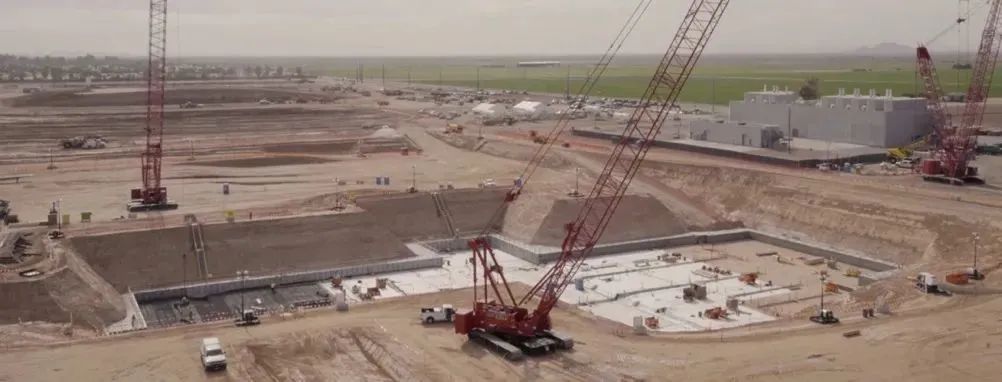
The excavation for the foundations of the two new factories in Chandler is expected to remove 890,000 cubic yards of soil.
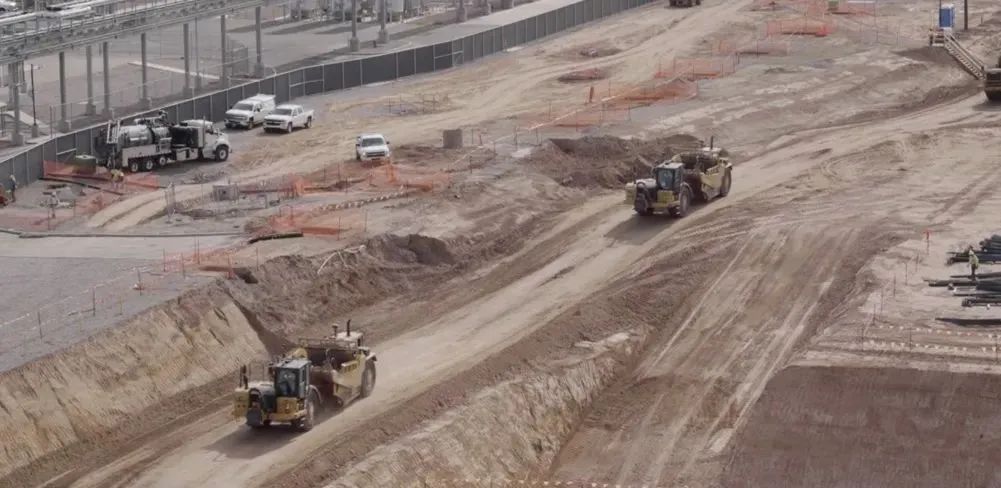
The soil excavated in Chandler will be removed at a rate of one dump truck per minute.
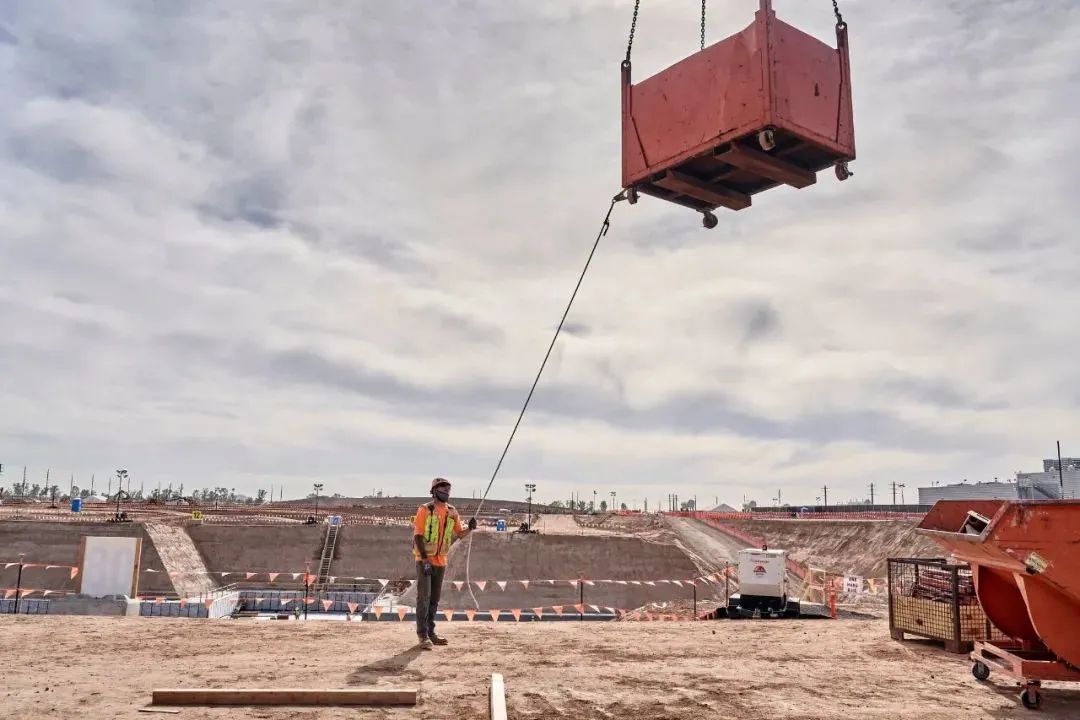
Cranes are moving construction materials at the Chandler site. Among other things, these cranes will lift 55-ton chillers for the new wafer fab.
To build the future factories, Intel will need about 5,000 skilled construction workers over three years.They have a lot of work to do. Intel’s construction chief Dan Doron says the excavation for the foundations is expected to remove 890,000 cubic yards (about 680,000 cubic meters) of soil, which will be removed at a rate of one dump truck per minute.The company expects to pour over 445,000 cubic yards of concrete and use 100,000 tons of rebar for the foundations, which is more than the rebar used to build the world’s tallest building, the Burj Khalifa in Dubai.Doron says some cranes being used for construction are so large that they require over 100 trucks to assemble their parts. These cranes will lift 55-ton chillers for the new wafer fab.Pat Gelsinger, who became Intel’s CEO a year ago, is lobbying Congress for funding for chip factory construction and tax credits for equipment investments. To manage Intel’s spending risks, he plans to focus on building the “shell” of wafer fabs, which can be equipped with the necessary equipment to respond to market changes.To address the chip shortage issue, Gelsinger will have to execute his plans to produce chips designed by other companies. But there is only so much one company can do; products like phones and cars require components from many suppliers, along with older chips. No country can stand alone in the semiconductor field. While promoting domestic manufacturing can mitigate supply risks to some extent, the chip industry will continue to rely on a complex global enterprise network to provide raw materials, production equipment, design software, talent, and specialized manufacturing.