Indeed, when a car is parked under the sun in summer, it quickly turns into a sauna. Experienced drivers know that opening the door unleashes a wave of heat that can make you feel like your soul is melting. At this moment, you just want to jump into the car and blast the air conditioning, but the A/C button is not something you can just press randomly. If used correctly, you save fuel and enjoy comfort; if used incorrectly, it not only hurts your wallet but can also lead to long-term issues with your vehicle.Today, let’s discuss the correct way to use A/C, saving money while enjoying cool air, suitable for both seasoned drivers and beginners.
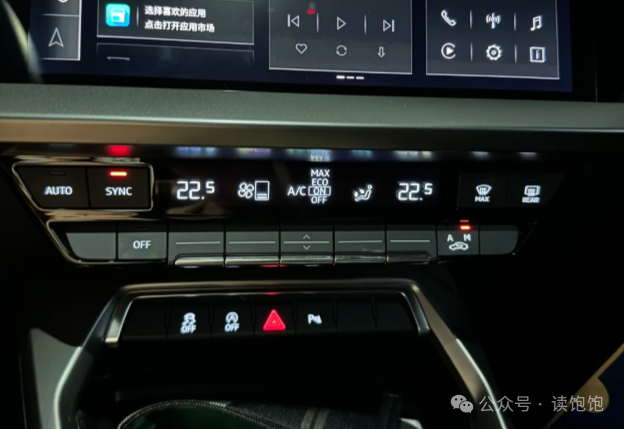
A/C, short for Air Conditioner, essentially activates the cooling mode of the air conditioning system. The A/C button on the control panel is actually a switch for the “cooling engine,” directly referring to the compressor.If you only blow air without pressing A/C, you are just blowing warm air, similar to a small fan, and the car remains a sauna.
There have been many instances where beginners have complained at dealerships about the air conditioning not cooling, only to find out that the compressor was not activated. Don’t feel embarrassed; even experienced drivers have made similar mistakes.From now on, whenever you want to feel cool, make sure the compressor (A/C) is activated; this is the secret weapon for cold air.
Let me paint a scenario for you: the car is parked outdoors on a scorching day, and as soon as you get in, you press the A/C button, but for a long time, the air is still hot. At this point, the compressor is working hard, but the hot air inside the cabin cools down very slowly—this is a classic case of“effort without reward.”
The correct operation is actually quite simple: when you get in the car, don’t rush to turn on the A/C; first, open all the windows and let the air circulate for a minute or two. If your car allows, you can take an extra step and open the sunroof to create a chimney effect, allowing the hot air to escape quickly. Once the hot air has dissipated, close the windows and then press the A/C button, and you will immediately feel the cold air. This sequence is more fuel-efficient and helps the compressor last longer than just blasting the cold air as soon as you get in; I’m just saying, don’t say I didn’t warn you!

Some friends might be too lazy to care, thinking the colder, the better, and directly setting the temperature to 16 degrees and blasting the air? In reality, doing so not only makes you shiver,but also increases engine pressure and fuel consumption, and switching between the high temperature outside and the cold inside can easily lead to heatstroke or a cold.
Based on my 20 years of experience, most cars are comfortable at 22 degrees, which is neither too cold to make you sneeze nor too hot to make you sweat. Of course, everyone has different tolerances; some friends may feel hot or cold, so adjust accordingly—but don’t compete with fuel consumption; both extremes are not cost-effective.
After running the A/C for a while, when is the best time to turn off A/C? Many people only turn it off when they park and turn off the engine, but actually, you should start doing it three minutes earlier.Turn off A/C three minutes in advance, and the blower will continue to run; this airflow can dry the moisture on the surface of the evaporator, preventing mold from taking hold.
Feel this, and you have the “experienced driver’s trick” to eliminate air conditioning odors. Cars with odors are often damp and poorly ventilated, leading to mold growth, which requires extensive cleaning—definitely not worth it.
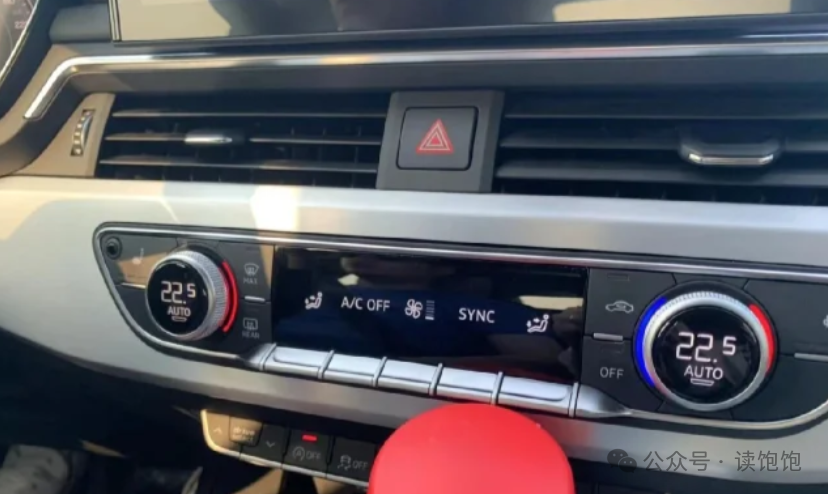
When it comes to air circulation inside the car, many new drivers are confused: when should I use recirculation? Should I always keep the outside air circulation? It’s actually quite simple:
–When you first turn on the A/C or when it’s too hot outside, prioritize using recirculation; this speeds up cooling and prevents cold air from escaping.–Every 30-40 minutes, remember to switch to outside air circulation, or directly use outside air circulation when driving in the city or on roads with good air quality to let in fresh air.
This way, you ensure that the air inside the car is fresh and not stuffy, and you don’t have to worry about outside exhaust fumes suffocating you. However, if you are stuck in traffic surrounded by large trucks, remember not to keep the outside air circulation on.
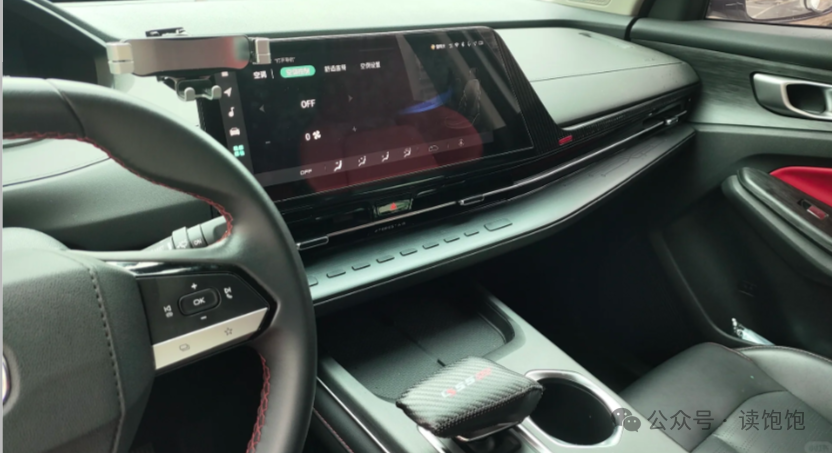
It’s not an exaggeration to say thathow you use the air conditioning can affect the comfort level and maintenance costs of both the car and the owner throughout the summer. This is not a trivial matter; it’s a fundamental skill.
- • When getting into a hot car, open the windows before turning on A/C.
- • Don’t set the temperature to the lowest; 22 degrees is comfortable and fuel-efficient.
- • Turn off A/C three minutes before reaching your destination for fresh air and less odor.
- • Switch between recirculation and outside air; don’t be a “sealed can person.”
A small change can greatly enhance your experience.Mastering the use of A/C can save you enough money to treat yourself to a couple of ice-cold watermelon juices!
Are you still using the air conditioning incorrectly? Hurry up and try the correct method; it really saves fuel and protects your car!
#Automobile#Automotive Knowledge#Automotive News#Must-Read for Car Owners