In recent years, with the introduction of the “Industry 4.0” concept, 3D printing technology has seen increasing applications in the automotive manufacturing sector. As 3D printing technology continues to mature, there may come a day when people can drive cars produced using 3D printing technology.
“
1
What is 3D Printing
3D printing technology is an emerging manufacturing technology based on digital models. It uses a layer-by-layer stacking method to create objects, differing from traditional subtractive manufacturing techniques. Subtractive processing mainly removes excess materials through methods such as turning, milling, planing, grinding, and drilling, whereas 3D printing technology forms objects by adding materials. 3D printing technology is also one of many rapid prototyping technologies and is referred to as additive manufacturing. It is an advanced technology that constructs objects using powder-based metals or plastics and other adhesive materials through layer-by-layer printing based on digital model files.

The Bentley Batur coupe features 3D printed interior elements like the surround start-stop button.
3D printing is primarily based on three key technologies: digital modeling, materials science, and rapid manufacturing technology. Digital modeling refers to creating digital models using computer-aided design (CAD) software. Materials science involves developing various types of materials to suit different 3D printing applications, while rapid manufacturing technology refers to using 3D printers to turn digital models into physical objects. 3D printing is typically realized using digital technology material printers, which fundamentally operate similarly to ordinary printers, except that the printing materials they use differ. For example, ordinary printers use ink and paper, while 3D printers contain tangible raw materials such as metals, ceramics, plastics, and sand. Once connected to a computer, the printer adds layers of printing materials under computer control, transforming the blueprints on the computer into physical objects.
“
2
Review of Development History
Among the many application fields of 3D printing technology, the automotive industry is one of the earliest sectors to adopt this technology.
In November 2010, the world’s first 3D printed car was unveiled, developed by the JimKor team in the USA, which manufactured a 6:1 model car named Urbee using 3D printing technology. In early 2013, the first prototype car, Urbee2, was born, with more than half of its parts produced via 3D printing.
On October 29, 2014, at the International Manufacturing Technology Show held in Chicago, Local Motors from Arizona, USA, demonstrated the manufacturing process of the world’s first 3D printed electric vehicle. This electric vehicle, named “Strati,” took only 45 hours to manufacture. Strati features an integrated body design with a maximum speed of 64 km/h and can travel 190 to 240 km on a single charge. Strati consists of only 49 parts, with the powertrain, suspension, battery, tires, wheels, wiring, electric motor, and windshield manufactured using traditional techniques, while the remaining components, including the chassis, dashboard, seats, and body, were printed using a 3D printer with carbon fiber reinforced thermoplastic materials.
In 2015, Divergent Microfactories (DM) in San Francisco, USA, launched the world’s first 3D printed supercar, the “Blade.” This car was assembled using a series of aluminum “nodes” and carbon fiber tubes.
On March 24 of the same year, the first domestic 3D printed concept car was unveiled in Sanya, Hainan. This concept car was developed by Sanya Sihai 3D Technology Co., Ltd., with its body shell made from 3D printing and weighing about 500 kg, while the rest consisted of assembled components powered by electricity. The entire design to assembly process took one month, with the 3D printing stage lasting only five days.
In 2019, Volkswagen announced plans to use HP’s metal 3D printing technology in its vehicles. Volkswagen established the Innovation and Engineering Center (IECC) in California, launched a unique concept car integrating 3D printing, and announced the production of 10,000 metal parts on HP Metal Jet in collaboration with GKN and HP.
In 2020, California-based startup Czinger Vehicles introduced the 3D printed Czinger 21C supercar, equipped with a 2.9-liter V8 twin-turbo engine that can generate 950 horsepower, achieving a maximum RPM of 11,000 and a 0-100 km/h acceleration in just 1.9 seconds, making it the fastest car in the world.
In June 2023, BMW developed an innovative 3D printed bucket seat.

In June 2023, BMW revealed plans to develop an innovative 3D printed bucket seat and has submitted a patent application named “Component Additive Manufacturing Process” to the German Patent and Trademark Office.
“
3
Advantages and Disadvantages
3D printing technology is a revolutionary technology that, with its rapid and flexible characteristics, is gradually being applied in various fields, including the automotive industry.
3D printing technology enables on-demand production and personalized customization, meeting the diverse needs of consumers. Compared to traditional automotive manufacturing processes, it has certain advantages in small-batch production and personalized customization.
3D printing technology also provides greater freedom and innovation space for automotive design. Through 3D printing technology, designers can rapidly iterate and improve designs during the design process, enhancing product innovation. Designers can directly convert complex shapes into actual parts through digital modeling, achieving more complex, lightweight, and optimized designs. Furthermore, 3D printing technology offers more material choices and process innovations. It allows the use of new materials and composites such as carbon fiber, ceramics, and biomaterials, which can bring greater innovation and enhancement to automotive design.
Additionally, 3D printing technology enables the combination of multiple processes, such as material mixing printing, multi-material printing, and temperature-controlled printing, further enhancing the diversity and flexibility of automotive design and manufacturing.
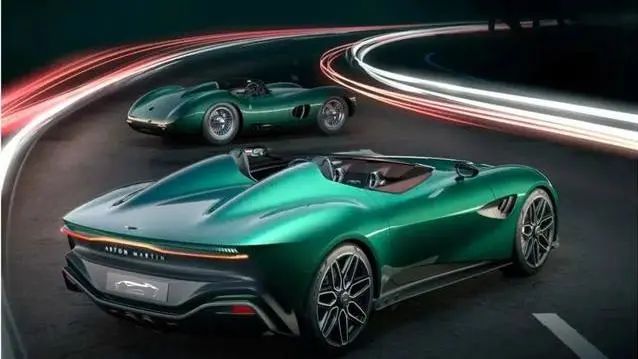
In August 2022, Aston Martin launched a limited edition DBR22 supercar, utilizing 3D printing for its rear subframe.
Although 3D printing technology has certain advantages in automotive design, it has not yet been widely applied in mass production of vehicles. The main reasons are: first, current 3D printing equipment and processes still cannot meet the demands for high-speed, high-quality, and large-scale production. Second, the types and properties of materials used in 3D printing are still relatively limited. Third, the quality and performance of 3D printing technology still need further improvement and validation. The costs of 3D printing equipment and materials remain high, limiting its large-scale application.
In summary, it is essential to objectively evaluate the development and application of 3D printing technology. As an emerging science and technology, 3D printing has certain advantages under specific conditions, but it also has defects and shortcomings. Our goal should be to maximize its strengths and achieve higher efficiency in production.
“
4
Future Development Trends
The rapid development of electric vehicles is conducive to the application of 3D printing technology in the automotive industry. The development cycle of electric vehicles is very tight in the coming years, and 3D printing has the advantage of rapidly producing various prototypes in the R&D stage. Additionally, 3D printed parts can undergo thorough topology optimization or directly adopt parametric generative design, enabling the manufacture of parts with better performance and lighter weight. It can also combine multiple parts into a single integrated component, reducing assembly steps. Therefore, overall, 3D printing will have a promising development prospect in the automotive industry.
A forecast from the “Automotive Industry 3D Printing White Paper” published by 3dpbm estimates that the market size for 3D printed body components will reach $324 million by 2026 and $650 million by 2030; the market size for 3D printed automotive electronic components will reach $1.85 billion by 2026 and $3 billion by 2030; the market size for 3D printed automotive interiors will reach $3.3 billion by 2026 and $5.5 billion by 2030; and the market size for 3D printed automotive power components will reach $4.5 billion by 2026 and $7 billion by 2030.
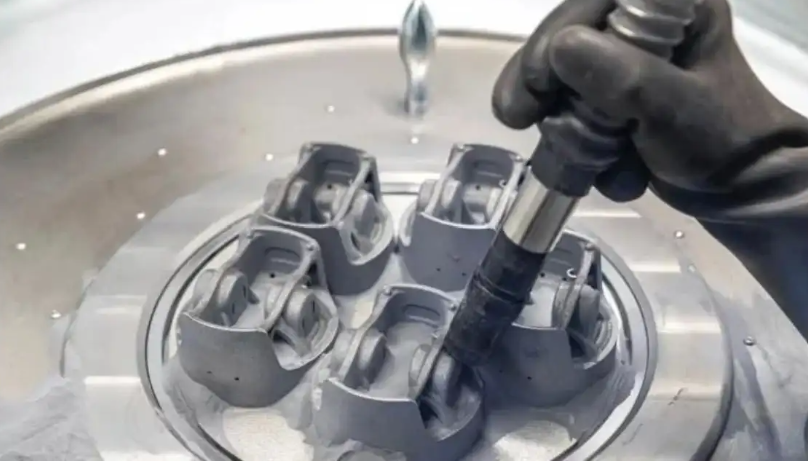
Porsche uses additive manufacturing technology to produce pistons.
According to a comprehensive research report by Market Research Future (MRFR), the global automotive 3D printing market is expected to grow from $2.37 billion in 2022 to $3 billion in 2023, with a compound annual growth rate (CAGR) of 26.5%. By 2027, the market value of 3D printing in the automotive industry will reach 31.66 billion yuan, with a CAGR of 28.72%.
It is believed that with further breakthroughs in technology, materials, and printing speed, the practical applications of 3D printing technology in the automotive manufacturing sector will continue to increase, and discussions within the industry regarding 3D printing technology in the automotive field will deepen.
“
5
Impact on China’s Automotive Geometry
Although 3D printing technology has not been around for long, it has developed rapidly, and its application in the automotive manufacturing industry is gradually increasing. What impact will this situation have on China’s automotive manufacturing industry?
The era of electric vehicles presents opportunities for 3D printing in China. In recent years, China has seen rapid development in electric vehicles, holding over 50% of the global market share, leading internationally. As the new energy vehicle sector undergoes leapfrog development, automotive users have higher demands for customized production. Vehicles produced on traditional production lines often struggle to meet these customization requirements, but 3D printing can easily achieve high flexibility and complexity in production, offering unparalleled flexibility, making it highly suitable for personalized customization of different vehicle design styles and functions. With the younger consumer group pursuing individuality dominating the automotive market, 3D printing technology may play a significant role in the direct R&D and manufacturing of personalized products.
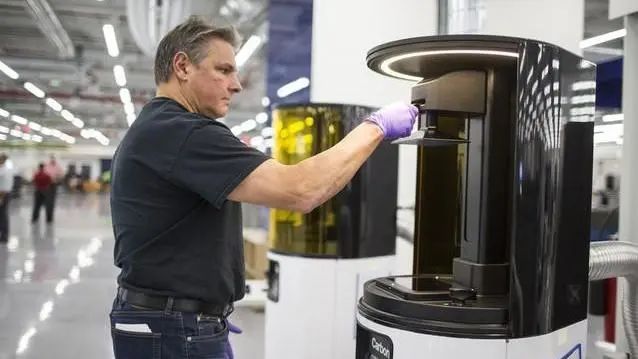
Ford’s advanced manufacturing center in Detroit has nearly 30 industrial-grade 3D printers for producing automotive parts and internal tools.
However, while the dream is grand, reality remains slightly lean. How can 3D printing technology further break through in the automotive field? Industry insiders point out that under the global “net zero” goal, expanding the green supply of efficient energy-saving electric motors, developing the efficient energy-saving electric motor industry chain, accelerating the promotion and application of efficient energy-saving electric motors, and advancing the intelligent and digital enhancement of motor systems will be key tasks during the “14th Five-Year Plan” period. Among these, enhancing the efficiency of electric motors is an inevitable trend, and 3D printing motors could very well become a breakthrough technology for 3D printing in the automotive industry.
“
6
Conclusion
As an emerging technology, 3D printing is still in its infancy in the Chinese automotive manufacturing field, with bright development prospects and significant commercial value. Chinese automotive enterprises should seize opportunities, leverage strengths, avoid weaknesses, and actively respond by strengthening the R&D and application of new technologies to assist in the transformation and upgrading of the automotive industry.
END
Recommended Reading
Walk into the OEM丨”2023 Smart Electric Vehicle Forefront Technology and Ecological Chain Cooperation Showcase – Walk into Changan Automobile” successfully held.

Walk into Changan Automobile丨”New Energy” Forefront Technology and Procurement Matchmaking Roadshow Review.

Walk into Changan Automobile丨”Digitalization & Intelligent Manufacturing & Lightweight” Forefront Technology and Procurement Matchmaking Roadshow Review.

Walk into Changan Automobile丨”Intelligent Networking” Forefront Technology and Procurement Matchmaking Roadshow Review.
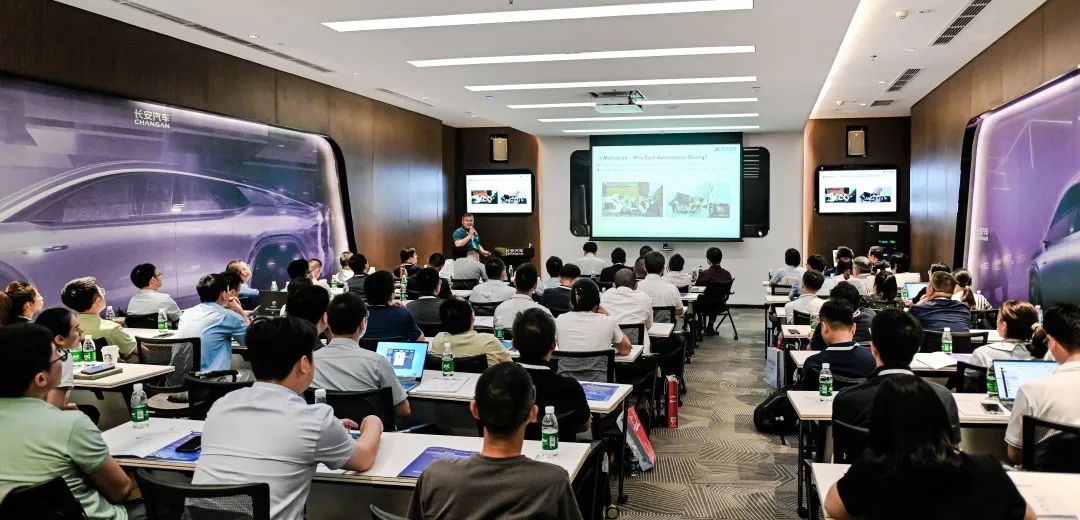
Walk into Lynk & Co – Chengdu Intelligent Connected Vehicle Factory.
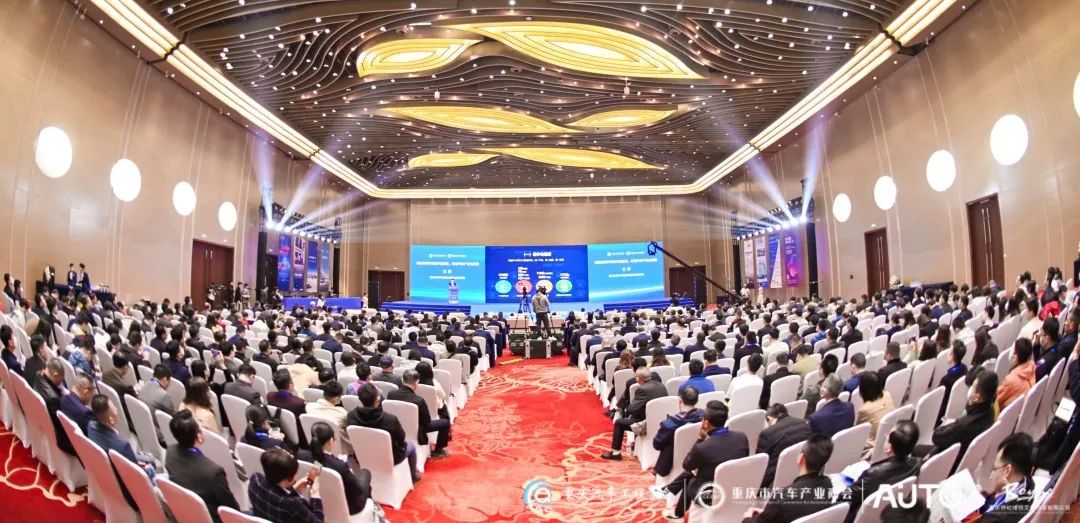
The 34th Annual Meeting of the Chongqing Automobile Industry and the Chengyu Automotive Technology and Supply Chain Expo successfully held.
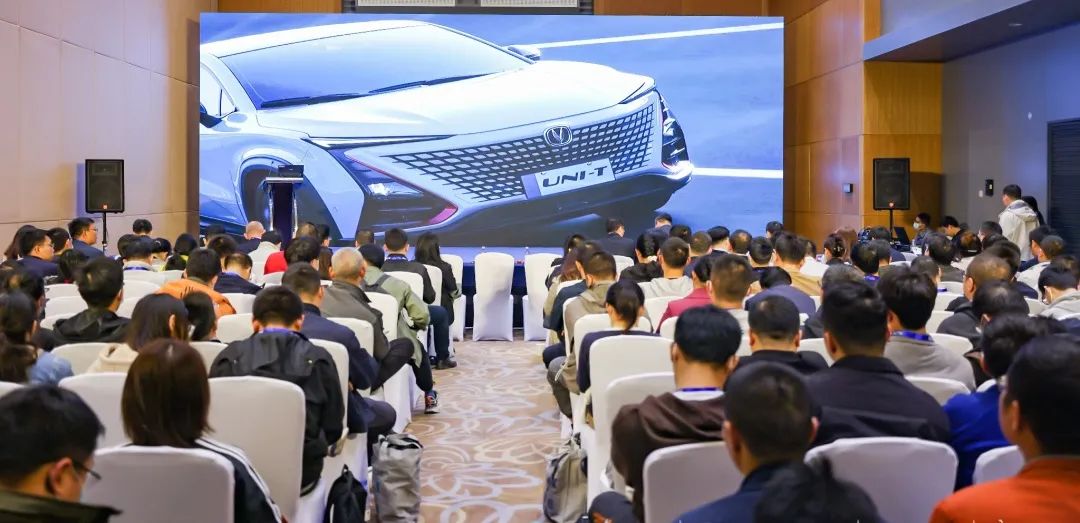
Review of the 34th Annual Meeting Parallel Forum – Changan Automobile’s “Low Carbon Mobility” Smart Partner Summit Technology Forum.
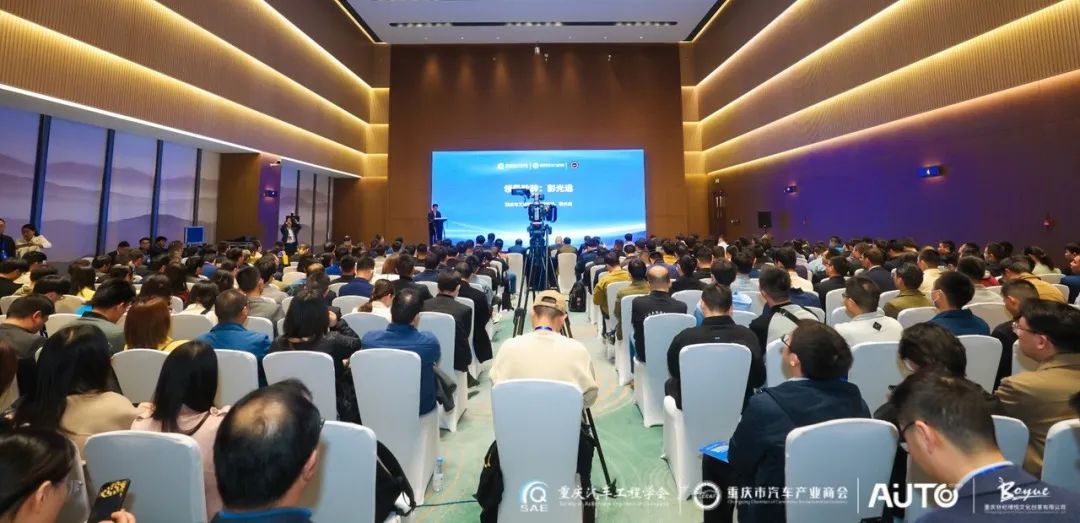
Review of the 34th Annual Meeting Parallel Forum – Seres Super Electric Drive Intelligent Technology Platform (DE-i) Forum.
Review of the 34th Annual Meeting Parallel Forum – Intelligent New Energy Innovation Technology and Supply Chain Summit Forum.

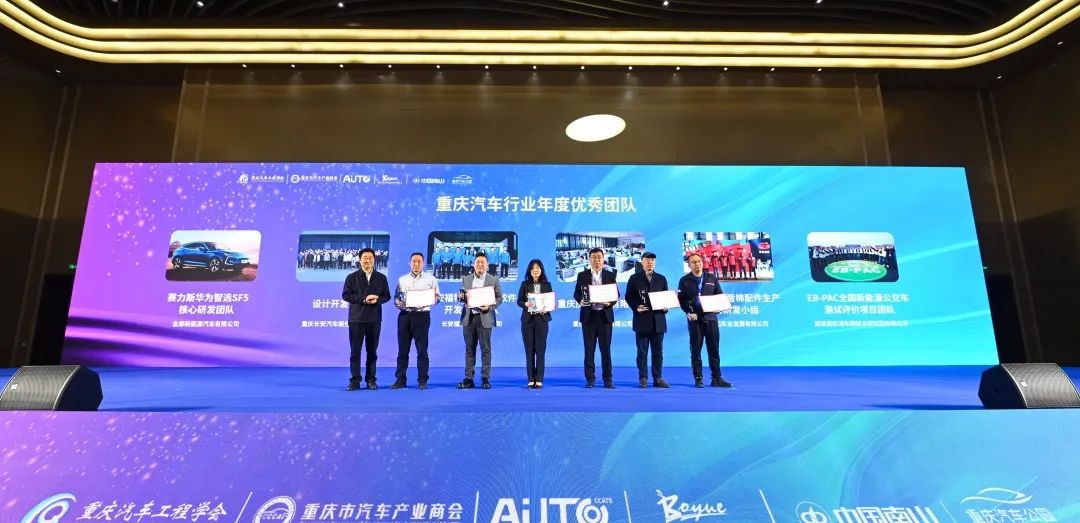
The establishment of the Chongqing Automotive Industry Chamber of Commerce and the award ceremony of the 34th Annual Meeting of the Chongqing Automotive Industry.
Digital transformation of the automotive industry in the Chengyu region with big data analysis.

Current status and reflections on the development of the automotive industry chain in Chongqing.
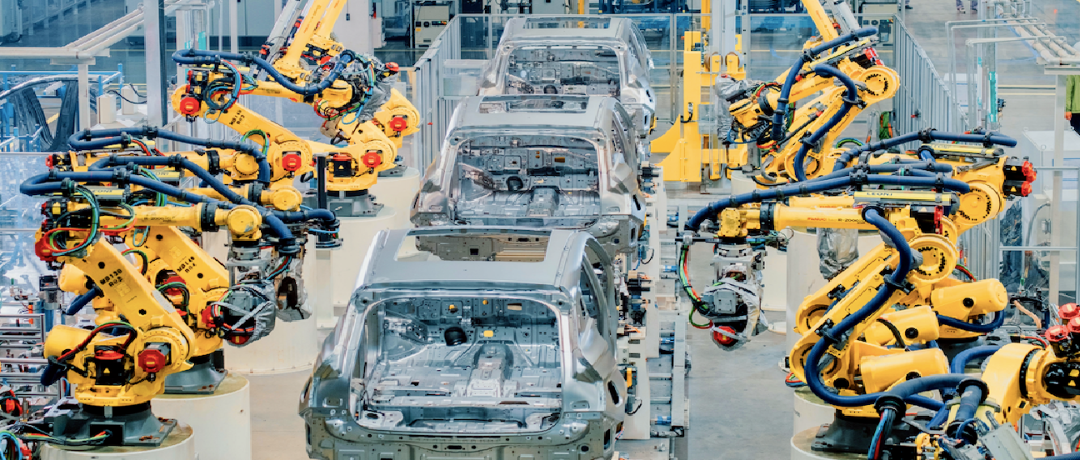
Digital transformation is the engine for high-quality development in the industry.

Challenges and breakthroughs in the digital transformation of the automotive industry.
Digitalization accelerates the automotive industry in Chongqing.
Building a new highland for the automotive digital economy in the Chengyu region.

▼ Long press the QR code to follow for more exciting articles