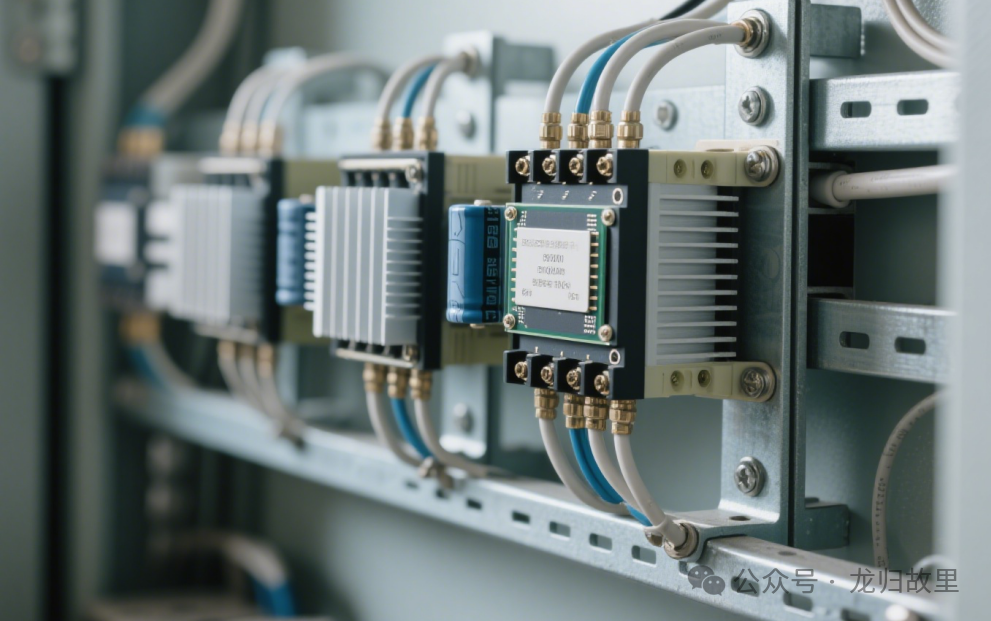
1. Core Uses of Rectifier Bridges
1.Core Hub for AC-DC Energy Conversion
As the “heart” of the power supply system for IoT devices, the rectifier bridge accurately converts grid AC (AC) into stable DC (DC) through full-bridge or half-bridge topologies, providing essential energy support for subsequent circuits. For example, a three-phase fully controlled bridge rectifier circuit can convert three-phase AC into high-precision DC voltage, meeting the high power and low ripple requirements of industrial automation equipment. Its conversion efficiency directly affects the device’s endurance, such as the Xiaomi self-powered doorbell, which uses the ASEMI MB10S rectifier bridge to step down 220V AC to 3.3V DC, supporting the stable operation of the WiFi module and RF communication chip.
2.Smart Adapters for Multi-Scenario Power Adaptation
To address the diverse power supply needs of IoT devices, rectifier bridges can flexibly adapt to different voltage levels. For instance, the DB201 rectifier bridge supports a voltage range of 25V-1000V, providing 5V low-voltage DC for smartphones and 48V medium-voltage power for industrial sensors. In new energy generation scenarios, a three-phase fully controlled bridge can convert the AC output from solar panels into 48V DC bus voltage, meeting the input requirements of energy storage batteries and grid-connected inverters.
3.Foundation for Energy Efficiency Optimization and Reliability Assurance
Rectifier bridges achieve breakthroughs in energy efficiency through material innovation and topology optimization. For example, rectifier bridges using silicon carbide (SiC) diodes can reduce the forward voltage drop from 1.2V to 0.95V, improving efficiency by 2.8% in a 50W wireless charging system while reducing heat dissipation requirements by 60%. Intelligent protection mechanisms (such as the anti-rebound logic of the MP6925A synchronous rectification driver) can prevent current backflow, ensuring stable operation of devices in extreme environments ranging from -55℃ to 150℃.
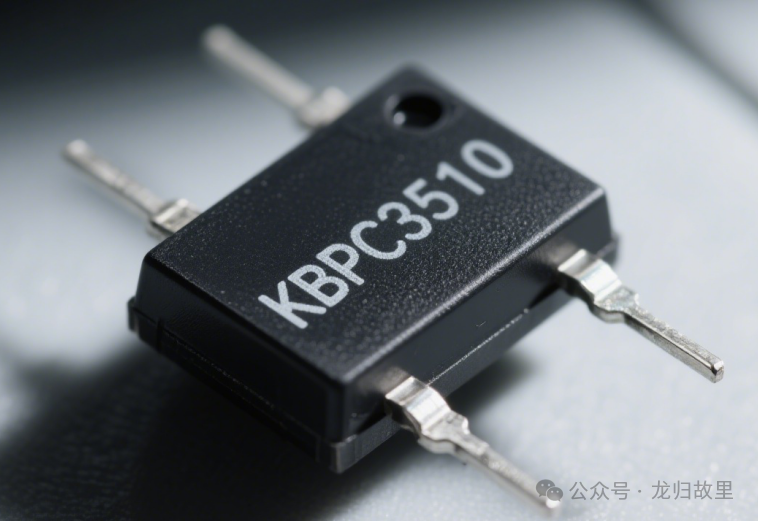
2. Six Core Application Scenarios of Rectifier Bridges
1. Smart Homes and Consumer Electronics
•Power Supply for Smart Devices: The KBPC2510 rectifier bridge provides 24V DC power for smart sockets and smart lighting, supporting real-time control of Zigbee communication modules and relays. The Xiaomi self-powered doorbell uses the ASEMI MB10S rectifier bridge to convert 220V to 3.3V, powering the ESP32 WiFi module and music chip, enabling remote ringtone settings and status monitoring.
•Wireless Charging Systems: The Pingshang Technology PS-WB series low VF bridge stack (0.95V@5A) is used in the wireless charging base of robotic vacuum cleaners, optimizing the full-bridge topology to improve the efficiency of the transmitter to 92.3%, extending device endurance by 40 minutes / day.
2. Industrial IoT and Automation
•Power Supply for Sensor Nodes: The DB203 rectifier bridge provides 12V DC for industrial pressure sensors, supporting 4-20mA signal transmission and RS485 communication, with a leakage current of less than 200μA in high-temperature (85℃) environments. The three-phase fully controlled bridge provides 48V DC for PLC controllers, achieving precise speed control of servo motors through PWM control.
•Device Status Monitoring: Rectifier bridges integrated with temperature sensors (such as MSB810) can provide real-time feedback on chip junction temperature, triggering alerts when the temperature exceeds 40℃, preventing the degradation of electrolytic capacitor lifespan.
3. New Energy and Energy Storage Systems
•Renewable Energy Conversion: The three-phase fully controlled bridge converts the three-phase AC output from wind turbines into 380V DC, enabling bidirectional energy flow with the grid through grid-connected inverters. In off-grid photovoltaic systems, the KBPC2510 bridge stack charges 12V lead-acid battery packs, supporting maximum power point tracking (MPPT) algorithms.
•Energy Storage Management: Rectifier bridges using SiC diodes can convert the AC output of energy storage inverters into ±48V DC bus, supporting efficient charging and discharging of backup power supplies for 5G base stations.
4. Smart Transportation and Vehicle Networking
•Power Supply for Onboard Electronics: The DB201 rectifier bridge provides 12V DC for onboard entertainment systems, while also supplying 5V power for the laser radar module of advanced driver assistance systems (ADAS), maintaining a low leakage current of 0.2μA even in low-temperature environments of -40℃.
•Electric Vehicle Charging: The three-phase fully controlled bridge in charging piles converts 380V three-phase AC to 500V DC, achieving 100kW fast charging with a charging efficiency improvement of 15% compared to traditional solutions.
5. Medical and Health IoT
•Power Supply for Portable Devices: The DB201 rectifier bridge provides 5V DC for portable ECG monitors, supporting low-power operation of Bluetooth communication modules and OLED displays while meeting the stringent EMI (electromagnetic interference) requirements of medical devices.
•Power Supply for Medical Robots: The KBPC2510 bridge stack provides 24V DC for the joint motors of surgical robots, using soft-switching technology to reduce switching noise to below 30dB, ensuring electromagnetic compatibility in the operating room environment.
6. Smart Cities and Environmental Monitoring
•Municipal Facility Management: The three-phase fully controlled bridge provides 48V DC for smart streetlights, supporting real-time data transmission of LoRa communication modules and light sensors, achieving a 30% reduction in energy consumption through PWM dimming.
•Environmental Monitoring Networks: The DB203 rectifier bridge provides 12V DC for water quality monitoring sensor nodes, maintaining stable operation in high humidity (95% RH) environments, supporting long-term collection of parameters such as pH and dissolved oxygen.
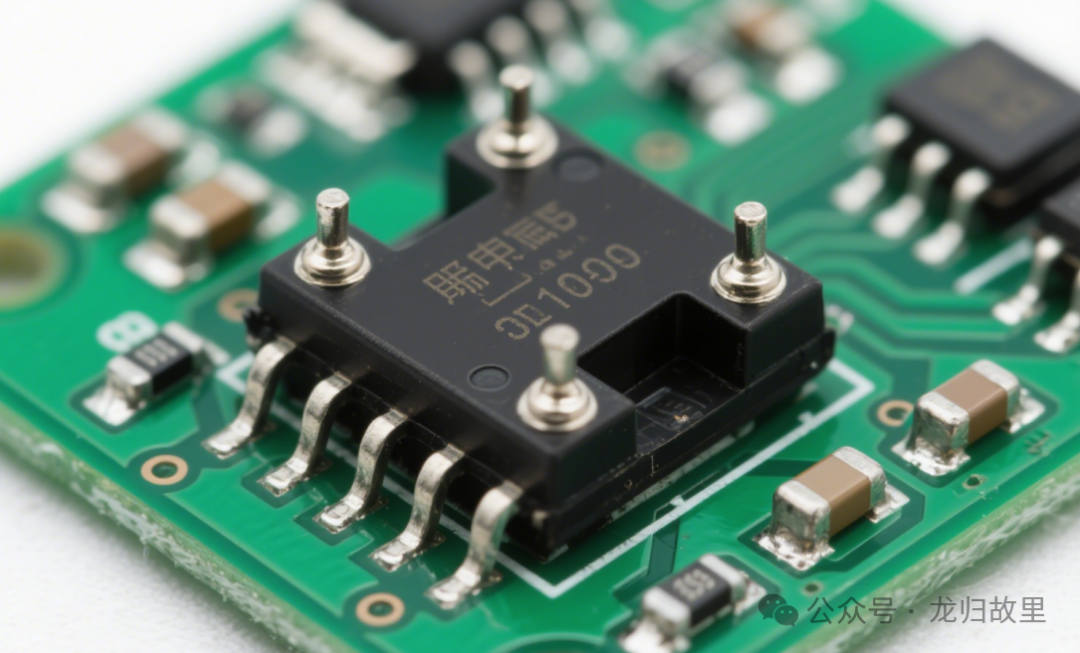
3. Technological Evolution and Future Trends
1.Material Innovations Driving Energy Efficiency Leap
The application of silicon carbide (SiC) and gallium nitride (GaN) diodes has reduced the forward voltage drop of rectifier bridges to below 0.7V, shortening the reverse recovery time to 35ns in high-frequency (100kHz) scenarios, achieving an efficiency improvement of 8% compared to traditional silicon-based devices. For example, MPS’s MP6925A synchronous rectification solution replaces bridge diodes with 650V/99mΩ MOSFETs, improving full-load efficiency by 0.43% at 115VAC input.
2.Integration and Intelligence Fusion
Chip-scale packaging (CSP) technology integrates rectifier bridges with temperature sensors and over-voltage protection circuits within a 3mm×3mm package, such as the MSB810 bridge stack, which achieves real-time monitoring of junction temperature through an integrated NTC thermistor. In the future, AI algorithms will be embedded in rectifier bridge controllers to achieve dynamic energy efficiency optimization based on load predictions, such as automatically adjusting PWM duty cycles according to grid fluctuations, improving overall system efficiency by 5%.
3.Topology Optimization and Breakthroughs in Thermal Management
Full-bridge topology combined with copper pillar cooling technology (such as the PS-WB series) can control the temperature rise of the PCB in a 50W wireless charging system to within 25℃, while reducing heat sink costs by 60%. Bridge-less PFC topology (such as totem pole structure) reduces conduction losses by 50% by decreasing the number of diodes, and has been mass-produced in high-end server power supplies.
As the energy cornerstone of IoT devices, rectifier bridges are evolving from simple AC-DC converters to intelligent components with energy efficiency management, health monitoring, and adaptive regulation capabilities through material innovation, topology optimization, and intelligent integration. In the era of the Internet of Everything, their technological breakthroughs will continue to drive power systems in smart homes, industrial 4.0, and new energy sectors towards higher efficiency, smaller size, and greater reliability.
Core Components of IoT: How Transistors Empower Smart DevicesThe “Electronic Valve” of the IoT Era: How Diodes Reshape the Smart World?Insurance Components in IoT: Concepts, Uses, and Application ScenariosBasic Components of IoT – Introduction to Resistors: The “Cornerstone” Component in CircuitsThe Application of Breadboards in IoTUses and Application Scenarios of Inductive Components in IoTDuPont Wires: Essential Tools for Electronic ConnectionsIoT: The Core Driving Force Behind Building a Smart World