Follow 👆 the public account and reply 'python' to receive the zero-based tutorial! Source from the internet, will delete if infringed.The Python library (module) is extremely rich, making Python almost omnipotent, whether for traditional web development, PC software development, Linux operations, or the currently popular machine learning, big data analysis, and web scraping, Python can handle it all.
[Tutorial Receiving method at the end of the article!!]
[Tutorial Receiving method at the end of the article!!]
Python is an open-source, free, general-purpose scripting programming language.
This set of Python basic tutorials is not a textbook; it does not play with concepts but strives for colloquial and popular expressions, allowing readers to get started quickly.
If you have friends who are interested in learning Python, please read the first half of this tutorial, which is the foundation and can reduce the learning cost; if you want to fully master Python programming and be competent in actual project development in enterprises, then you should study all chapters of this tutorial step by step.
Table of Contents
-
Chapter 1 Quick Start with Python
-
Chapter 2 Syntax and Code Conventions
-
Chapter 3 Types and Objects
-
Chapter 4 Operators and Expressions
-
Chapter 5 Control Flow
-
Chapter 6 Functions and Functional Programming
-
Chapter 7 Classes and Object-Oriented Programming
-
Chapter 8 Modules and Packages
-
Chapter 9 Input and Output
-
Chapter 10 Execution Environment
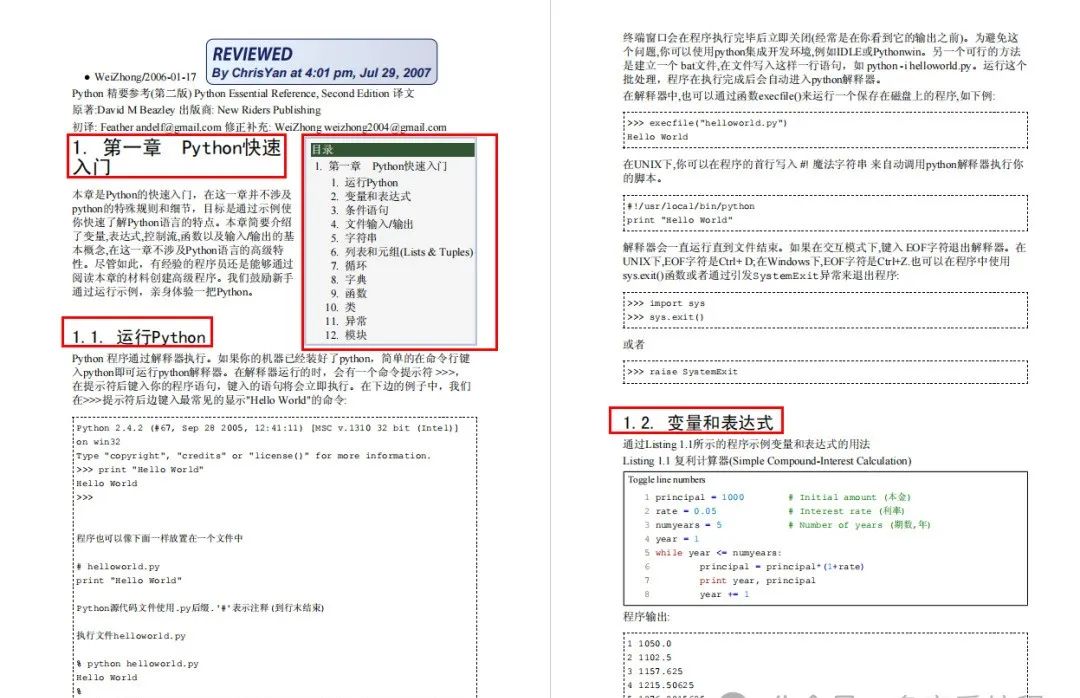
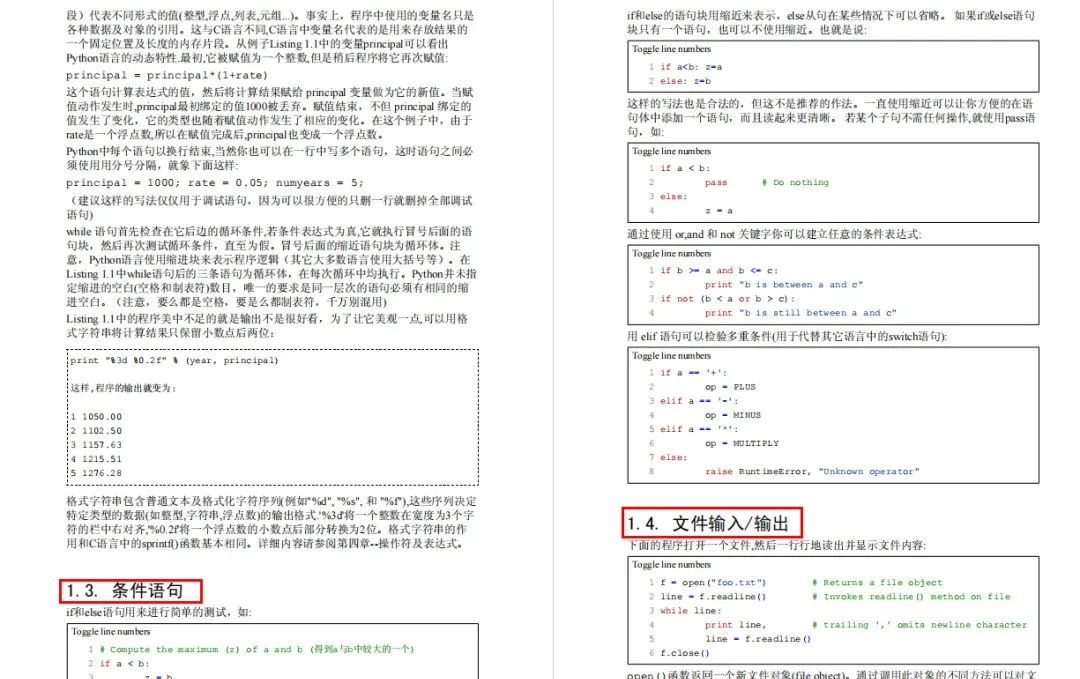
Chapter 1 Quick Start with Python
-
1. Running Python
-
2. Variables and Expressions
-
3. Conditional Statements
-
4. File Input/Output
-
5. Strings
-
6. Lists and Tuples
-
7. Loops
-
8. Dictionaries
-
9. Functions
-
10. Classes
-
11. Exceptions
-
12. Modules
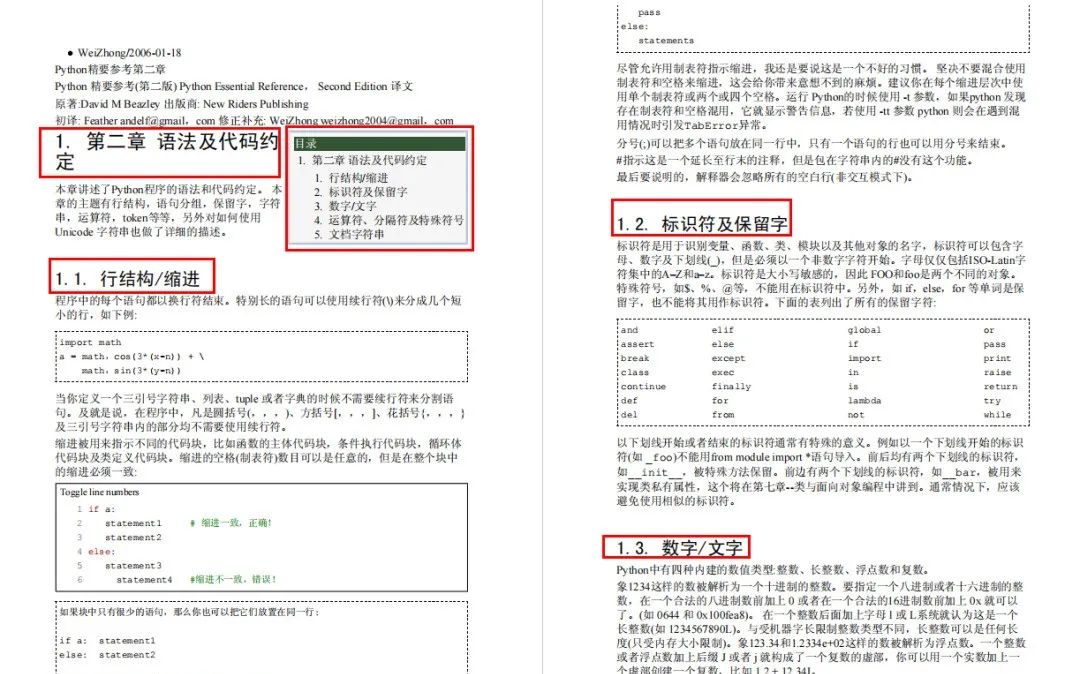
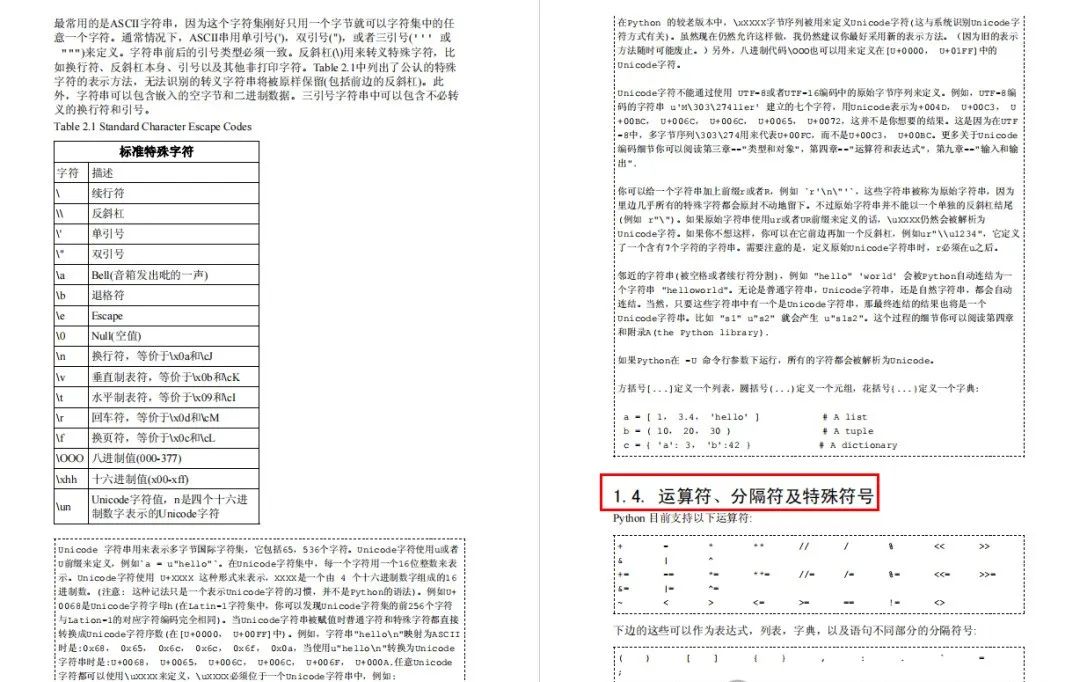
Chapter 2 Syntax and Code Conventions
-
1. Line Structure/Indentation
-
2. Identifiers and Reserved Words
-
3. Numbers/Strings
-
4. Operators, Delimiters, and Special Characters
-
5. Documentation Strings
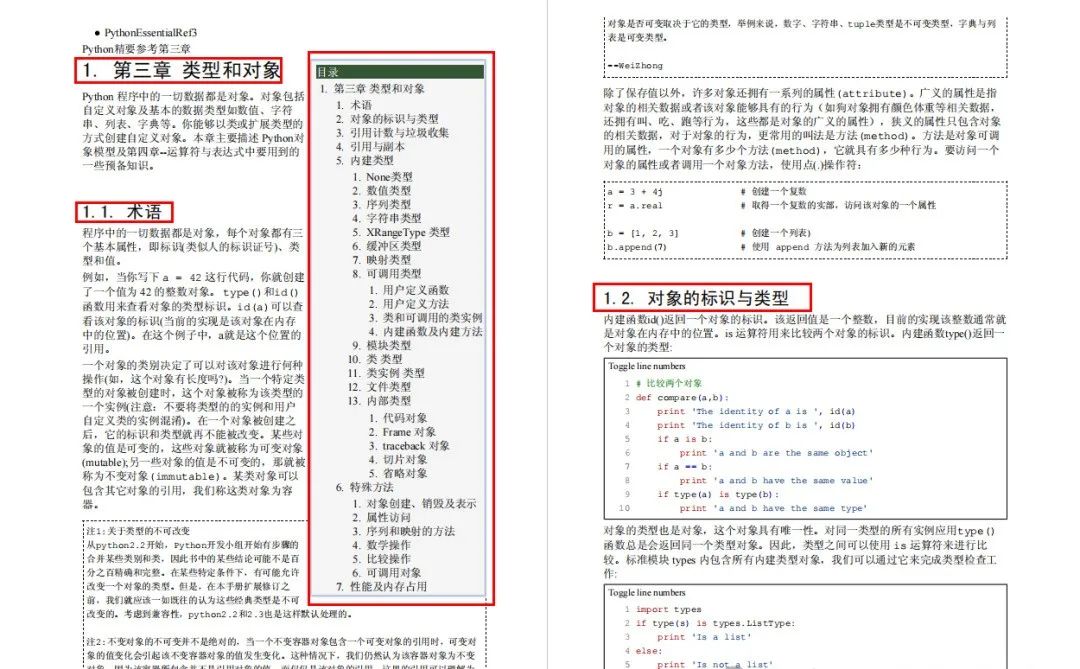
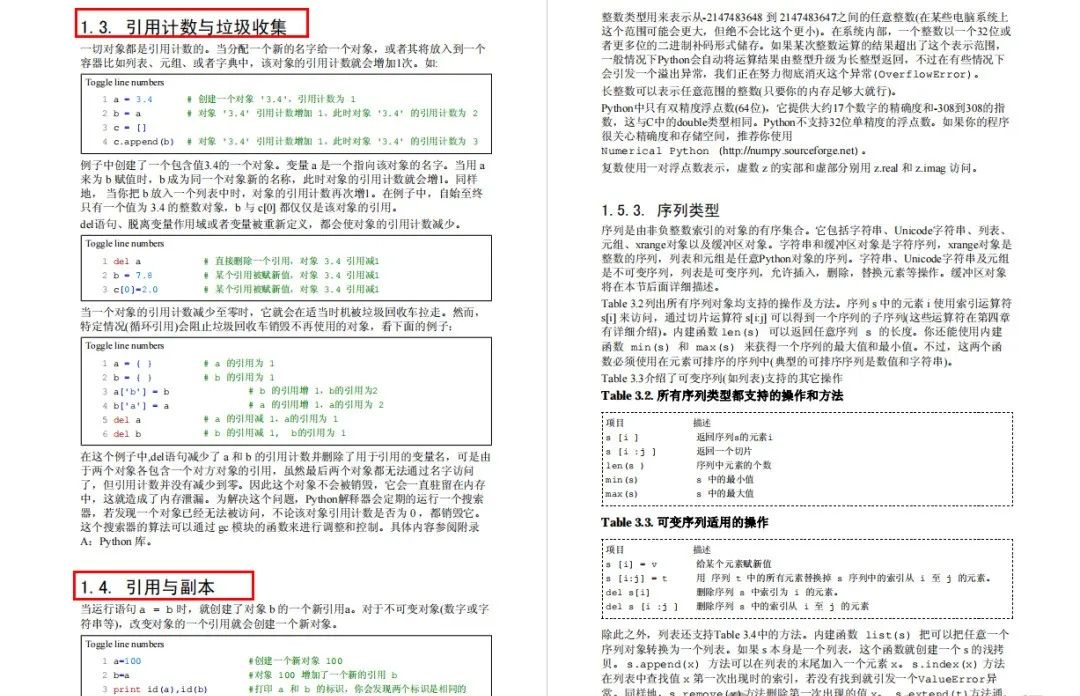
Chapter 3 Types and Objects
-
1. Terminology
-
2. Object Identity and Type
-
3. Reference Counting and Garbage Collection
-
4. References and Copies
-
5. Built-in Types
-
6. Special Methods
-
7. Performance and Memory Usage
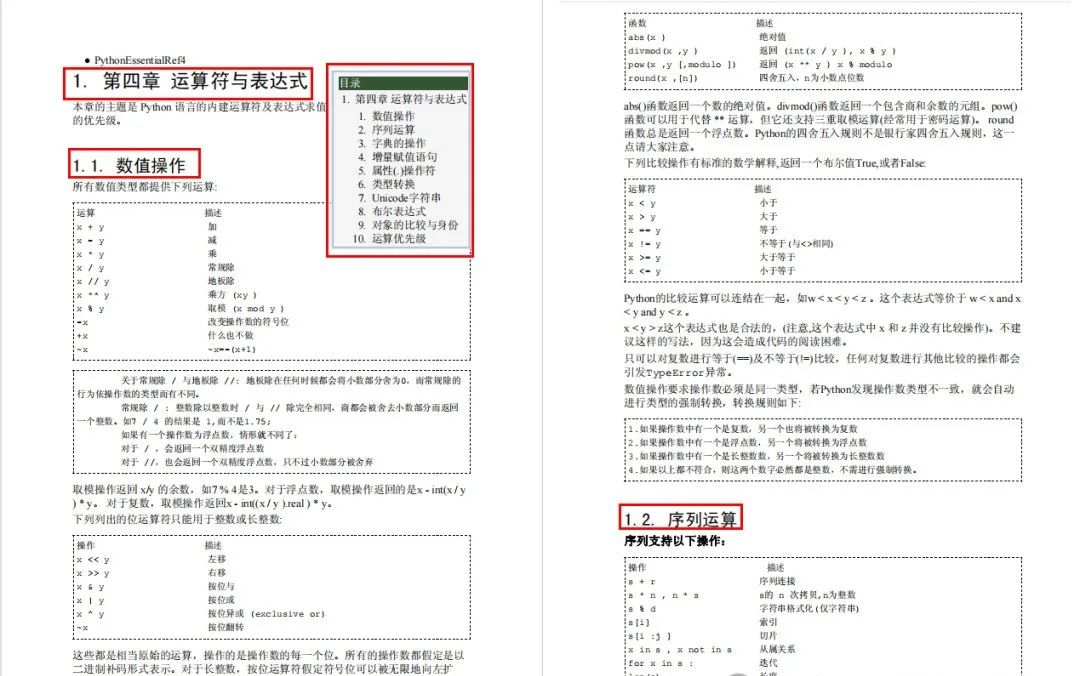
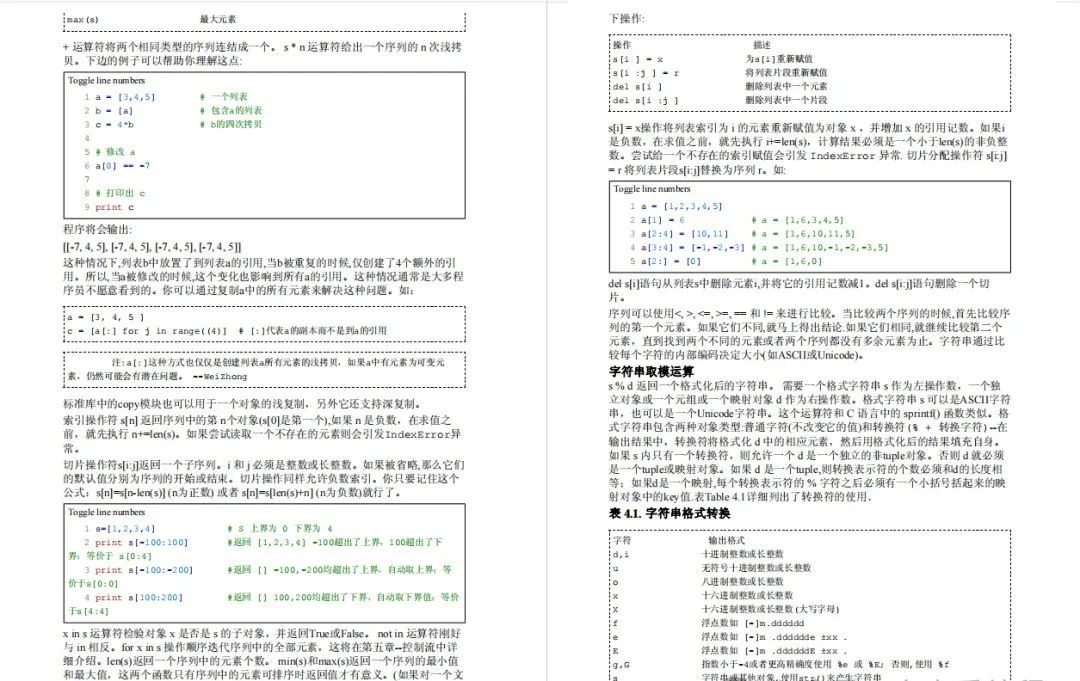
Chapter 4 Operators and Expressions
-
1. Numerical Operations
-
2. Sequence Operations
-
3. Dictionary Operations
-
4. Increment Assignment Statements
-
5. Attribute (.) Operator
-
6. Type Conversion
-
7. Unicode Strings
-
8. Boolean Expressions
-
9. Object Comparison and Identity
-
10. Operator Precedence
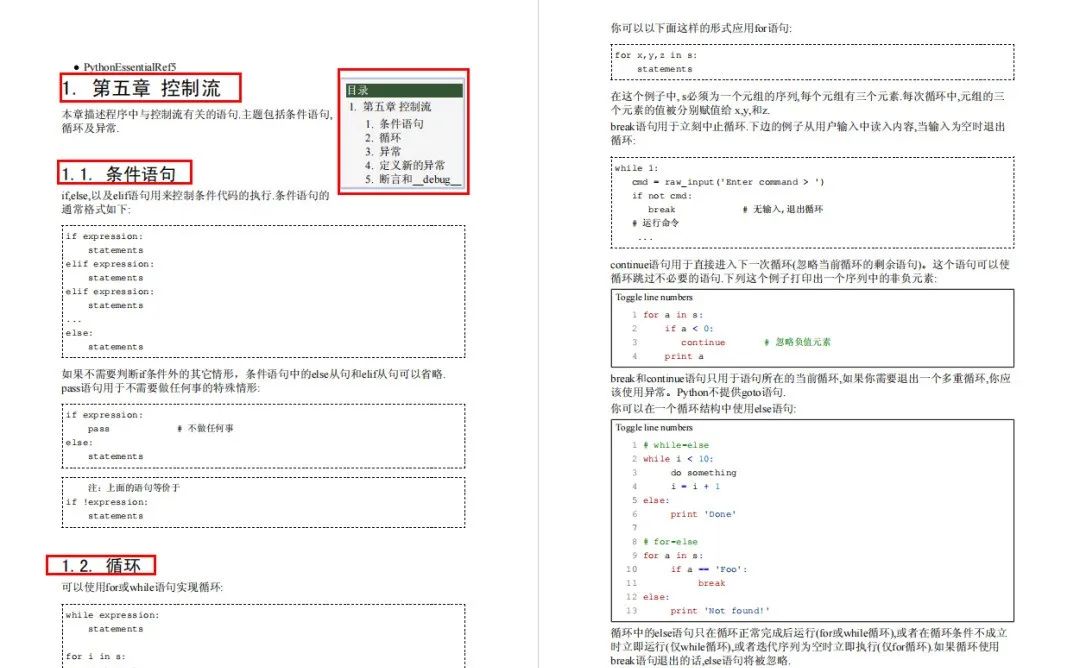
Chapter 5 Control Flow
-
1. Conditional Statements
-
2. Loops
-
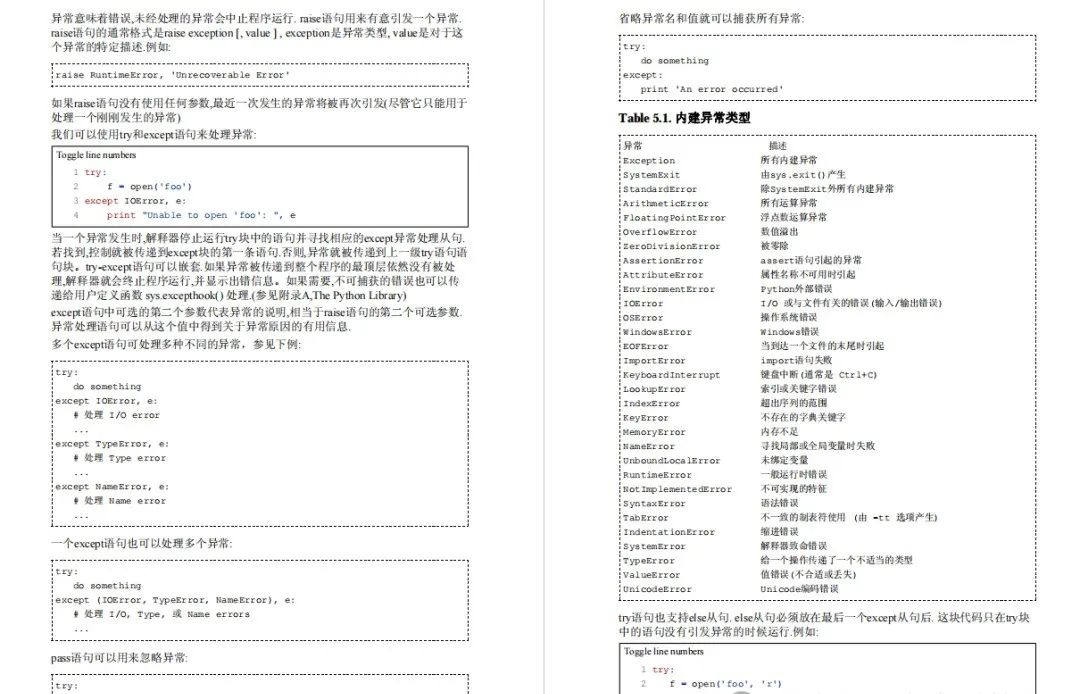
3. Exceptions
-
4. Defining New Exceptions
-
5. Assertions and _debug
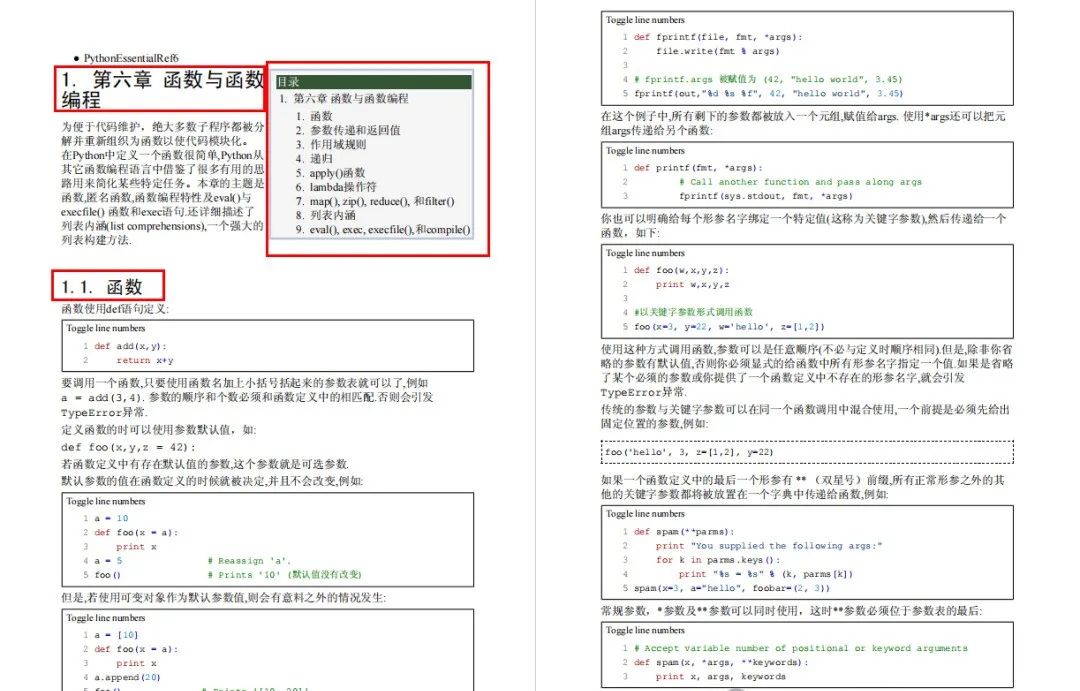
Chapter 6 Functions and Functional Programming
-
1. Functions
-
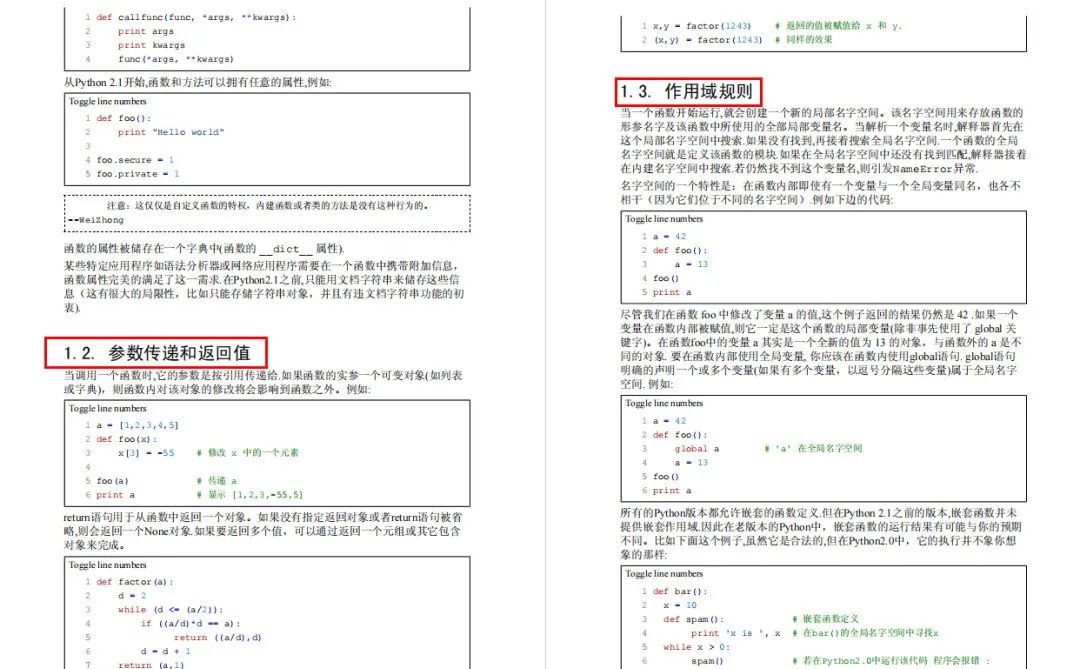
2. Parameter Passing and Return Values
-
3. Scope Rules
-
4. Recursion
-
5. apply() Function
-
6. lambda Operator
-
7. map(), zip(), reduce(), and filter()
-
8. List Comprehensions
-
9. eval(), exec, execfile(), and compile()
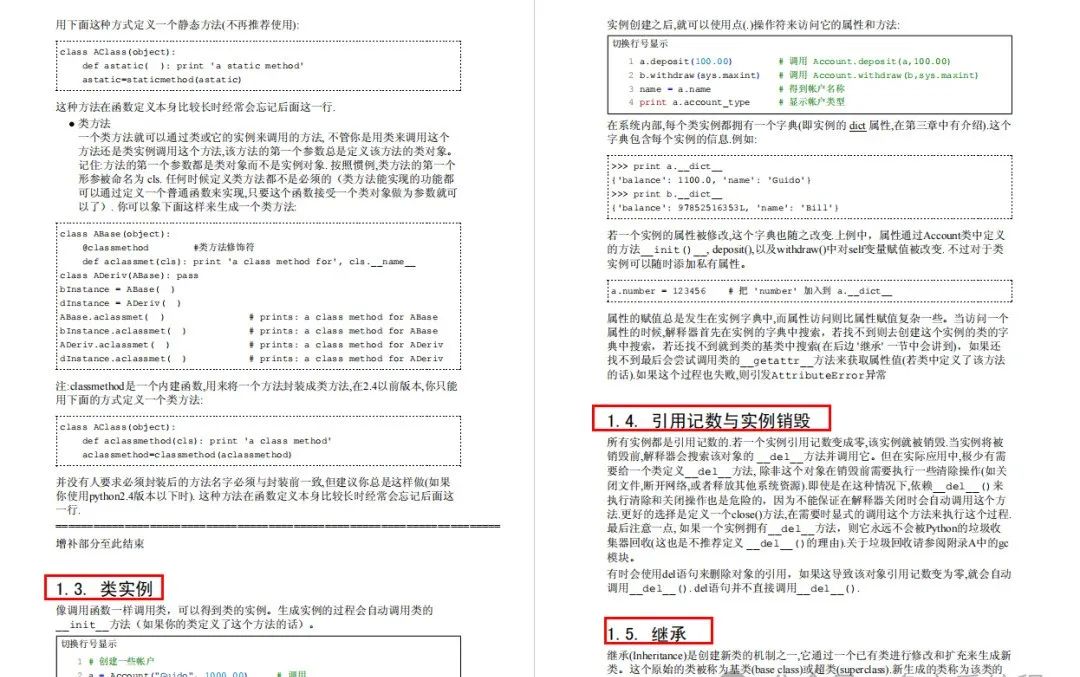
Chapter 7 Classes and Object-Oriented Programming
-
1. class Statement
-
2. Accessing Class Attributes
-
3. Class Instances
-
4. Reference Counting and Instance Destruction
-
5. Inheritance
-
6. Polymorphism
-
7. Data Hiding
-
8. Operator Overloading
-
9. Classes, Types, and Member Detection
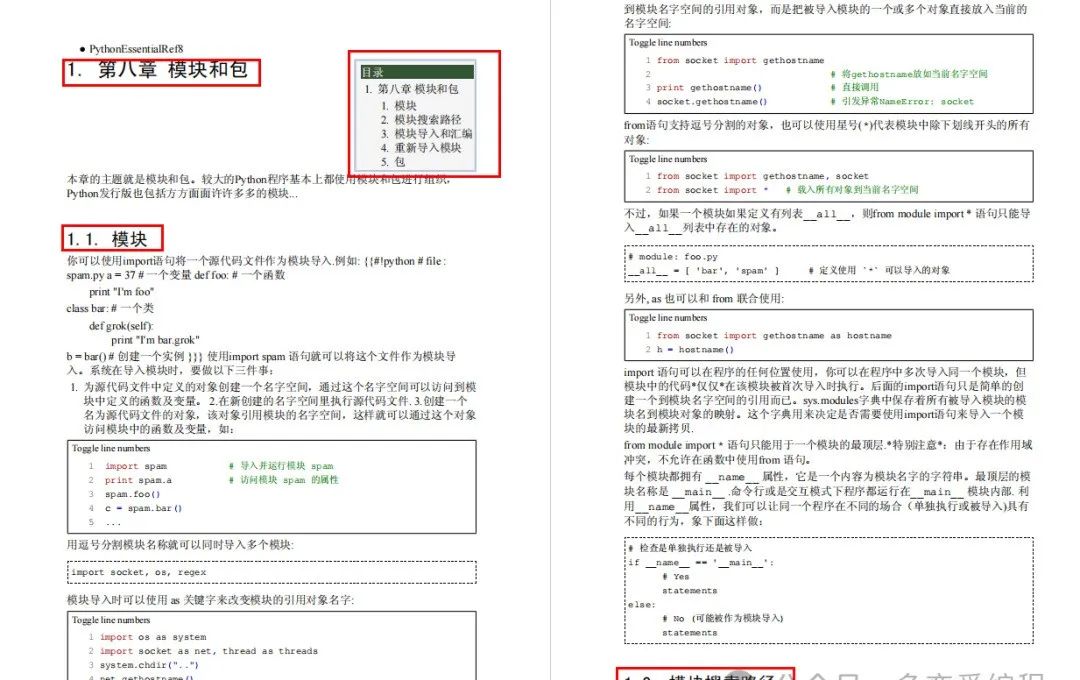
Chapter 8 Modules and Packages
-
1. Modules
-
2. Module Search Paths
-
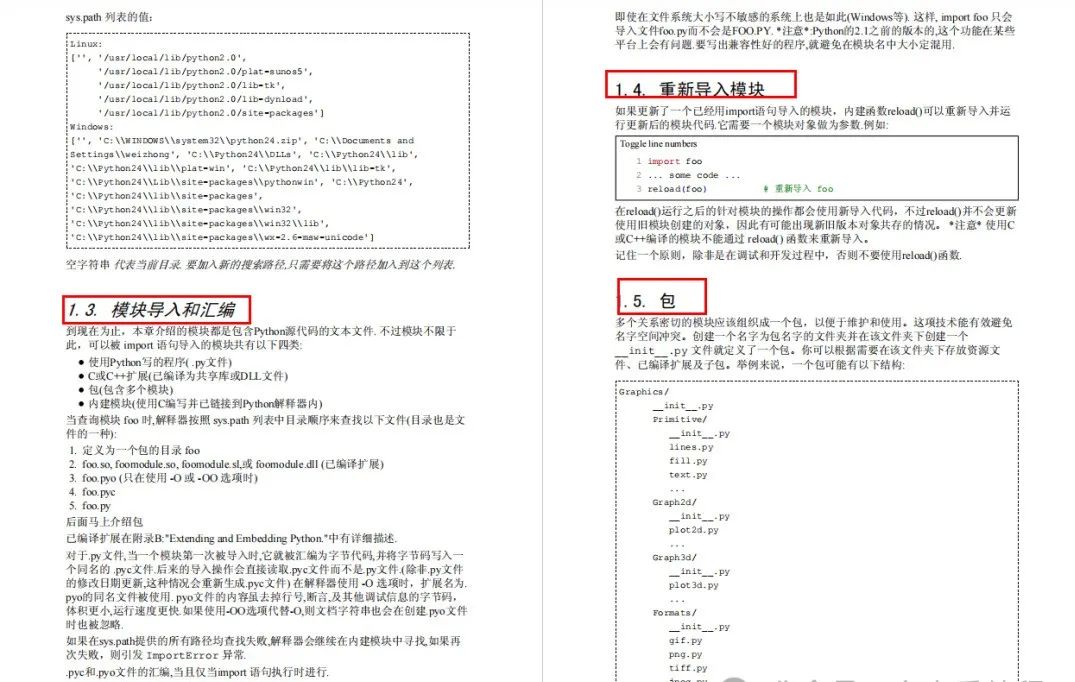
3. Module Importing and Compilation
-
4. Re-importing Modules
-
5. Packages
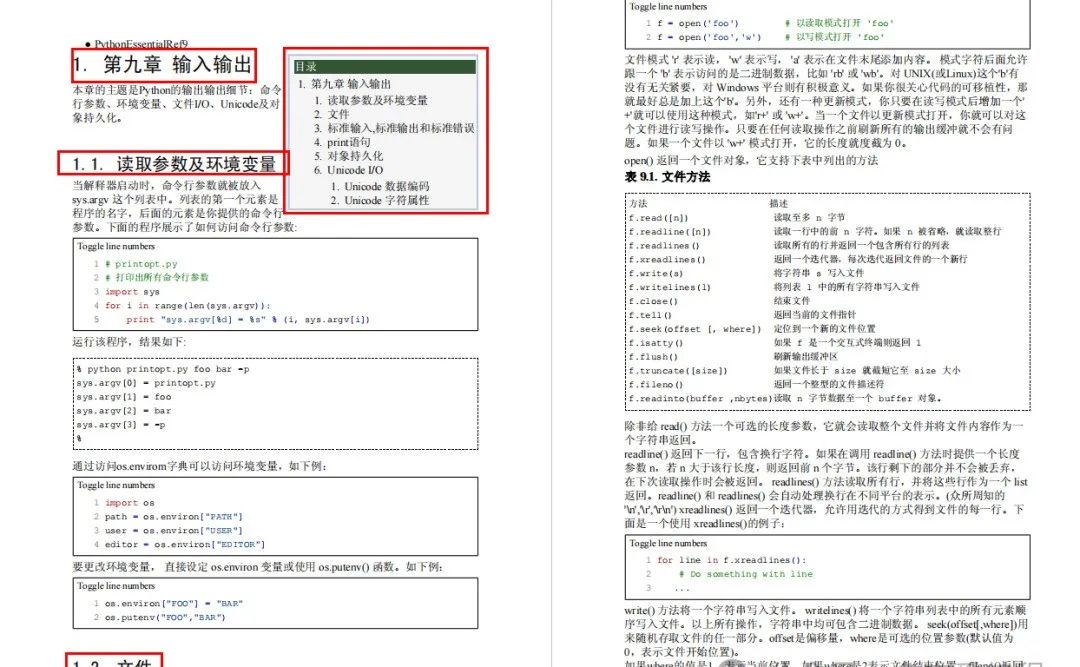
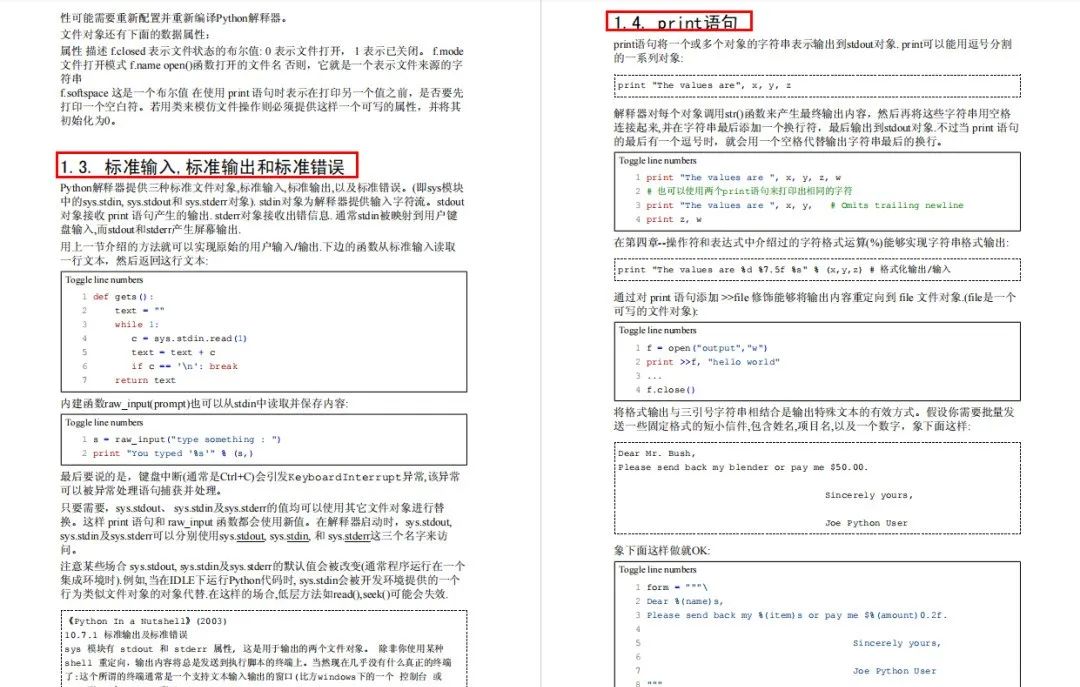
Chapter 9 Input and Output
-
1. Reading Parameters and Environment Variables
-
2. Files
-
3. Standard Input, Standard Output, and Standard Error
-
4. print Statement
-
5. Object Persistence
-
6. Unicode I/O
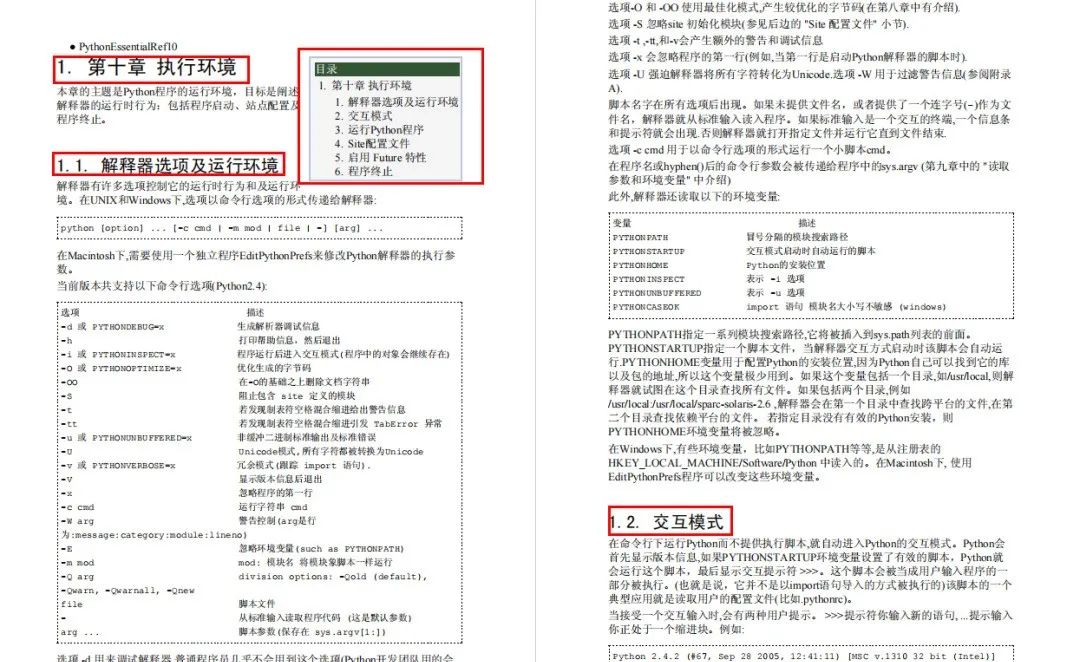
Chapter 10 Execution Environment
-
1. Interpreter Options and Execution Environment
-
2. Interactive Mode
-
3. Running Python Programs
-
4. Site Configuration Files
-
5. Enabling Future Features
-
6. Program Termination
 According to the students’ learning progress, arrange corresponding Python training camps. Spending eight hours a week learning Python with me can improve yourself. The training is free for you.
➕ Add me\/ Oh
How to Obtain:
-
Like + See Again
-
Reply in the public account: ‘python’
Get the latest Python zero-based learning materials for 2024,Reply in the background:Python