Everyone detests it. Translation: Everyone dislikes him. “Detest” means to reject. The “Yushu Sutra” states: If a person does not cultivate good deeds, heaven will surely cut off his spirit and soul, causing him to be rejected and hated by others. Those who resent others for deceiving them do not realize that heaven has deprived them of wisdom, making them out of sync with the times. Now that we are fortunate to hear these words, we should seek to change our aspirations, cleanse our hearts, and turn from evil to good. Then heaven will be merciful and forgiving, and will not punish those who repent for their sins. Past mistakes can be redeemed, and future actions can be planned. Whether one is born with knowledge of the truth or learns it later, as long as one succeeds, the outcome is the same. Never give up on yourself.
 People who do bad things are disliked by everyone. This is because justice resides in the hearts of people, and it reflects the inherent goodness of human conscience. However, we hope to expand this good intention, to pursue good deeds as if we are chasing after them, and to avoid bad deeds as if we are pulling our hands out of hot water. We should encourage ourselves to reach a state where there is only good and no evil. If we only hate the evil deeds of others but do not eliminate our own, can we avoid being disliked by others?
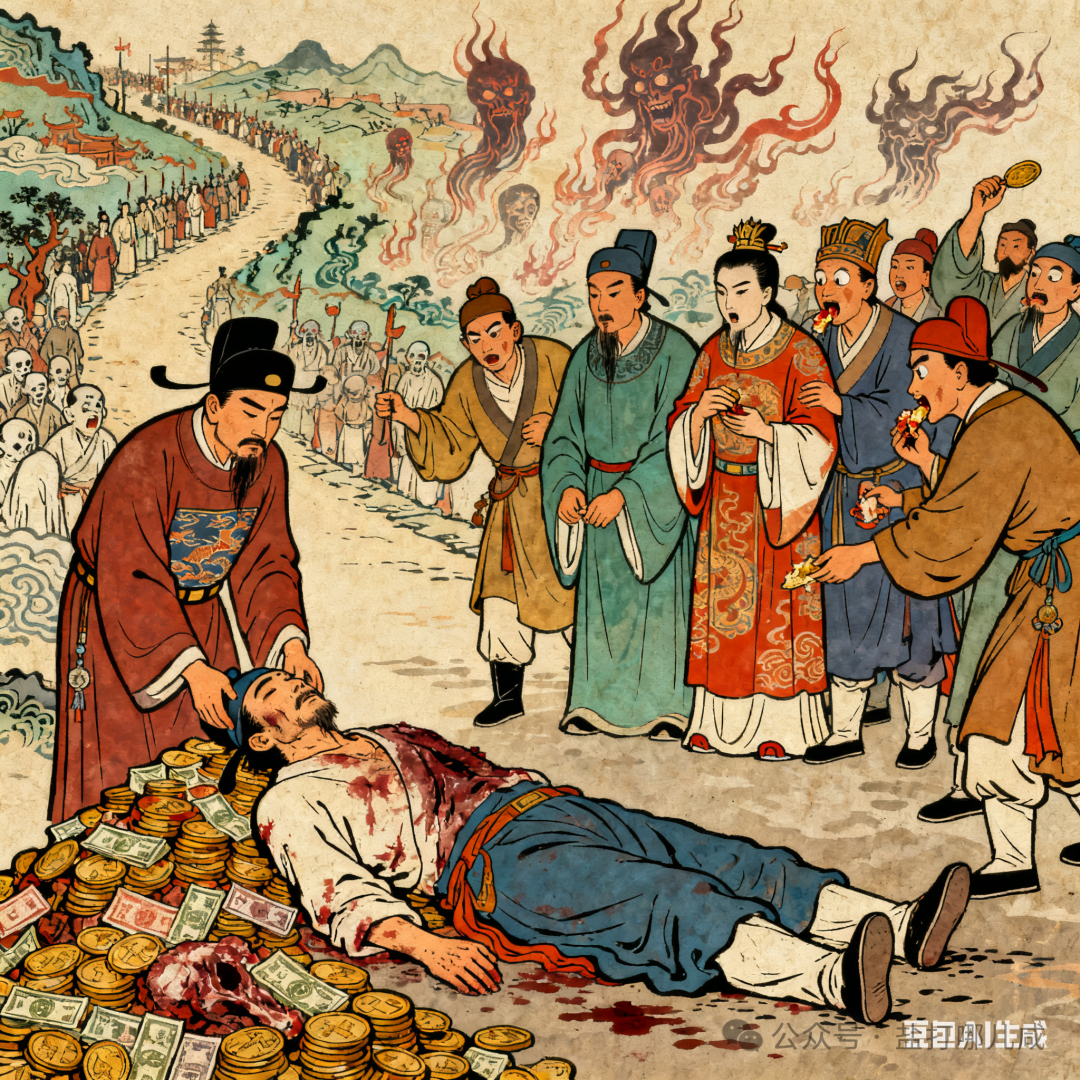
 Case 1: In the Tang Dynasty, Lai Junchen served as a censor and was guilty of corruption and bribery, with countless souls he harmed. Ultimately, he was executed for his treachery, and his body was displayed to the public. People rushed to eat his flesh, dig out his eyes, and extract his heart, and within moments, everything was gone.
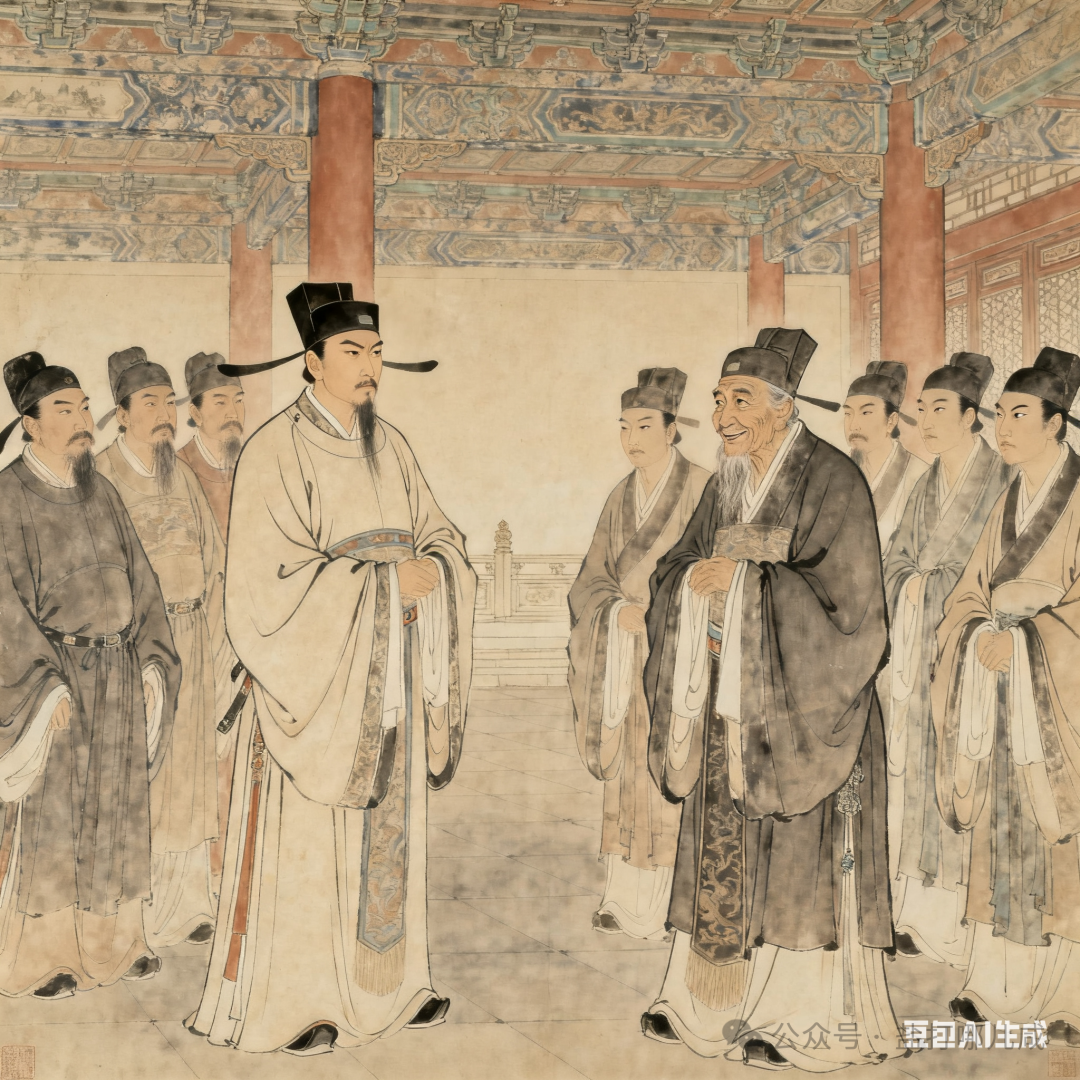
 Case 2: In the Song Dynasty, Ding Wei and Kou Zhun (Duke of Lai) served together in the court. When people mentioned Kou Zhun, they would certainly say he was loyal and upright, while Ding Wei was always described as treacherous and sycophantic. When a good deed was done, it was always credited to Kou Zhun, not necessarily because he did it; when a bad deed occurred, it was always blamed on Ding Wei, not necessarily because he did it.
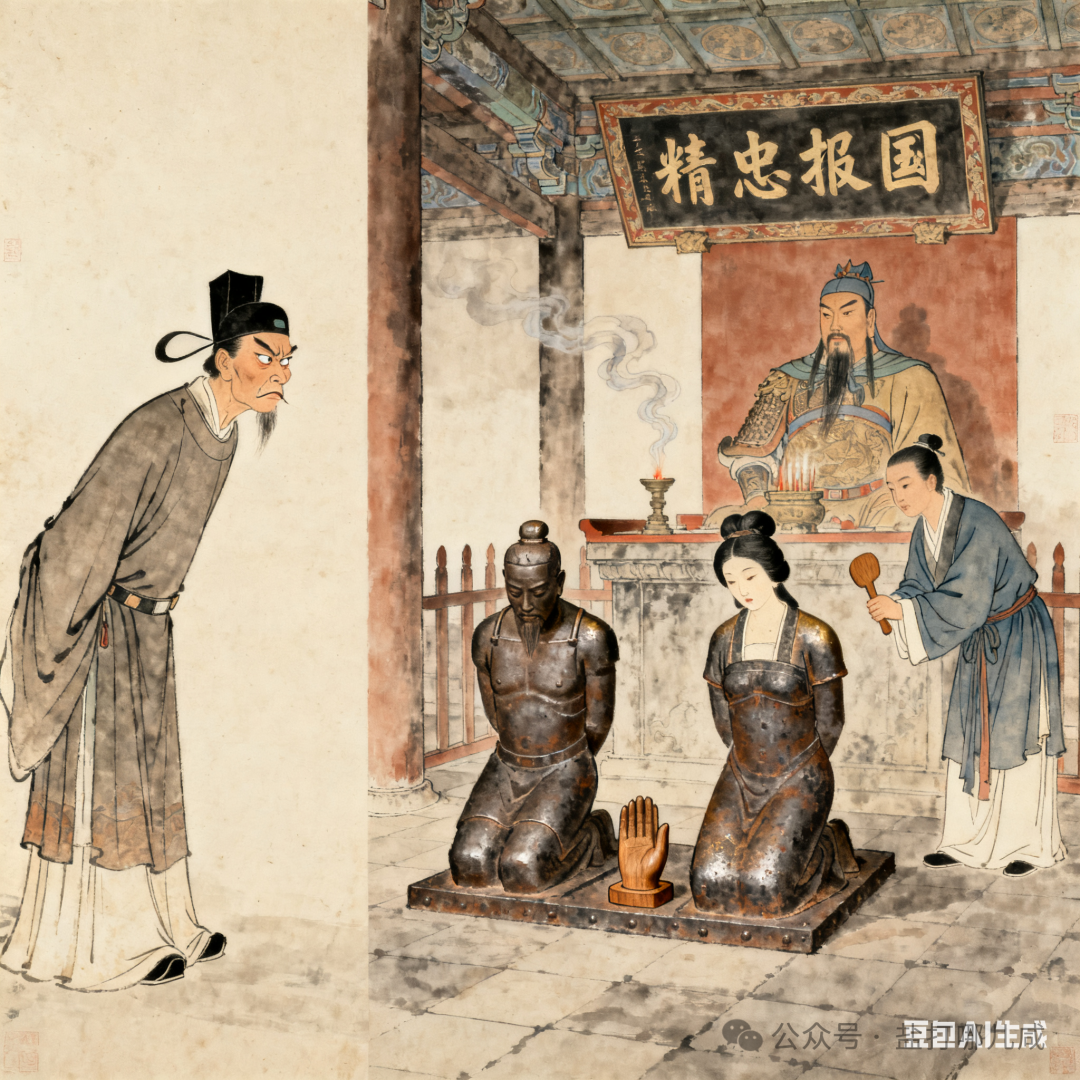
 There was also Qin Hui from the Song Dynasty, who deceived the monarch, harmed the country, and mistreated loyal subjects. For thousands of years, no one has not detested his treachery. In contrast, Yue Fei (General Yue) was loyal to the country, and later generations have admired his character. In his shrine, there are iron statues of Qin Hui and his wife Wang, kneeling before the altar, with a wooden palm hanging above. When people come to pay their respects, they honor General Yue and then take the wooden palm to strike the iron statue.
 In summary, the common people do not have a private inclination towards good or evil; their similar or differing views are merely reflections of the consequences of good and evil.