As technological self-sufficiency becomes a key development factor, the wave of domestic substitution is sweeping through the three core technology industries: CPU, GPU, and SoC. These fields have long relied on imports, but now domestic capabilities have achieved significant breakthroughs.
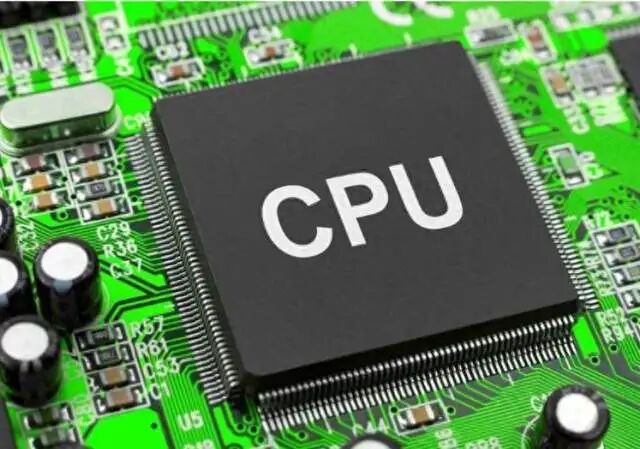
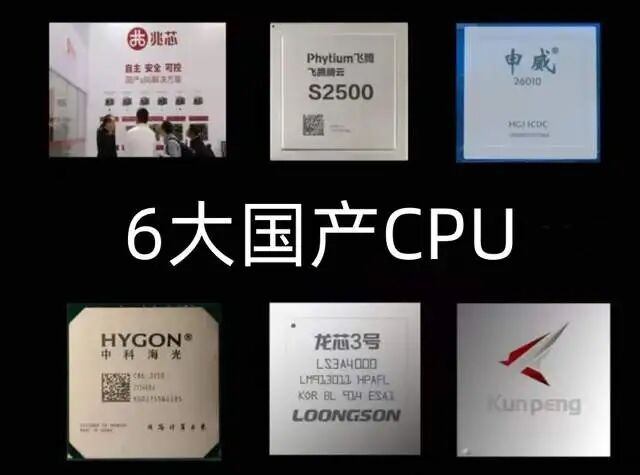
In the CPU sector, among the six major domestic CPUs, Loongson and Haiguang have stood out. Loongson uses its self-developed LoongArch instruction set and employs domestic processes, with performance now only lagging behind Intel and AMD by about two years, achieving true self-sufficiency.
Haiguang, based on the X86 C86 instruction set, supports the installation of Windows systems, with performance also close to that of Intel chips from two years ago. Both have become the “leaders” in the current domestic CPU market.
The GPU field is divided into two categories: general rendering GPUs and AI acceleration cards. In the general rendering category, Moore Threads has performed impressively, with its MUSA architecture and MTT S80 graphics card reaching the level of NVIDIA’s RTX 3060, meeting daily gaming and professional graphics needs.
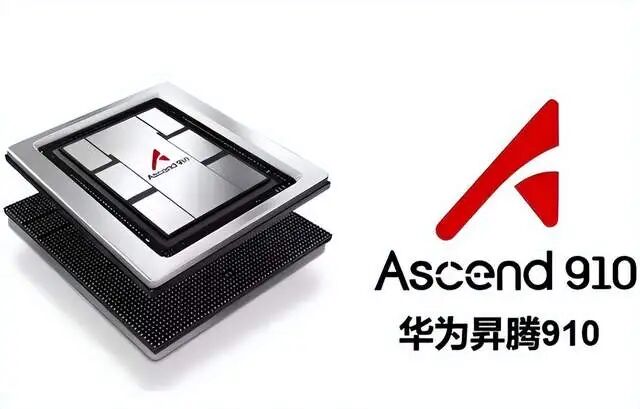
In the AI acceleration card sector, three major manufacturers—Huawei Ascend, Cambricon AI chips, and Haiguang DCU—have excelled, replacing NVIDIA products in various AI computing scenarios, steadily increasing their market share and becoming the “main force” in domestic substitution.
In the SoC (mobile chip) sector, the three major domestic manufacturers are Unisoc, Xiaomi, and Huawei HiSilicon.
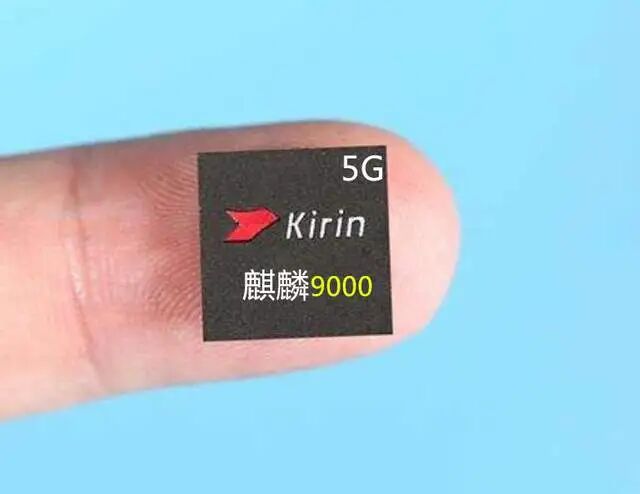
Huawei HiSilicon once competed directly with Qualcomm and Apple with its Kirin chips, but due to process limitations, the current performance of Kirin chips is slightly lagging. The strongest performance currently is from Xiaomi’s Xuanjie series, followed by Kirin, with Unisoc closely behind. The three manufacturers are jointly promoting domestic mobile chips to higher levels.
In addition to CPUs, GPUs, and SoCs, domestic substitution has also extended to fields such as autonomous driving chips, cockpit chips, and 5G RF chips.
However, more importantly, this is not just a simple “substitution”; it is a reconstruction of the industrial ecosystem—from hardware to software, from single products to a full-chain layout. The development of domestic chips is driving the collaborative progress of domestic operating systems, domestic AI ecosystems, and ultimately forming a self-sufficient industrial ecosystem.
This ecological reconstruction is what the United States is truly concerned about. Because when China forms a complete ecosystem in core technology fields, it will completely break free from external dependence, achieving a transformation from “catching up” to “leading.” Every breakthrough in domestic substitution is accumulating momentum towards this goal.