Bookmark the “Lei Technology Lite” mini-program to never miss exciting content.

Editor: Zhong Lilei
Layout: Shan Huan
At the recently concluded 2022 Snapdragon Summit, the second-generation Snapdragon 8 mobile platform was officially unveiled.
This top-tier mobile platform shows significant improvements in both performance potential and energy efficiency, promising to elevate the experience of flagship smartphones set to launch at the end of 2022. The new wave of smartphone competition it enables will be even more exciting than we previously anticipated.
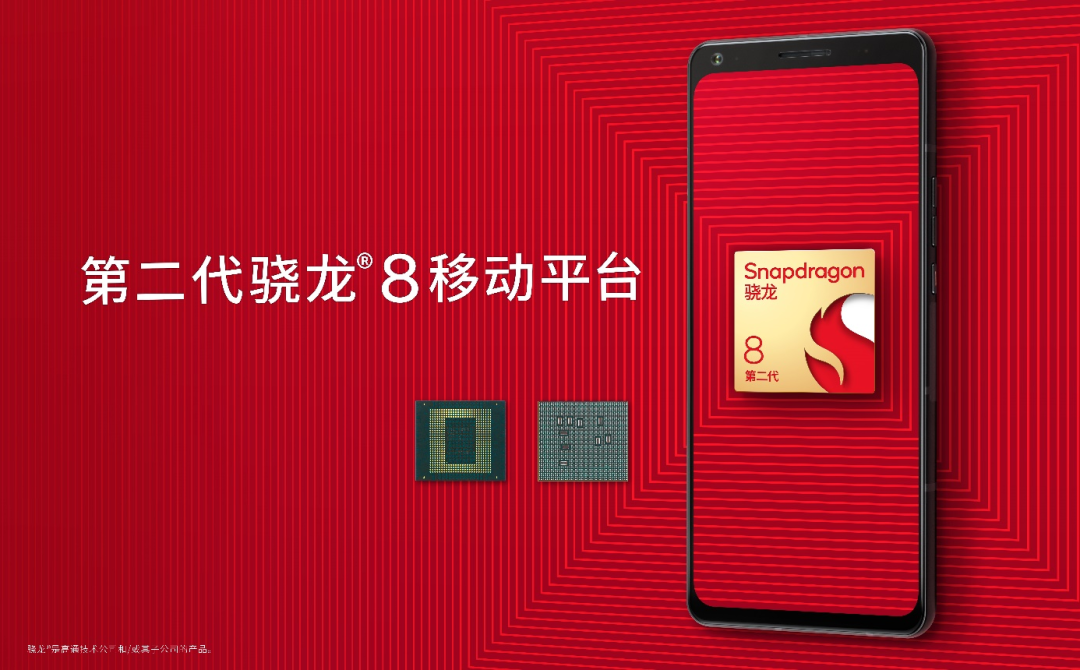
On the other hand, with the dual evolution of AI technology and experience, the second-generation Snapdragon 8 mobile platform establishes a new benchmark for connected computing, heralding a new era. Key factors influencing smartphone performance will extend beyond general computing capabilities to include numerous details designed for specific computational needs and scenarios, redefining what it means to be “comprehensive and versatile.”
Comprehensive AI Transformation
AI is omnipresent in the second-generation Snapdragon 8 mobile platform, constantly allowing users to feel the power of technology.
Significant Advances in AI Performance
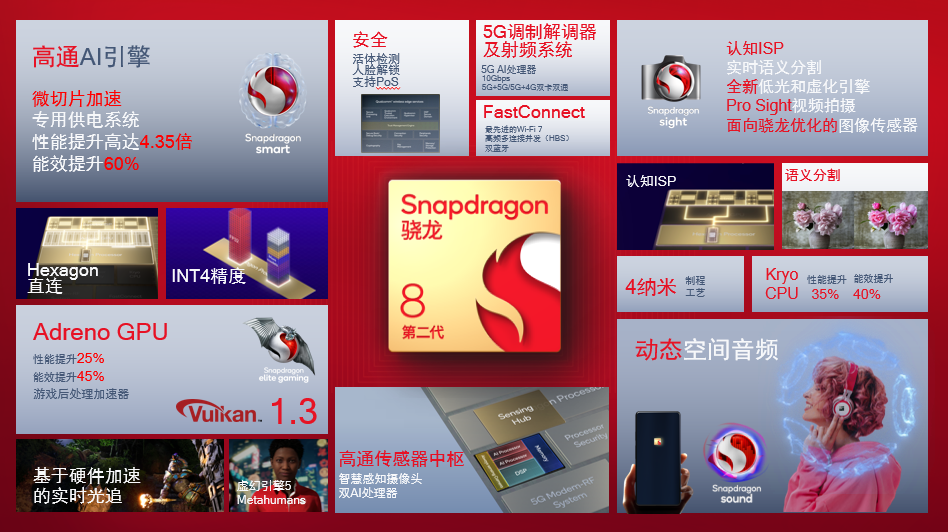
It is well-known that the Snapdragon flagship mobile platform is among the best in AI performance available on the market. Qualcomm has achieved over 2 billion units of AI product shipments over the years, and the second-generation Snapdragon 8 takes a bigger leap than ever before. The Hexagon processor dedicated to heavy AI inference continues to grow in size, and with the addition of a tensor accelerator, AI performance has increased by 4.35 times.
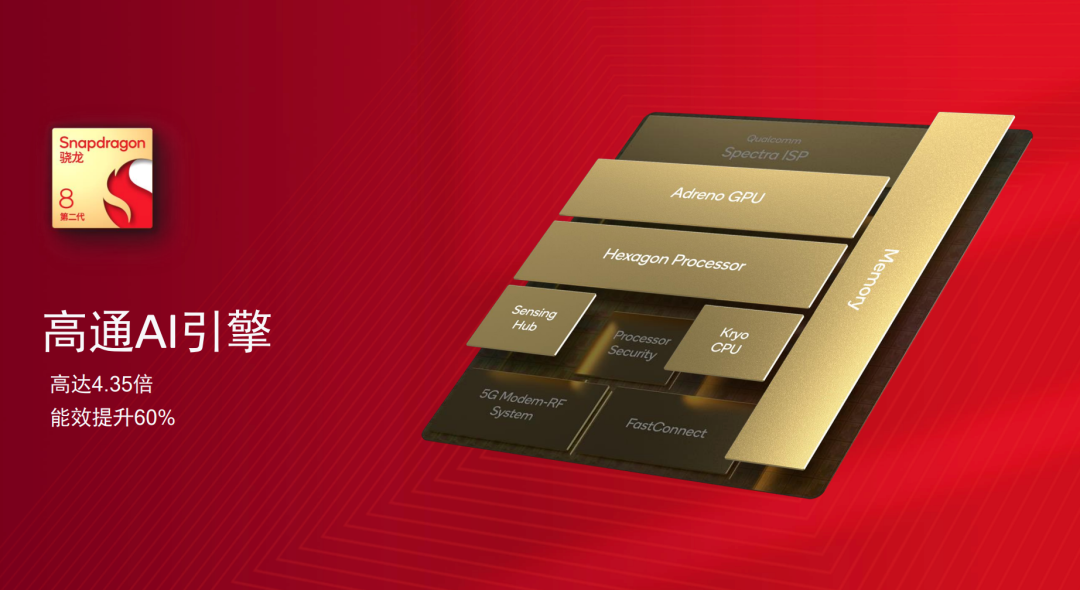
The introduction of micro-slice inference allows the phone to use “task slices” to maximize computing power, fully leveraging computational performance, while an independent power supply design ensures reliability and performance. INT4 will bring a 60% improvement in energy efficiency and a 90% boost in AI inference performance.Thus, the second-generation Snapdragon 8 can achieve more powerful AI computing while remaining energy-efficient.
Fast, Energy-Efficient, and Secure
It’s not just the Hexagon processor that has become more powerful in handling heavy AI tasks; Qualcomm’s Sensing Hub now features two AI processors, enabling low-power real-time face and eye tracking, custom wake word interactions, and quick QR code scanning. Importantly, computational data will not leave the Sensing Hub, thus fully protecting user privacy.
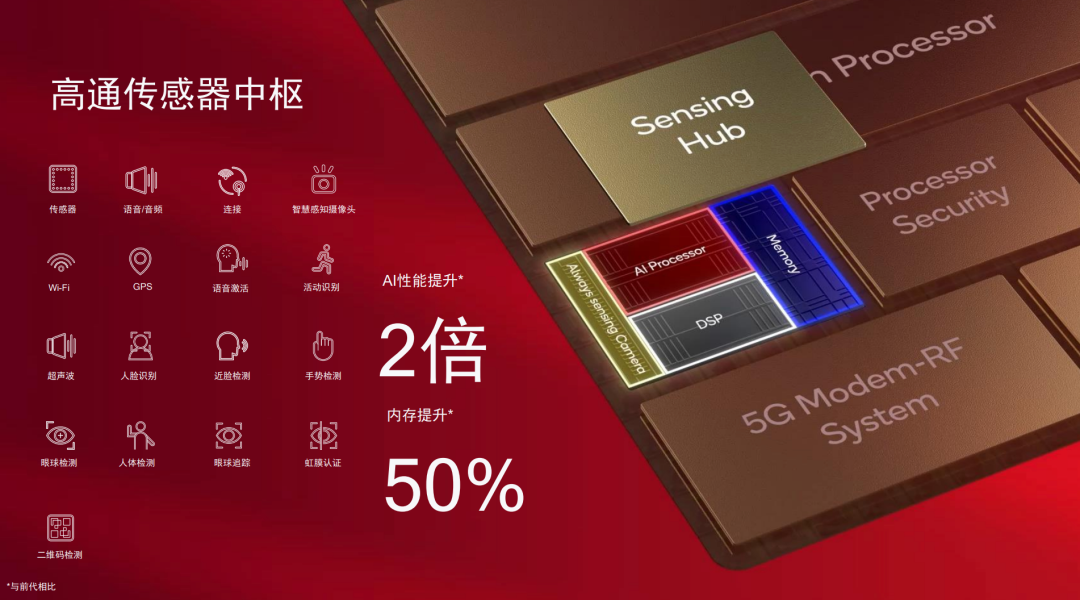
Yes, the second-generation Snapdragon 8 also evolves in terms of security capabilities. The integrated security module (SPU) features independent memory and storage, supporting the latest isolation, encryption, key management, and authentication functions, effectively preventing spoofed faces from bypassing facial recognition.
Hardware and Software Advancements Go Hand in Hand
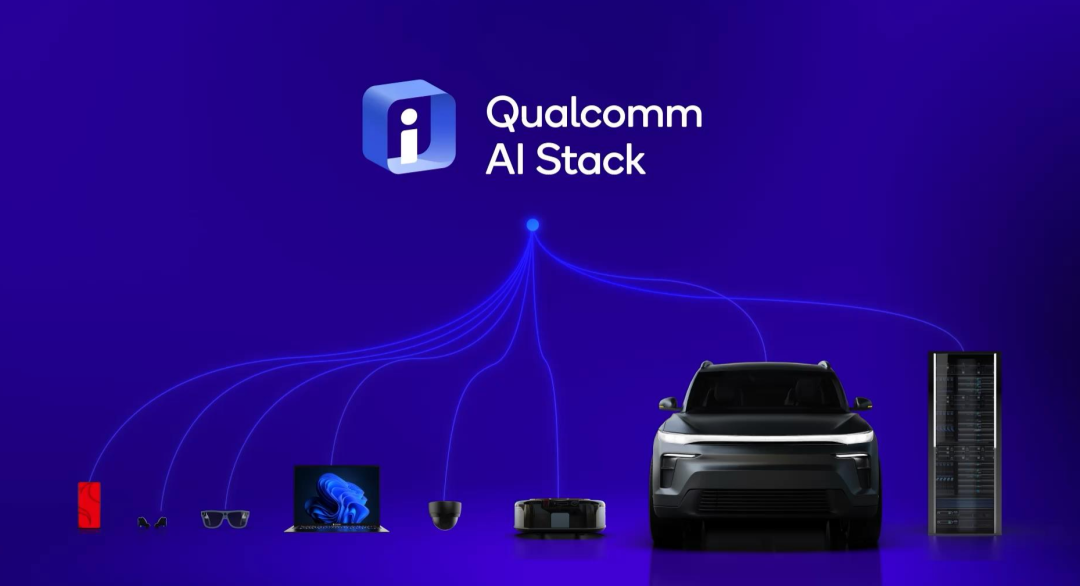
Dedicated integrated circuits significantly enhance AI computing efficiency, but they require better coordination between software and hardware transformations to fully unleash their performance. To this end, Qualcomm has introduced the AI Stack software framework—bridging the underlying system to the top-level AI framework, supporting mainstream AI frameworks like TensorFlow, making it easier for developers to equip the second-generation Snapdragon 8 with more powerful AI computing capabilities.
The potential of Qualcomm AI Studio should not be underestimated; this AI model development suite includes a graphical interface and visualization tools, fully leveraging the CPU, GPU, Hexagon processor, and Sensing Hub within the mobile platform, applying AI to its full potential.Qualcomm emphasizes that these capabilities support all smart connected devices, extending beyond smartphones to audio, XR, PCs, smart cabins, and more.
Advanced Features at Your Fingertips
With a better Transformer network computing foundation on the second-generation Snapdragon 8, smartphone manufacturers can achieve more powerful on-device functionalities without needing a network connection. Xiaomi’s on-device Xiao Ai translation is particularly impressive, as Qualcomm’s hardware and software support allows inference models that originally ran on cloud servers to be quickly and completely migrated to smartphones, achieving a response speed and usability that are remarkably close.
Even offline, users can access real-time subtitles, text image translation, and other features on Xiaomi smartphones powered by this mobile platform.Thanks to improved AI efficiency, bilingual subtitles that were online have evolved into real-time trilingual subtitles in offline mode. Xiaomi demonstrated real-time translation of English content into Chinese and Spanish. This powerful offline version of Xiao Ai is set to officially launch in 2023.
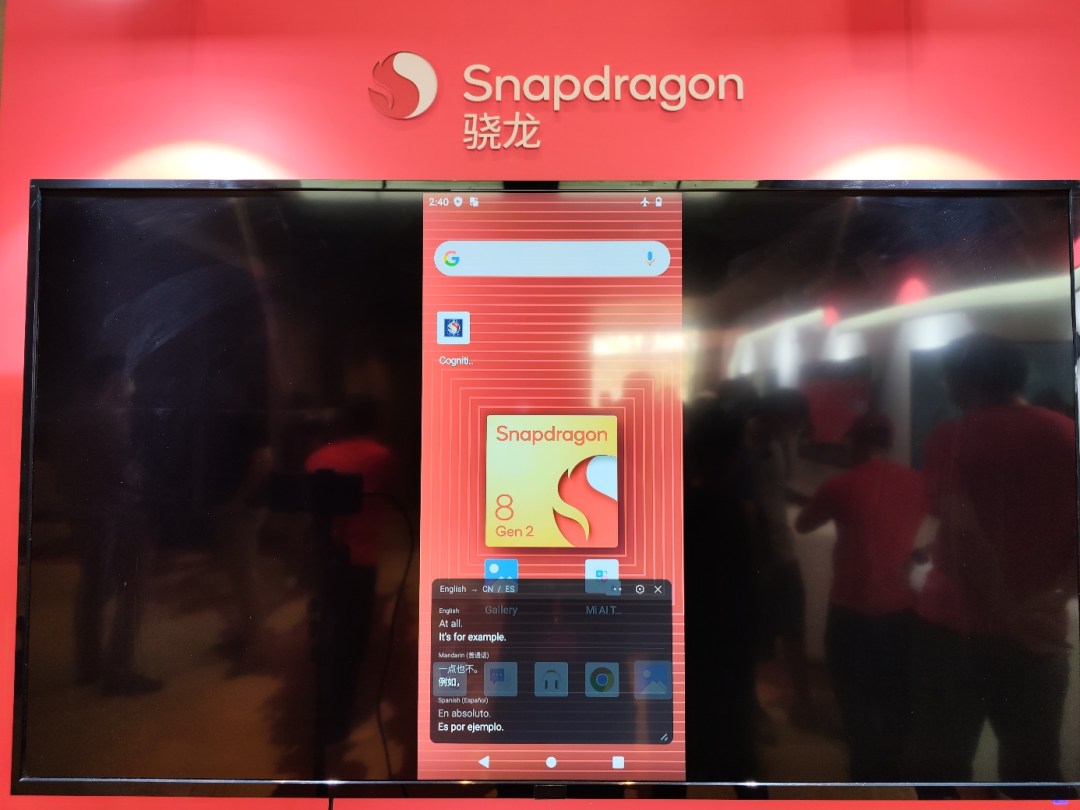
“Cognitive Innovation” Reshapes Imaging Technology
With the second-generation Snapdragon 8, the new generation Spectra ISP has a new name—Cognitive ISP. From the first dual ISP to CV-ISP, then to the three ISPs, and now to the first cognitive ISP, Snapdragon’s definition of ISP continues to evolve, closely tied to its capabilities. From now on, it can real-time decompose photos and videos into smaller granularities for more precise processing and optimization.
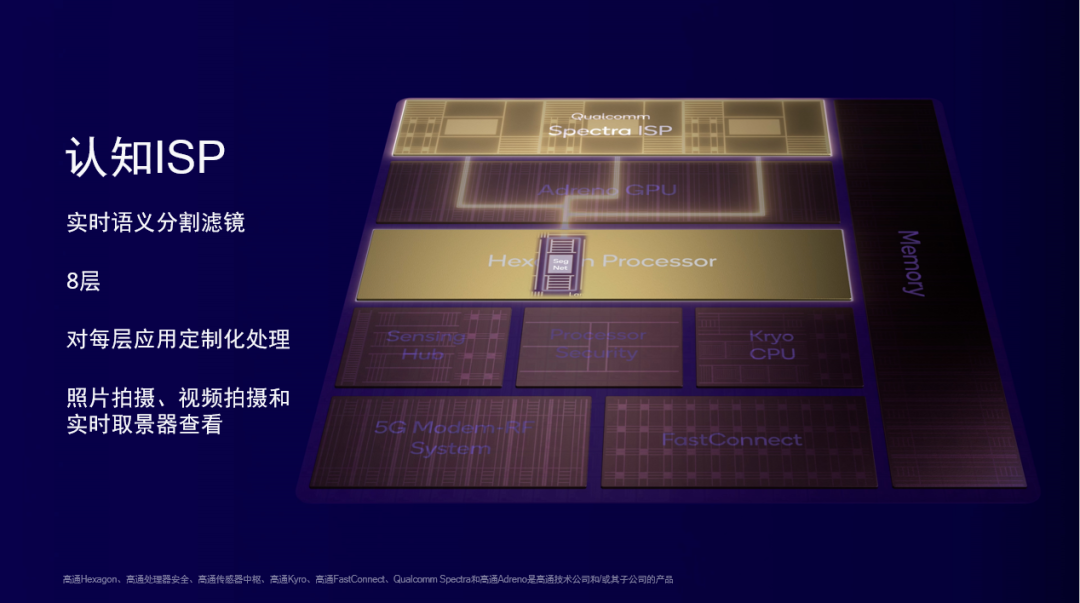
AI-driven real-time semantic segmentation allows the second-generation Snapdragon 8 to understand and process information captured by the smartphone camera even before the shutter is pressed:It can distinguish the entire scene into multiple layers of detail such as faces, expressions, hair, and background, and simultaneously adjust based on the most suitable algorithms, ensuring optimal results from overall to local.
Qualcomm provided an example that highlights its capabilities: real-time semantic segmentation can not only recognize faces but also separately process features such as facial features, hair, skin, and teeth. Accessories like watches, bags, and glasses can be recognized as separate from the human body, while reflections and glare on glasses can be eliminated during “real-time retouching,” enhancing portrait photography.
AI Strengthens 5G Connectivity
You read that right. With the introduction of the second-generation Snapdragon 8 featuring the Snapdragon X70 5G modem and RF system, the classic component of smartphones—the baseband—now harnesses the power of AI. While 5G networks provide significant speed enhancements, they also bring higher power consumption. The introduction of AI aims to connect to networks more efficiently, thereby reducing the overall power consumption of using 5G.
As a result, the second-generation Snapdragon 8 can deliver a maximum 10Gbps 5G network download speed while maintaining low latency and better signal and energy efficiency. Another change that high-end smartphone users in China will truly feel is that it will become the first Snapdragon mobile platform to support dual SIM dual standby for 5G+5G/4G right from its launch, making it more convenient to use dual SIMs for calls and internet access.
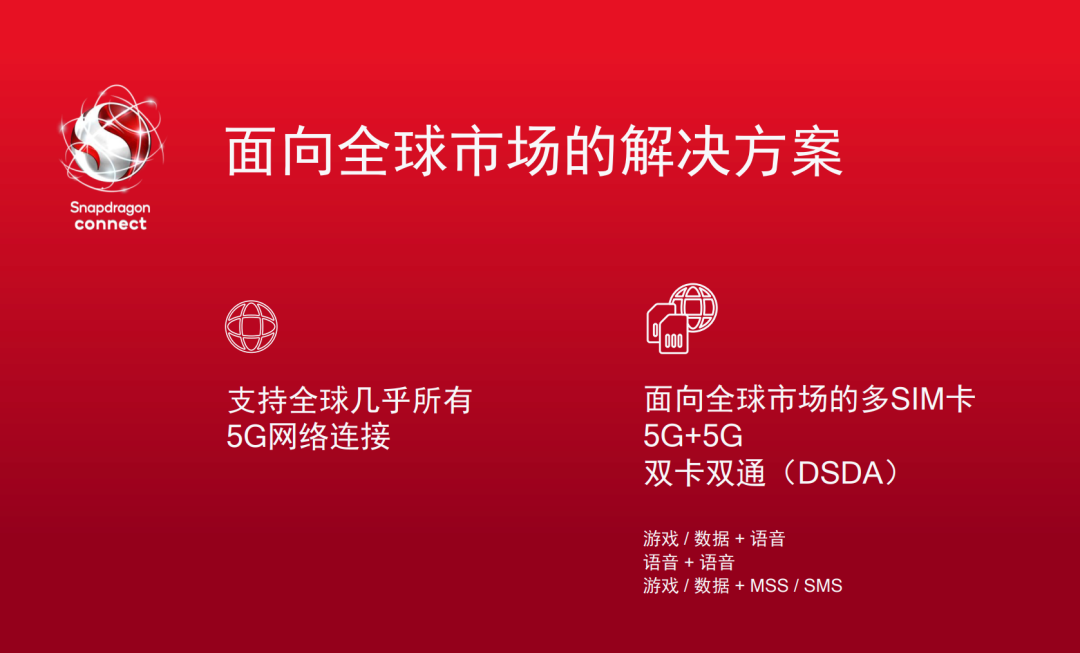
As you can see, AI has permeated every aspect of the smart experience on mobile platforms, with any feature you inadvertently use reflecting improvements in efficiency brought by AI. Furthermore, the second-generation Snapdragon 8, backed by advanced AI technology, is expected to bring unprecedented capabilities to connected computing, extending from smartphones to more scenarios, which is where Qualcomm’s ongoing innovation shines.
Evolution of Flagship Smartphone Experience
With AI and multiple components upgraded, the second-generation Snapdragon 8 has become a more powerful mobile platform with excellent energy efficiency, allowing us to have substantial expectations for the upcoming high-end smartphone experience.
Power and Efficiency Go Hand in Hand
The second-generation Snapdragon 8 features an unusual octa-core CPU architecture: under the 1+4+3 combination, the super core (super core) reaches up to 3.2GHz with 1*Cortex-X3, the large cores (performance cores) reach up to 2.8GHz with 2*Cortex-A715 and 2*Cortex-A710, and the efficiency cores reach up to 2.0GHz with 3*V2 Cortex-510, with all eight cores sharing 8MB of L3 cache.
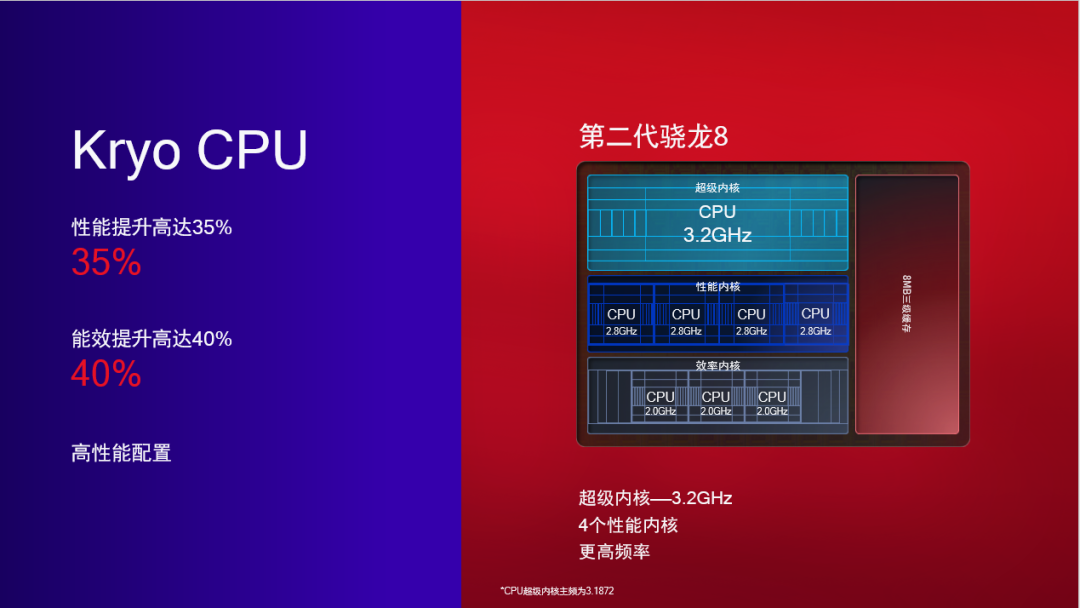
The super core has achieved a 35% performance improvement and a 40% energy efficiency boost, making it more adept at handling large games and intensive data processing. The coexistence of Cortex-A715 and Cortex-A710 means that in an era where 64-bit applications are mainstream but 32-bit applications still have demand, the second-generation Snapdragon 8 will have better software compatibility.It has both power and inclusivity, and its energy efficiency performance is even more promising.
When discussing performance, we cannot overlook gaming, which is a scene where ordinary users can most noticeably feel the changes brought by the mobile platform. The new generation Snapdragon Elite Gaming has brought a transformative evolution in gaming experience, being the first to support the latest Vulkan 1.3 graphics interface, with post-processing performance improvements of up to 75%. Most impressively, it debuts hardware real-time ray tracing on the Snapdragon platform.

Ray tracing means games can simulate the trajectory of light, presenting players with a more realistic lighting effect in the game.PC gamers have already experienced its wonders; the second-generation Snapdragon 8 is capable of processing hundreds of billions of ray intersection calculations per second, making it the first real-time ray tracing GPU below 5 watts. According to Qualcomm, the hardware real-time ray tracing of the second-generation Snapdragon 8 “consumes almost no power.”
With shadow noise reduction speeds four times faster than similar mobile solutions and other technological enhancements, mobile ray tracing is now within reach. In addition to content produced by Qualcomm studios, NetEase’s Thunder Fire Studio’s mobile game “Nirvana in Fire” and smartphone manufacturers OPPO and iQOO have also showcased their respective ray tracing demonstrations, all exhibiting impressive quality, frame rates, and thermal performance.

Comprehensive Upgrades for Better Imaging
The Cognitive ISP provides a better foundation for imaging enhancement, but the new generation Snapdragon imaging technology is certainly more than that.In the previous generation, it was already capable of processing 3.2 billion pixels per second, capturing 18-bit images with three cameras. Under zero shutter lag conditions, it can achieve 30 frames per second, with each shot reaching 108 million pixels, making it the fastest in the industry. However, Qualcomm did not emphasize parameters at this summit but rather focused on aspects that directly impact user experience, specifically how to help ordinary users easily capture better photos and videos.
With the evolution of the ISP for processing images, it is necessary to enhance the upstream sensors that capture images. Snapdragon has deep collaborations with the most mainstream sensor manufacturers like Sony and Samsung.On Sony’s IMX989 and IMX800 sensors, set to be used in several high-end smartphones, they jointly support quadruple exposure digital overlay (QDOL4) technology, achieving ultra-high dynamic range with each frame undergoing four exposures.

On the Samsung side, the collaboration has resulted in the debut of the ISOCELL HP3, a 200MP sensor that may appear in the next generation of Samsung flagship smartphones. Users can shoot photos at 200 million, 50 million, or 12.5 million pixels, and when paired with the second-generation Snapdragon 8, the 200 million pixel photos will exhibit more detailed image quality, along with advanced capabilities like HDR video shooting and 8K video recording.
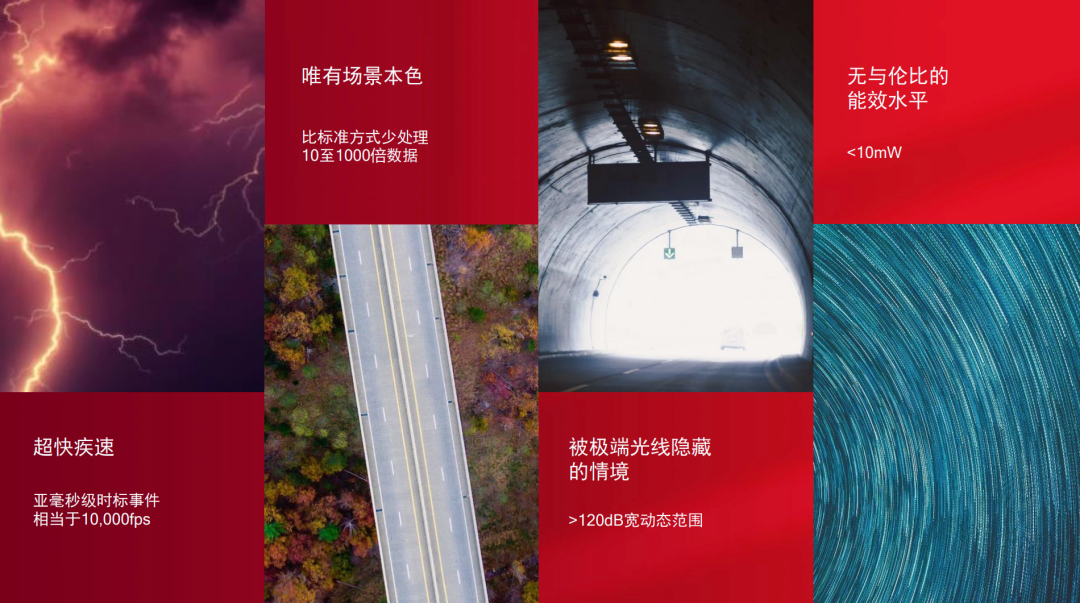
In collaboration with Prophesee, they have introduced the world’s first event-based visual sensor that allows the phone to only record images that have changed. By only recording portions instead of the entire frame, the phone can capture clearer images of lightning and wide dynamic range scenes, while also reducing the data processed and power consumed.
The blur engine 2 enables the phone to simulate f/1.4 aperture blur effects. Qualcomm’s partner ArcSoft has also brought a director mode video recording feature that can automatically select the most suitable focus and smoothly switch in real-time when multiple subjects appear in the frame, allowing for natural focus changes on devices powered by the second-generation Snapdragon 8.
Qualcomm and Google’s collaboration at the system level has become closer, with Android 13 (the underlying system version for second-generation Snapdragon 8 devices) providing standard APIs for 10-bit HDR, image engine, selfie stabilization, and Dolby Vision video shooting, playback, and editing, making it easier for application developers to utilize. Pro Sight enables high bitrate recording, facilitating post-processing.

Cognitive capabilities are not limited to the shooting process; they will also add corresponding tags to images for easier retrieval. Notably, the keywords used to search for photos and videos can be less rigid, allowing for general emotional expressions or relatively vague descriptions to yield fairly precise results. This will make you feel that smartphones have become more intuitive.
Faster and Easier Connectivity Experience
Snapdragon Sound technology has been upgraded on the second-generation Snapdragon 8, including but not limited to 48kHz lossless music streaming, ultra-low latency of 48 milliseconds, and dynamic spatial audio. The most significant change is that smartphones can achieve a better sound quality true wireless listening experience, with further reduced latency during the connection process from the phone to the headphones, making it closer to a wired connection.
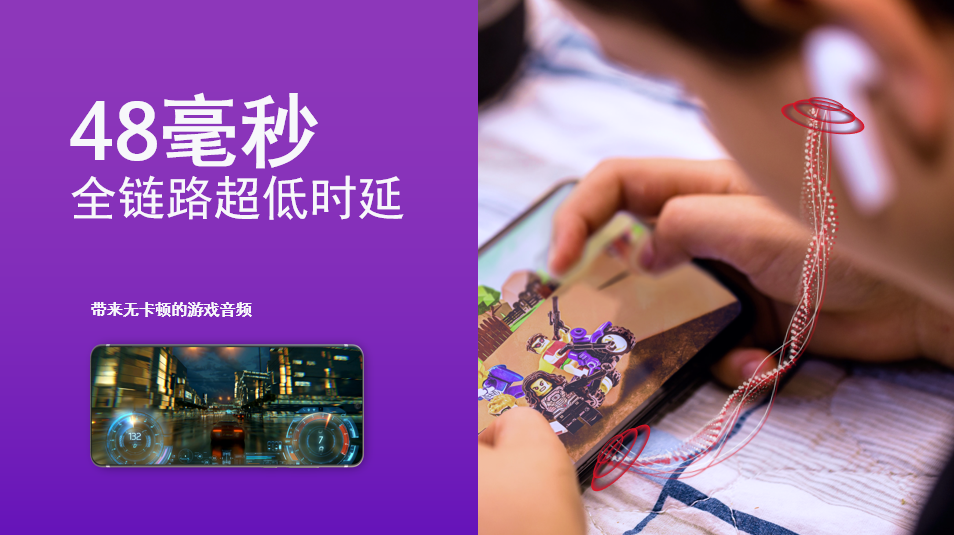
Excitingly, with the second-generation Snapdragon S5 and Snapdragon S3 audio platforms, they are expected to play a significant role in the popularization of dynamic spatial audio. Spatial audio provides an immersive spatial experience for headphone listening, and the addition of dynamic head tracking makes everything feel more realistic, with perceived sound instantaneously changing as the head moves—good sound is thus seamless.
Wi-Fi 7 is really coming. With the support of the FastConnect 7800 connectivity system, the latency of smartphones connecting to networks can drop to below 2ms, while the speed in the 6GHz band can reach 5.8Gbps. Even in environments where the 6GHz band is temporarily unavailable, it can still provide high speeds of 4.3Gbps while also being energy-efficient. Additionally, it is compatible with Bluetooth 5.3, enabling dual Bluetooth transmission/receiving.
We can clearly foresee that smartphones utilizing the second-generation Snapdragon 8 will be outstanding, with delightful changes across various experiences.Behind this is Qualcomm’s commitment to building AI and connected computing capabilities that impact user experience.
It’s Time to Reassess Flagship Smartphones
2023 is just around the corner, yet many still hold the view that smartphones are solely about performance, believing that without absolute performance superiority, there can be no objective strength. The performance and energy efficiency improvements in the CPU and GPU of the second-generation Snapdragon 8 are seen as new evidence supporting this perspective, as if this is the entirety of the new flagship mobile platform’s strength.
In practical experience, pure performance alone is far from enough; there must be scenarios and experiences that can fully unleash that performance, allowing the mobile platform and smartphone as a whole to realize its potential.Changes in imaging and gaming are particularly evident, as in the case of imaging, transformations occur across multiple dimensions such as computing power, algorithms, and computational logic, resulting in better and faster photo captures.
This notion also overturns our understanding; generations of Snapdragon performance advantages are clear, but the evolution brought about by problem-solving is not solely about performance itself. Under the premise of improved energy efficiency, AI has broken the original development rhythm from another angle, rapidly turning what was once unimaginable into reality.The experiences gained have become stronger, yet do not imply a proportional increase in chip area and energy consumption.
The synergy of AI and connected computing models complements the classic improvements in computing power, participating in a larger proportion in the usage scenarios of smartphones and other smart devices. Meanwhile, it enables features such as real-time processing of images from global to detail, intelligent adjustment of network connection states to reduce power consumption, and seamless collaboration with headphones, cars, and XR devices—profoundly changing smartphones.
In summary, we should reassess flagship smartphones from a different perspective—the “flagship” designation should not only imply the highest specifications but also embody a stance of rethinking problems and providing solutions.The various capabilities offered by the second-generation Snapdragon 8 provide the prerequisites for the smartphones it powers, allowing the 2023 smartphone market to respond to more expectations.
Additionally, products such as audio, wearables, XR, and smart cabin devices that can work in tandem with the second-generation Snapdragon 8 are on the way, extending the smart experience to smaller personal interactions or larger public scenarios.We believe that in the future, we will see more value in connected computing driven by AI.