
2025 marks the fifth anniversary of the successful global networking of the Beidou-3 system. This report comprehensively analyzes the technological evolution, industrial scale, and application ecosystem of the Beidou system. The Beidou system has formed a complete industrial chain of “chip – terminal – application – service,” with an overall industrial output value reaching 575.8 billion yuan in 2024, a year-on-year increase of 7.39%. It is expected to exceed 600 billion yuan by the end of 2025. In terms of technology, Beidou has achieved positioning accuracy superior to GPS in the Asia-Pacific region through three major advantages: hybrid constellation design, multi-frequency signal services, and integrated navigation and communication features, especially making breakthroughs in commercial applications in smart transportation and low-altitude economy. With the implementation of policies such as the “2025-2026 Action Plan for Stable Growth in the Electronic Information Manufacturing Industry,” the integration of Beidou with artificial intelligence, intelligent connected vehicles, and the low-altitude economy will open up new growth spaces.
1. Strategic Positioning and Development History of the Beidou System
1.1 National Strategic Space-Time Infrastructure
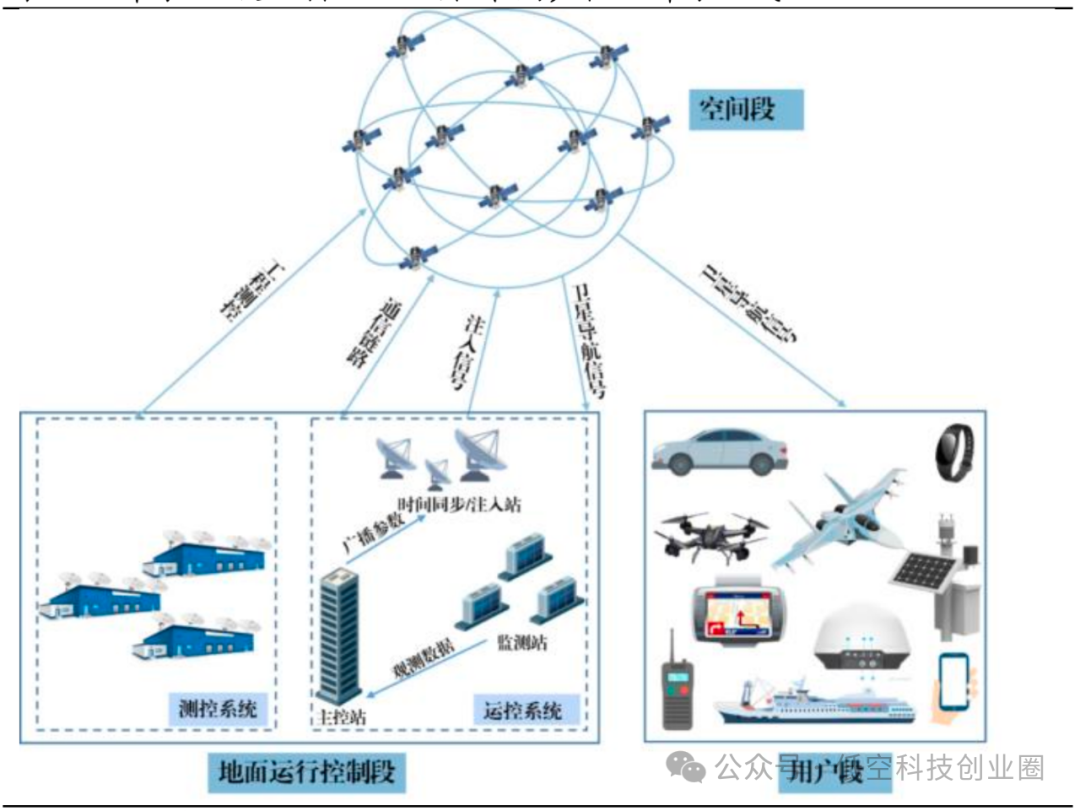
The Beidou satellite navigation system, as China’s independently built and operated global satellite navigation system, is an indispensable new type of infrastructure for national security and economic and social development. Its core functions include positioning, navigation, and timing (PNT) services, while also possessing unique short message communication capabilities, forming a technical feature of “integrated navigation and communication.” As of 2025, Beidou services have covered more than 130 countries and regions worldwide, providing services to over 1 billion users, becoming the third satellite navigation system with global service capabilities after GPS and GLONASS.
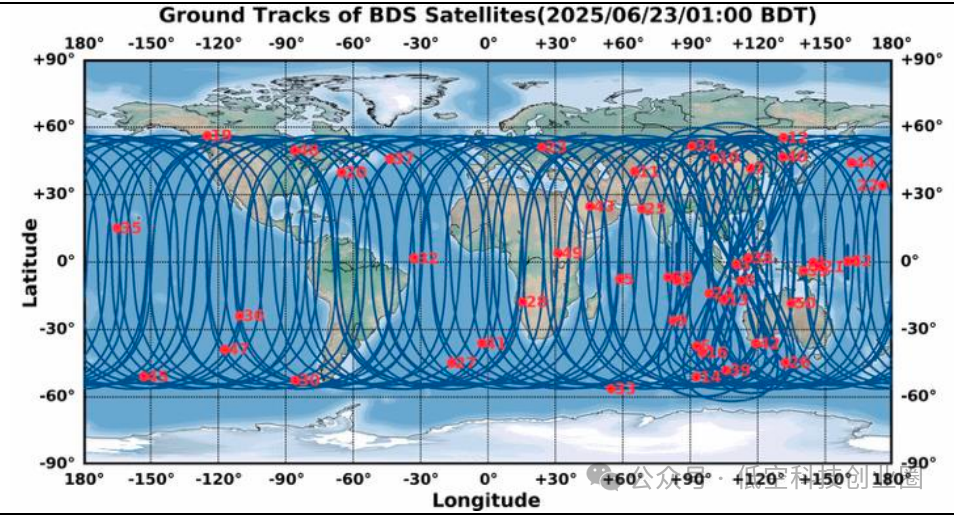
1.2 Achievements of the “Three-Step” Strategic Implementation
The Beidou system has undergone twenty years of construction, achieving leapfrog development from regional to global through a clear “three-step” strategy:
-
Beidou-1 (2000): Established an active positioning system covering China and surrounding areas, using a dual-satellite positioning system, solving the “existence” problem of China’s satellite navigation system, making China the third country in the world to have a satellite navigation system.
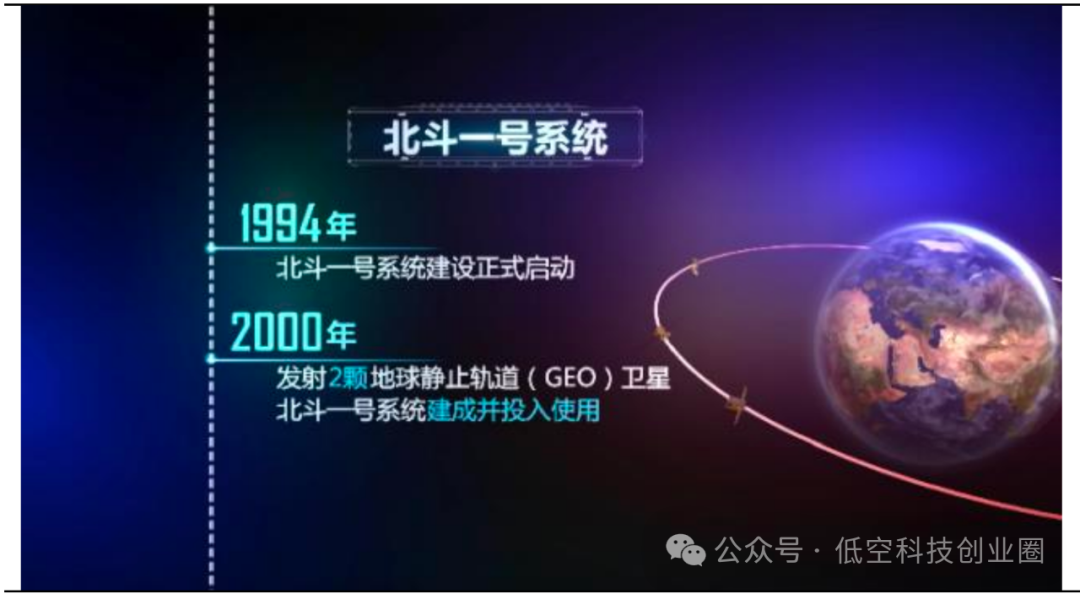
Figure 3: The Beidou-1 system was completed by the end of 2000.
-
Beidou-2 (2012): Achieved passive positioning services in the Asia-Pacific region, using a network of 14 satellites, improving positioning accuracy to 10 meters, adding a passive positioning system, and compatible with active services, laying the foundation for industrial applications.
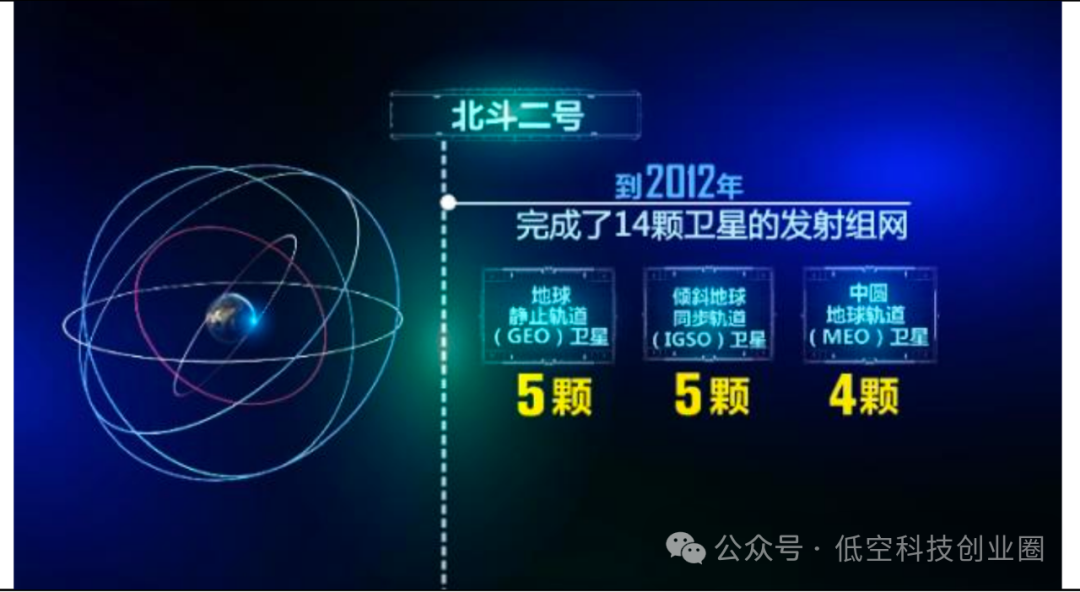
Figure 4: The Beidou-2 system was completed by the end of 2012.
-
Beidou-3 (2020): Completed global networking, consisting of a hybrid constellation of 30 satellites (3 GEO + 3 IGSO + 24 MEO), achieving global positioning accuracy of 2.5-5 meters, with inter-satellite link communication capabilities, marking the entry of Beidou into a new era of global service.
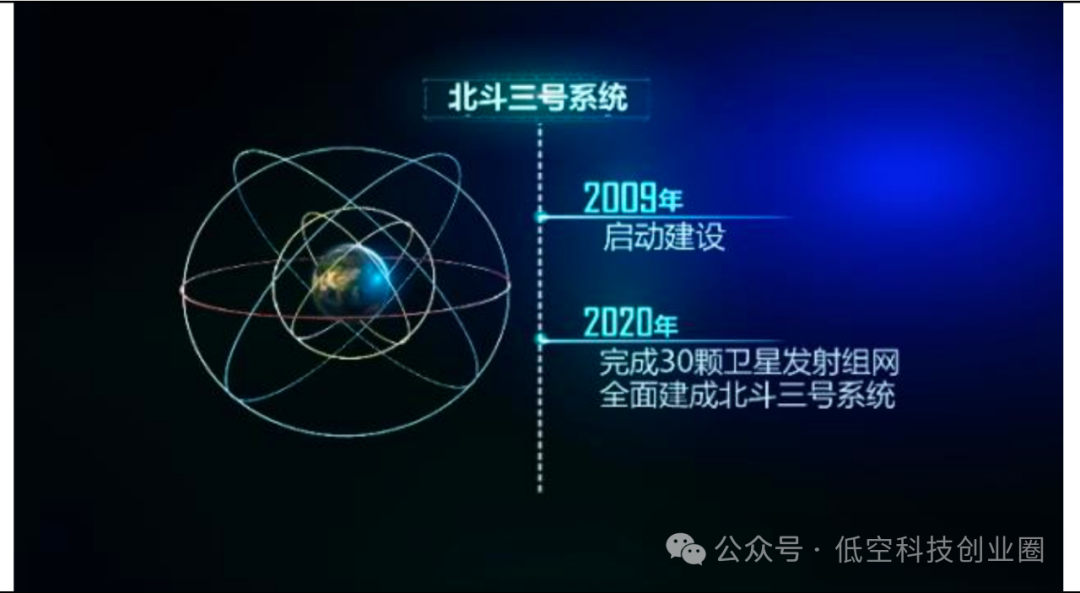
Figure 5: The Beidou-3 system was completed in 2020.
2. Core Technical Advantages and Performance Indicators
2.1 Advantages of Hybrid Constellation Spatial Architecture
Beidou-3 adopts a unique hybrid constellation design, consisting of geostationary satellites (GEO), inclined geosynchronous satellites (IGSO), and medium Earth orbit satellites (MEO), forming a spatial layout of “global coverage + regional enhancement”:
-
GEO satellites: Positioned above the equator, with a wide coverage range and strong anti-blocking capability, mainly providing regional enhancement services.
-
IGSO satellites: Operate in a figure-eight trajectory, effectively alleviating the “north slope effect” in high-latitude areas, improving satellite visibility in the Asia-Pacific region.
-
MEO satellites: Distributed at an altitude of 21,500 kilometers, achieving uniform global coverage, ensuring basic navigation services.
This configuration allows Beidou to have 3-5 more visible satellites in the Asia-Pacific region compared to GPS, significantly improving the positioning geometry precision factor (PDOP). Measured data shows that in the core service area near 118°E, the Beidou PDOP value can be as low as 1.3, better than GPS’s 1.4, providing a solid foundation for high-precision applications.
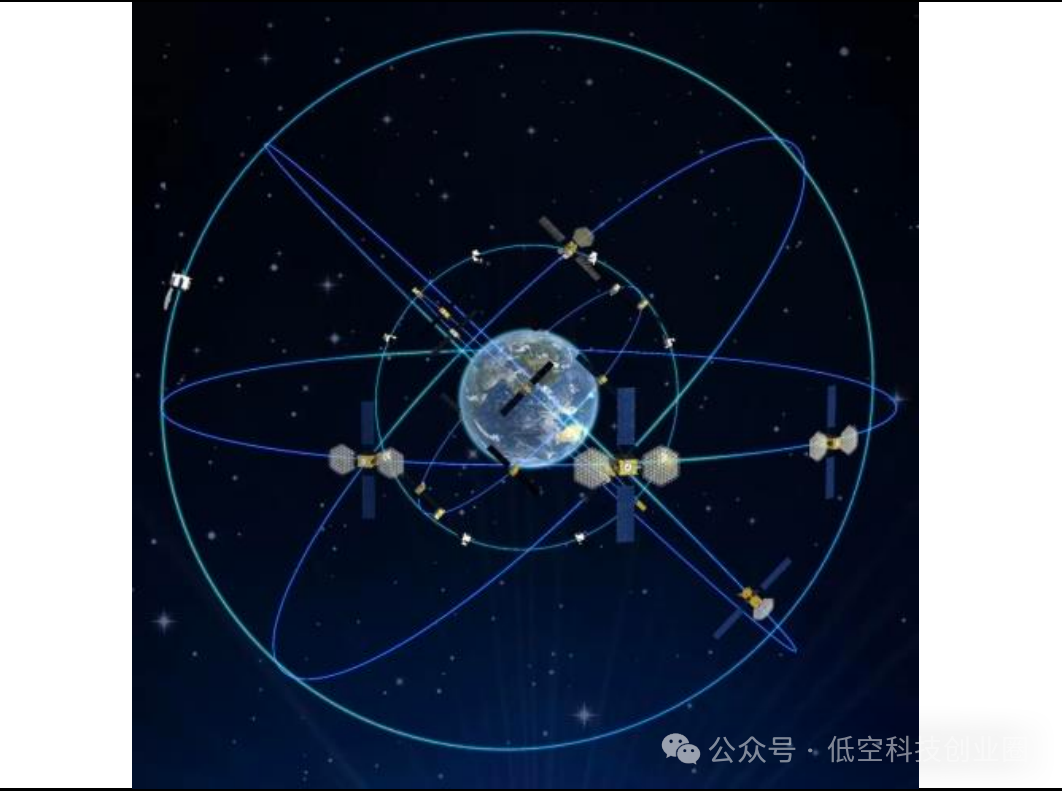
Figure 6: The hybrid constellation synergistically enhances the overall performance of the Beidou system.
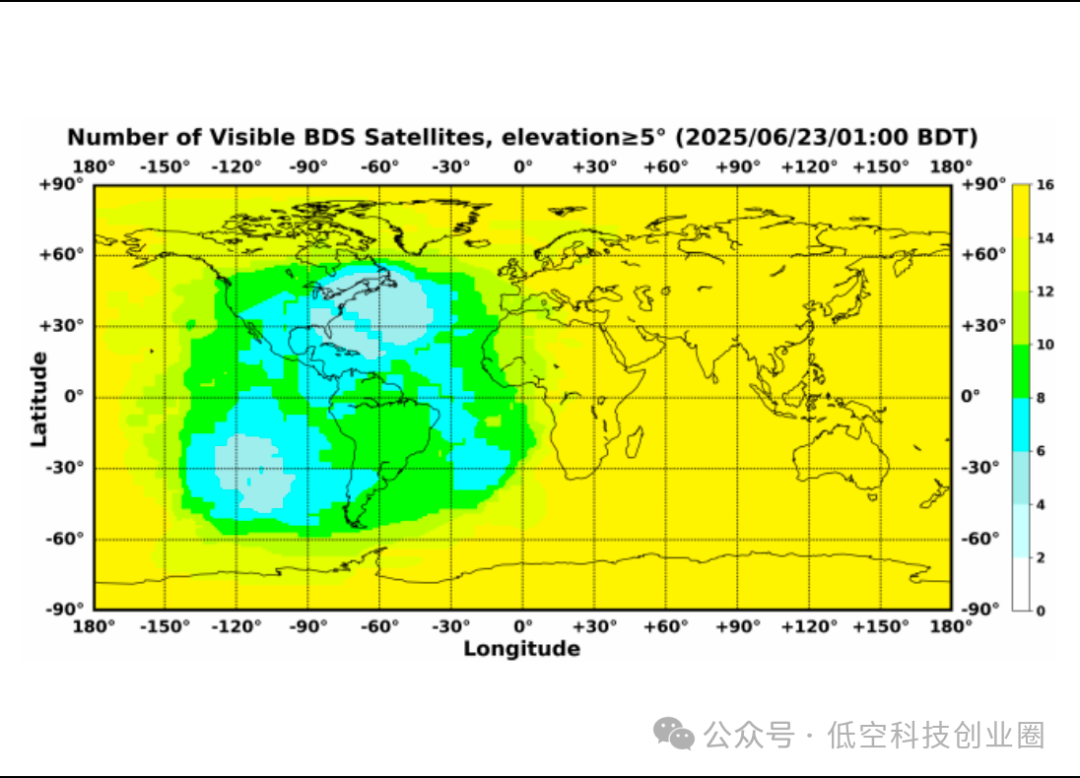
Figure 7: The hybrid constellation design significantly expands the service range of the Beidou system.
2.2 Multi-Frequency Signals and Positioning Accuracy
Beidou-3 is the first to provide three-frequency signal services (B1C, B2a, B2b), effectively eliminating higher-order ionospheric errors through multi-frequency combinations, enhancing positioning stability:
-
Spatial signal accuracy: The radial error of IGSO and MEO satellite orbits is about 0.5 meters, and the laser residual of GEO satellites is about 65 centimeters, meeting the navigation performance requirements of the International Civil Aviation Organization (ICAO).
-
User positioning accuracy: Within the system service area (55°S-55°N, 70°E-150°E), horizontal and vertical positioning accuracy is better than 10 meters at a 95% confidence level, with dual-system combination positioning accuracy being even better.
-
Dynamic performance advantages: In airborne dynamic scenarios, the combination of Beidou and GPS positioning shows a 10-12% improvement in planar direction accuracy compared to a single GPS system, demonstrating unique advantages in mobile applications.

Table 1: Beidou-3 (BDS-3) is leading compared to other global satellite navigation systems.
2.3 Unique Features of Integrated Navigation and Communication
The Beidou system’s unique short message communication function achieves integrated navigation and communication services:
-
Global service: A single transmission can convey 560 bits (about 40 Chinese characters) of information, meeting global emergency communication needs such as international search and rescue and ocean navigation.
-
Regional enhancement: Provides a large-capacity short message service of 14,000 bits (about 1,000 Chinese characters) in China and surrounding areas, supporting image and text transmission.
-
Evolution direction: The next-generation system will construct a “relay” short message service system through a combination of deep, high, medium, and low orbit constellations, expanding into deep space communication.
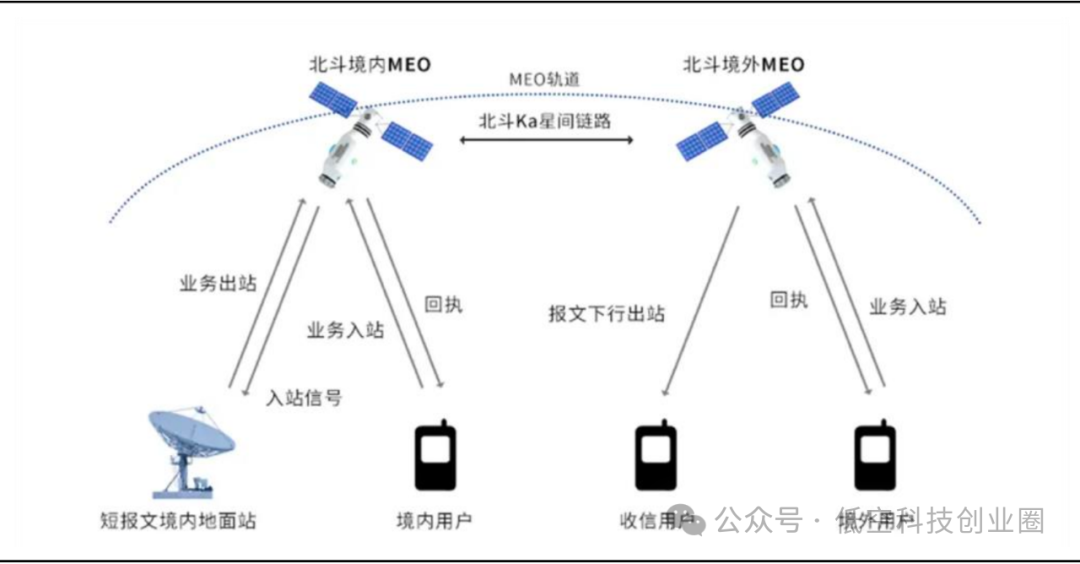
Figure 8: Beidou short messages are covered globally by 14 MEO satellites.
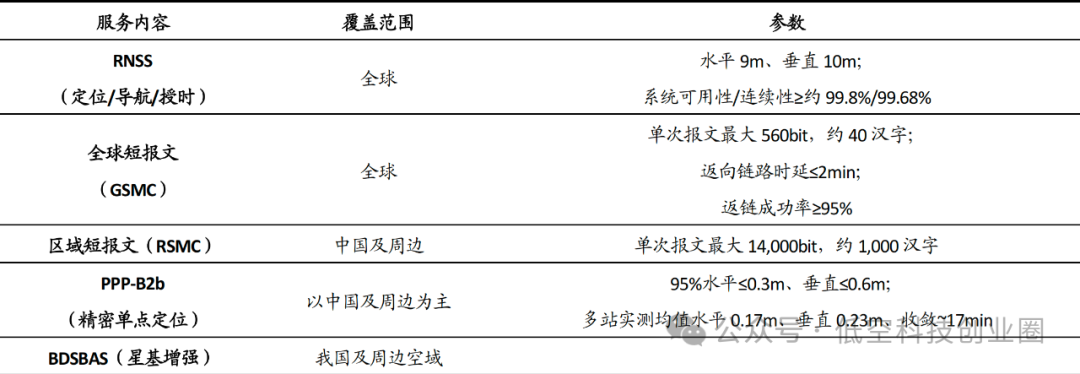
Table 2: Beidou service content covers positioning/timing + short messages + PPP-B2b + SBAS.
2.4 Next-Generation Constellation Optimization Plan
To address the existing system’s insufficient service capabilities in polar regions, Beidou is planning the next-generation constellation optimization:
-
Orbit adjustment: Adjusting the inclination of MEO satellite orbits to 70°, increasing the number of visible satellites in the Arctic region to 7-11, reducing the average PDOP to 1.86, and decreasing the maximum PDOP from 6.59 to 3.06.
-
Flexible PNT system: Proposing a flexible combination scheme of deep, high, medium, and low orbit navigation constellations to enhance anti-jamming and anti-spoofing capabilities, providing PNT services for deep space exploration.
3. Industry Scale and Market Structure
3.1 Overall Scale and Growth Trend
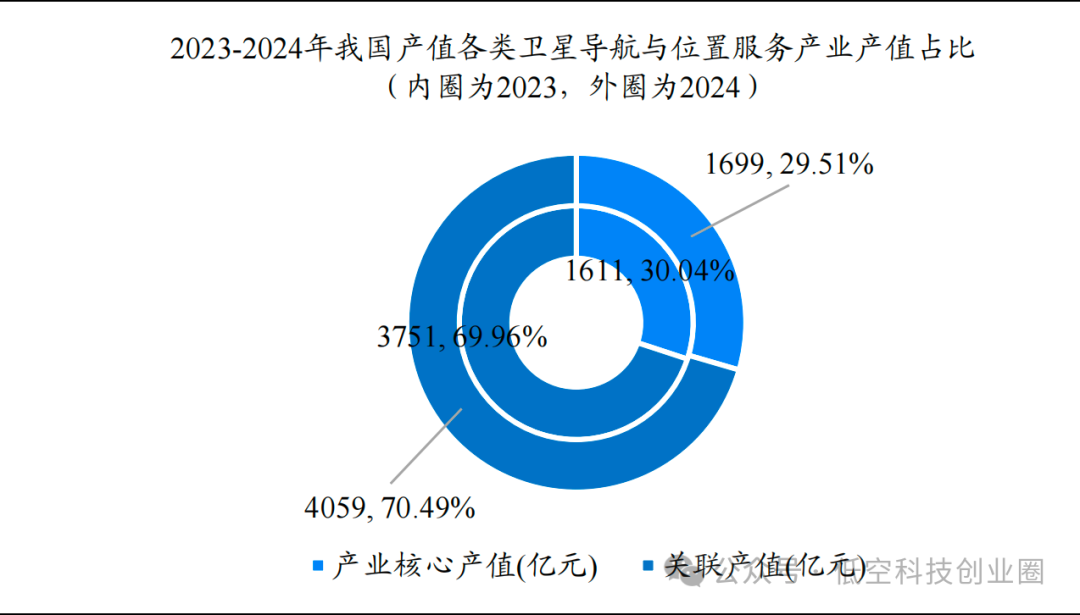
The Beidou industry is showing a sustained high-speed growth trend, with the overall output value of the satellite navigation and positioning service industry centered around Beidou reaching 575.8 billion yuan in 2024, a year-on-year increase of 7.39%. Among them:
-
Core output value: 169.9 billion yuan, accounting for 29.51%, with a year-on-year growth of 5.46%, covering core links such as chips, terminals, and algorithms.
-
Associated output value: 405.9 billion yuan, accounting for 70.49%, with a year-on-year growth of 8.21%, reflecting the broad extension of application scenarios.
It is expected that by the end of 2025, the overall scale of the Beidou industry will exceed 600 billion yuan, achieving nearly 50% growth compared to 403.3 billion yuan in 2020, with an average annual compound growth rate exceeding 10%, demonstrating strong development resilience.
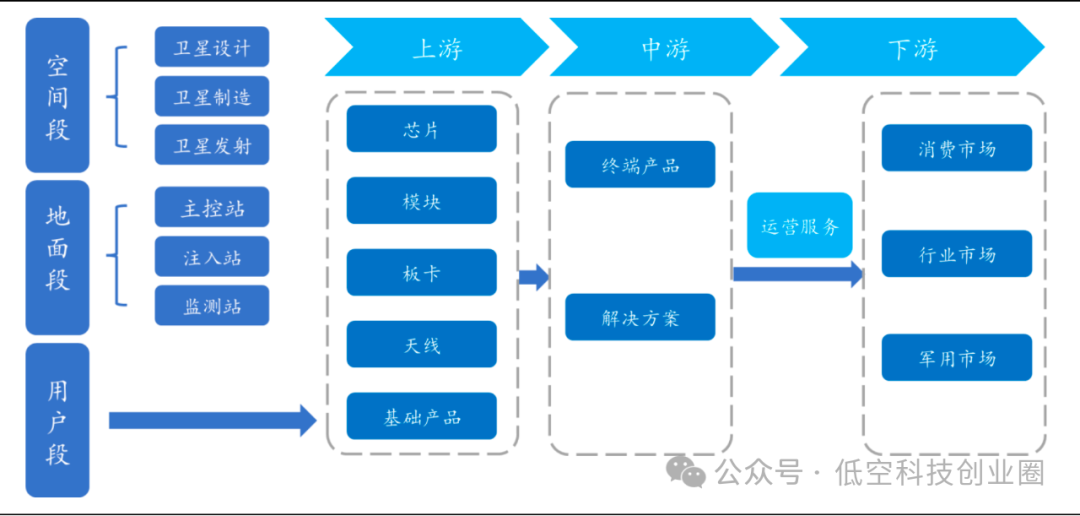
Figure 10: The user segment dominates the Beidou navigation industry, consisting of three major links: upstream basic components, midstream terminal equipment and system integration, and downstream application fields.
3.2 Improvement of Industry Chain Maturity
The Beidou industry chain has formed a scaled supply capacity at each link:
-
Chip field: Domestic Beidou chip cumulative sales have exceeded 200 million units, with costs dropping below 1 US dollar, supporting the popularization of terminal products.
-
Terminal market: By 2024, total terminal sales will exceed 410 million units, with 98% of smartphones (288 million units) supporting Beidou functionality, and 30% of wearable devices integrating GNSS positioning capabilities.
-
Infrastructure: Beidou Xingtong has established a ground-based enhancement network consisting of over 4,000 reference stations, providing nationwide centimeter-level positioning services, operating stably 24/7.
4. Policy Support and Standard System
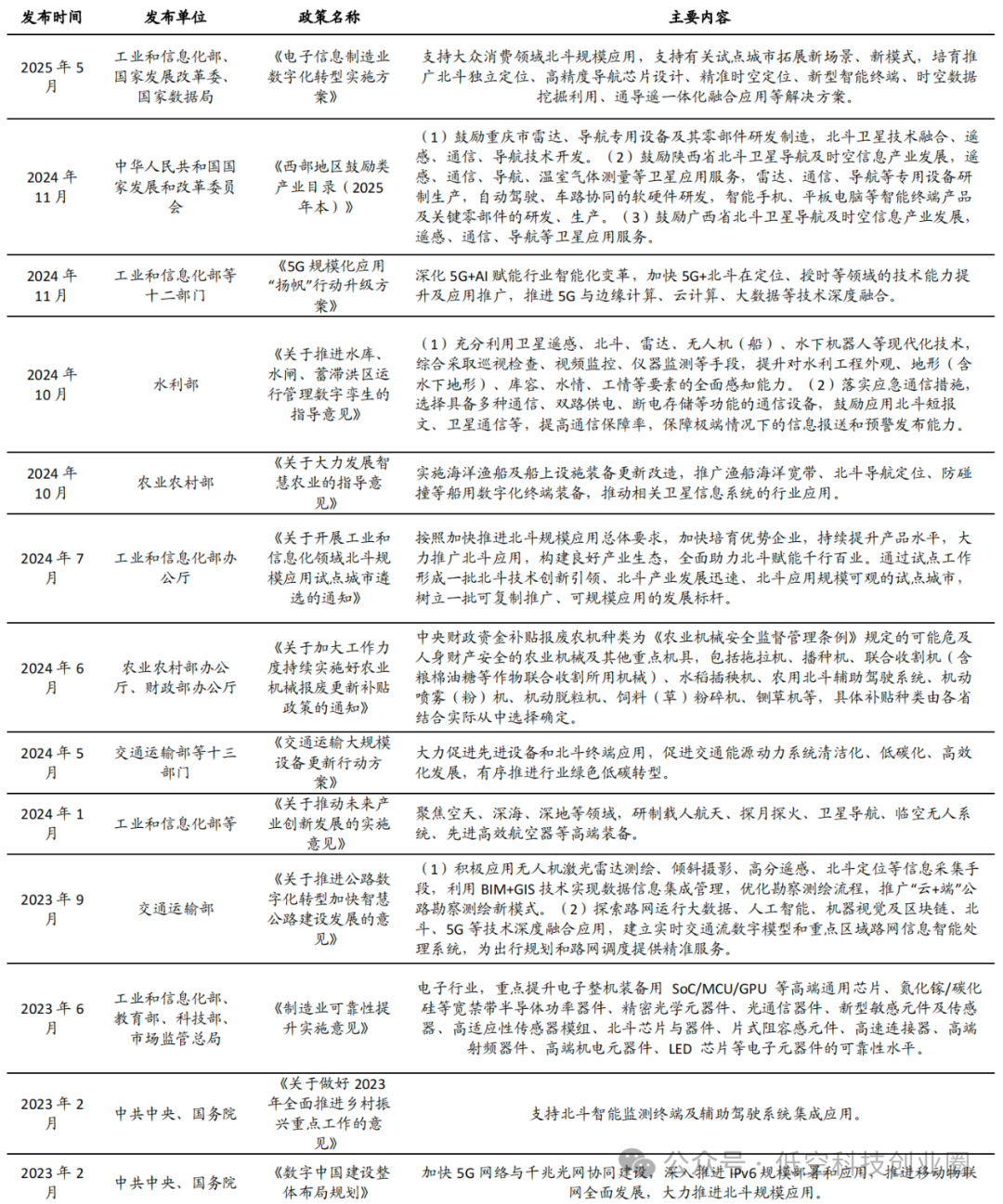
Table 3: The state continues to issue policies encouraging the development of the Beidou system (important industry policies from 2023-2025 are extracted in the table).
4.1 Top-Level Policy Design
In recent years, the state has intensively issued policies to support the development of the Beidou industry, forming a policy closed loop of “technology research and development – pilot promotion – large-scale application”:
-
April 2024: The China Space-Time Information Group (jointly funded by China Star Network, China Weaponry, and China Mobile) was established to fill the gap in the industrialization promotion of Beidou.
-
July 2024: The Ministry of Industry and Information Technology initiated the selection of pilot cities for large-scale Beidou applications, focusing on three major directions: mass consumption, industrial manufacturing, and integrated innovation.
-
May 2025: The “2025 White Paper on the Development of China’s Satellite Navigation and Positioning Service Industry” was released, clarifying the path for industry development.
-
September 2025: The Ministry of Industry and Information Technology and the State Administration for Market Regulation issued the “2025-2026 Action Plan for Stable Growth in the Electronic Information Manufacturing Industry,” proposing to build a precise space-time information service system based on Beidou, promoting deep integration of Beidou with artificial intelligence, intelligent connected vehicles, and the low-altitude economy.
4.2 Industry Application Policies
Policies in various subfields continue to increase, promoting the large-scale application of Beidou:
-
Smart transportation: 13 departments, including the Ministry of Transport, issued the “Action Plan for Large-Scale Equipment Renewal in Transportation,” requiring the penetration rate of Beidou terminals in operating vehicles to remain above 95%.
-
Agricultural sector: The “Guiding Opinions on Smart Agriculture” clearly state that by 2025, the assembly rate of Beidou terminals in agricultural machinery should reach 80%, promoting the “Beidou + Smart Agriculture” model.
-
Low-altitude economy: The Civil Aviation Administration issued the “Guidelines for the Construction of Low-Altitude Flight Service Guarantee System,” requiring over 90% of low-altitude aircraft to install Beidou onboard terminals.
5. Key Application Scenarios Implementation
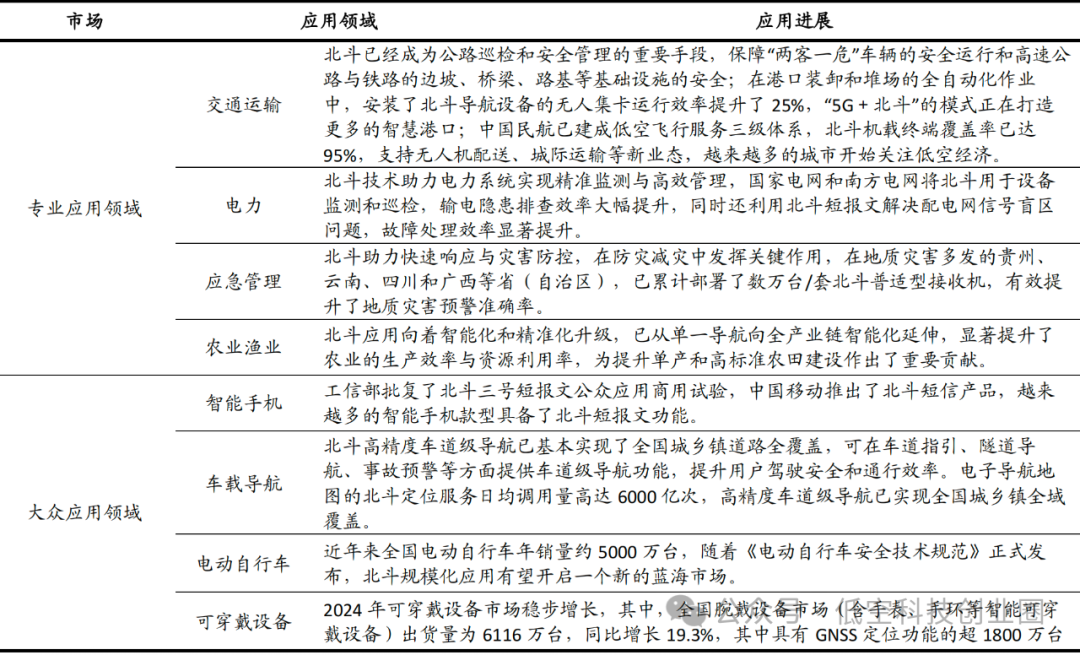
Table 4: In 2024, the Beidou system has been widely applied in both professional and mass application fields.
5.1 Smart Transportation: Core Growth Pole
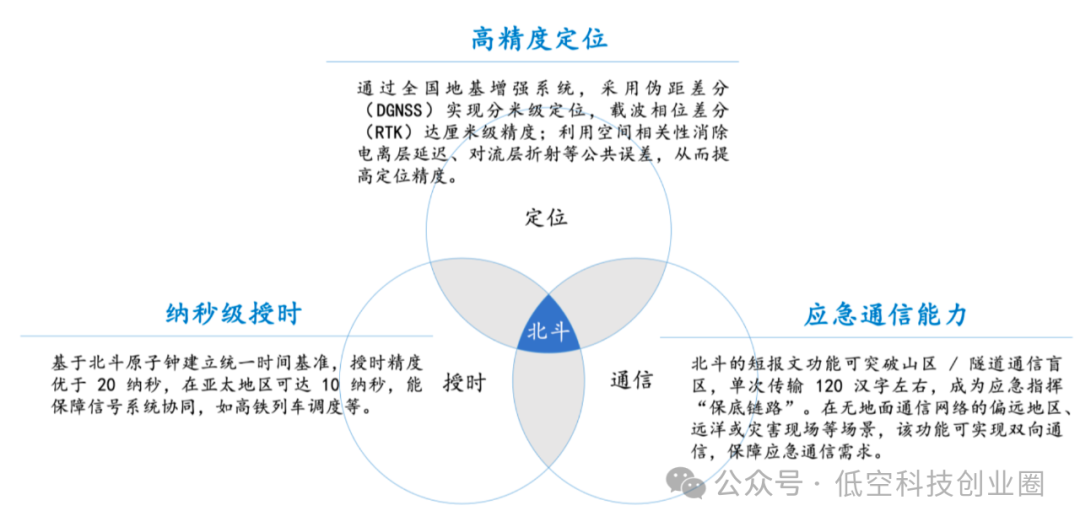
Figure 11: Beidou possesses the three-in-one capability of “positioning + timing + communication” in the transportation field.
The application of Beidou in the smart transportation field has formed a scale effect:
-
Operating vehicle supervision: By 2024, the penetration rate of Beidou terminals in national road operating vehicles will reach 97.8% (over 12 million vehicles), with over 90,000 postal and express delivery vehicles and 48,000 ships installed with Beidou terminals.
-
Beidou Free Flow: The Hainan pilot has gone through three phases of construction, covering a 3,200-kilometer road network. As of April 2025, it has processed a cumulative 21.95 billion positioning data, simulating billing of 2.18 billion yuan, with an accuracy rate of 99.7%, improving traffic efficiency by 5-15% compared to ETC. The system achieves “seamless passage” and real-time billing through AI image recognition and edge computing technology, with an average daily transaction processing volume of 120 million.
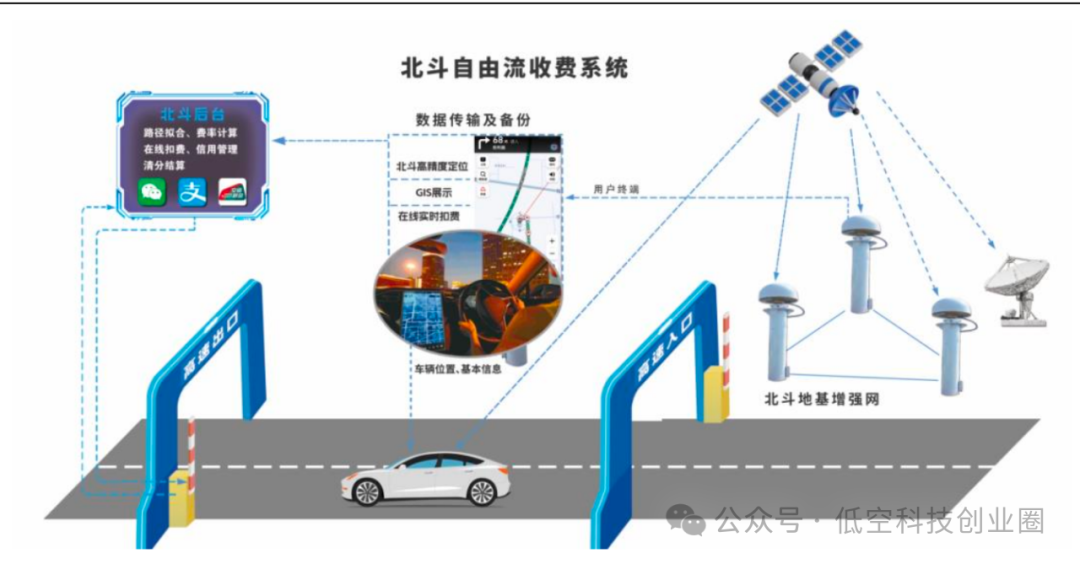
Figure 12: The Beidou Free Flow highway toll system utilizes the Beidou satellite navigation system (automatic precision positioning and path recognition), ground-based enhancement system, and various electronic payment methods.
-
Autonomous driving empowerment: The “Beidou + 5G” initiative promotes the evolution of autonomous driving to L3+, with the Chinese autonomous driving market expected to reach 399.3 billion yuan in 2024, a year-on-year growth of 20.96%, with L2 penetration at 51% and L3 penetration at 20%, with Beidou high-precision positioning as the core technical support.
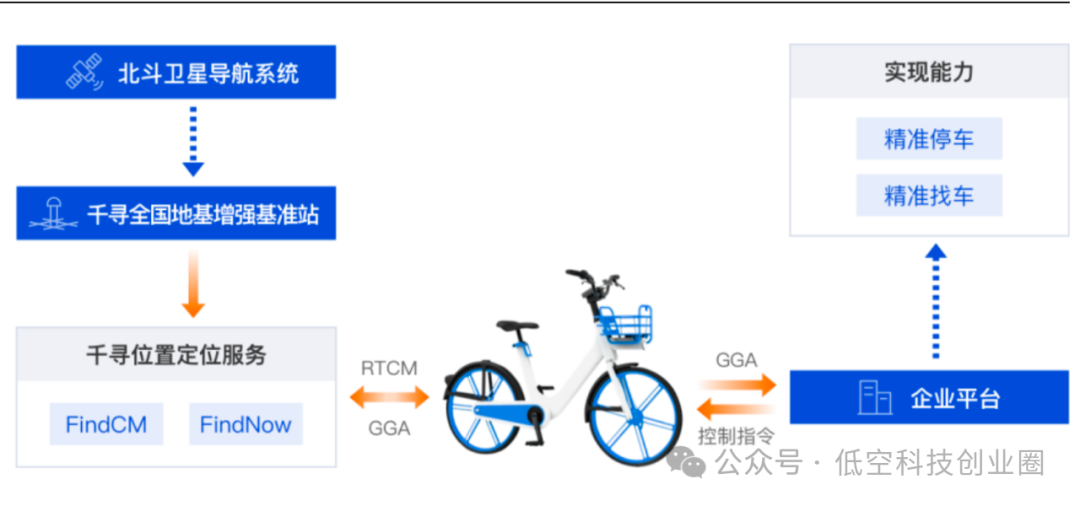
Figure 13: Beidou empowers high-precision positioning services for shared bicycles.
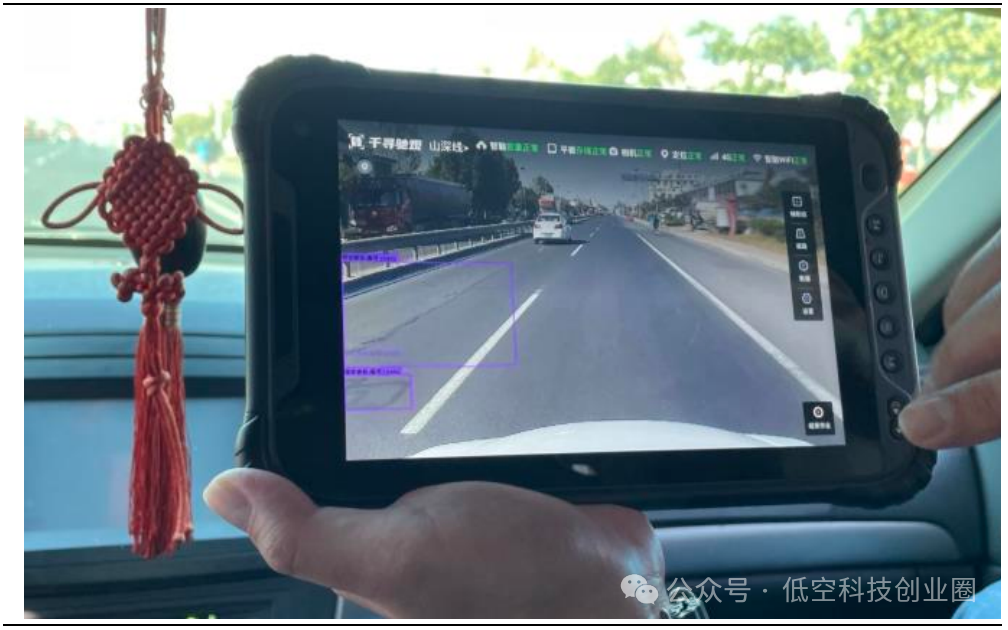
Figure 14: The “Beidou + AI” intelligent road inspection system can accurately identify road infrastructure and pavement diseases.
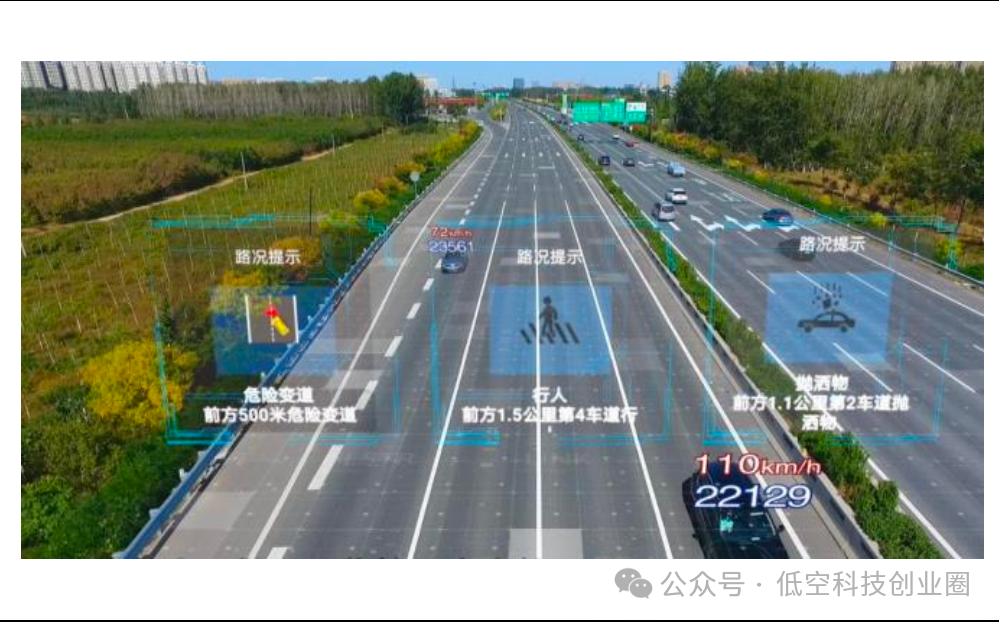
Figure 15: The 5G + Beidou high-precision vehicle-road collaboration test section on the Jinggang’ao Expressway in Zhuozhou.
5.2 Low-Altitude Economy: A Trillion-Level New Track
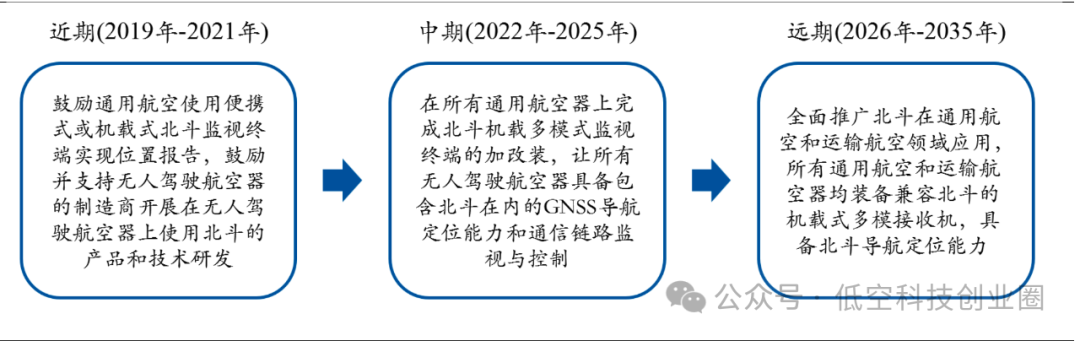
Figure 16: The low-altitude economy is becoming a major direction for Beidou’s civil aviation applications.
Beidou provides key space-time infrastructure for the development of the low-altitude economy:
-
Market scale: The low-altitude economy output value is expected to reach 670.25 billion yuan in 2024, a year-on-year growth of 32.47%, with the Civil Aviation Administration predicting it will exceed 1.5 trillion yuan by 2025.
-
Technical support: A three-level system for low-altitude flight services has been established, with a Beidou onboard terminal coverage rate of 95%, achieving centimeter-level positioning in scenarios such as drone logistics and intercity transportation.
-
Application effectiveness: In 2023, the number of civil drones reached 1.26 million, with flight hours exceeding 23 million hours, and Beidou positioning ensured flight safety and efficiency.
5.3 Agricultural Modernization: Precision Transformation
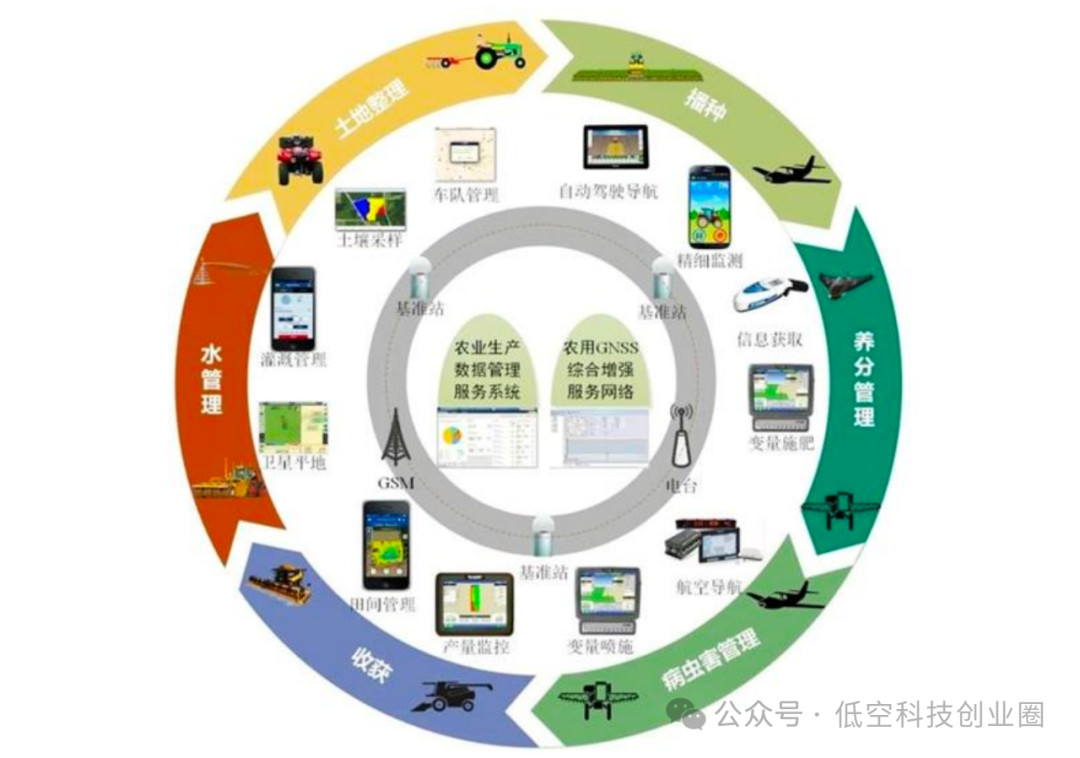
Figure 17: Global satellite navigation systems applied in precision agriculture.
Beidou is driving a transformation in agricultural production methods:
-
Agricultural machinery: By the end of 2023, there are over 2.2 million Beidou terminals in the agricultural sector, with over 6 million acres of operational area in 2022. The national agricultural machinery operation command and scheduling platform will be launched in May 2024, connecting nearly one million Beidou agricultural machines.
-
Yield increase effect: The “Beidou + Smart Agriculture” pilot in Neihuang County, Henan, achieved a 24.5% increase in corn yield, while Beidou agricultural machinery in Changji Prefecture, Xinjiang, completed 5.5 million acres of spring plowing, significantly improving production efficiency.
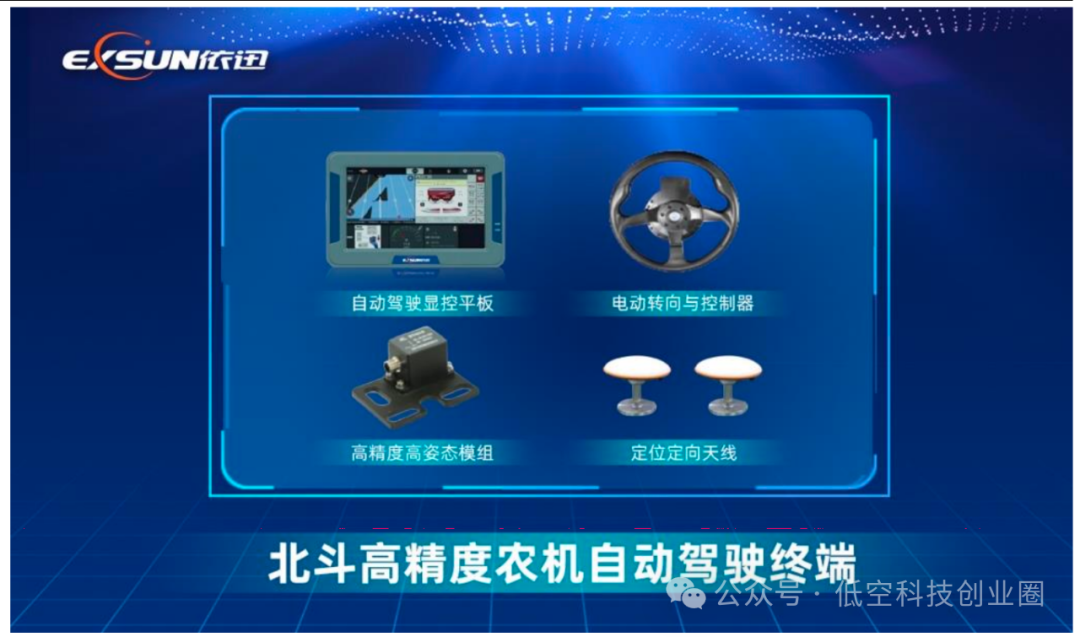
Figure 18: Beidou high-precision agricultural machinery automatic driving terminal achieves precise operation.
5.4 Mass Consumption: Everyday Penetration
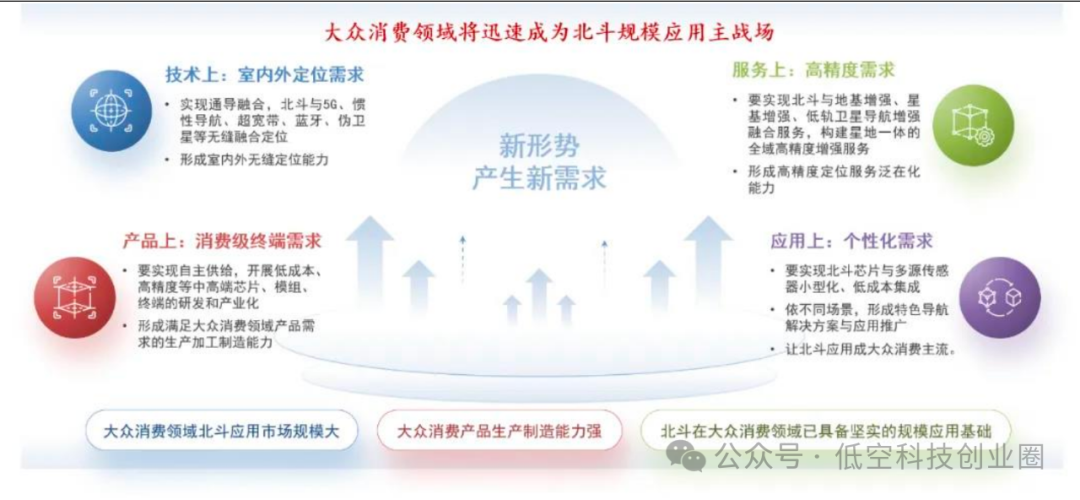
Figure 19: The mass application field is rapidly becoming the main battlefield for Beidou’s large-scale applications.
The application of Beidou in consumer electronics is becoming increasingly widespread:
-
Smartphones: In 2024, 288 million smartphones supporting Beidou are expected to be shipped, with Beidou positioning in mobile maps being called upon 1 trillion times daily, and lane-level navigation covering 99% of urban and rural roads.
-
Special applications: The popularization of Beidou short message mobile phones, with brands like Huawei launching models supporting this feature, over 30 million users have activated the service, achieving emergency communication without ground network environments.
-
Wearable devices: In 2024, 61.16 million wrist-worn devices are expected to be shipped, a year-on-year growth of 19.3%, with over 18 million units containing GNSS positioning capabilities, applied in scenarios such as sports health and outdoor navigation.
6. Core Enterprises and Market Competition
6.1 Key Enterprise Analysis
6.1.1 Information Development: Leader in Smart Transportation
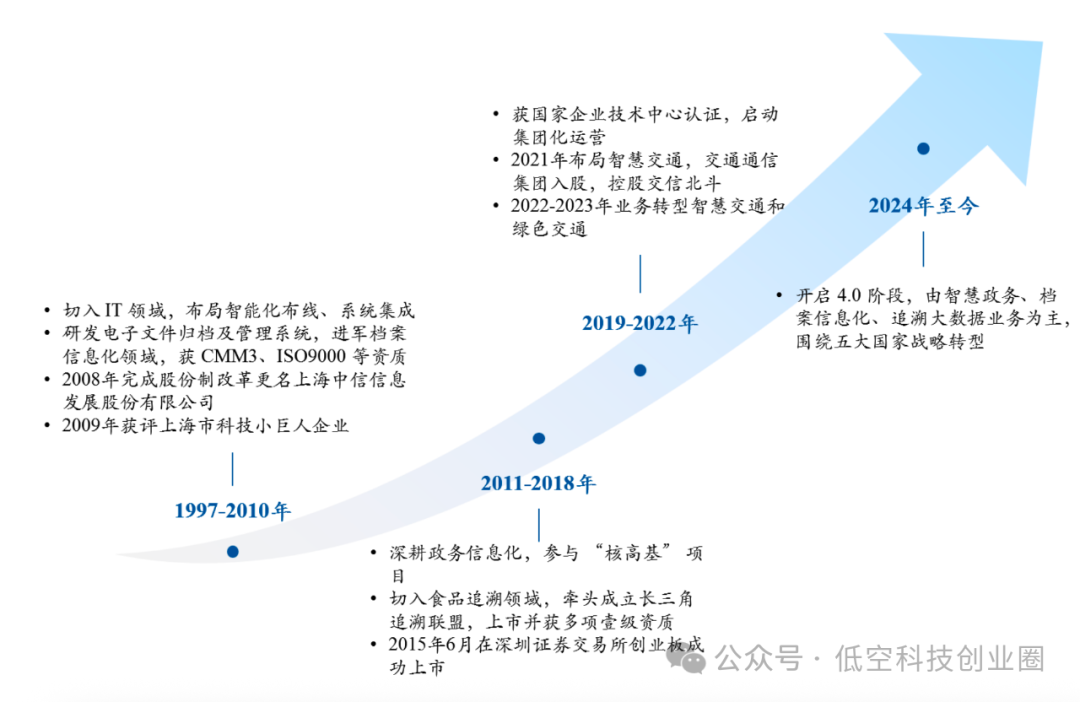
Figure 20: Information Development has built a series of smart transportation and smart government solutions over more than 20 years, promoting the large-scale application of “Beidou +”.
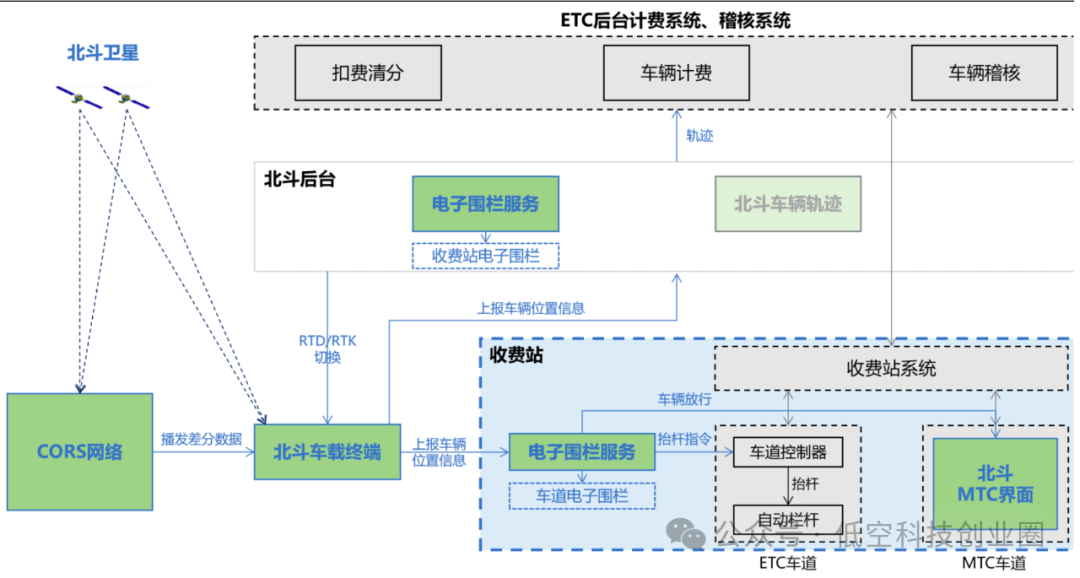
Figure 21: The Beidou + ETC integrated toll collection technology system can improve highway traffic efficiency.
As a key recommended target by Haitong International, Information Development focuses on the “Beidou + AI” strategy, constructing a smart transportation “six-in-one” safety governance system:
-
Core business: Beidou Free Flow (core participant in the Hainan pilot), vehicle networking platform (V2X + AI Agent), traffic data services.
-
Technical breakthroughs: Independently developed ASLM multi-factor security algorithm, improving risk identification efficiency by 30%, with digital products already listed on data exchanges.
-
Performance: In 2024, revenue is expected to reach 269 million yuan (up 9.02% year-on-year), with a net loss of 118 million yuan (narrowing by 67 million yuan); in the first half of 2025, revenue is expected to surge 142.34% year-on-year to 102 million yuan, with Beidou Free Flow business having reached cooperation intentions with multiple provinces.
6.1.2 Beidou Xingtong: Leader in Chip-Cloud Integration
Beidou Xingtong, as a core enterprise in the industry chain, implements a “three-step” globalization strategy:
-
Technical layout: Chip-cloud integration model, Nebulas series high-precision SoC chips, UM982 modules achieve technical breakthroughs, establishing a ground-based enhancement network of over 4,000 reference stations.
-
Market strategy: In 2025, focus on increasing market share of high-precision positioning chips and antennas, expanding into fields such as intelligent driving, lawn mowing robots, and consumer IoT.
-
International goals: Plan to achieve 50% of overseas sales within 5-8 years, expanding high-precision data services to the European market by 2025.
-
Performance planning: By streamlining non-core businesses and concentrating resources on advantageous areas, strive to achieve profitability by 2025.
6.1.3 Zhonghaida: Leader in High-Precision Equipment
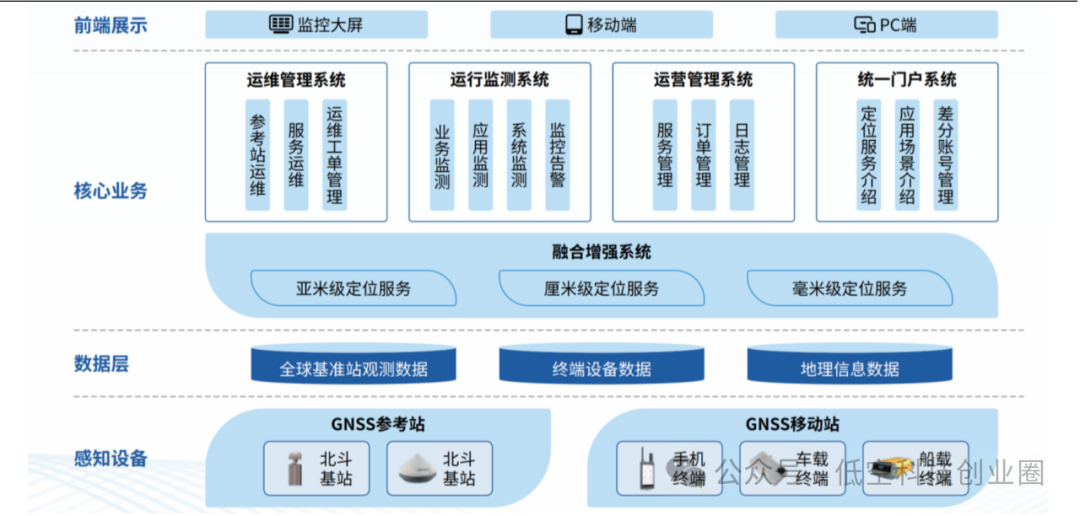
Figure 22: Zhonghaida’s star-ground fusion enhancement solution can achieve different precision positioning services.
Zhonghaida maintains a leading position in the surveying and low-altitude economy fields:
-
Market position: Surveying market share exceeds 30%, with products exported to over 100 countries and regions.
-
Technical advantages: Provides centimeter-level navigation for drones and integrates GNSS + inertial navigation + UWB technology to cope with complex environments, supporting low-altitude economic development.
6.1.4 Haige Communication: Full Industry Chain Layout
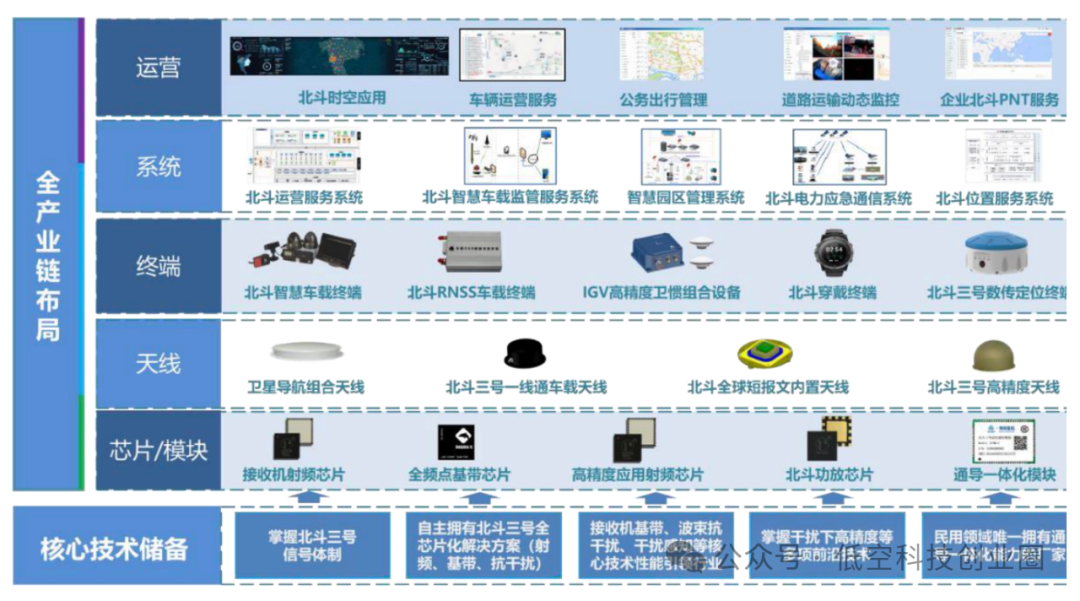
Figure 23: Haige Communication has achieved a full industry chain layout in the Beidou navigation field.
Haige Communication builds a “Beidou + 5G” full industry chain capability:
-
Business coverage: A complete chain from chips – modules – terminals – systems – operations, with Beidou-3 terminals covering institutional and civilian markets.
-
Low-altitude layout: Constructing a “1 platform + 3 networks + N aircraft” low-altitude industry chain, launching the “Jiutian” heavy drone, expanding application scenarios.
6.2 Market Competition Pattern
The Beidou industry has formed a multi-level competitive pattern:
-
International competition: Competing alongside GPS, GLONASS, and Galileo, forming differentiated advantages in the Asia-Pacific region.
-
Domestic competition: Leading enterprises focus on niche fields, with Information Development deeply cultivating smart transportation, Beidou Xingtong focusing on chips and data services, and Zhonghaida specializing in high-precision equipment.
-
Emerging forces: State-owned enterprises such as the China Space-Time Information Group are entering the market, accelerating resource integration and industrialization promotion.
7. Future Outlook
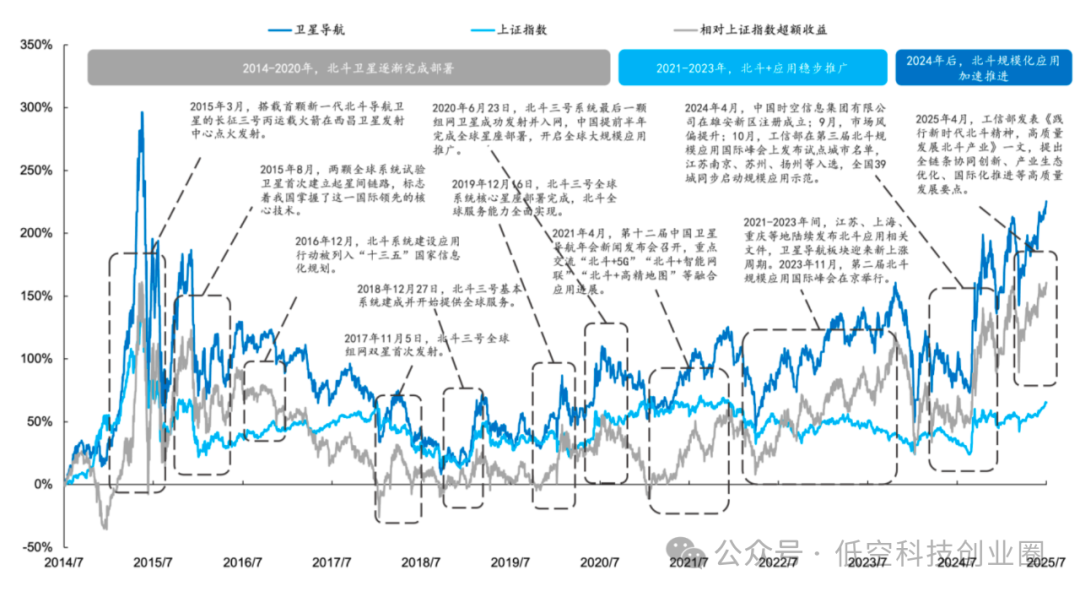
Figure 24: Reviewing the historical rise cycles of the satellite navigation sector, we have now entered the acceleration phase of Beidou’s large-scale application.
Looking ahead to 2026-2030, the Beidou industry will present three major development trends:
1. Deepening technological integration: The deep integration of Beidou with 5G, AI, and the Internet of Things will give rise to new business formats of “space-time intelligence +,” promoting digital transformation across various industries.
2. Global service upgrade: Through next-generation constellation optimization and international layout, Beidou’s market share in the global navigation market is expected to increase from the current 20% to over 30%.
3. Expansion of application scenarios: Extending from traditional navigation to new fields such as intelligent driving, low-altitude economy, and deep space exploration, forming a trillion-level market space.
The Beidou system is transitioning from being “usable” to “user-friendly” and “easy to use,” becoming a core infrastructure supporting the construction of a digital China and a smart society, providing higher quality and more reliable space-time information services for global users. Haitong International will continue to track industry dynamics to help investors grasp the long-term investment value of the Beidou industry.
Data Source: “[Haitong International] Beidou Technology Multi-Domain Application Expansion, Building New Growth Poles” (20250909),Click the lower left corner to read the original text to download.
Welcome to join the entrepreneurship exchange group to obtain materials