
Source: “Forging and Stamping” 2023 Issue 23
Guo Qiuhua, Zhang Chengwei, Jin Long E·China Automotive Engineering Research Institute Co., Ltd.
As people’s demand for personalized and customized automotive products increases, coupled with the challenges of long manufacturing times and high costs of some traditionally complex parts, 3D printing technology is becoming increasingly favored by automotive companies, parts manufacturers, and aftermarket service providers.
It is well known that the automotive industry is a typical capital and technology-intensive industry, and the investment in new vehicle research and development is also substantial. Therefore, automotive companies, parts manufacturers, and aftermarket service providers are actively exploring new technologies to reduce material costs and improve efficiency. 3D printing technology has begun to be explored and applied in the field of automotive parts, especially in automotive manufacturing and repair, where it has become increasingly mature.
3D printing technology has many advantages, such as the ability to print complex products, achieve mold-free and modular production, and enable the customization of high-end products. These advantages can reduce costs and manufacturing times, facilitating personalized production. Compared to traditional processing methods, the combination of customizable, rapid, and lightweight 3D printing technology with the automotive field is bound to create new sparks.
This article will focus on introducing 3D printing technology and its advantages and disadvantages, and analyze how it can be better applied in automotive manufacturing and repair.
3D Printing Technology
Definition of 3D Printing Technology
3D printing technology, one of the rapid prototyping technologies, is also known as additive manufacturing technology. Its principle: based on a three-dimensional CAD model (commonly using STL format), using materials such as powder, filament, or liquid, to directly print three-dimensional entities through a “layered manufacturing, layer-by-layer stacking” method. The key processes of 3D printing technology include: digital design modeling, slicing processing, printing forming technology (or layer-by-layer printing), and post-processing, as shown in Figure 1.
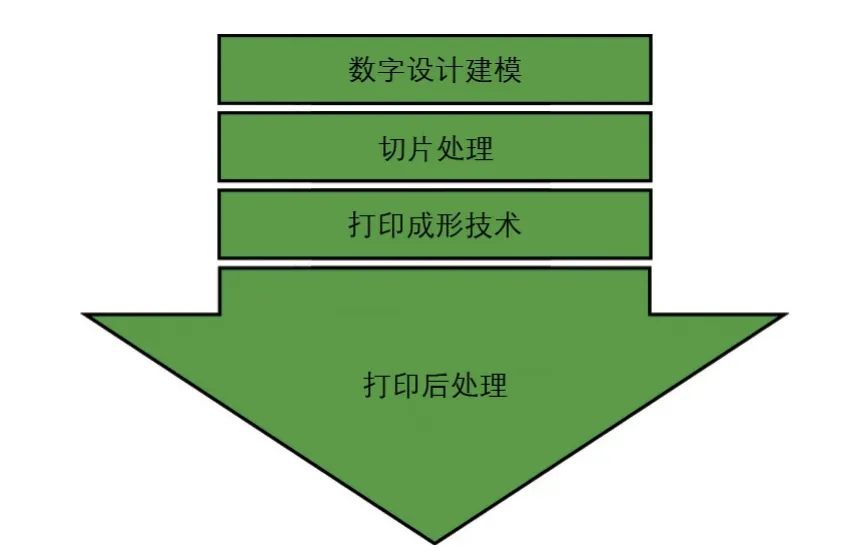
Figure 1 Key Processes of 3D Printing Technology
Advantages of 3D Printing Technology
3D printing technology has many advantages and has received increasing attention from automotive companies, parts manufacturers, and aftermarket service providers in recent years.
1. Reduces production costs of parts.
Traditional mechanical processing methods are “subtractive processing”, such as turning, milling, planing, and grinding; while 3D printing technology, in contrast, is “additive processing”, improving material utilization, thereby reducing production costs of parts and increasing the economic benefits of parts manufacturers.
2. Shortens research and development cycles.
Using 3D printing technology, there is no need for mold manufacturing or tooling, which can shorten the production cycle of concept models to a few hours or days, enhancing the optimization efficiency of automotive companies and parts service providers, and quickly promoting product concept verification, thereby effectively shortening research and development cycles and improving production efficiency.
3. Simplifies the production of complex structures.
Unlike cast or forged parts, 3D printing technology relies on computer tools to construct product models, directly obtaining products through printing technology.
Therefore, for structurally complex and intricate product parts, 3D printing technology, with its advantages of high efficiency and personalized production, can directly carry out small-batch production trials, simplifying the process.
4. Expands product design space.
In the past, many innovations and design ideas of product designers were greatly restricted due to traditional production processes and the need to meet mass production requirements. With the help of 3D printing technology, product design can be more diverse and convenient, with a higher degree of design innovation. Many designs or shapes that were previously constrained by production processes have become easier to realize, thus broadening the design space of products. For example, with the development of 3D printing technology, designs such as hollow sandwich structures, lattice designs, integrated structures, and even spatial heterogeneous topology structures for automotive products have become possible, which not only enables lightweight automotive products but also enhances product aesthetics and even artistry, thus being more conducive to reducing weight and costs.
Disadvantages of 3D Printing Technology
At the same time, 3D printing technology also has certain disadvantages that urgently need to be addressed.
1. High cost of 3D printing materials.
On the one hand, the types of materials suitable for 3D printing are limited, and on the other hand, the supply of raw materials for 3D printing is not yet scaled, resulting in high costs for 3D printing materials. For example, in metal 3D printing, commonly used materials include titanium powder, aluminum alloy powder, and stainless steel powder, which generally cost ten times that of ordinary metal materials. Data show that metal powder accounts for 20%-30% of the total cost of 3D printed products, while traditional manufacturing materials account for only 5%-10% of the product cost.
2. Low precision of 3D printed products.
The forming precision of 3D printed products cannot match that of traditional processing methods. The precision of 3D printed products mainly depends on the precision of the 3D printer itself, the type of material, and the process parameters such as layer thickness, nozzle temperature, and nozzle diameter. For example, regarding layer thickness, which is a fundamental error, it is impossible to completely eliminate it; it can only be minimized by setting a smaller layer thickness, making it difficult for 3D printed components to directly produce high-precision surfaces. For parts requiring higher surface or assembly precision, further surface post-processing is generally necessary.
3. Slow printing speed of 3D printing.
The forming speed of 3D printing technology is not very fast, especially when printing large products, because 3D printing must form through layer-by-layer stacking, and the layer thickness cannot be too thick. Therefore, 3D printing is not suitable for large-scale mass production and is only applicable for small-batch customized production.
4. Generally lower performance of 3D printed products.
The performance of 3D printed products in terms of material properties is generally lower than that of traditionally processed products, mainly reflected in stiffness, hardness, strength, machinability, and chemical properties.
Application of 3D Printing Technology in Automotive Manufacturing
3D printing technology originated in the mid-1990s and has only flourished in the automotive industry in recent years. In 2011, the first 3D printed car named Urbee was born, as shown in Figure 2; in 2015, the world’s first 3D printed supercar “Blade” produced by DM Company in San Francisco emerged, as shown in Figure 3; in 2018, the first mass-produced 3D printed electric car YOYO designed by XEV Company was launched, as shown in Figure 4. Since then, 3D printing technology has been enthusiastically pursued in the automotive industry, with more and more automotive companies releasing their own 3D printed concept cars.
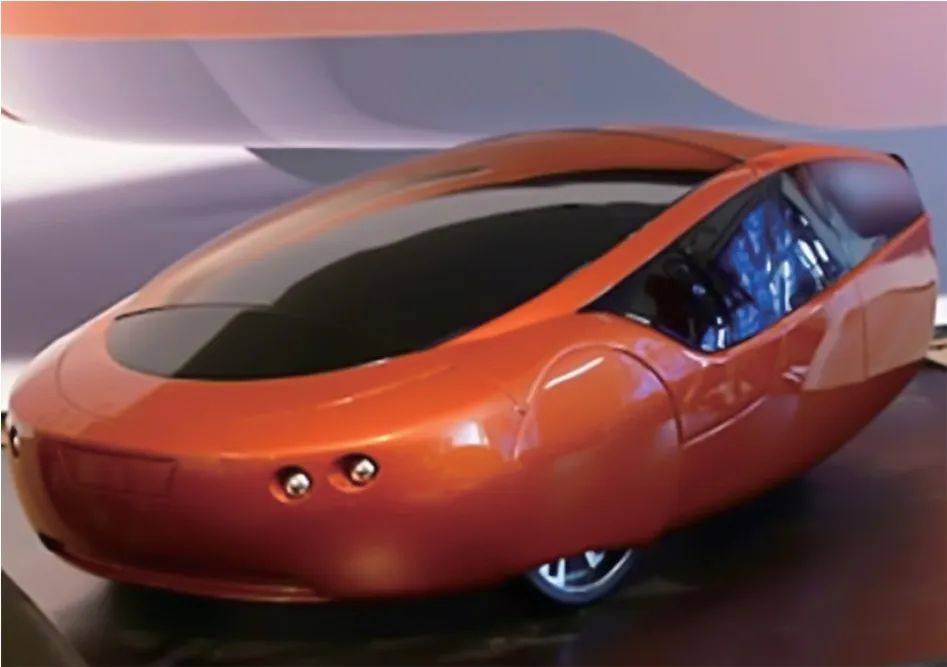
Figure 2 3D Printed Car Urbee
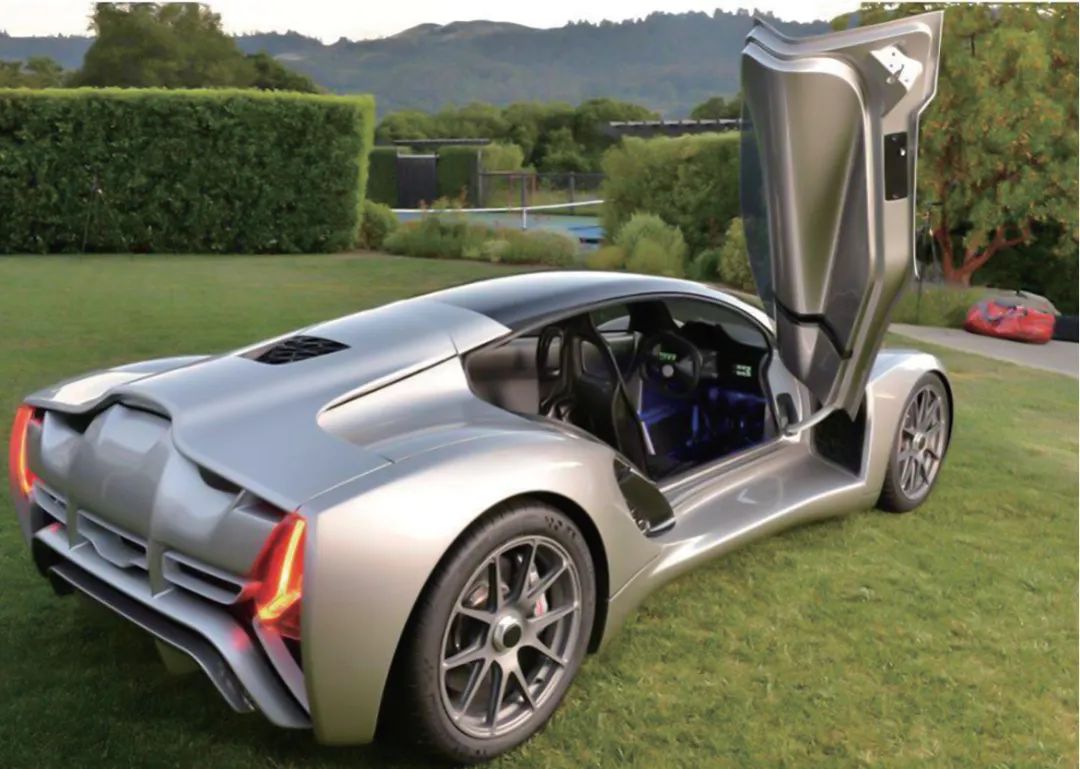
Figure 3 First 3D Printed Supercar “Blade”
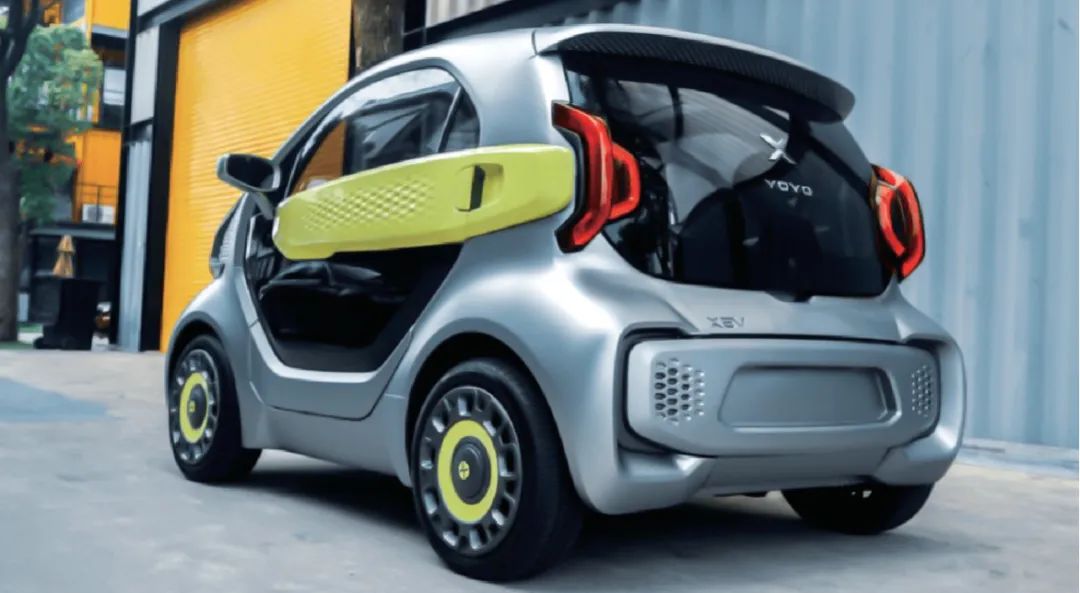
Figure 4 Mass-Produced 3D Printed Electric Car YOYO
The application of 3D printing technology not only reduces design costs and improves research and development efficiency in the automotive design phase but also has many successful application cases in the manufacturing phase, such as 3D printing powertrains, chassis parts, and automotive interior and exterior decorations. 3D printing technology can achieve integrated design and manufacturing of automotive parts while ensuring the performance of structural components, providing more possibilities for automotive parts manufacturing. Therefore, its technical advantages in the customization, lightweighting, electrification, and intelligence of automobiles are widely recognized.
3D Printed Powertrains
Automotive engineers can use 3D printing technology to produce functional prototypes or concept models designed by automotive designers in the early stages of product development, accelerating the verification and optimization iteration process. Compared to traditional models, 3D printing technology can greatly enhance verification efficiency, reduce design verification time, and minimize the cost of design errors. Lamborghini, a well-known European sports car manufacturer, once used 3D printing to create engine ducts for sports cars, completing the creation of complex geometric structures in a very short period. In 2020, Porsche manufactured the first complete electric powertrain housing using 3D printing technology, making it lighter, stronger, and more compact, as shown in Figure 5. Engine and transmission components produced using laser melting technology successfully passed quality and pressure tests, proving that this technology is installable and substitutable for traditional consumer products.
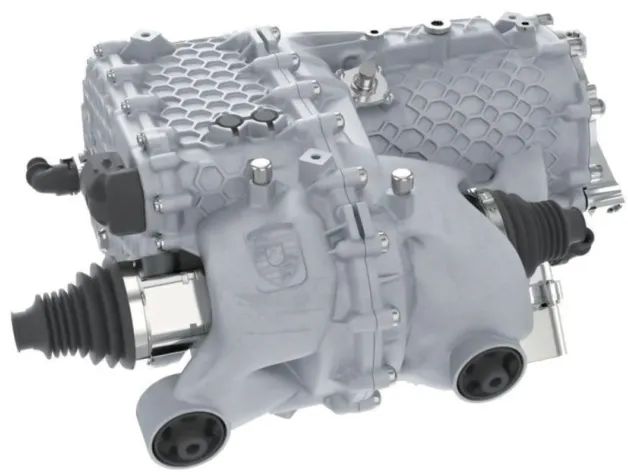
Figure 5 Porsche 3D Printed Powertrain
3D Printed Chassis Parts
In 2017, Bugatti of Germany used 3D printing technology to manufacture titanium alloy brake calipers (Figure 6), which passed strength tests, weighing only 2.9 kg while exhibiting excellent performance of withstanding high pressure of 125 kg per millimeter. The successful manufacturing case of this titanium alloy caliper is a milestone in the history of 3D printing applications in automotive parts.
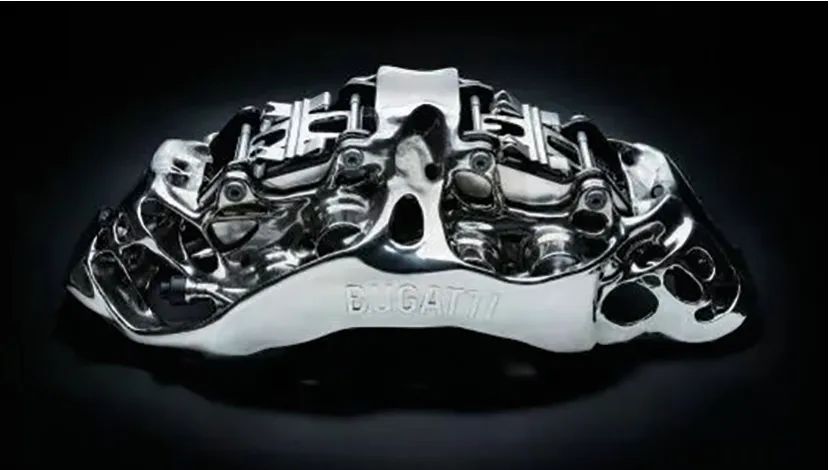
Figure 6 Bugatti 3D Printed Titanium Alloy Brake Caliper
3D Printed Automotive Interiors
General Motors developed a 3D printed stainless steel seat using Autodesk technology in 2018, increasing bracket strength by 20% while reducing weight by 40%, and simplifying the original 8 parts into 1 part. In 2020, Porsche designed a 3D printed seat for its sports car, this new type of “3D printed full bucket seat”, as shown in Figure 7, has a base support with a sandwich structure, resembling racing seats in appearance, layout, and weight; compared to previous seats, it provides stronger support rigidity and wrapping, with a more unique internal structure, making the actual riding experience superior.
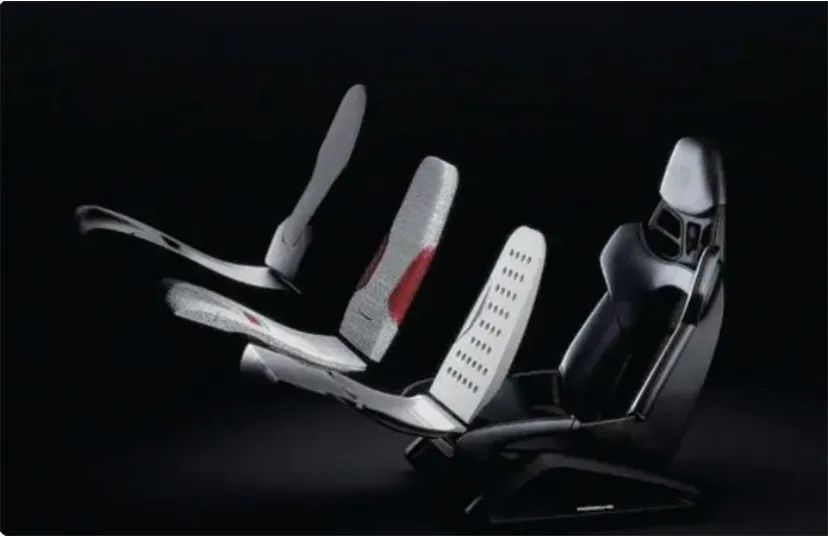
Figure 7 Porsche 3D Printed Car Seat
3D Printed Automotive Exteriors
3D printing technology also has advantages in the design, production, and manufacturing of automotive exteriors, such as reducing production costs, simplifying production processes, and improving production efficiency. Well-established applications include automotive lamps, fenders, car badges, and front and rear bumpers. For example, in the case of a certain car model’s headlight (Figure 8), using photopolymer resin material and 3D printing technology Polyjet for printing practice, it has been verified from a practical perspective that the integrated forming of 3D printing is superior to traditional model making. The 3D printing of lamp models mainly solves the problems of cumbersome processes and labor shortages in traditional model making, but also faces challenges such as low strength of threaded connections and poor performance of models under high and low temperatures.
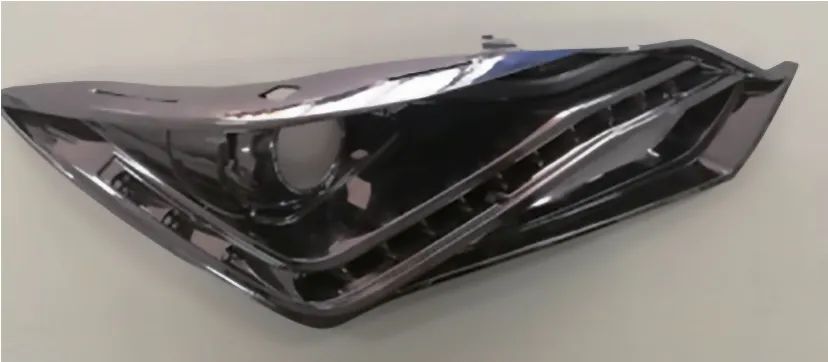
Figure 8 3D Printed Headlight of a Certain Car Model
Application of 3D Printing Technology in Automotive Repair
Because 3D printing technology can well meet the personalized customization needs of automotive users, it has also been widely applied in the automotive repair field, such as the customization and repair of limited edition or discontinued parts, and “special” tools needed during automotive repair. Many basic components or tools, such as automotive headlights, car seats, wheel hubs, engine cylinders, brake calipers, engine ducts, transmissions, and repair tools, can be quickly produced using 3D printing technology, ensuring the repair efficiency and economic benefits of aftermarket service providers.
3D Printed Repair Parts
On one hand, there are numerous types of cars, and the automotive parts involved are countless; on the other hand, the inventory of parts for limited edition or high-end models is extremely low, and there are even discontinued parts, which pose significant challenges for automotive aftermarket service providers. However, 3D printing technology can customize parts to solve this problem. For example, using 3D printing technology to replicate many discontinued parts of the famous classic Volkswagen Beetle (Figure 9) from 1960 provides important support for the missing parts and repairs of diverse and scarce models, while significantly reducing the costs of purchasing such parts and shortening repair times, avoiding the “monopoly” phenomenon in the automotive industry.
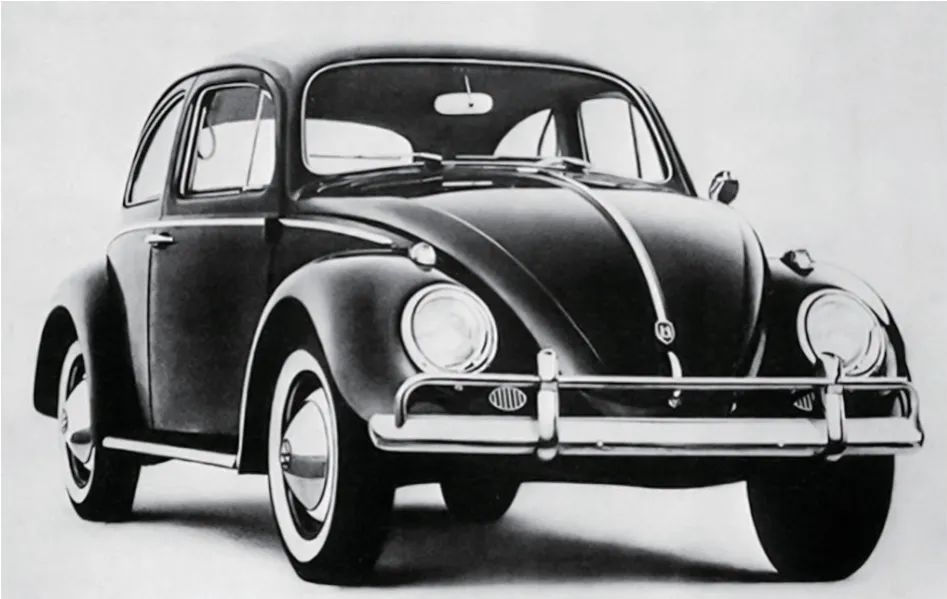
Figure 9 1960 Volkswagen Beetle
3D Printed Automotive Repair Tools
In the automotive repair field, 3D printing technology plays an important role not only in printing repair parts but also in printing automotive repair tools, which also has commercial value. For easily worn tools, expensive but infrequently used tools, and tools that need to be customized, automotive aftermarket service providers can utilize 3D printing technology to avoid large-scale purchases, thus preventing situations where no “suitable” tools are available, effectively reducing repair costs and shortening repair times. For example, wrenches printed using FDM-based 3D printing technology, as shown in Figure 10.
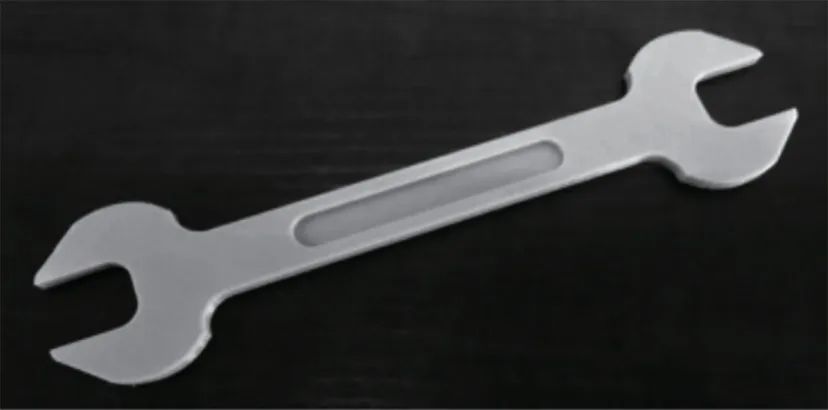
Figure 10 Wrench Based on 3D Printing
Conclusion
The application of 3D printing technology in the automotive manufacturing and repair industries has brought significant positive impacts on the development of the industry and has strongly promoted the development of the entire automotive sector. Therefore, in the future, 3D printing technology will undoubtedly be among the most ideal processing techniques for automotive parts manufacturing and repair and will ultimately be widely applied in various aspects of automotive product design, research and development, and more.
Recent Activities
 (Click to participate)The directory of forging production enterprises is about to be revised!
Scheduled! 2024 Forging Industry Resource Conservation and Emission Reduction Summit Forum
“Forging and Stamping” magazine paper edition, limited time free to receive!
Recent Meetings
2024 China Forging Association Activity Plan
Business Cooperation
Advertisement, Conference Registration Luo Wenhui: 13343131143Magazine Submission Zhang Minglun: 15533608476Email: [email protected]
Get the magazine for free
 Scan to receive a free magazine